Short-run invitation work needed cleaner foil control
The client is a small card studio in Roodepoort serving wedding invitations, milestone cards, corporate event inserts and boutique packaging runs. Their work changes often, with one job using deep emboss detail and the next needing only a sharp logo or border in gold, silver or rose tone. The challenge was not demand, it was consitency. On short runs, small setup errors were showing up as light foil breaks, uneven pressure and wasted sheets.
The brief was straightforward. They wanted a compact hot-foil stamping press that could fit into a busy production room, hold stable temperature through the day and give repeatable results on coated card stock from 250 gsm up to 450 gsm. They also wanted a supplier close enough to help with setup and training, because their team did not have time for long stoppages while learning a new machine.
- Town: Roodepoort, west of Johannesburg
- Work type: short-run invitations and card finishing
- Substrates: coated card, textured board and laminated presentation stock
- Main pain points: foil pickup variation, registration drift and wasted start-up sheets
Compact press selection for a small workshop
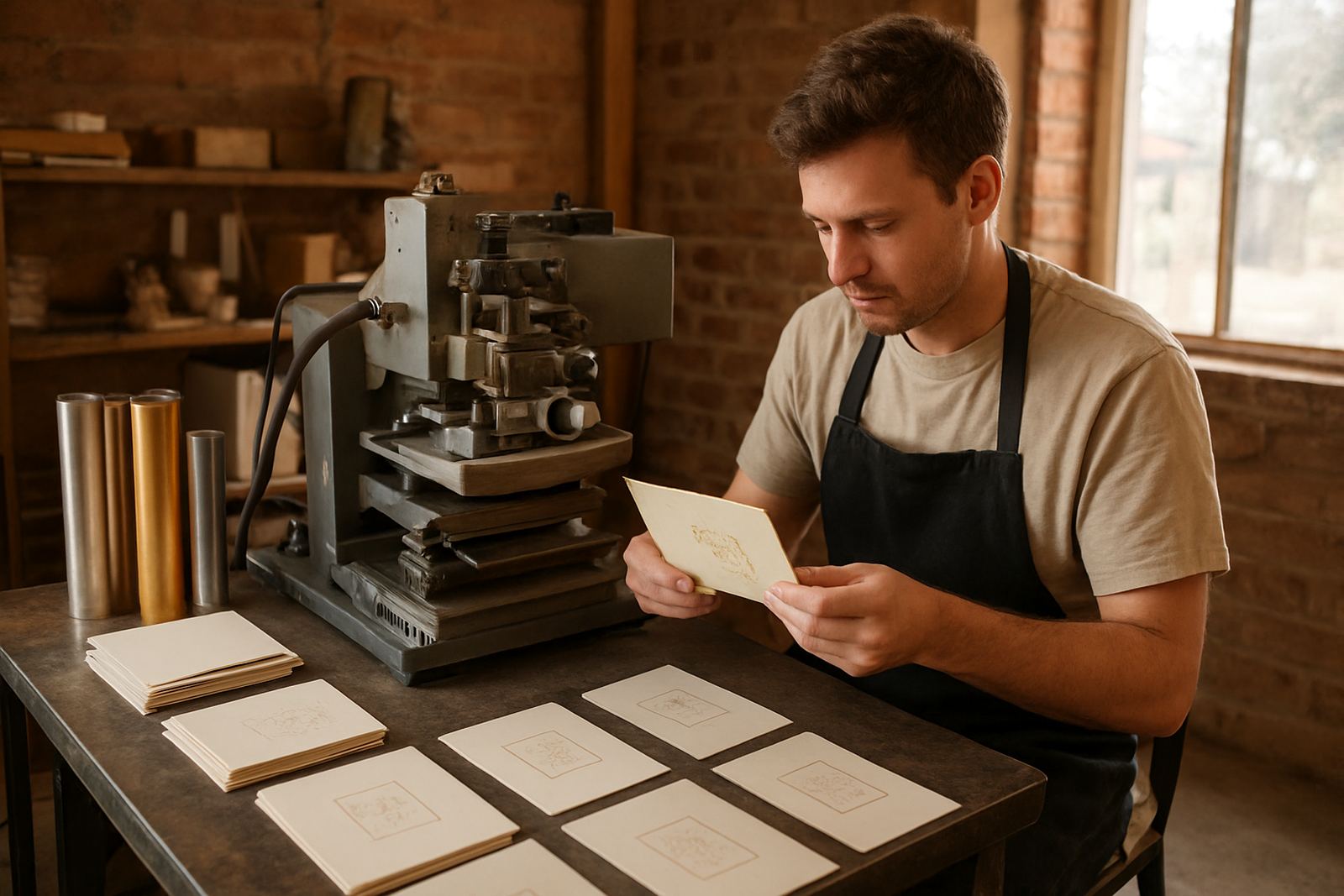
We supplied a compact press package suited to a limited floor area and mixed card stock. The machine was selected for steady heat control, even pressure across the platen and practical access for daily operation. It was important that the setup could be used by a small team without constant adjustment, especially when the workshop was running other finishing tasks at the same time.
Because the client produces mostly short runs, we also focused on quick changeovers. Die mounting had to be simple, the foil path had to be clear, and temperature recovery between jobs had to stay reliable. In a space like Roodepoort, where many print and finishing rooms work through load-shedding and heat variation, a press that holds its settings properly saves time and material.
- Press footprint suited to a compact production area
- Stable heater control for repeatable foil adhesion
- Pressure adjustment for different card thicknesses
- Practical die mounting for frequent job changes
- Foil matching support for gold, silver and speciality shades
Two-week install and training plan
The project ran over two weeks from first site visit to approved production output. In week one we assessed the room layout, power supply, stock handling route and operator workflow. We also checked the client’s most common invitation stocks so the press setup could be matched to the materials they use every week. No two card rooms are the same, and a compact machine still needs proper placement, ventilation and a safe working clearances around the operator position.
Week two covered installation, heater calibration, pressure setup and live running on the client’s own dies. We trained the operators on start-up checks, foil positioning, pressure balancing and simple fault spotting. We also showed them how to set up for first samples so they could save the best settings for repeat orders. By the end of the second week they were running full short batches without calling for help on every changeover.
- Week 1: site survey, substrate review and workflow planning
- Week 2: installation, calibration and live job testing
- Training: operator routine, die care and sample approval method
- Handover: production settings recorded for repeat work
What changed on the floor after setup
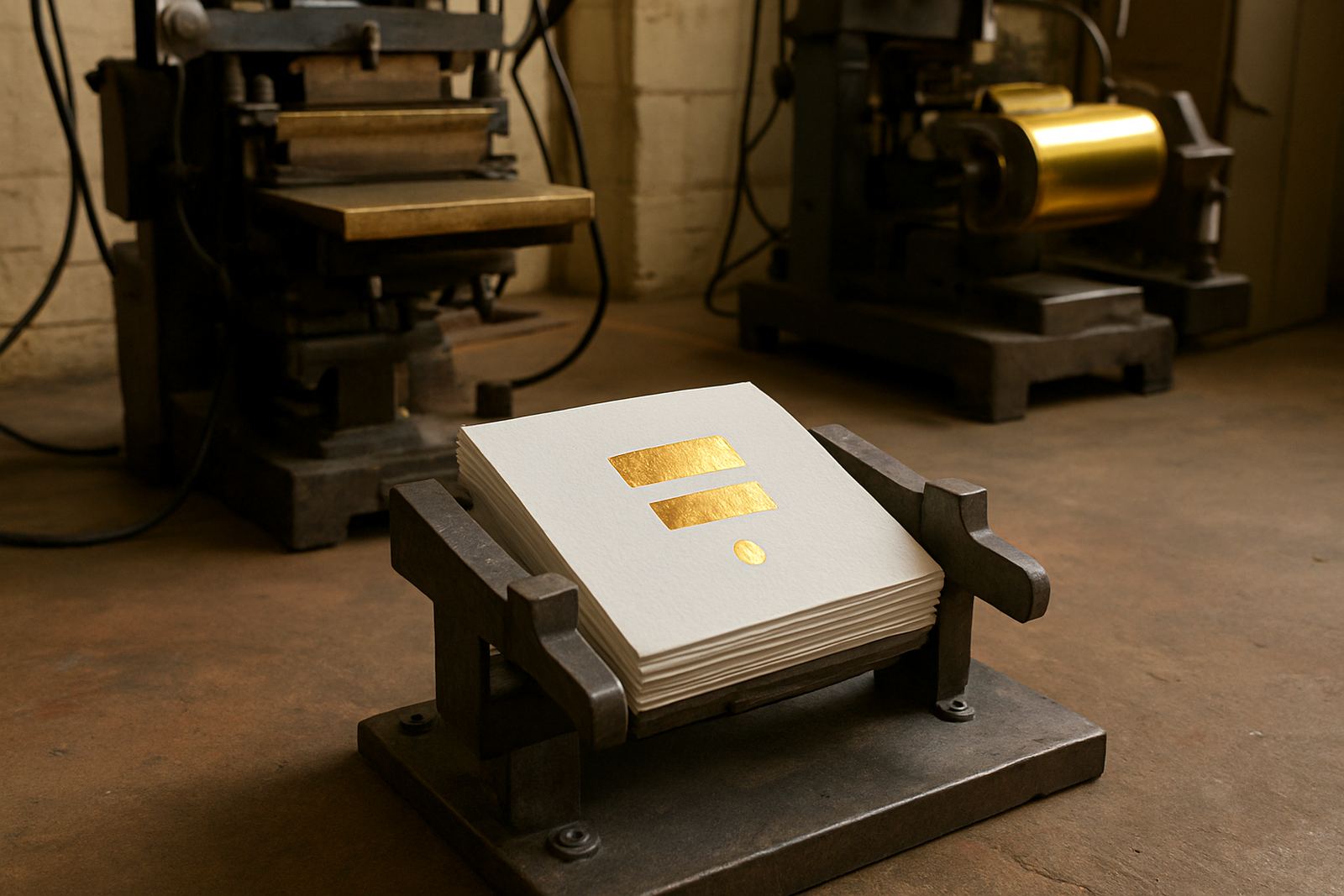
The clearest result was more consistent foil coverage across the same job from start to finish. The client saw fewer light patches on textured card and less movement on fine text and border work. This mattered most on invitation sets where one poor sheet can spoil a small batch and add to reprint costs. After setup, the team was wasting less material and their approval samples matched the finished run much more closely.
Another improvement was timing. Before the new setup, operators were spending extra minutes rechecking pressure and chasing temperature drift. After calibration and training, they could move from one job to the next with less delay. That gave the business more useful output during normal working hours, and it reduced pressure on overtime when orders stacked up near month-end or before event dates. In a small shop, that time saving makes a real difference.
Results noted during the first production cycle included:
- Cleaner foil edges on small lettering and line work
- Better repeatability across short runs of 25 to 300 sheets
- Less material waste during start-up and first sample checks
- Quicker job changeovers between different invitation sets
- More confident operators handling pressure and temperature settings
Aftercare that suits Roodepoort production schedules
The client wanted support that would not disrupt their order book, so we kept the follow-up practical and local. FoilPress arranged preventive servicing guidance, spare parts supply and contact points for breakdown repairs if needed. Because the studio handles time-sensitive invitation work, we left them with a clear list of the settings used for their main stocks and the foil combinations that produced the cleanest finish.
We also reviewed the realities of their working environment. Roodepoort workshops can face dust, fluctuating room temperatures and interrupted power from load-shedding, so we stressed routine warm-up checks, clean surfaces around the press and sensible shutdown steps. That kind of discipline keeps a press from drifting out of spec and helps protect the heater and control parts over time.
- Recommended regular checks on pressure and heater calibration
- Foil stock held in clean, dry storage away from direct sun
- Simple start-up checklist for each shift
- Planned servicing to reduce unplanned stoppages
What we would do again for a similar card studio
If we were setting up the same kind of business again, we would follow the same approach: assess the actual card stocks first, match the press to the size of the workload, then train the operators on the jobs they really run every week. For short-run invitation work, that order matters. It is easy to buy a machine that looks suitable on paper but becomes awkward in a room where batches are small, deadlines are tight and every sheet counts.
We would also keep the handover focused on the day-to-day tasks the team uses most often, including die mounting, foil matching and pressure setup. That gives a small studio a better chance of getting consistent results without waiting for outside help every time a new design lands. For Roodepoort card producers working across Johannesburg and beyond, that mix of machine fit, practical training and responsive support is what keeps the line moving.
Key facts
| Project location | Roodepoort, City West Johannesburg |
|---|---|
| Client type | Small card producer handling short-run invitation work |
| Solution supplied | Compact hot-foil stamping press setup |
| Stock range | 250 gsm to 450 gsm coated and textured card |
| Timeline | 2 weeks from site review to handover |
| Services used | Installation, training, calibration, foil matching and support |