



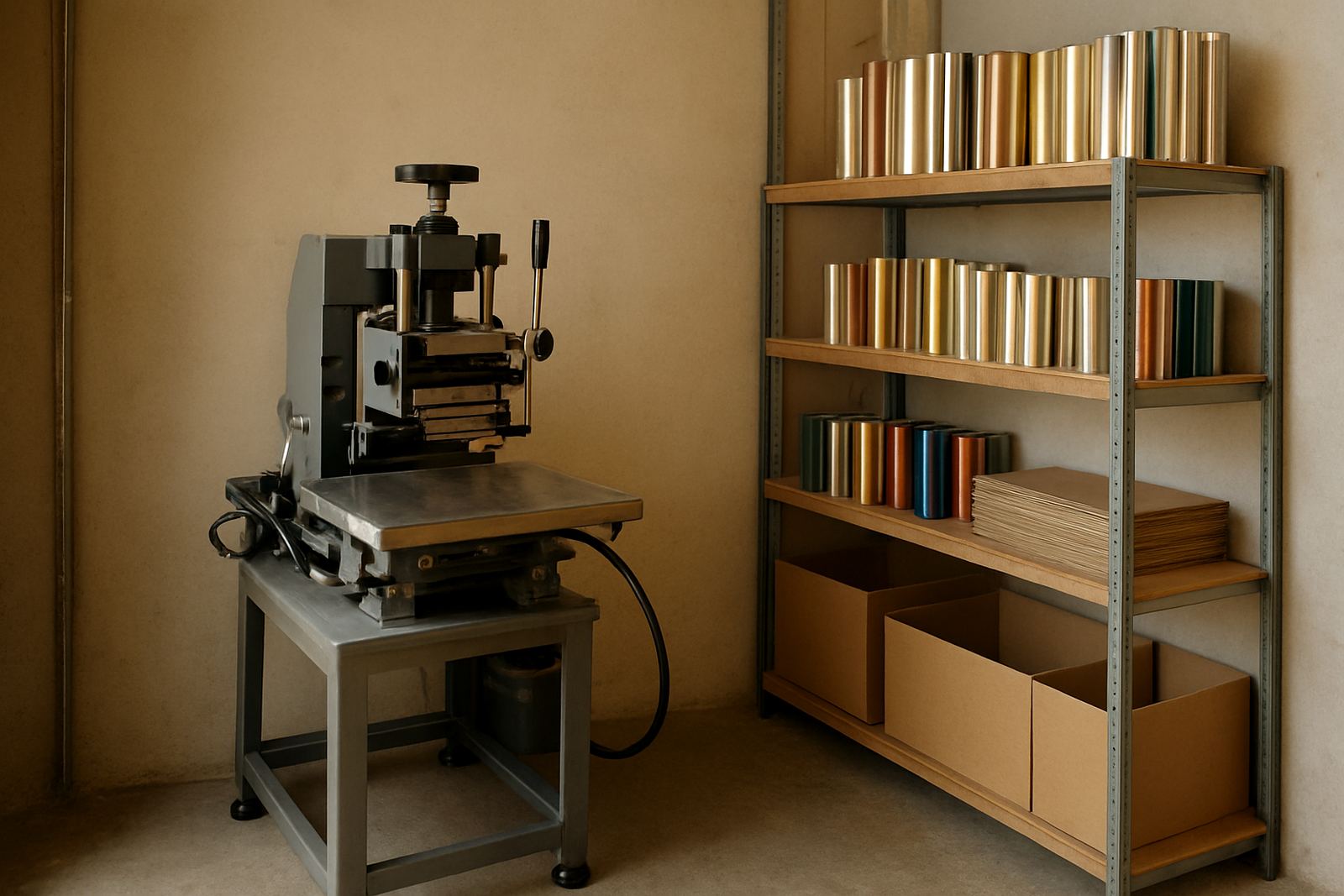

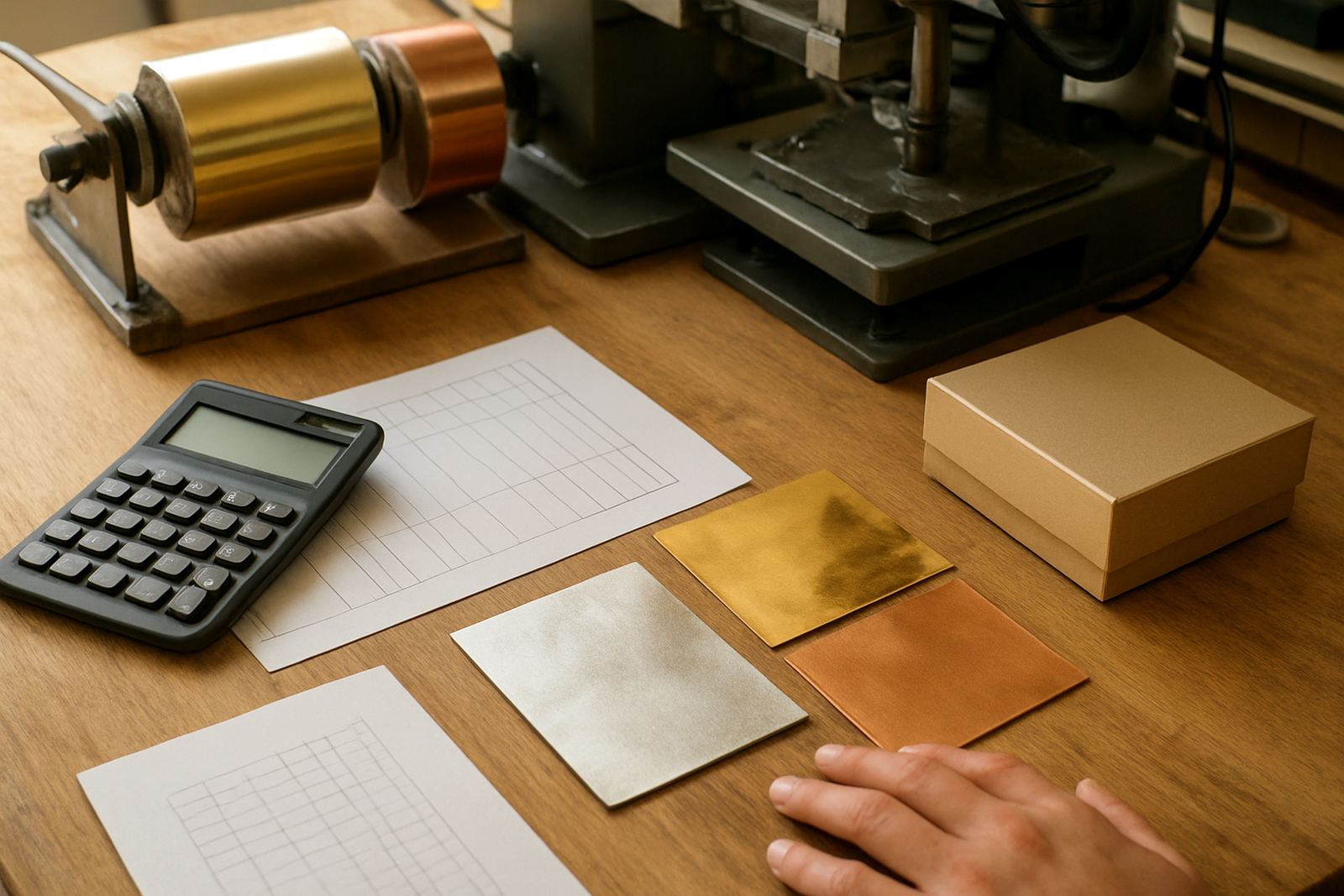
How to choose the right stamping guide for your job
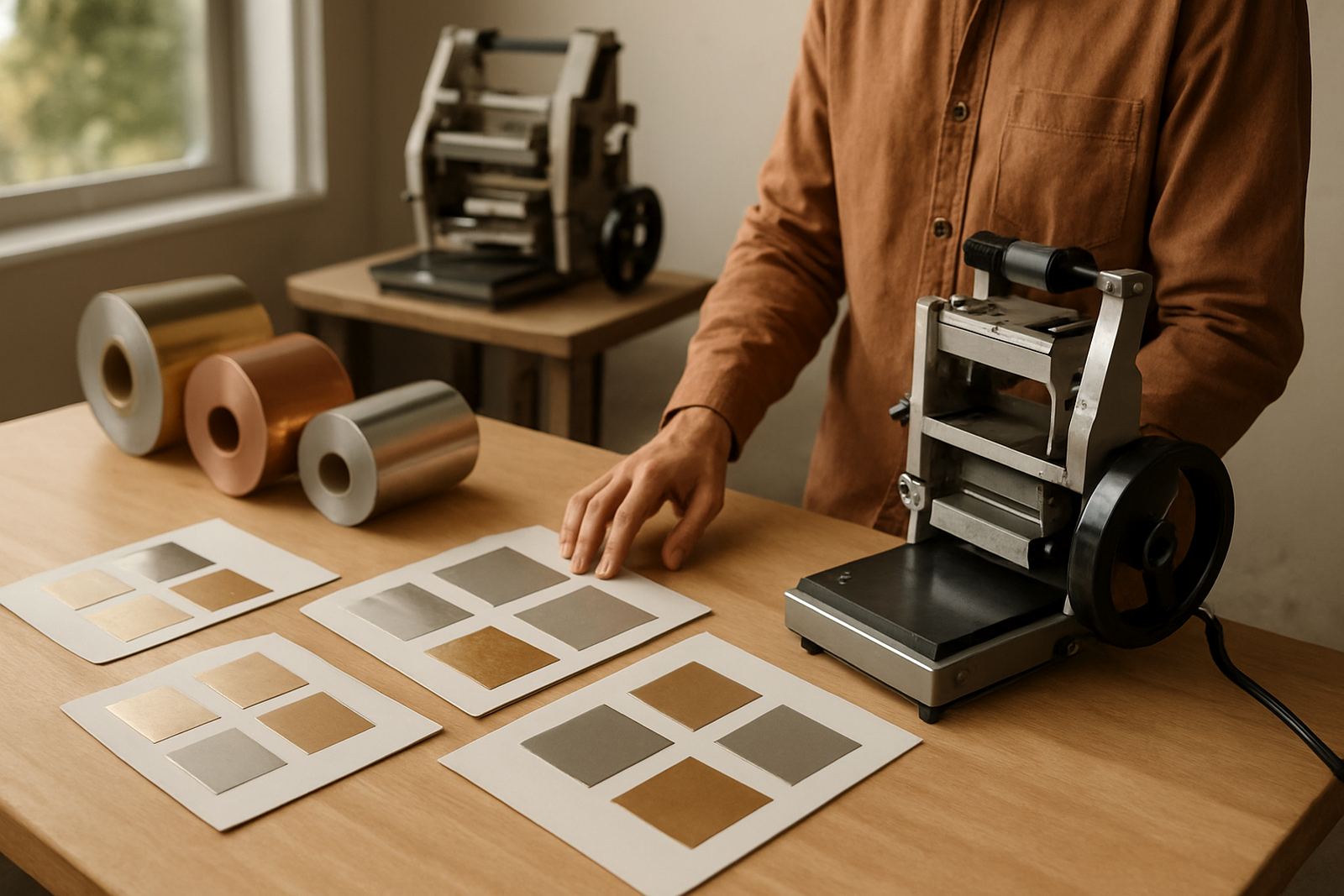
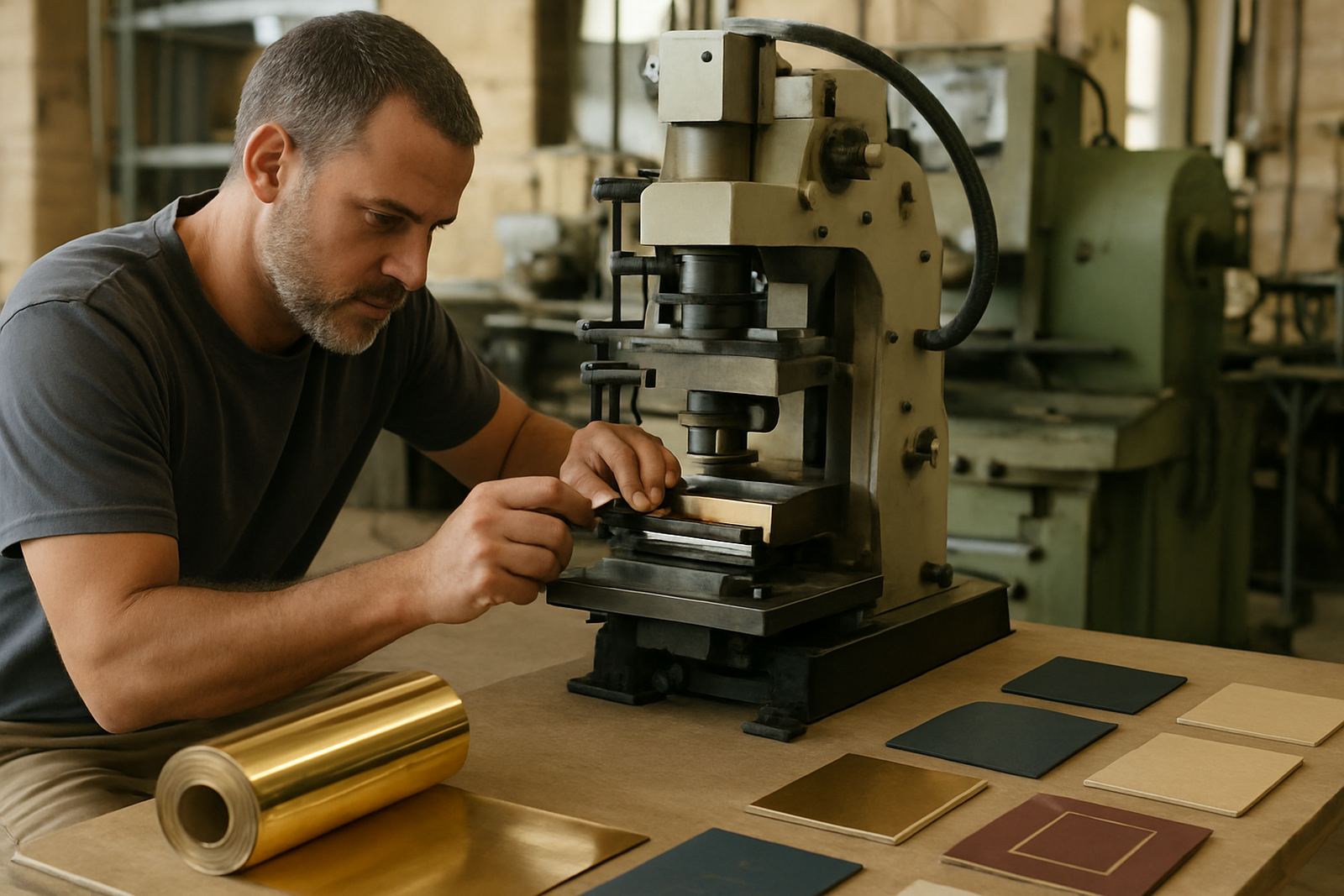
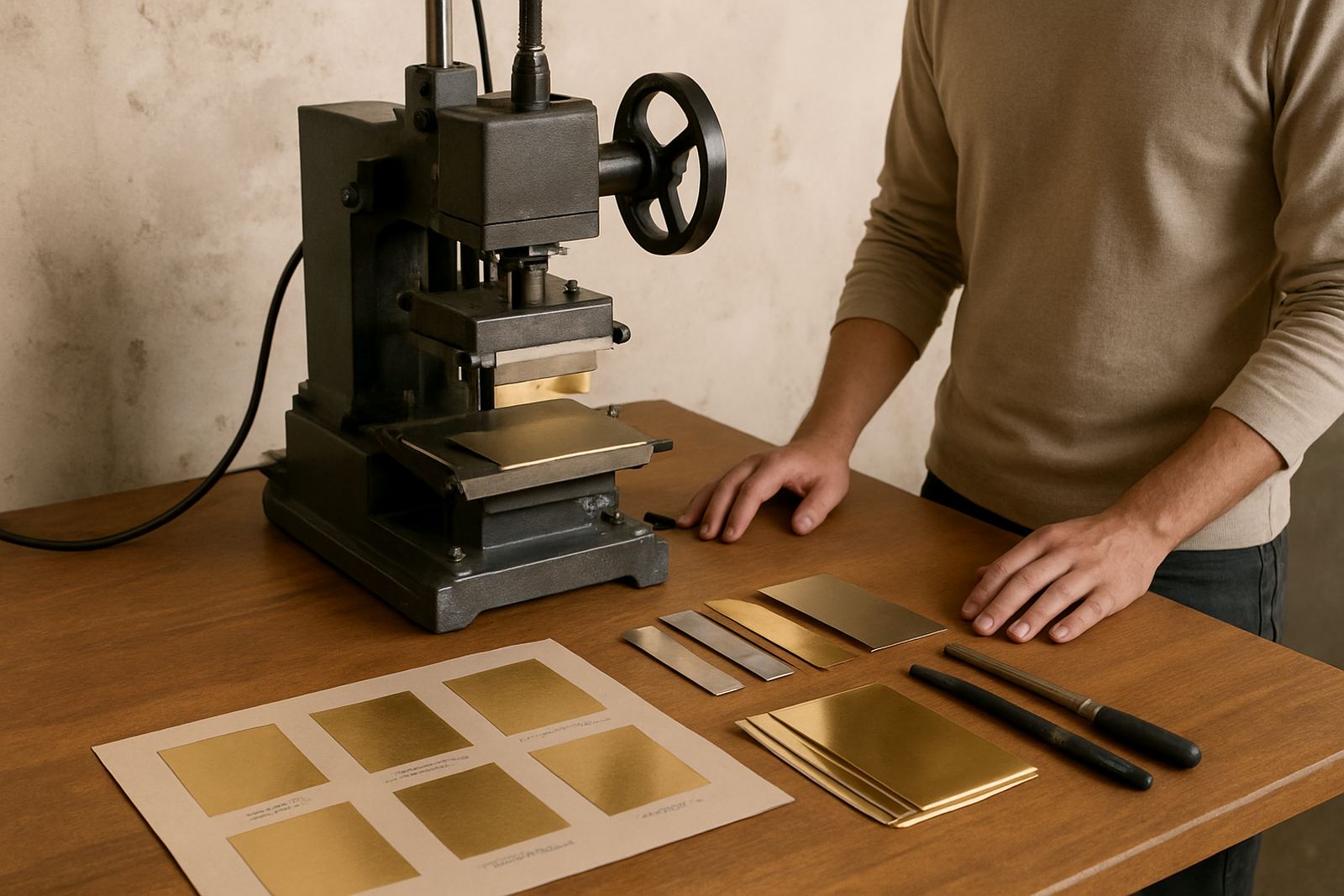
FoilPress covers a wide range of stamping needs, from small craft work to repeat production on card and packaging. Start with the material, then check the size of the image, the quantity per shift and the level of finish you need. A good guide should help you narrow the field before you spend money on tooling, setup and operator time.
If you are working in Johannesburg, Pretoria, Durban or Cape Town, the practical question is often not just what looks good but what will keep running during load-shedding, heat and long production days. The right guide will help you match press size, heater control and pressure setting to the work at hand.
Machine types, job sizes and daily output
Not every press suits every job. Small shops may need a compact unit for short foil runs on invitations, labels or sample packs. Larger converters often need steadier pressure, better heat control and room for wider dies on carton work.
- Small-format work: short runs, lower tooling cost, tighter work area.
- Mid-size production: repeated jobs, better speed and cleaner registration.
- Heavier packaging work: thicker board, larger dies and more even pressure across the full image.
When you compare options, look at the real daily load, not only the biggest job you hope to receive. That helps avoid a press that is too small for your line or too large for the space and power supply you have available.
Job preparation before the press starts
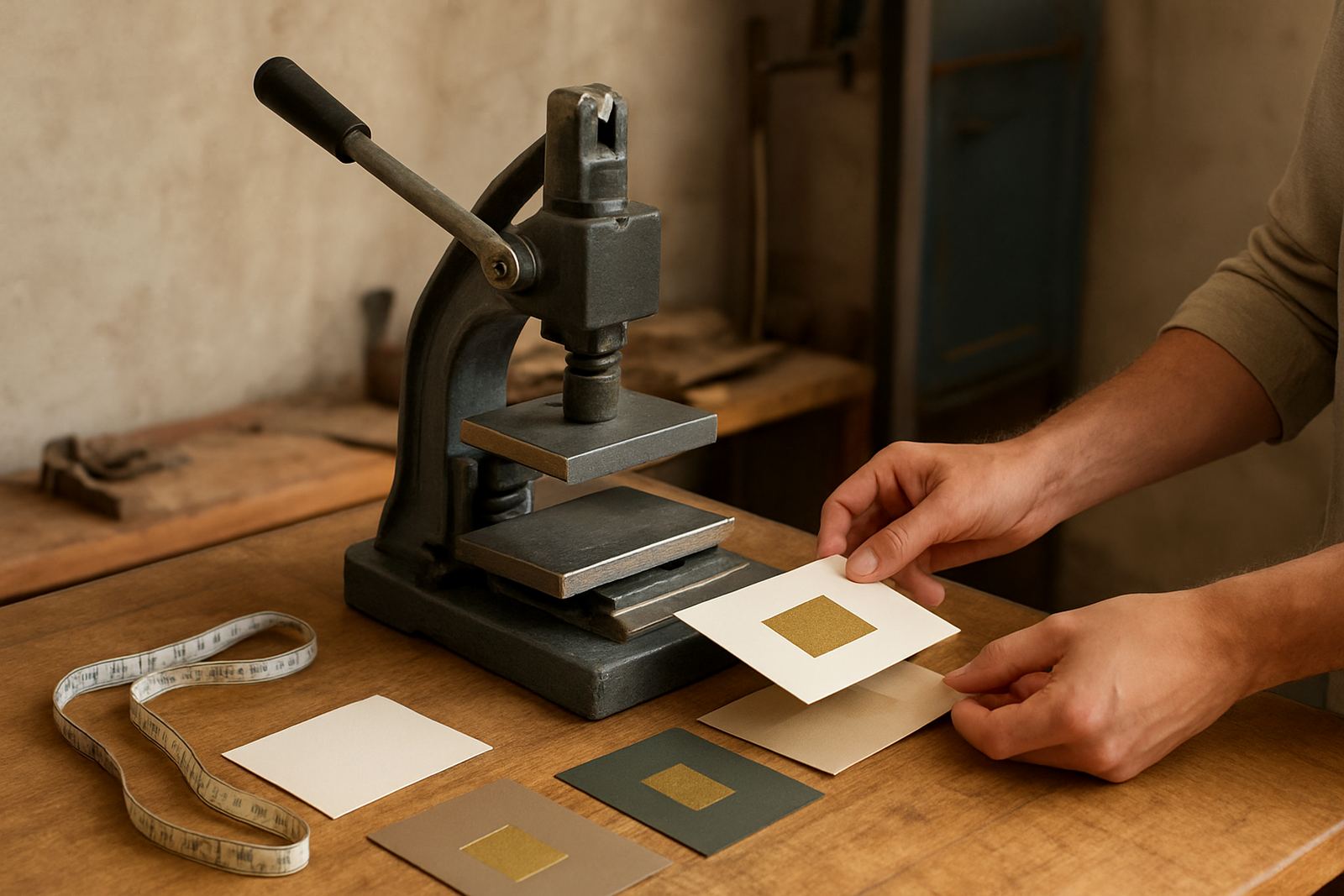
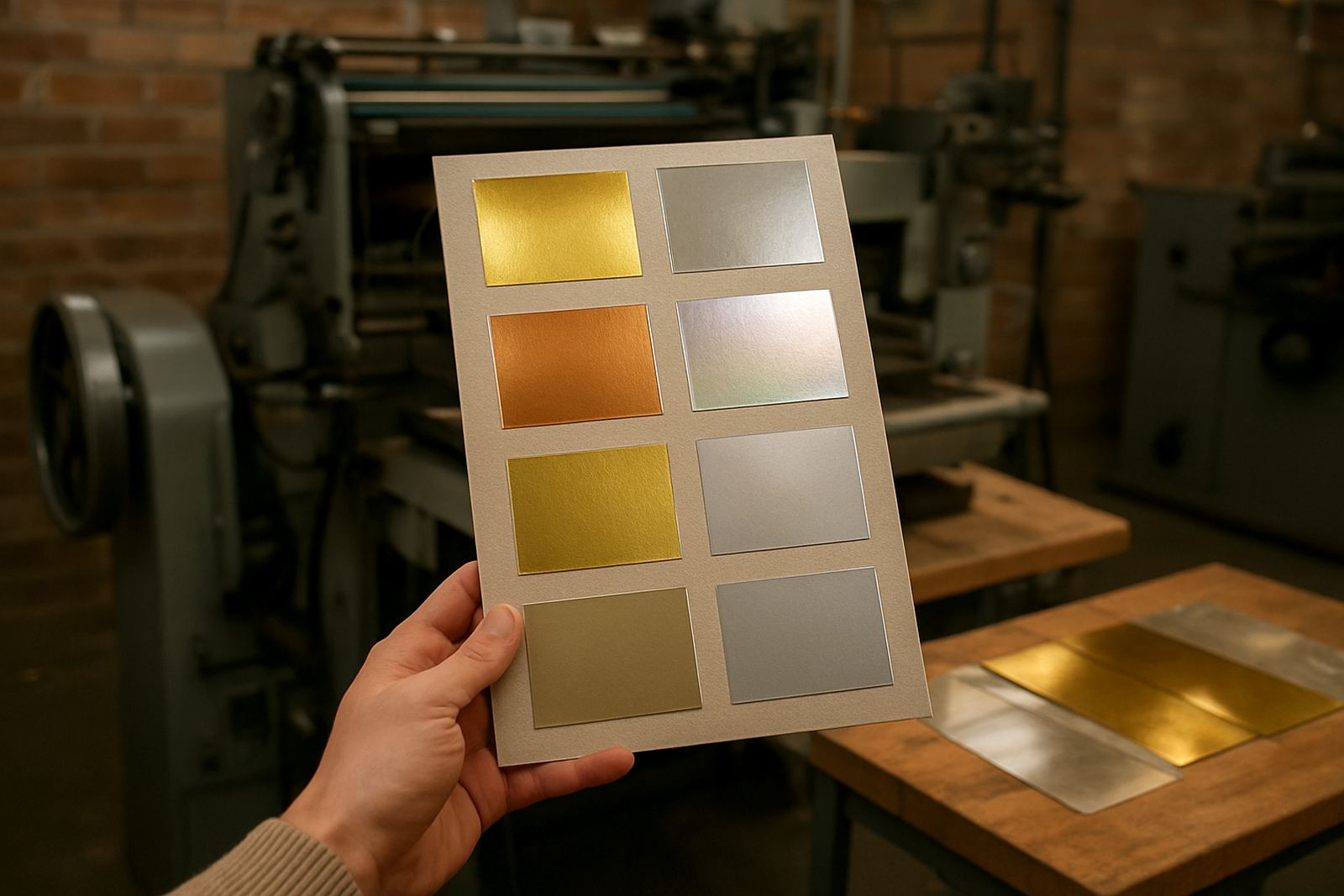
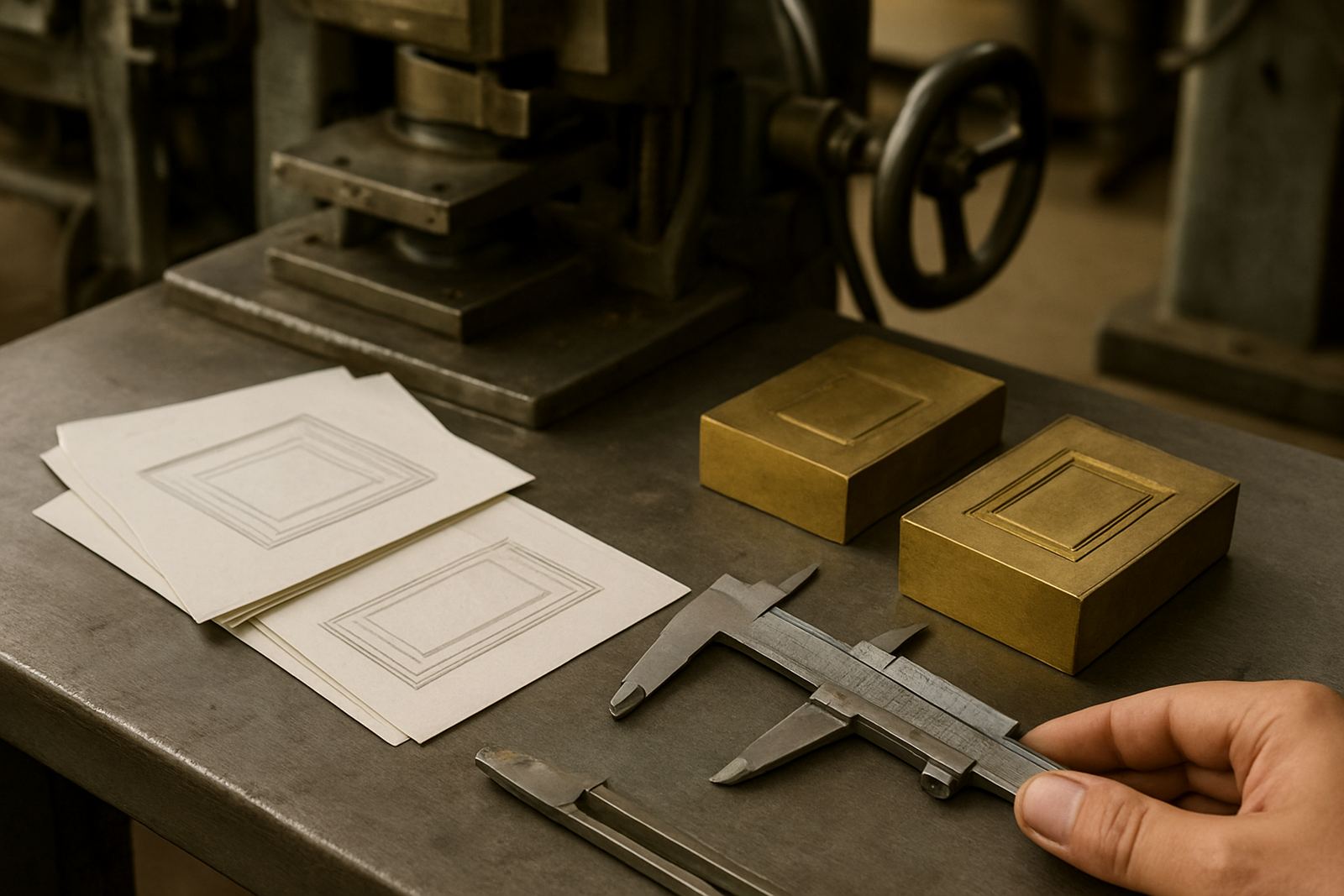
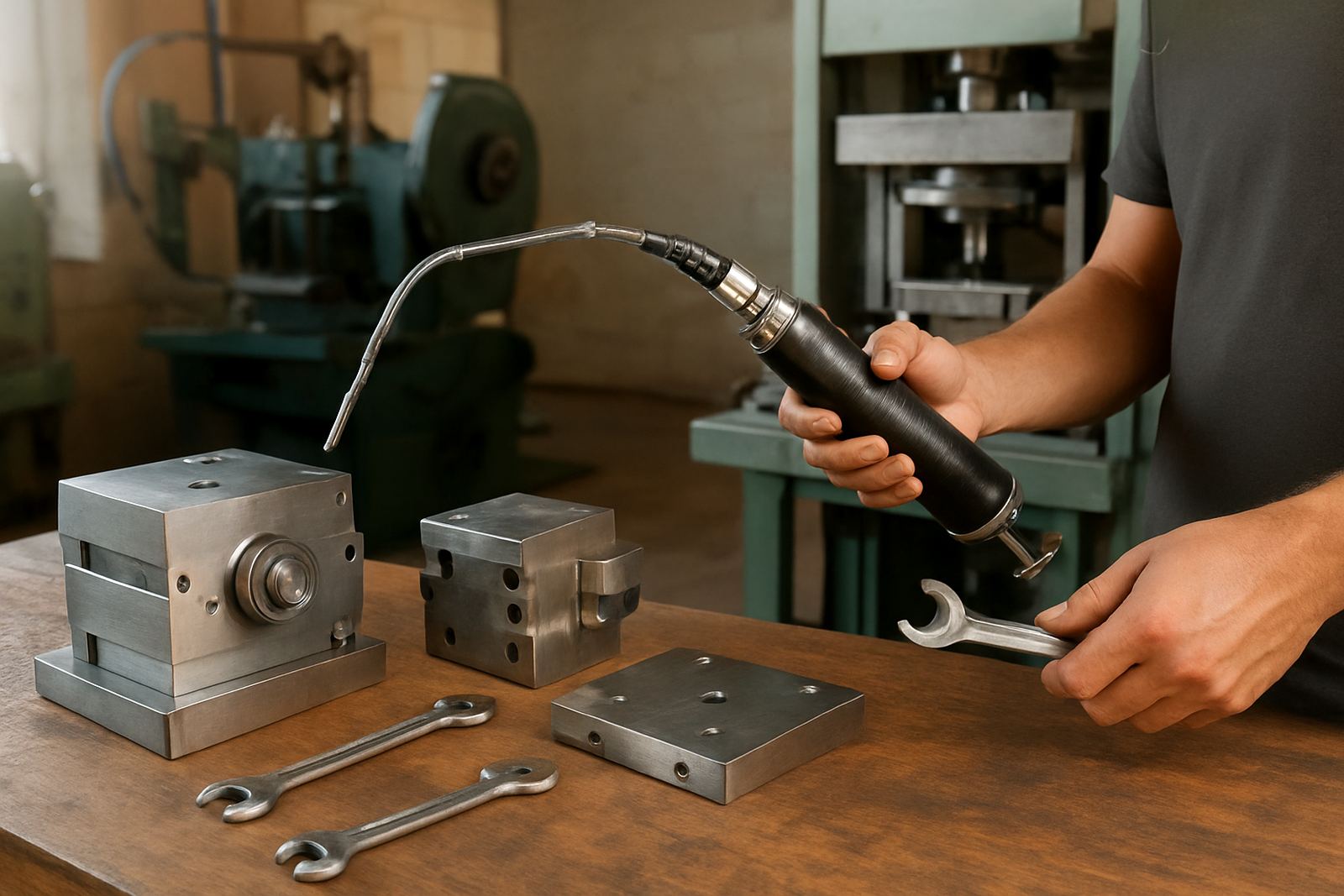
Good foil results begin before the first pull. The board or substrate must be dry, clean and cut square. Dies should be mounted properly, the foil matched to the material and the heater set for the stock thickness. In humid areas near the coast, stored board can take on moisture, so the same setup may need a slight adjustment from week to week.
Keep your operator notes simple but consistent. Record temperature, pressure, dwell time and foil type for repeat jobs. That makes it easier to reproduce colour, shine and release on the next run, especially where customer approval is strict.
- Check die alignment before heating the press.
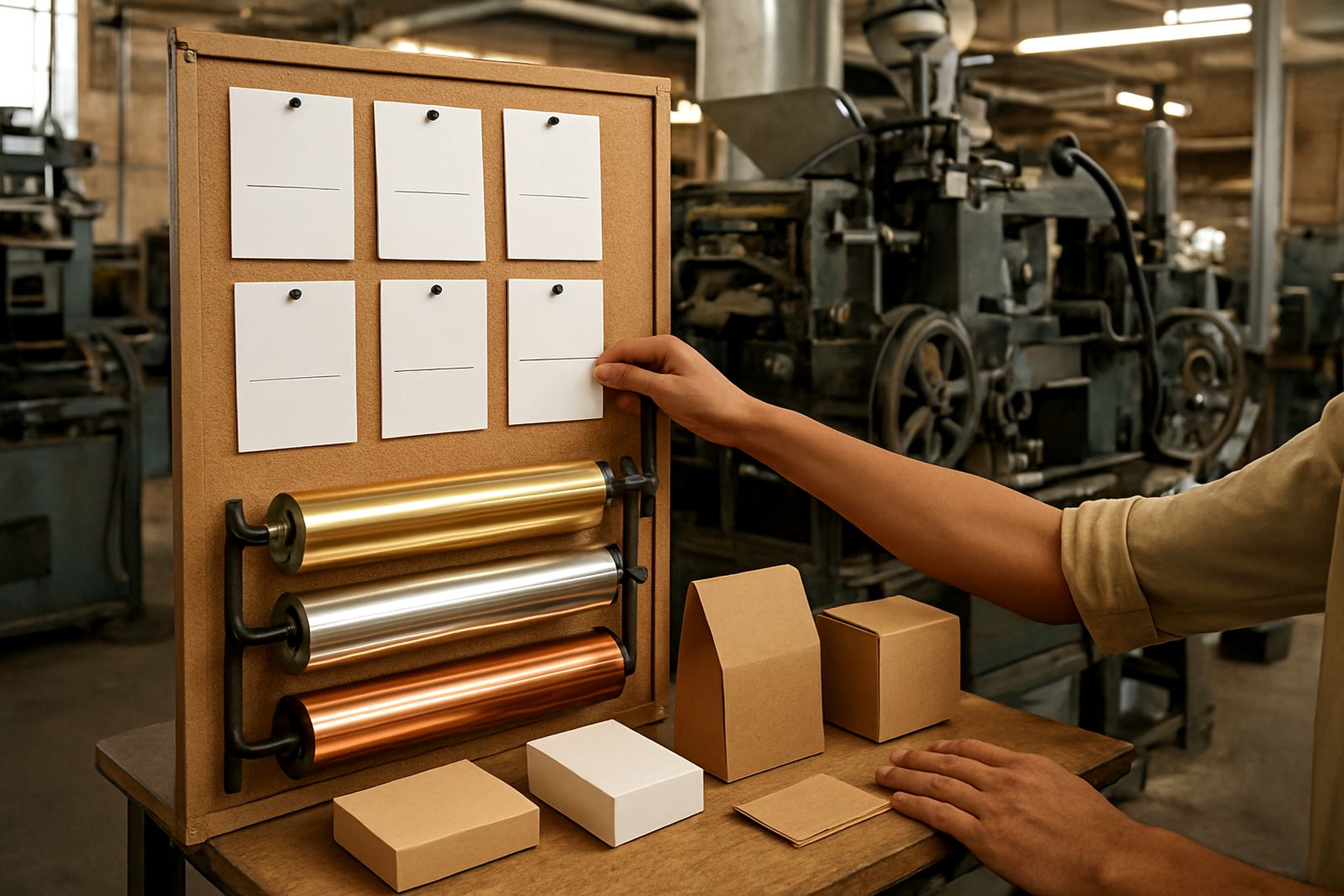
- Keep foil rolls stored flat and away from dust.
- Test on the same stock batch where possible.
- Allow for recovery time on thicker board.
Common faults and what to check first
If the image is weak, patchy or blurred, start with the basics. Many problems come from uneven pressure, incorrect heat or a die that was not mounted square. It is also worth checking whether the foil is suited to the substrate and whether the machine has warmed up properly.
In many workshops, the fastest fix is not a full strip-down. A cleaner setup and a better pressure balance often solve the issue. If you are seeing repeated failures, keep a note of the fault pattern so support staff can get to the source quicker.
- Poor release: adjust heat and dwell time.
- Light image: increase pressure in small steps.
- Ghosting: check registration and cooling.
- Uneven finish: inspect platen level and die mount.
Planning for power cuts, heat and long shifts
South African production does not always run on a perfect schedule. Load-shedding, warm workshop conditions and late finishing shifts all affect stamping work. A guide should help you plan warm-up time, power use and the order of jobs so you do not lose a full shift to avoidable stoppages.
For many clients in Industria West, Roodepoort and Germiston, the practical answer is to batch similar jobs together and keep spare consumables on site. That way you can keep moving when the power returns and avoid starting over on a cold press. It saves time and Rand.
When to ask for support or a site check
Some decisions are best made with proper support, not trial and error. If you are setting up a new line, moving equipment or changing to a different substrate, it helps to get guidance on installation, operator training and pressure setup before production starts. That reduces waste and keeps the first jobs consistent.
FoilPress works with buyers and operators across Johannesburg City West and nationwide supply of presses and foils. If you need help with foils, spares, heater calibration or breakdown repairs, it is better to sort it early than chase faults later. A quick check now can prevent a lot of scrap.
- New installation in a workshop or factory.
- Persistent setup problems on repeat orders.
- Changeover to a new stock or finish.
- Need for operator training or preventive servicing.