Start with the job list, not the machine
Before anyone switches on a press, map the full day or week of work. List each job by substrate, foil colour, die size, quantity, finishing steps and delivery date. A simple order list is not enough. You need to know which jobs can run back to back, which ones need a temperature change, and which ones will need a fresh die fit or pressure reset.
For many Johannesburg and Gauteng workshops, the biggest delay is not pressing time. It is the wait for printed sheets, the wrong foil width, or a die that arrives late from another supplier. Start with the hardest to source items and confirm them first. If a packaging run depends on a specific board stock, check that stock before the first hour of shift planning.
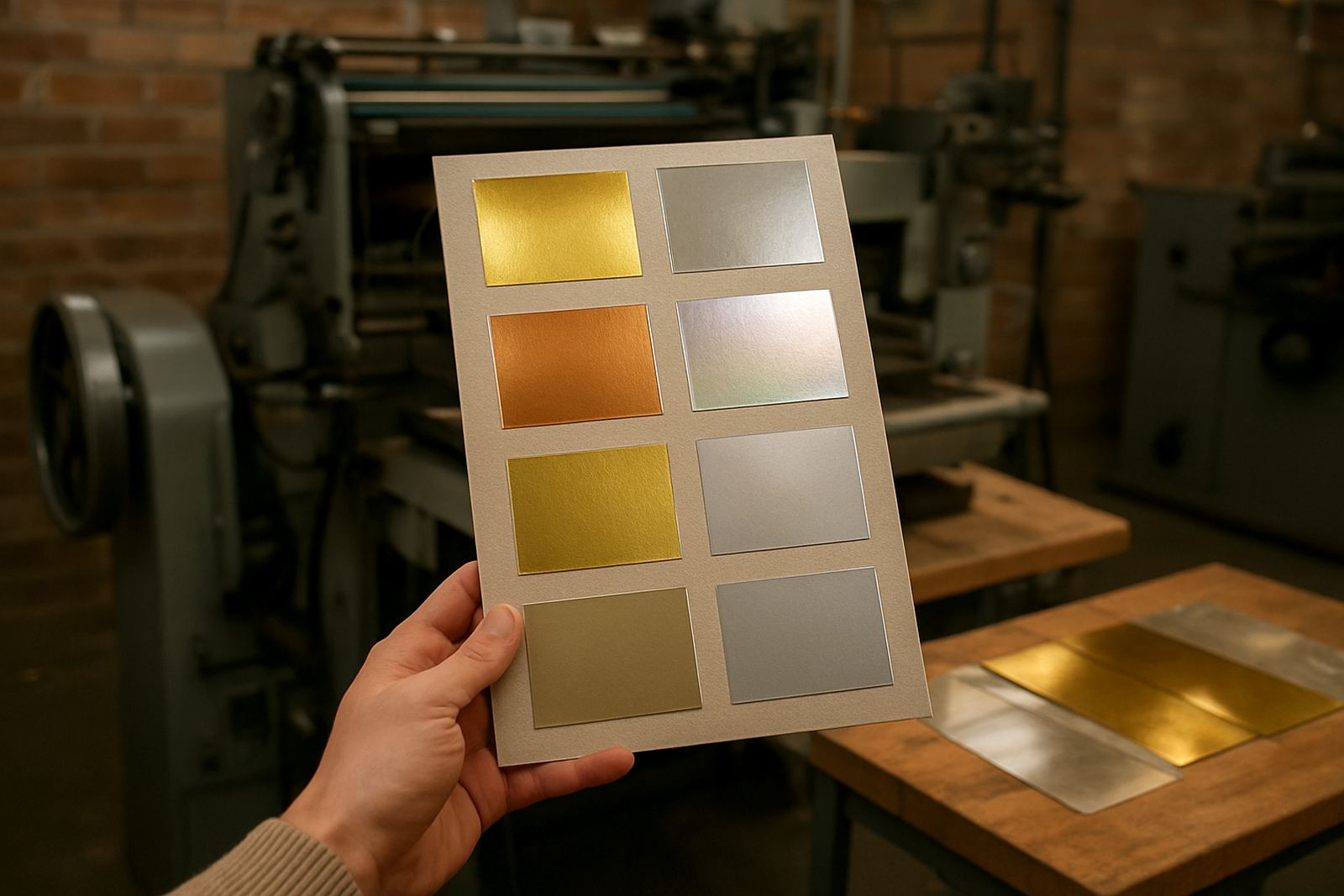
- Group jobs by foil colour and substrate thickness where possible
- Check artwork approval, die readiness and print delivery before slotting a press time
- Mark rush jobs clearly so they do not disrupt the full day’s sequence
- Keep a simple record of setup time, run time and waste for each job
Make material readiness part of the schedule
Foil jobs stop quickly when stock is not ready. The paper or board should be counted, flat and dry enough for the site conditions. In parts of Johannesburg and Gauteng, dry winter air can affect board handling, while coastal clients often deal with moisture that changes grip, registration and foil transfer. If sheets are curled or dusty, plan extra preparation time before pressing starts.
For packaging work, confirm the sheet size, grain direction and any post-press folding or gluing. A job that looks simple can slow down badly if the board needs trimming first. Keep the right consumables close to the press, including heat resistant tape, cleaning cloths, release paper and a spare heating element where the machine setup allows it. During load-shedding, it helps to stage all material before power is restored so the team can get moving quickly.
- Confirm board or card stock, quantity and thickness before the production slot
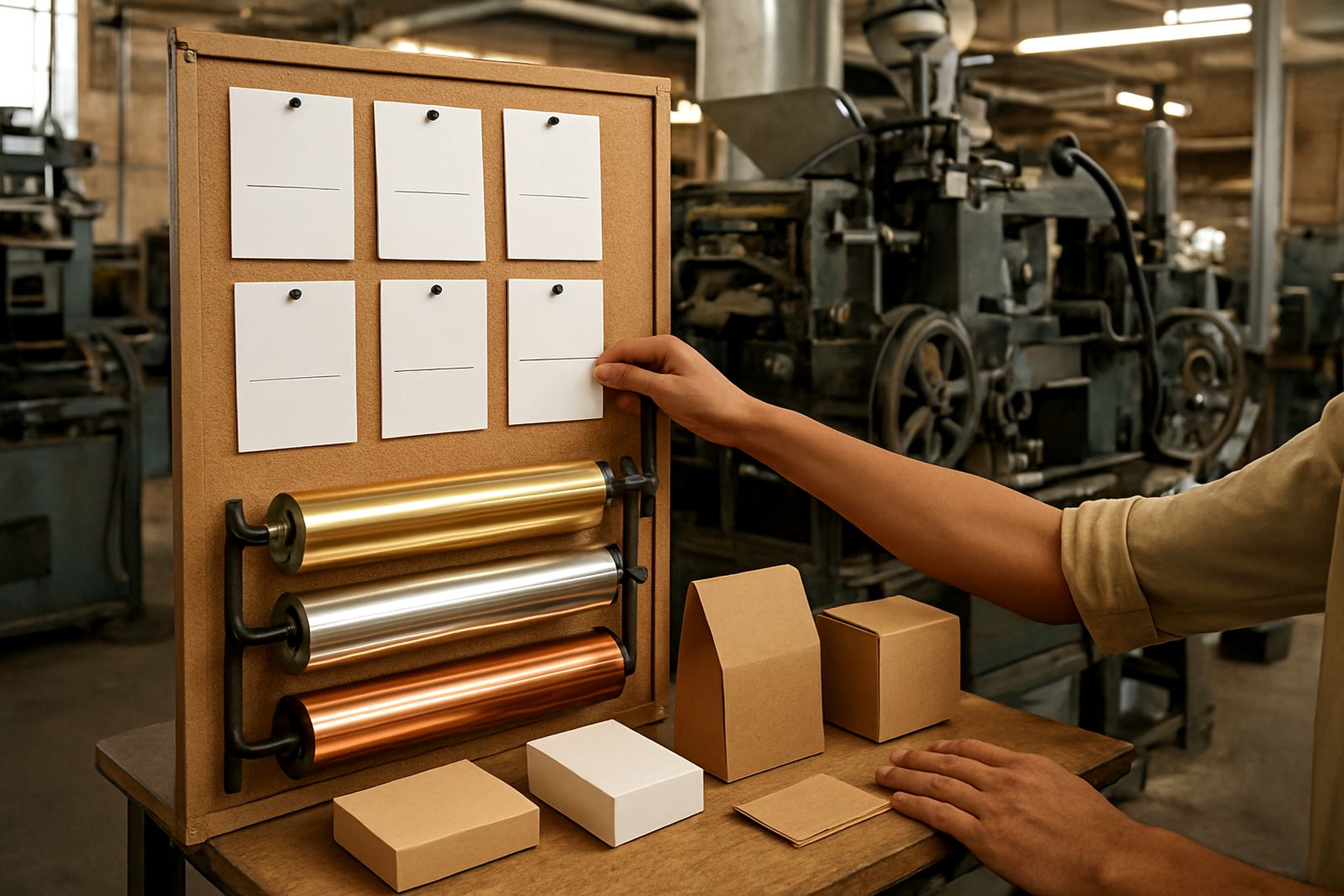
- Store foil rolls flat and away from direct heat and sunlight
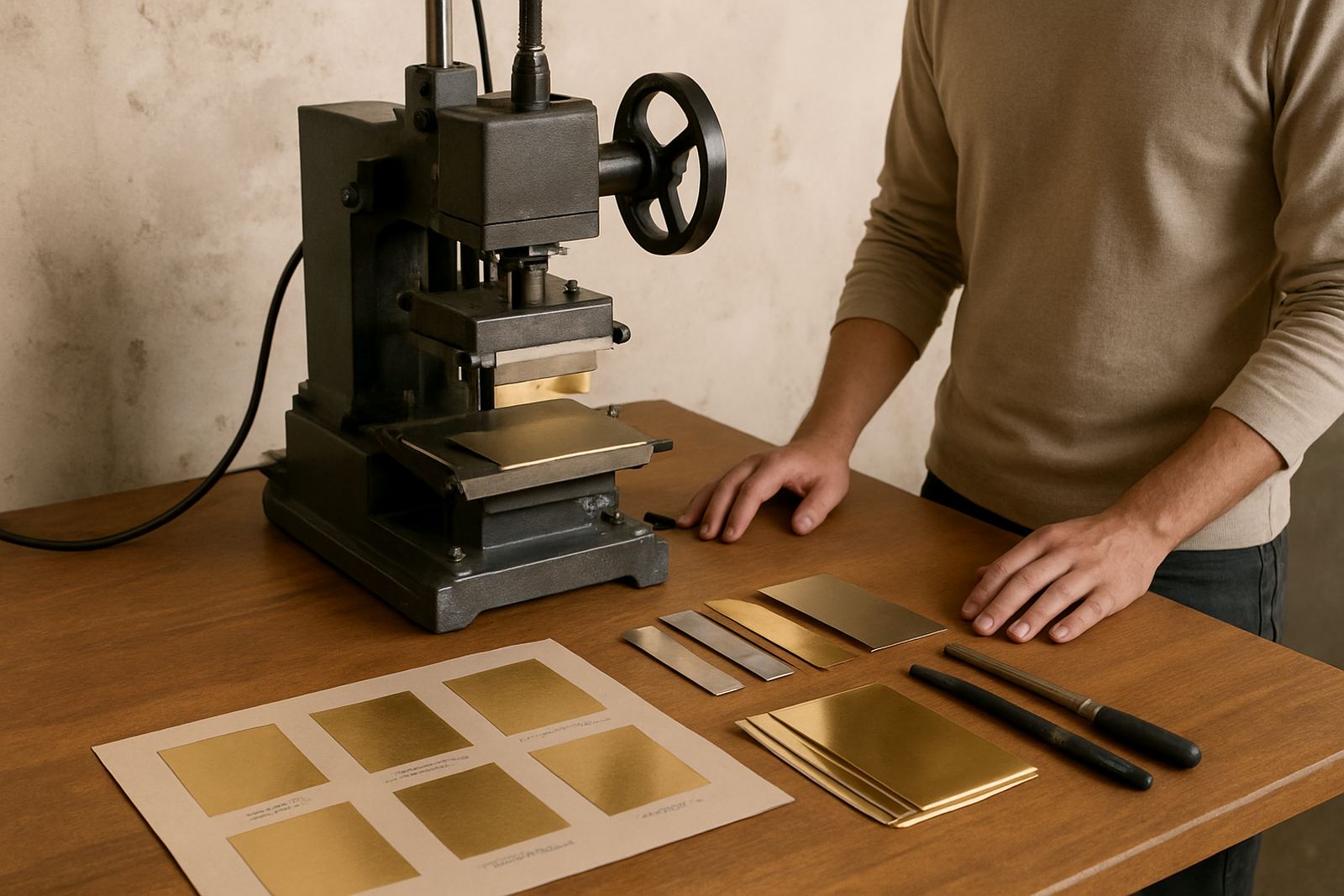
- Pre-check die plates, mounting tools and alignment marks
- Allow time for temperature recovery after long pauses or power interruptions
Sequence jobs to reduce changeovers
The best sequence is the one that cuts down repeated adjustments. Start with jobs that share the same foil colour, then move to similar board thickness and comparable die pressure. This reduces setup time and helps the operator hold a steady rhythm. If you jump from small cards to deep packaging panels to textured board, you will spend more time resetting than pressing.
In a busy workshop, changeovers cost more than most teams realise. Every new die mount means a new alignment check, fresh pressure setting and usually a few test impressions. Plan those changes around natural breaks, such as tea time or a shift handover, instead of placing them in the middle of a high volume run. The result is fewer start-stop delays and less waste at the beginning of each job.
- Run the highest volume job when the machine is warm and the team is settled
- Place similar die sizes together to shorten mount and test time
- Avoid frequent foil colour changes unless the quantity justifies it
- Build in a short clean-down slot between jobs that use heavy coverage
Set throughput numbers you can actually achieve
Many production plans fail because the output target is too optimistic. Foil stamping is affected by substrate, image coverage, operator skill, heat stability and the condition of the die. A small card job with clean artwork may run fast, while a large packaging job with solid coverage and fine detail will need more care and a slower pace. Use real past results rather than a guess.
Record how many good sheets you complete per hour after the setup waste is done. Keep separate figures for short-run personalised work, medium runs and longer repeat orders. Once you know your true output, it becomes easier to promise dispatch dates that your team can keep. This is especially useful for printers and packaging firms in Randburg, Midrand and Germiston where several jobs may be competing for the same shift time.
If you are quoting new work, build in a buffer for the first run on a new substrate or die type. The first job on a new setup almost always takes longer. That is normal and should be planned for, not treated as a surprise.
Use a practical pre run checklist
A short checklist keeps the press room calm. It also helps when different operators share the same machine across shifts. Before starting each job, check the die, the foil path, the heating settings, the pressure setting and the feed alignment. If any one of those is off, the run can drift and waste will rise quickly.
Keep the checklist near the machine and make it part of the handover. A written note helps when one operator leaves and another takes over after lunch or after a municipal power interruption. Small mistakes like a loose mount or a dirty plate surface are easy to miss when the team is under pressure.
- Die fitted and tightened correctly
- Foil roll loaded in the correct direction
- Temperature set for the substrate in use
- Pressure test done on sample sheets
- Registration marks checked and feed confirmed
- Waste sheets removed and finished stock counted
Review, adjust and plan the next run better
Good planning gets stronger when you review each job after completion. Note what caused delay, what caused waste and what helped the run stay on time. Maybe the foil width was too tight for the artwork, or the board needed more conditioning before press time. These small details matter because they affect every future order.
At FoilPress, production planning support is practical and hands-on. If a workshop in Johannesburg City West, Roodepoort, Sandton or nearby areas needs help with press installation, operator training, preventive servicing, heater calibration or pressure setup, the right support makes daily planning easier. Better machine condition means fewer interruptions and more reliable output. That helps the team plan with confidence instead of guessing.
Over time, a simple record of job times, settings and issues becomes one of the most useful tools in the shop. It shows what your press can really do, not what someone hopes it can do. That is how you build realistic schedules and keep clients informed properly.