

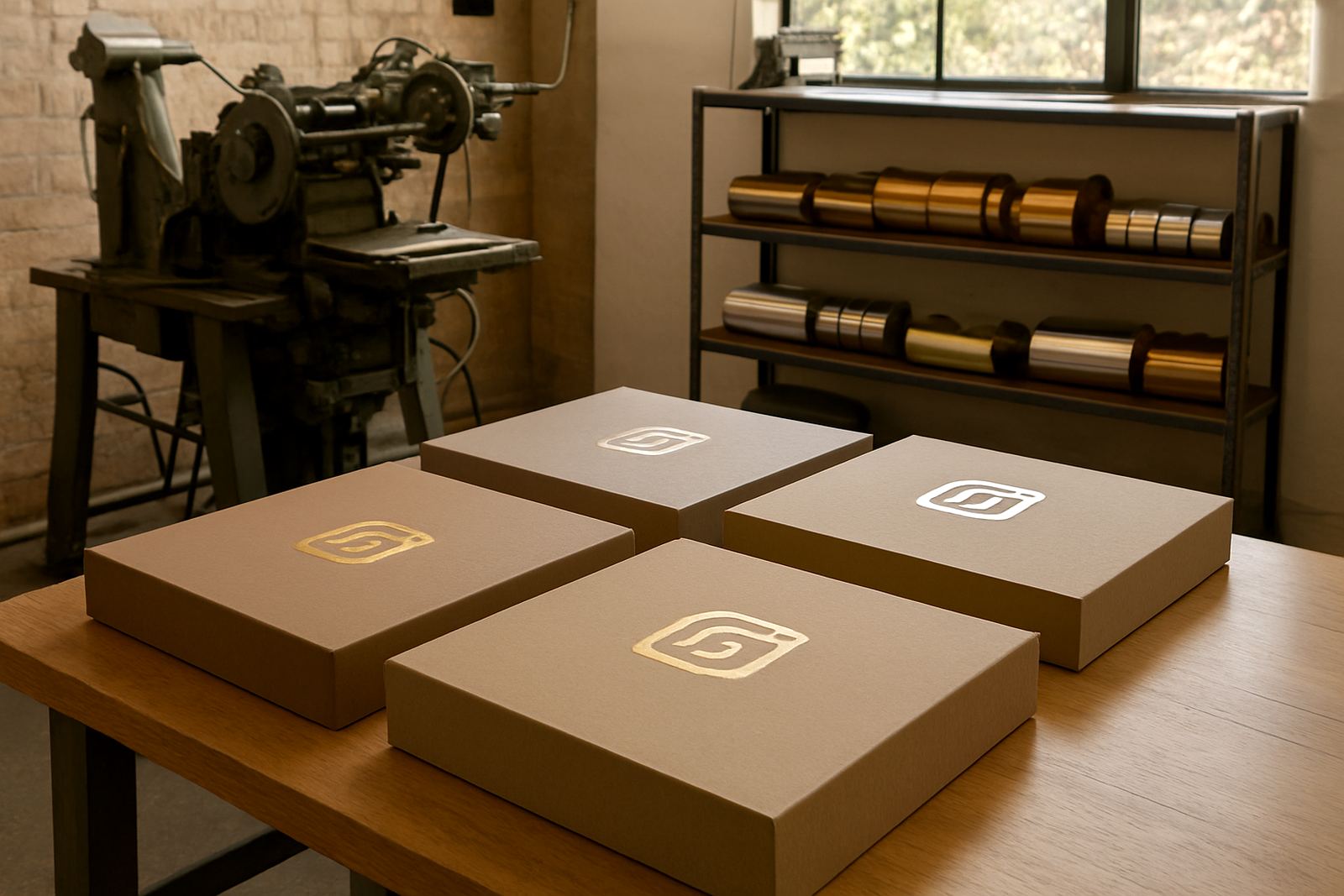
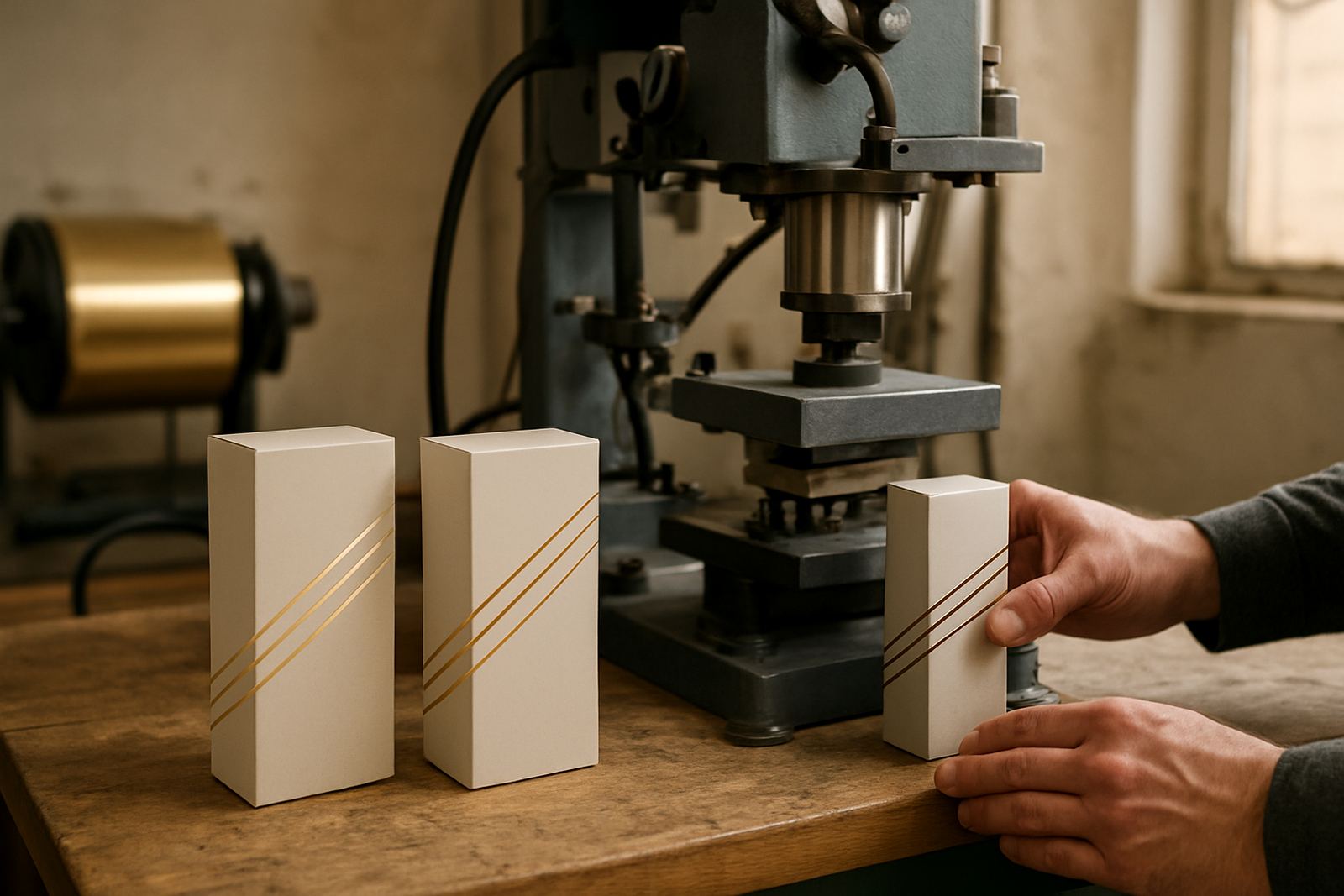
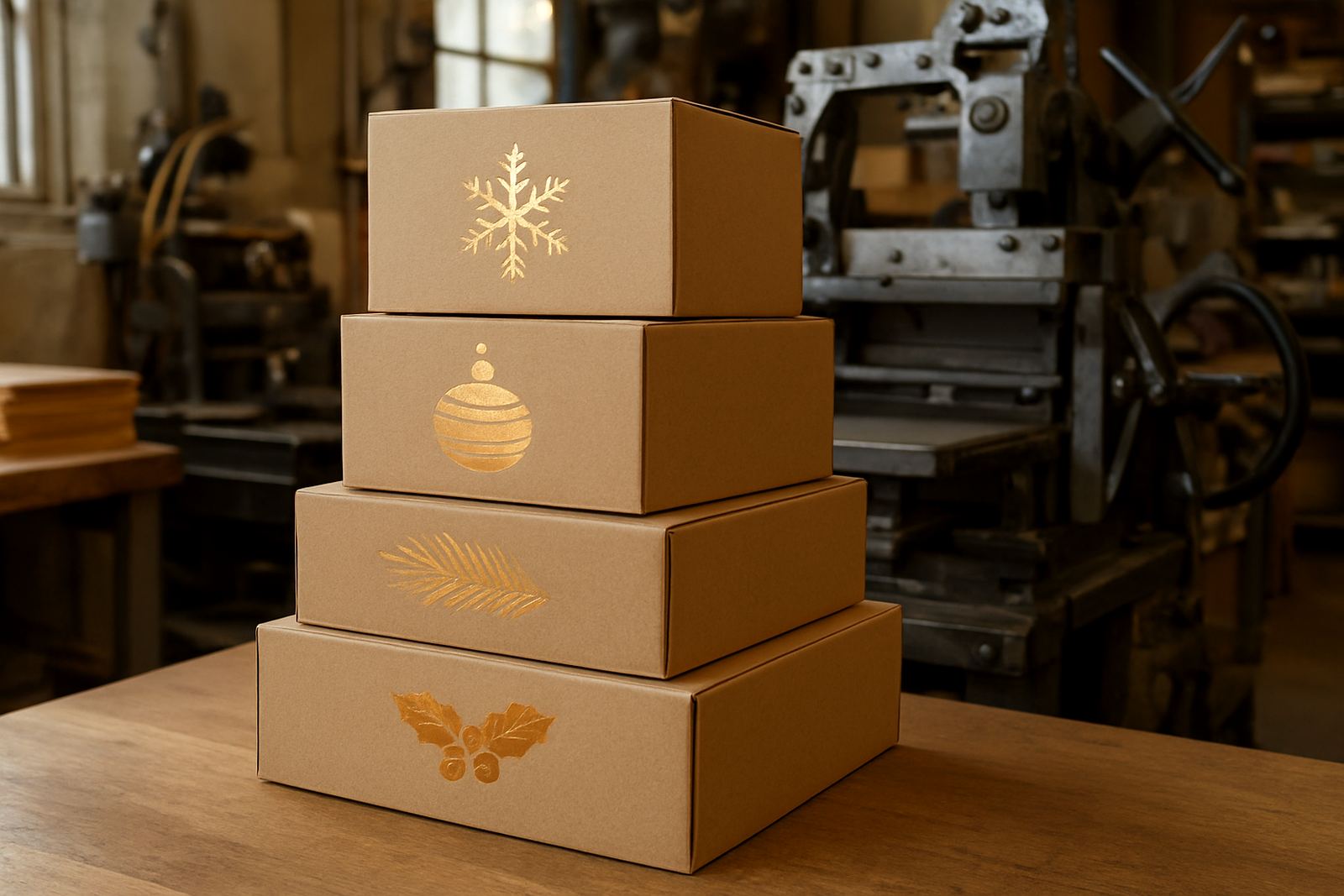
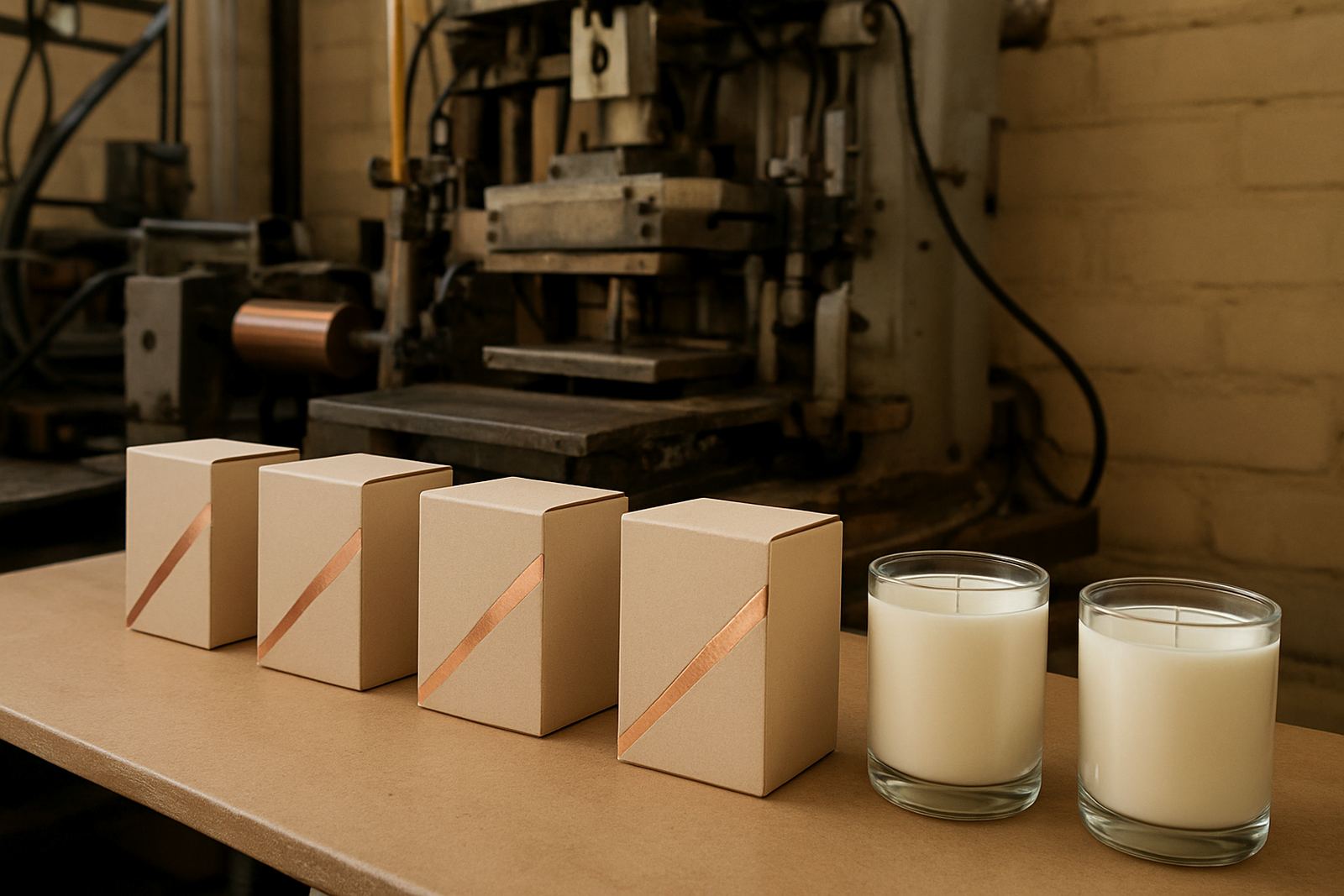
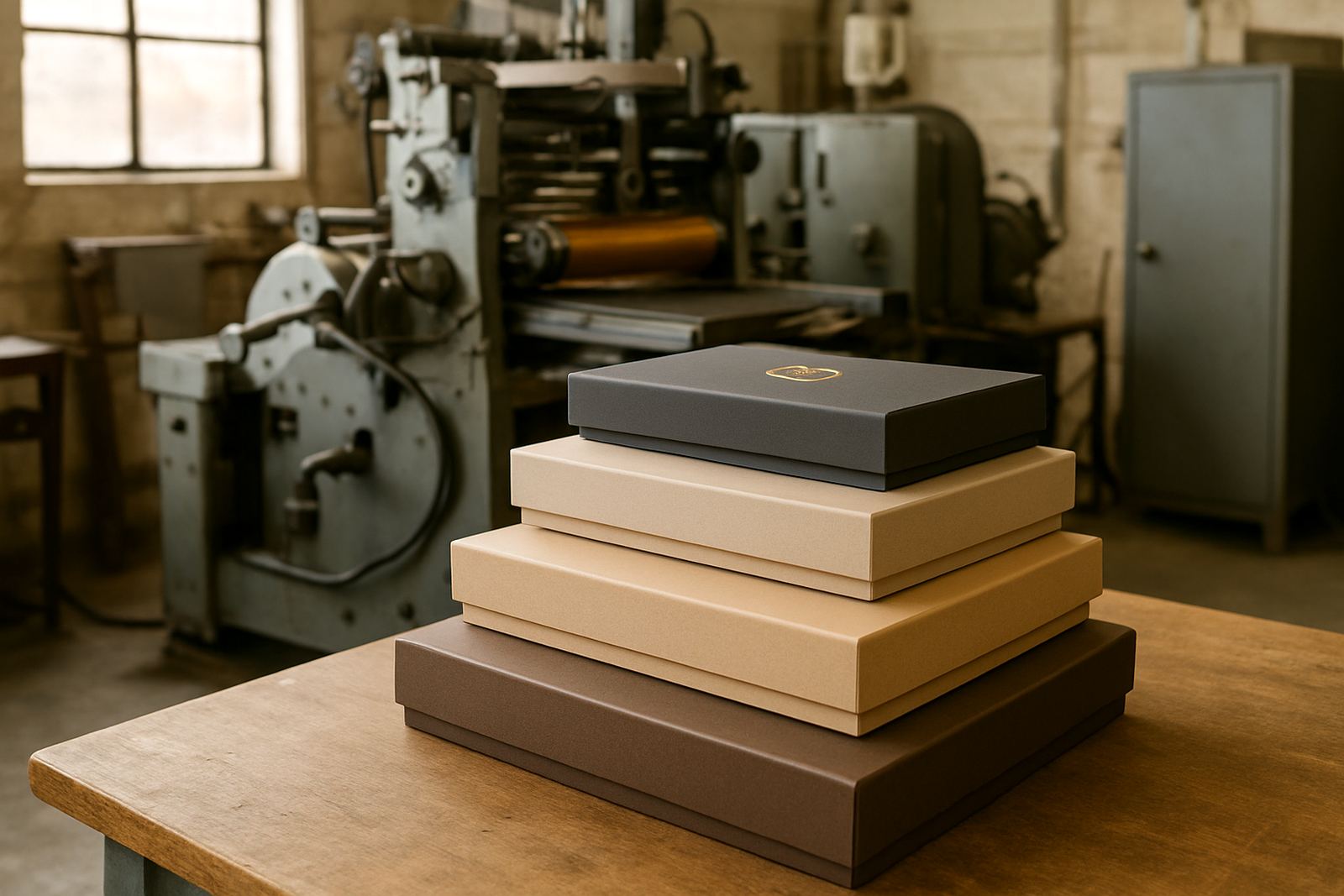
What these completed foil jobs show
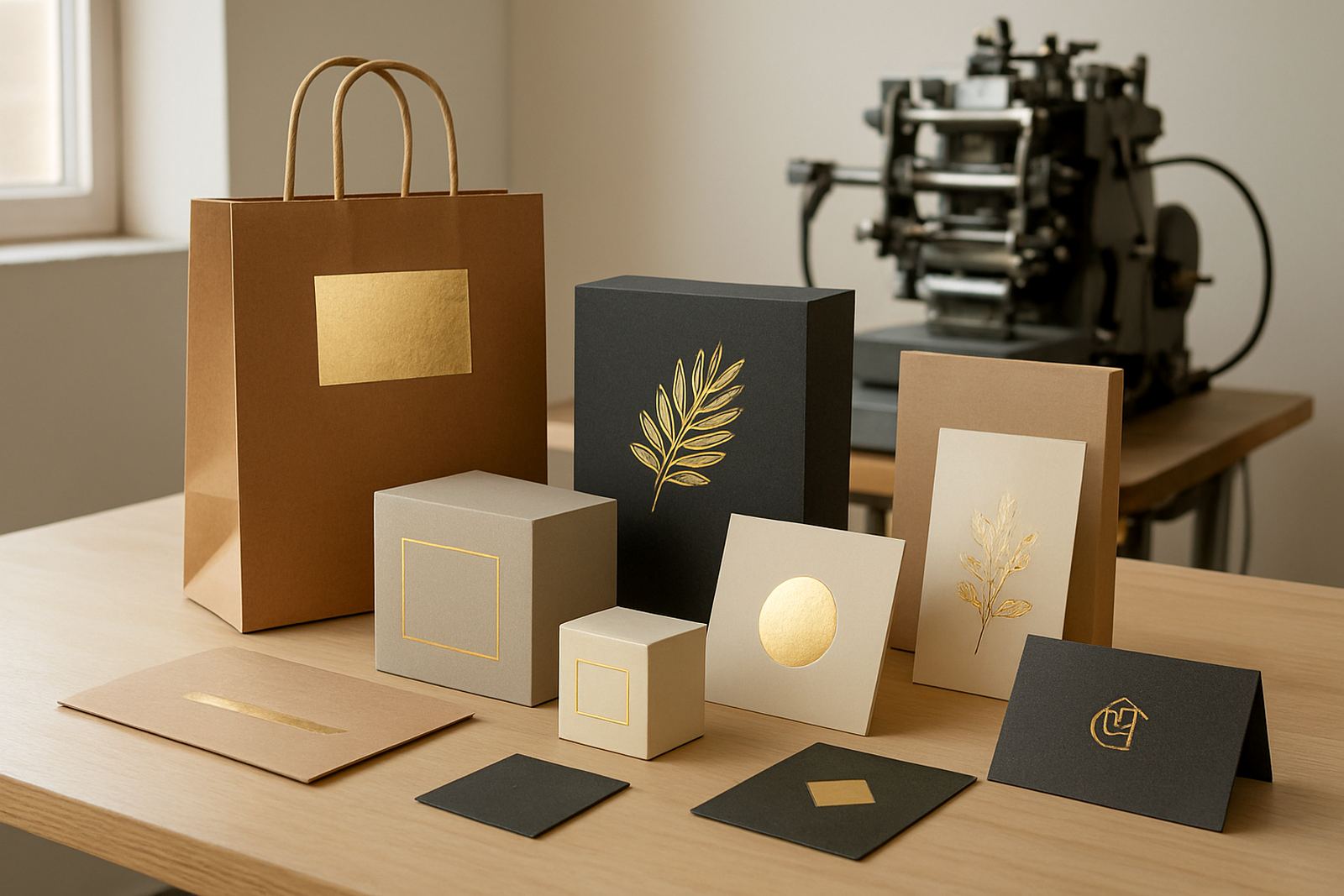
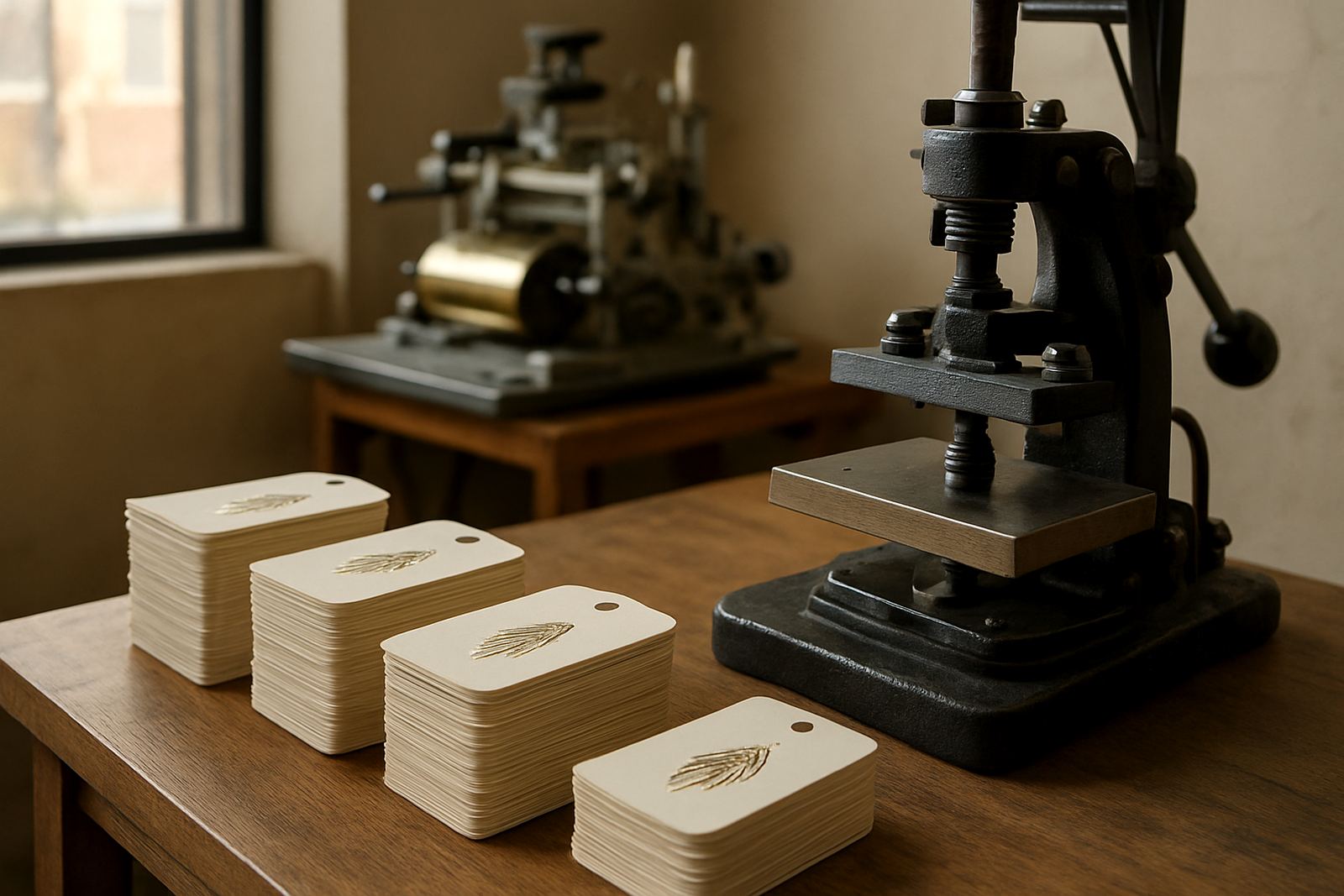
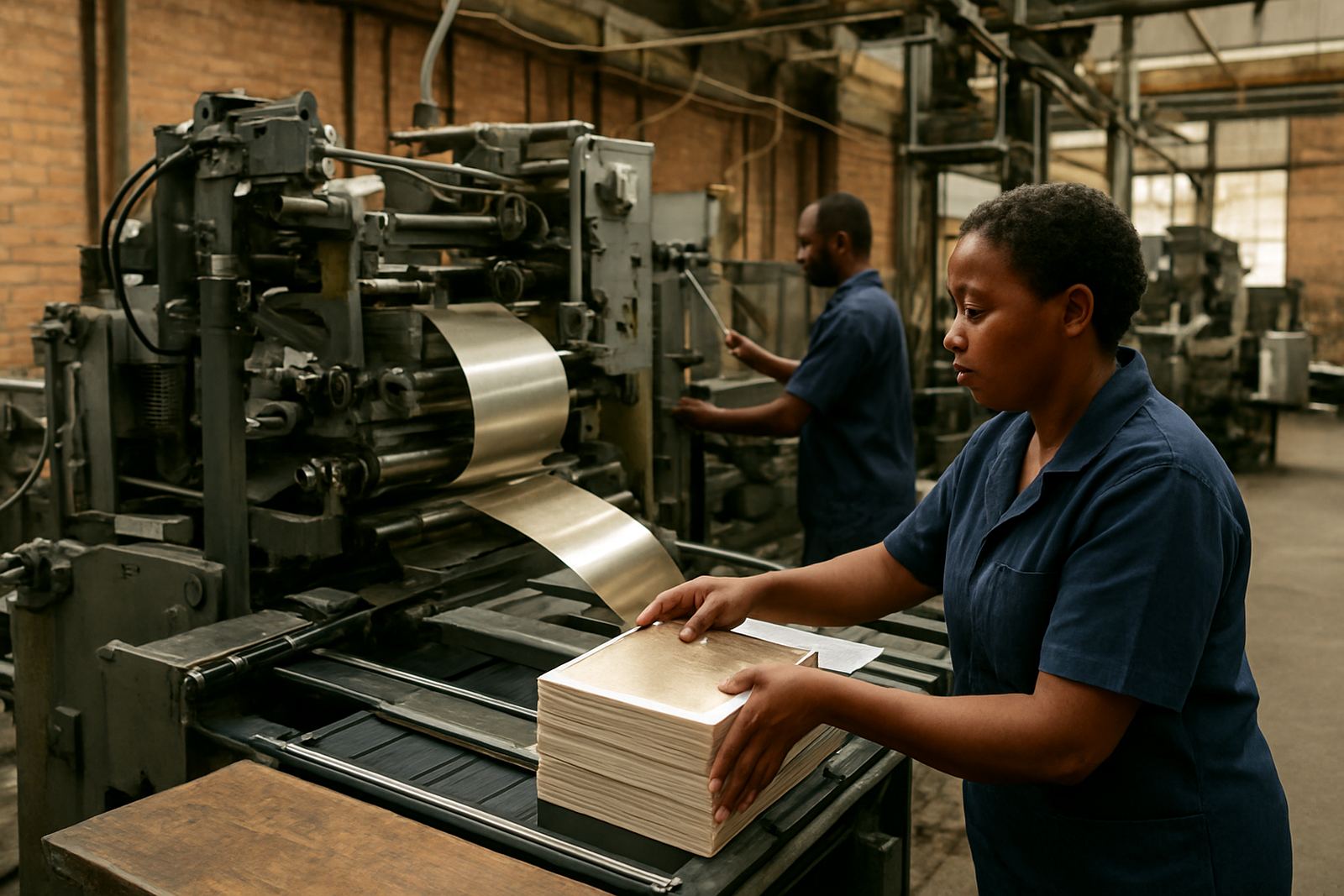
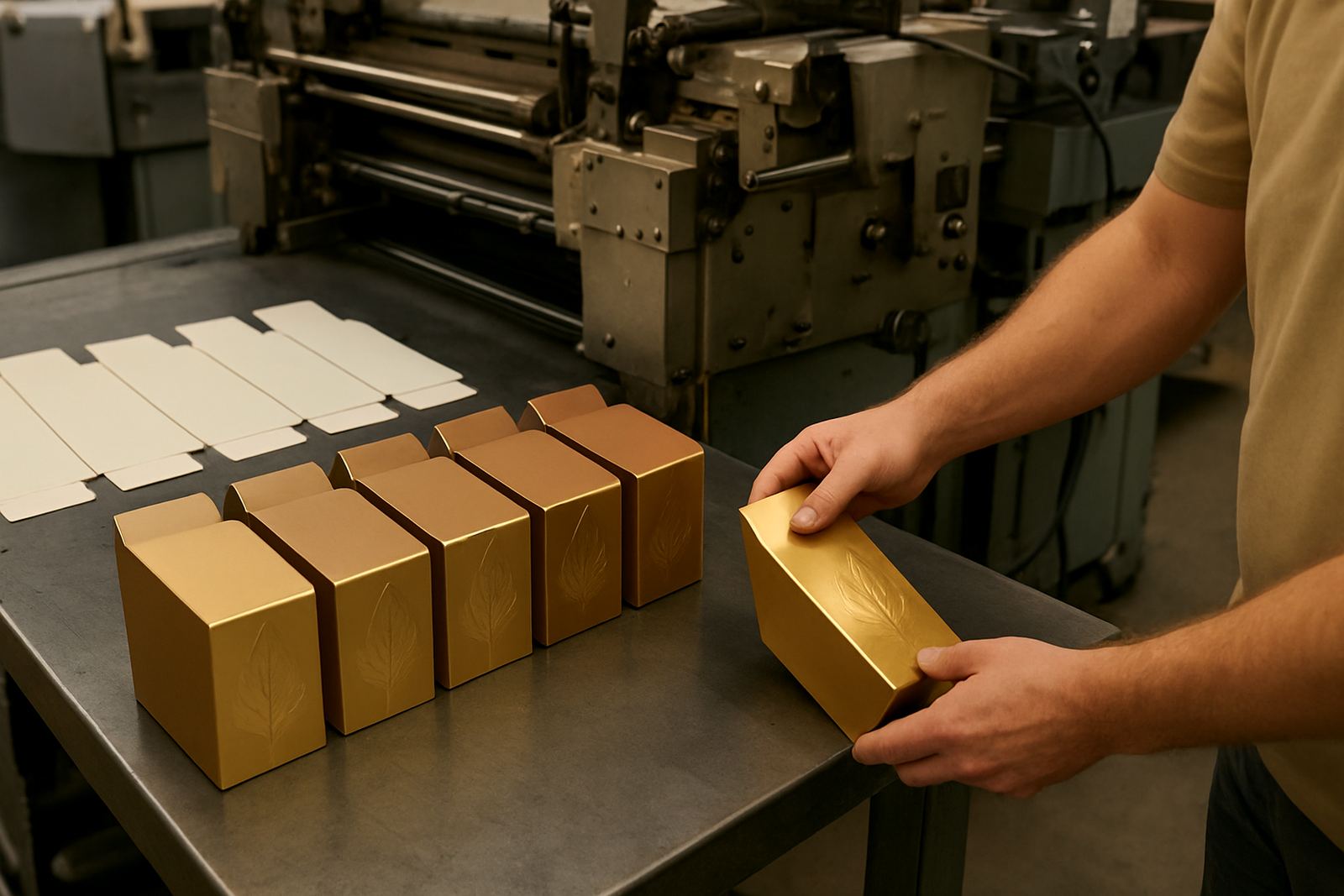
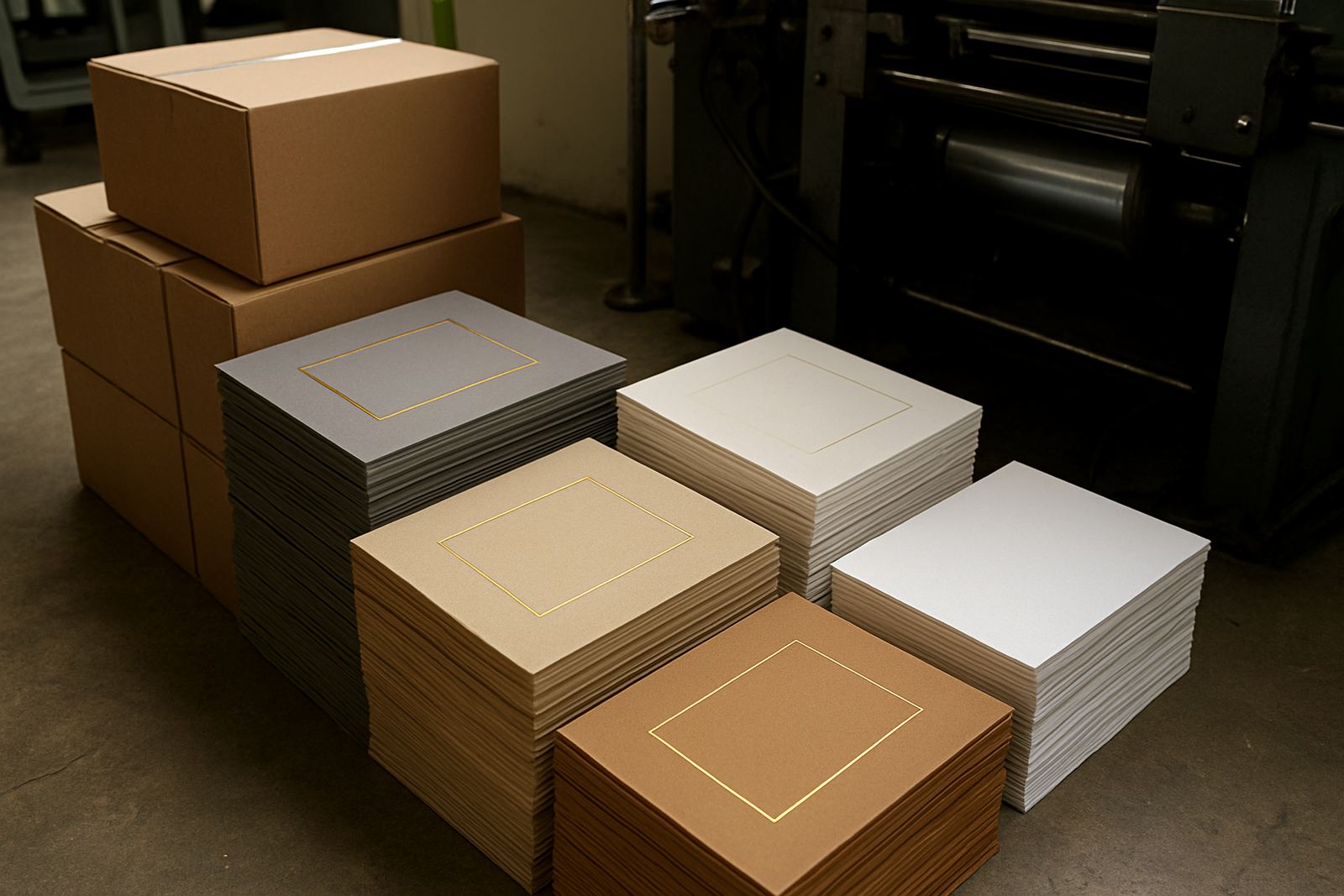
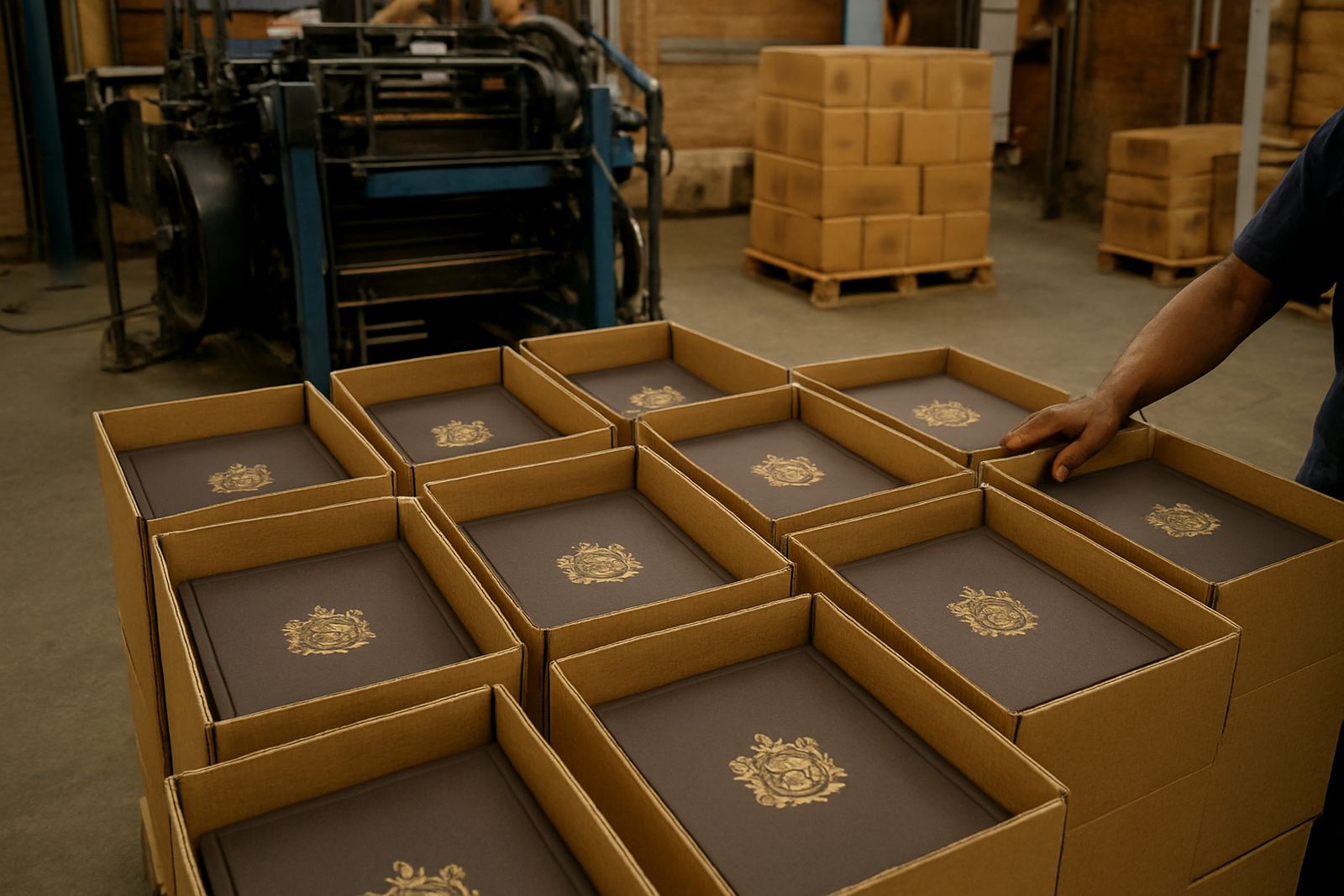
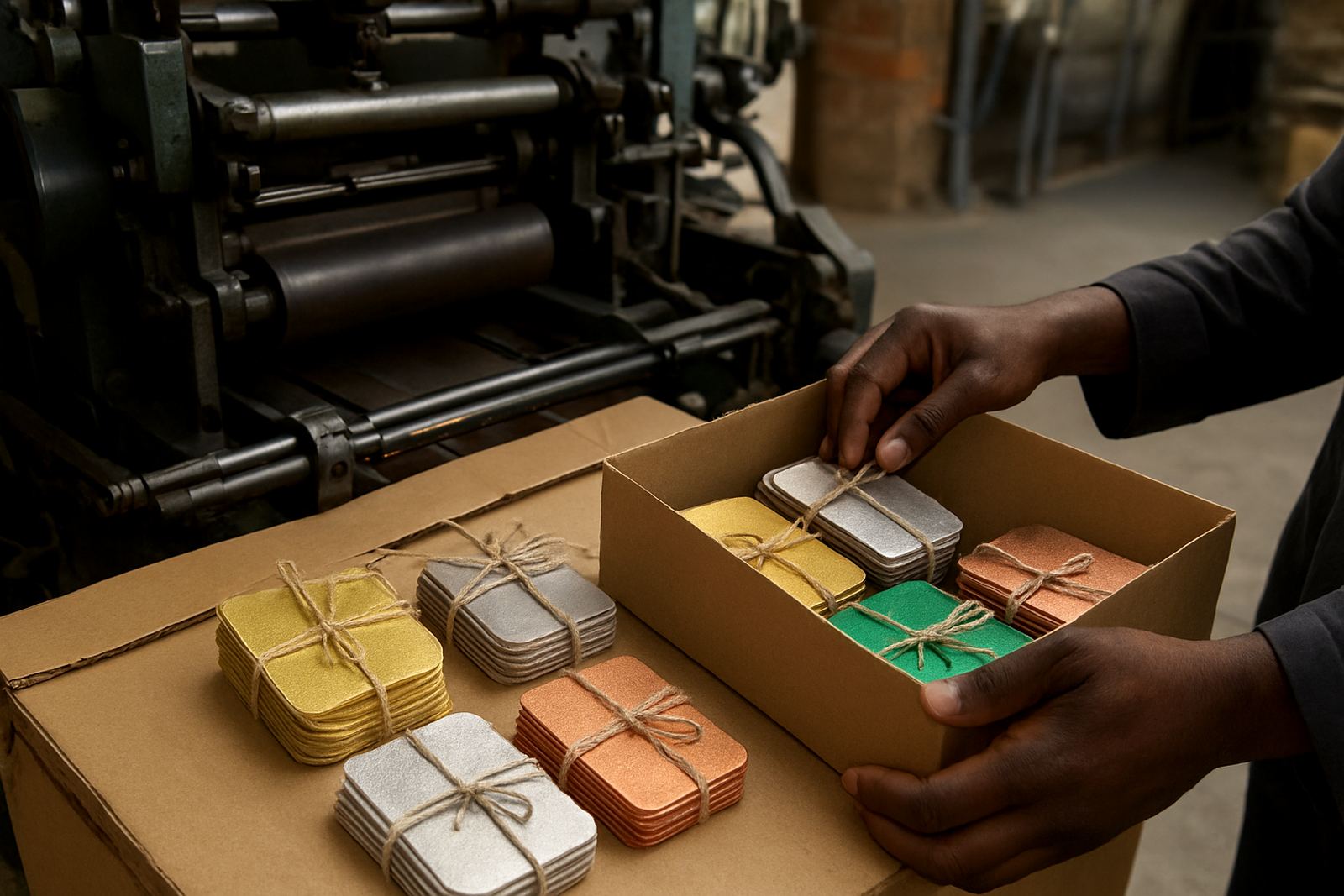
The examples below cover common South African production needs, not just one type of product. You will see work on greeting cards, carton sleeves, presentation packs, labels and short-run promotional items, all using different foil colours, paper weights and press settings. That matters because the right result depends on the substrate, the artwork detail and how much volume you need to push through in a day.
For a Johannesburg workshop, the practical question is usually not just what looks good, but what will register properly and keep running when the power is unstable or the humidity shifts. A clean foil finish comes from correct heat, pressure and timing, so the same machine can be set up differently for fine text on 300 gsm board or bold branding on coated packaging.
How to read the job examples before you place an order
When you compare a completed job to your own product, look at more than the colour of the foil. Check the board thickness, whether the surface is coated or uncoated, how detailed the die is, and whether the finish sits flat on the piece or needs to cross folds and edges. That will tell you a lot about the likely setup time and the best production pace.
- For fine lettering, ask about die detail and press temperature control.
- For packaging, check whether the board accepts foil without cracking.
- For repeat runs, ask about consistent pressure setup and file repeatability.
- For short craft batches, look at setup speed and waste control.
Card jobs with crisp detail and cleaner edges
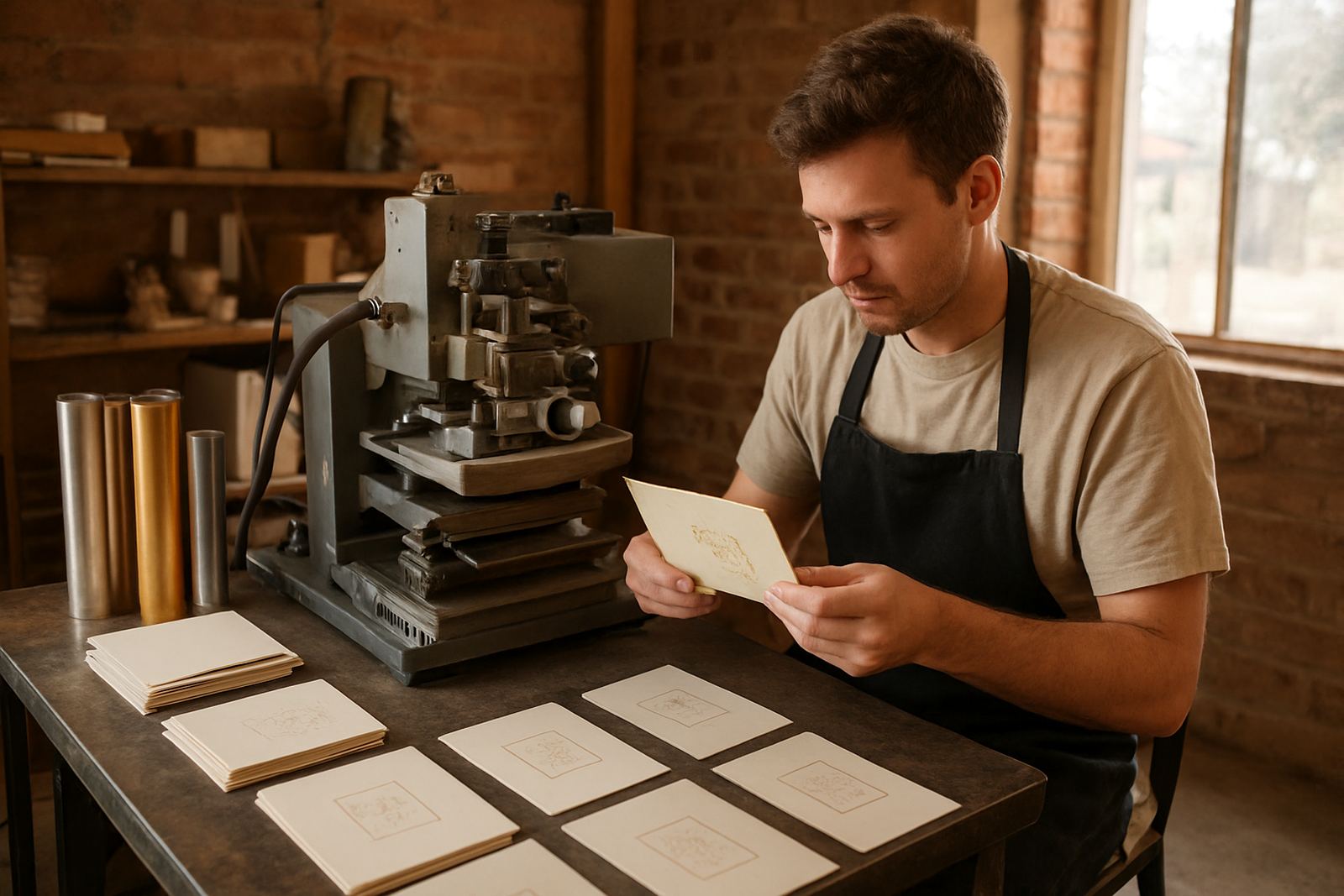
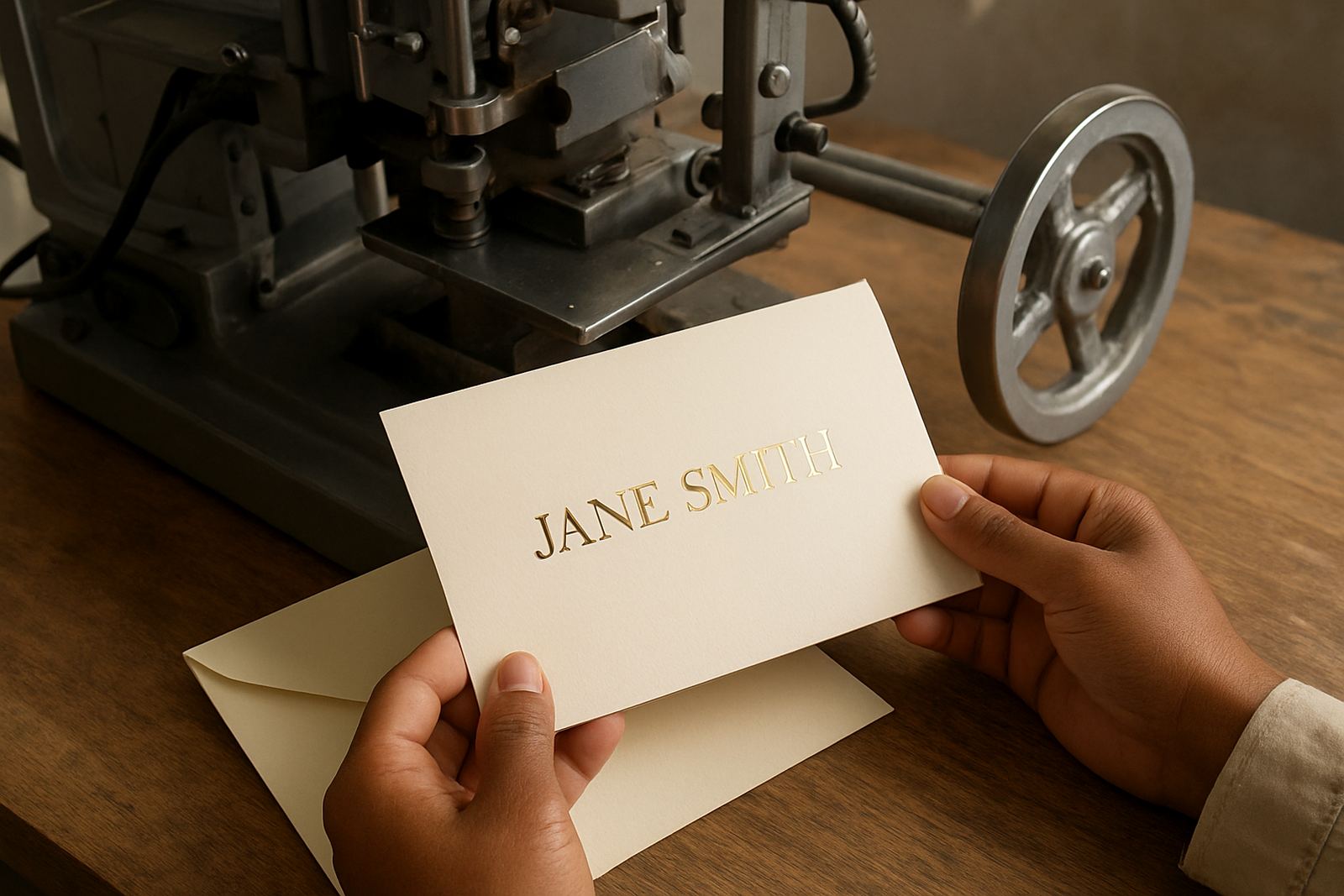
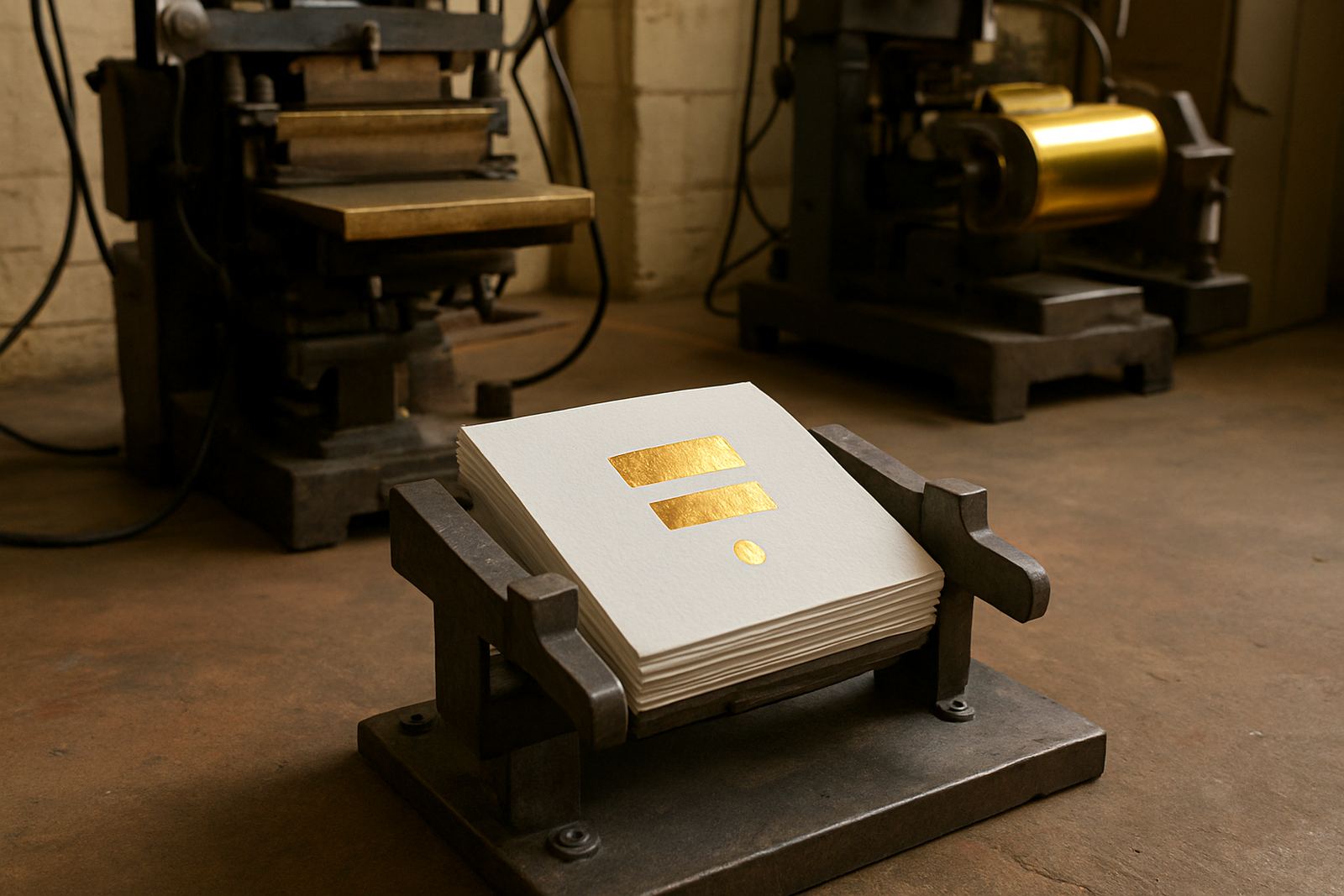
Card work is often where foil shows its precision best. Wedding invitations, branded greeting cards, certificate folders and luxury inserts need sharp edges and even shine, especially on small text or decorative borders. In these jobs the main challenge is keeping the foil evenly transferred without flattening the board or leaving marks around the image area.
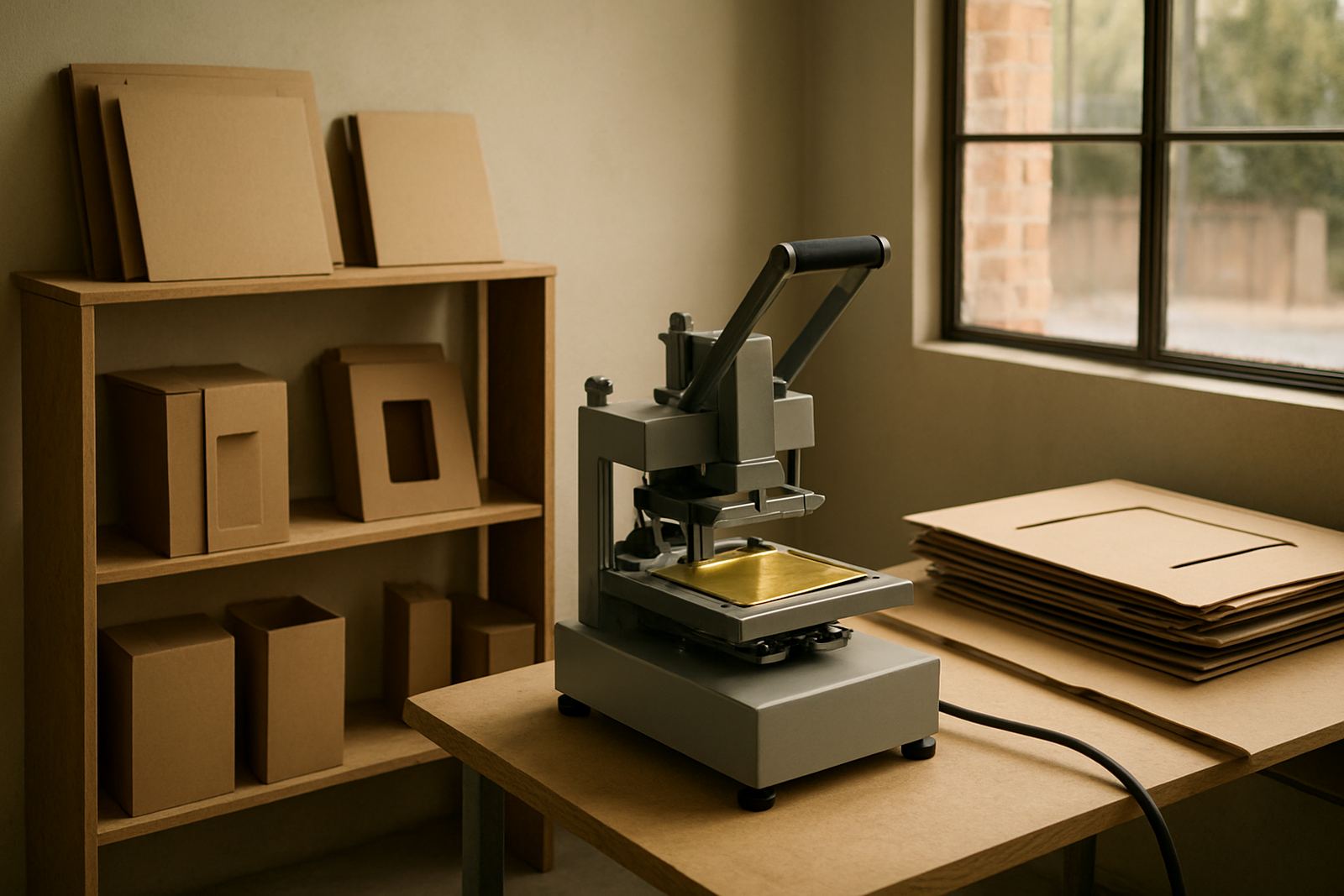
FoilPress supports this kind of work with press installation, die mounting and operator training, so a small studio in Randburg or Roodepoort can get repeatable results without wasting stock. The correct foil match also makes a difference on textured paper and lighter boards.
Packaging runs that need pressure control and repeat consistency
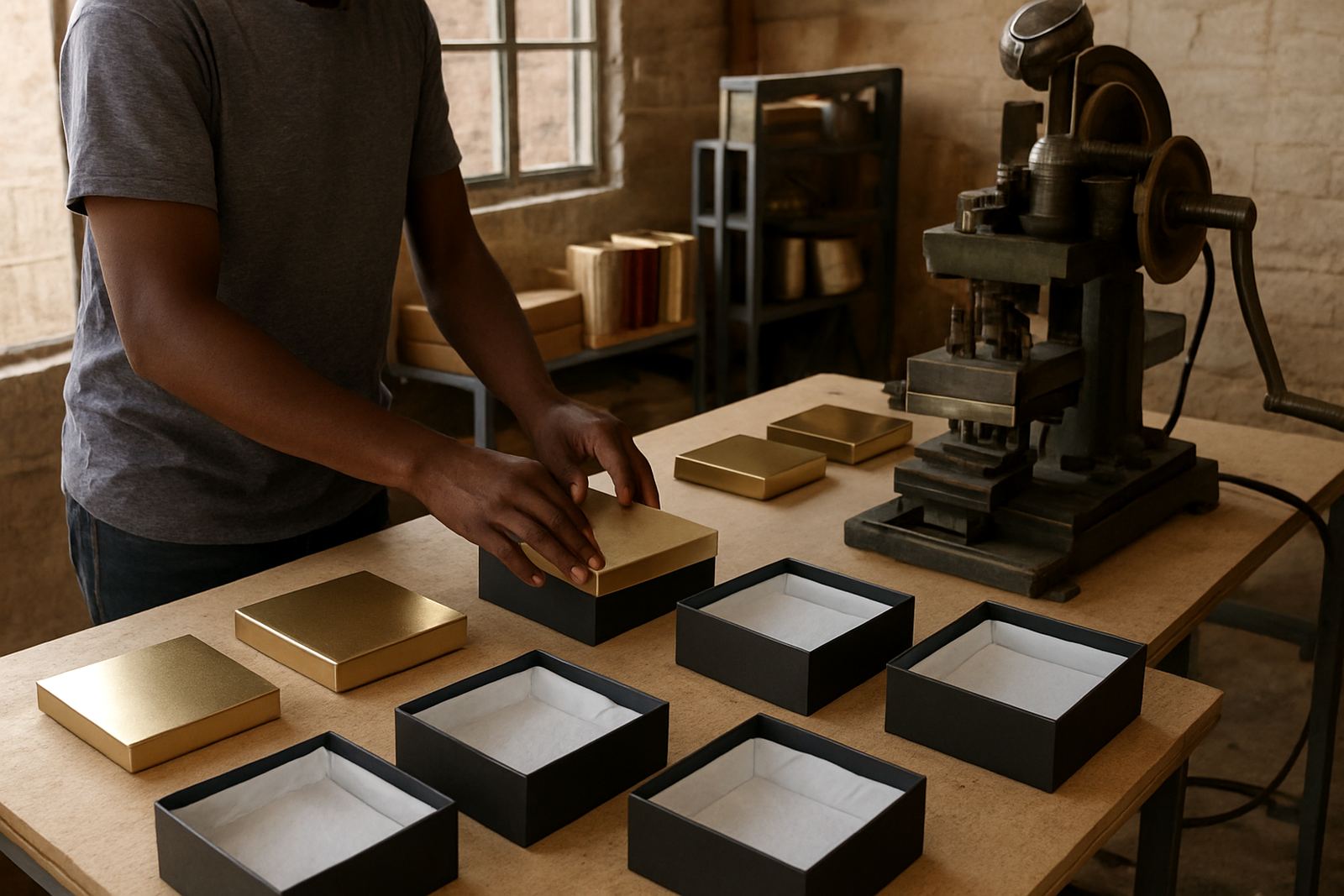
Packaging jobs usually bring tighter tolerances. Carton lids, cartons sleeves, cosmetic boxes and premium retail packs often need foil placed close to folds or cut lines, and that leaves very little room for error. If the pressure is too high the board can bruise, but if it is too low the foil lifts at the edges.
- Short runs benefit from quick changeovers and accurate heater calibration.
- Longer runs need steady temperature across the full shift.
- Heavy board often needs a different die mount and pressure setup to coated paper.
- Work near the coast may need extra attention because humidity can affect stock handling.
Where foil jobs often succeed or fail
The strongest results usually come from good prep before the first sheet goes in. That means clean dies, correct foil choice, proper substrate storage and a press that has been checked before production starts. A job can look simple on screen and still fail on press if the artwork is too fine, the board is too soft, or the heater setting drifts during load-shedding and restart.
FoilPress helps clients across Industria West, Midrand, Sandton and Germiston with preventive servicing, breakdown repairs and production optimisation, so the machine stays ready for actual work not just test pieces. That practical support matters when a same-week order needs to leave the workshop on time.
What to ask for when you want a similar finish
If a finished sample catches your eye, use it as a starting point and ask for the production details behind it. The more specific your brief, the faster the right setup can be matched to your job. A good supplier will want the stock type, approximate quantity, artwork size and any finishing limits before recommending a press setting or foil type.
- Tell us the board weight or carton material.
- Share the size of the foil area and whether it sits on a flat or folded section.
- State your quantity so the setup suits short runs or longer production.
- Ask for guidance on matching foil colour to your print and packaging style.
From our base in Industria West, Johannesburg, we support presses and foils nationwide, with direct help from Sibusiso Mthembu and the team for training, spares and service. If you are comparing finish options, these recent jobs are a useful way to see what is realistic before your order goes to press.