Germiston sleeve run with a strict finishing brief
The client, a packaging converter in Germiston, was handling a sleeve order for folding cartons that had to look sharp on shelf and hold up through packing, handling and distribution. The brief was clear: consistent foil coverage, straight registration across the full run, and a finish that stayed in spec from the first sheet to the last.
The sleeves were being produced for a branded pack format with several panel areas, so the finishing stage had to suit repeat work without slowing the line. The customer needed a practical setup for high volumes, because the order was bigger than a short-run craft job but still needed fine detail on every piece.
- Location: Germiston, Gauteng
- Client type: packaging converter
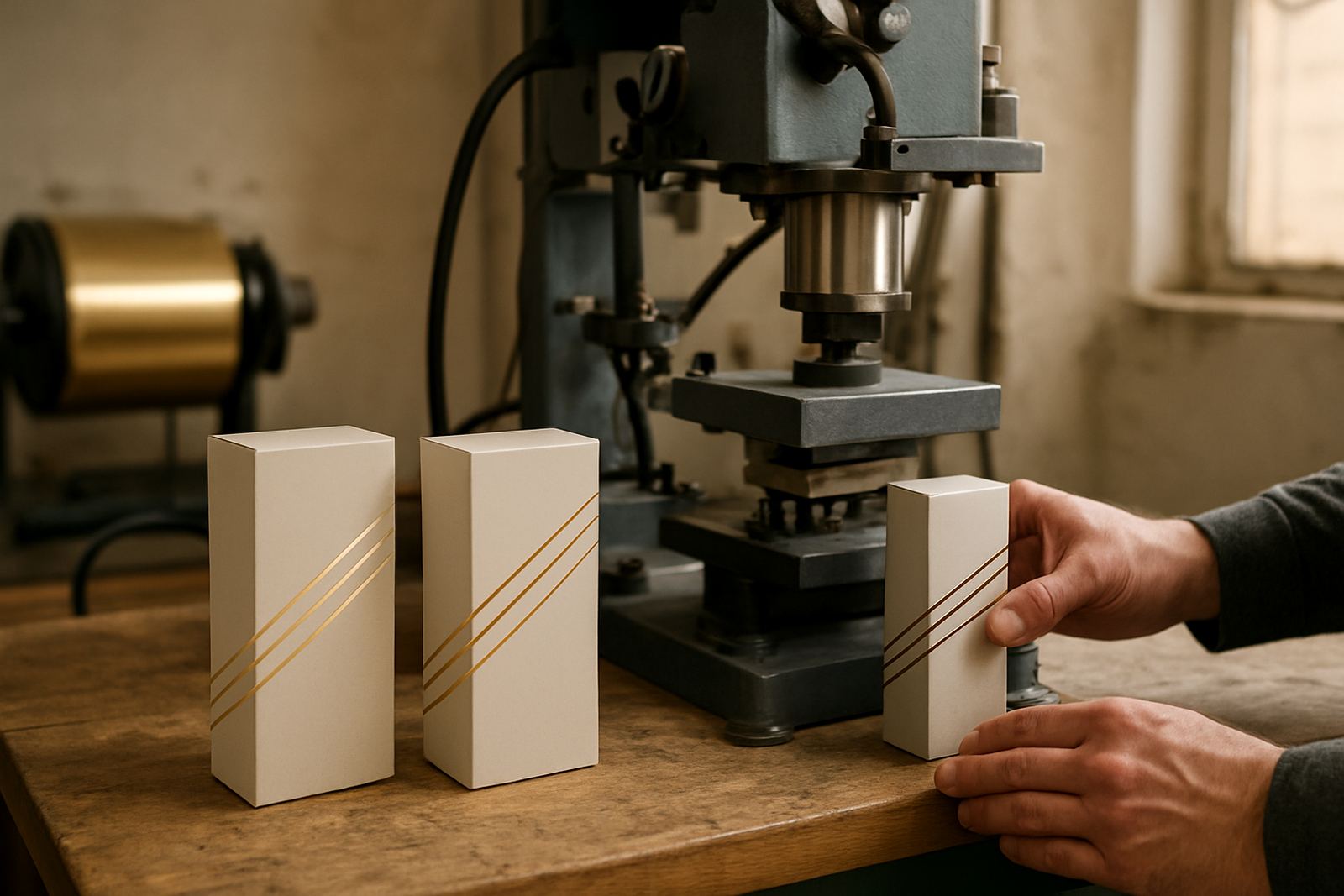
- Product type: printed sleeves for carton packaging
- Finish requirement: sharp foil detail with repeatable registration
Why the slide-table press was the right fit
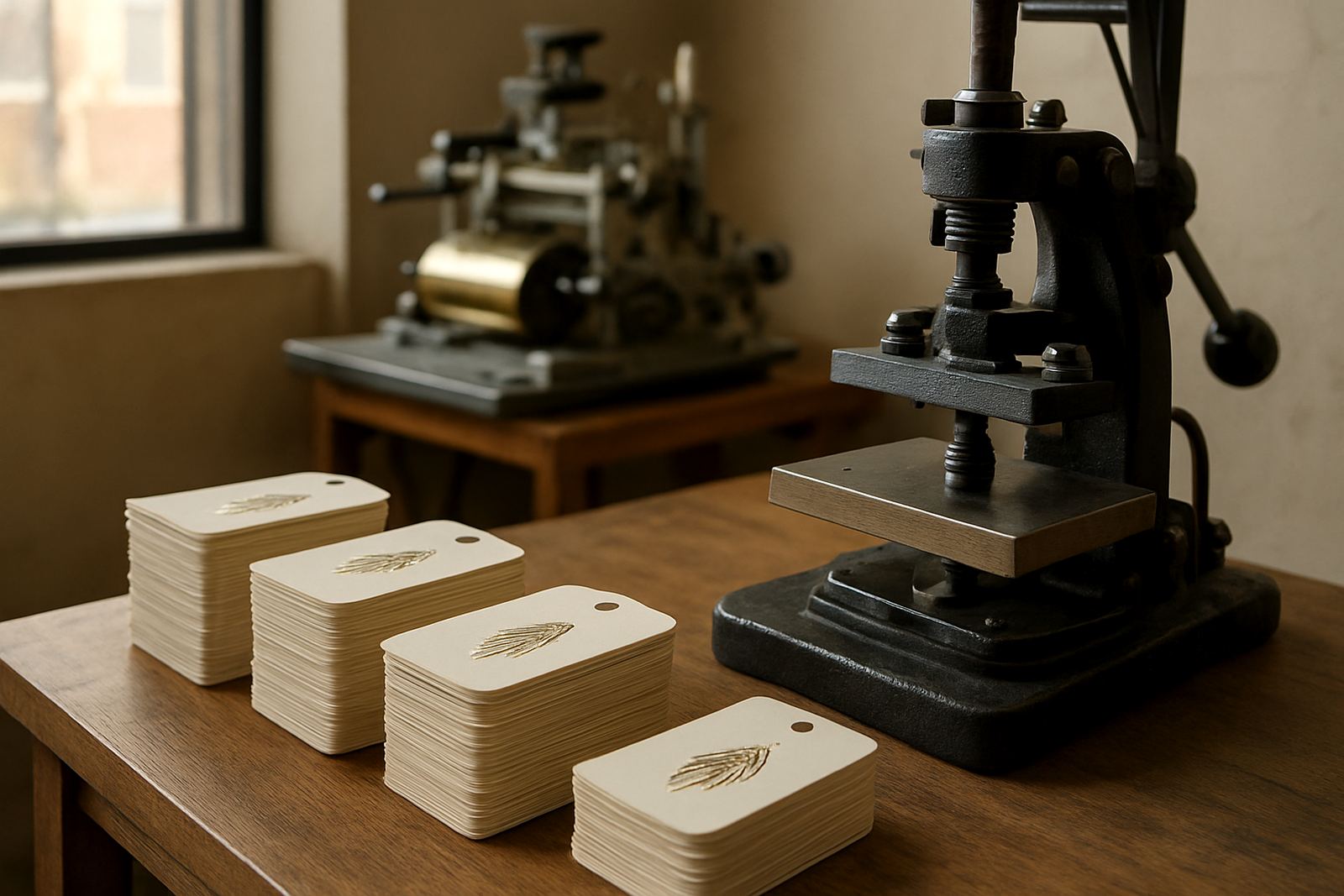
For this job we worked with a slide-table press setup because it gives good control when the same panel or foil area has to be repeated over and over. The table movement makes it easier to position each sleeve accurately, which helps on longer runs where operator strain and small placement errors can build up.
This mattered in Germiston because the client was pushing volume while also managing normal production interruptions, including shifts, machine handovers and load-shedding planning. They needed a method that would not drift after a few hundred sheets, and they wanted a finish that would still look even on packs with light surface variation. The stock was also sensitive to heat, so set-up had to be steady and not overcook the image.
- Press type: slide-table hot-foil press
- Suitable for repeatable panel work and sleeve formats
- Helpful where operator fatigue can affect placement
- Better control on long production runs
What we supplied and set up on site
FoilPress supplied the press support needed to get the machine working to the job spec, then we handled the pressure setup, heater calibration and die mounting on site. We also checked foil matching against the printed substrate so the client would not waste material chasing a colour or finish that sat too far off the print tone.
The workshop team worked through the mechanical set-up and then confirmed the transfer across the full image area. Where the run needed consistency on narrow panels, we fine-tuned pressure and dwell time to keep the edges crisp. That saved rework and reduced spoilage, which is important when a converter is already dealing with tight margins and a packed schedule.
- Die mounting and alignment
- Heater calibration for stable transfer temperatures
- Pressure setup for even foil laydown
- Foil matching for the required visual finish
- Operator handover so the line could keep moving after we left
Three-week turnaround from setup to steady output
The full support job ran over three weeks. In week one we assessed the machine, reviewed the sleeve spec and confirmed the press settings needed for the substrate and foil combination. In week two we completed the physical setup, tested repeat registration and made the first production adjustments with the client team. In week three we checked production output, cleaned up the setup notes and stayed available for questions while the run was being completed.
The time frame was important because the client had a dispatch date that could not move. They needed a supplier who could work with their production rhythm, not against it. Our approach was to keep changes practical, avoid unnecessary downtime, and make sure the press could be handed back with a clear operating routine. A lot of this work is about consistency more than drama, and that is what kept the order on track.
- Week 1: assessment and job review
- Week 2: installation support and test runs
- Week 3: production support and final adjustments
Results on the completed sleeve order
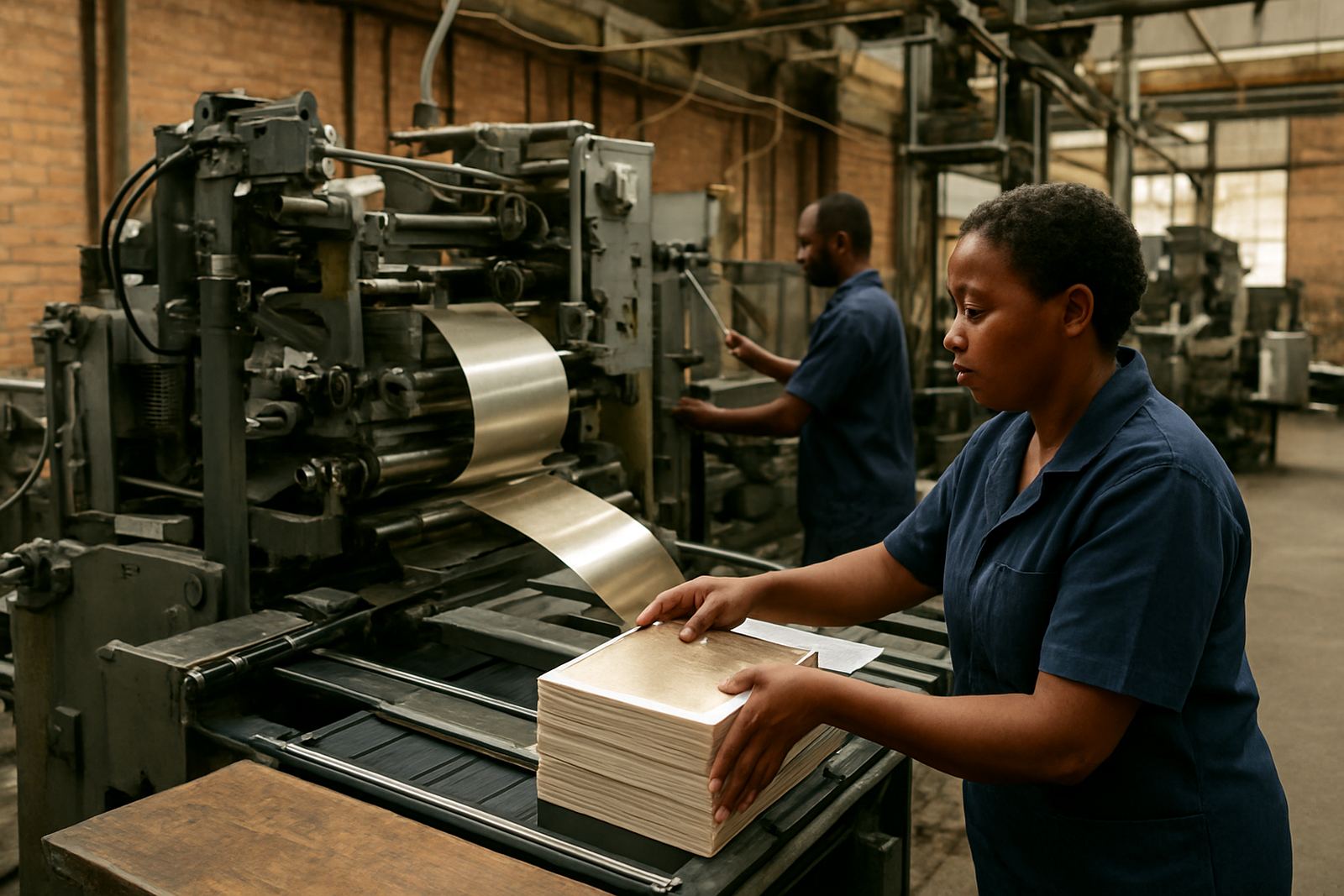
Once the press was dialled in, the converter was able to complete the sleeve order with steady output and a cleaner finish than they were getting before. Registration held across the run, foil coverage stayed even, and the client was able to keep the finishing line moving without stopping every few minutes to reset. That made a real difference on a job where volume was the main pressure.
The client also reported less waste on spoiled sleeves, because the machine settings were matched to the product rather than forced through a generic setup. On packaging work that sounds simple, but it saves money fast. It also reduced pressure on the operators, who could keep the run going with fewer checks and less back-and-forth to the workshop. The result was a neater output, better flow and a safer buffer for future orders.
- Cleaner foil detail across the full run
- Reduced spoilage from misalignment
- Better operator confidence during production
- Higher throughput on a high-volume order
What we would repeat on the next Germiston order
If we were doing the same kind of sleeve order again, we would start with the substrate sample earlier and lock in the pressure and heat settings before the main run begins. That saves time, especially when the order has a fixed dispatch date or the plant is running around municipal power interruptions. We would also keep a small record of the best foil and temperature combination so the next repeat job can start nearer the mark.
For Germiston converters, that kind of planning matters because production is often tied to warehouse space, transport bookings and customer collection times. A good setup is not only about the finish, it is also about keeping the whole factory schedule under control. Our support on this job showed that a practical press setup, clear operator handover and quick troubleshooting can make a big difference to a finishing line that has to earn its keep every day.
- Sample the substrate before the full run
- Keep a settings record for repeat orders
- Plan around power cuts and dispatch timing
- Leave the operator with clear restart steps
Key facts
| Project | Germiston Sleeve Order |
|---|---|
| Town | Germiston, Gauteng |
| Client type | Packaging converter |
| Press setup | Slide-table hot-foil press |
| Timeline | 3 weeks |
| Services | Press installation, die mounting, heater calibration, pressure setup, foil matching, production support |