













Home / Journal

Foil Journal

Our journal shares practical insight for buyers, operators and packaging teams. Topics cover machine choices, foil behaviour, production quality and business decisions around decorative finishing.

Foil Journal
What Is Hot Foil

What Is Hot Foil

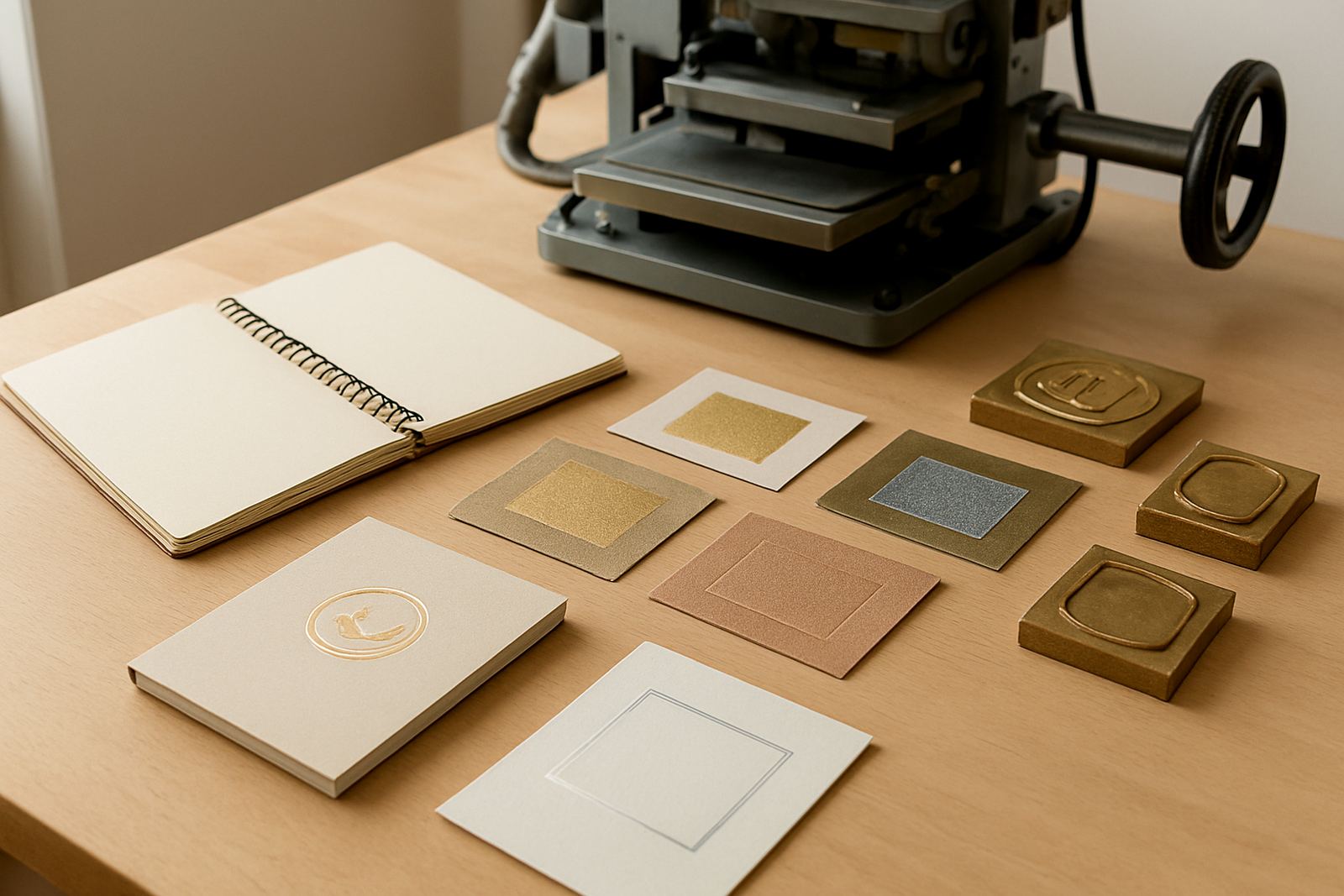
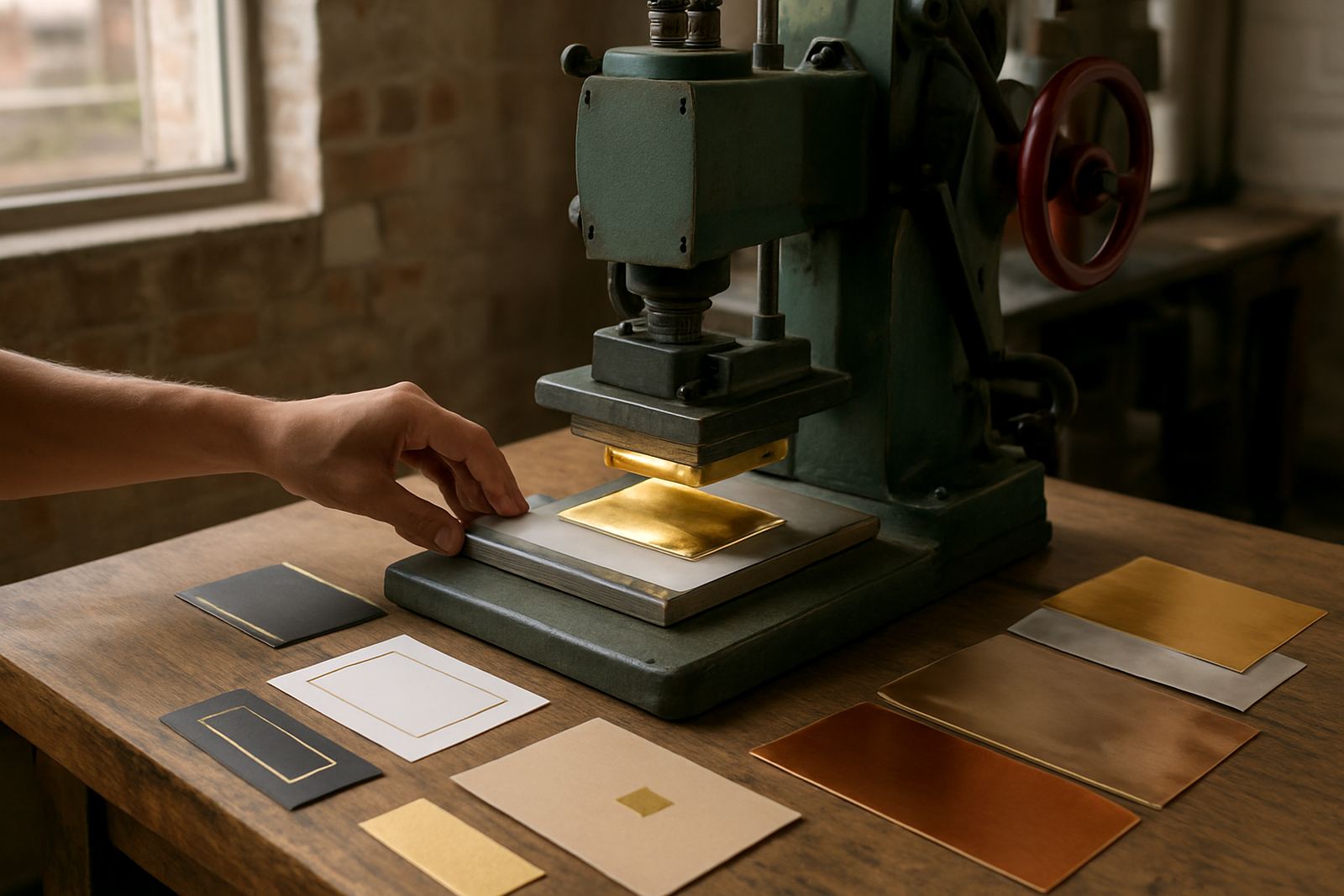
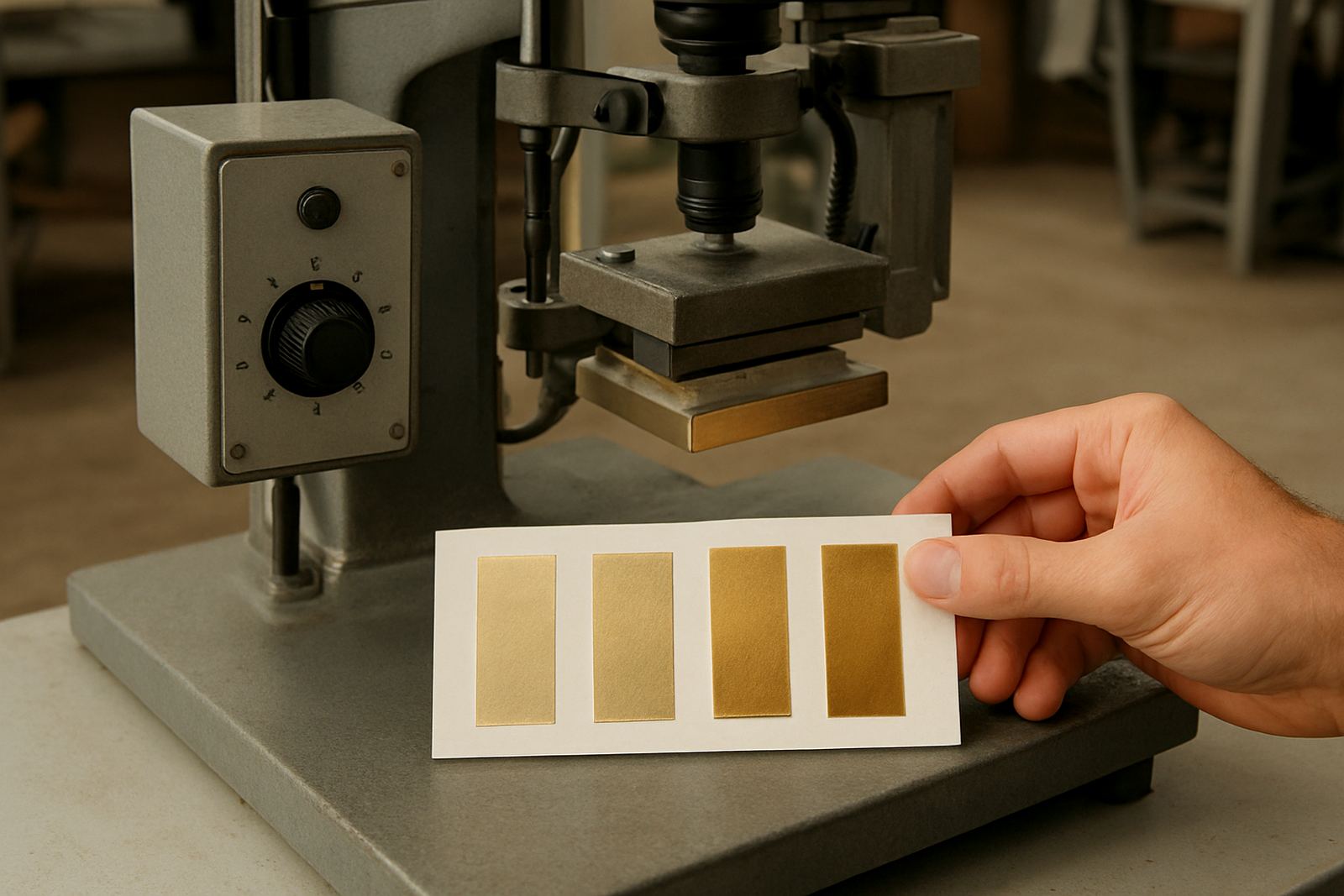
A simple explanation of how hot-foil stamping works and where it fits in print finishing.

Manual Vs Pneumatic

Manual Vs Pneumatic

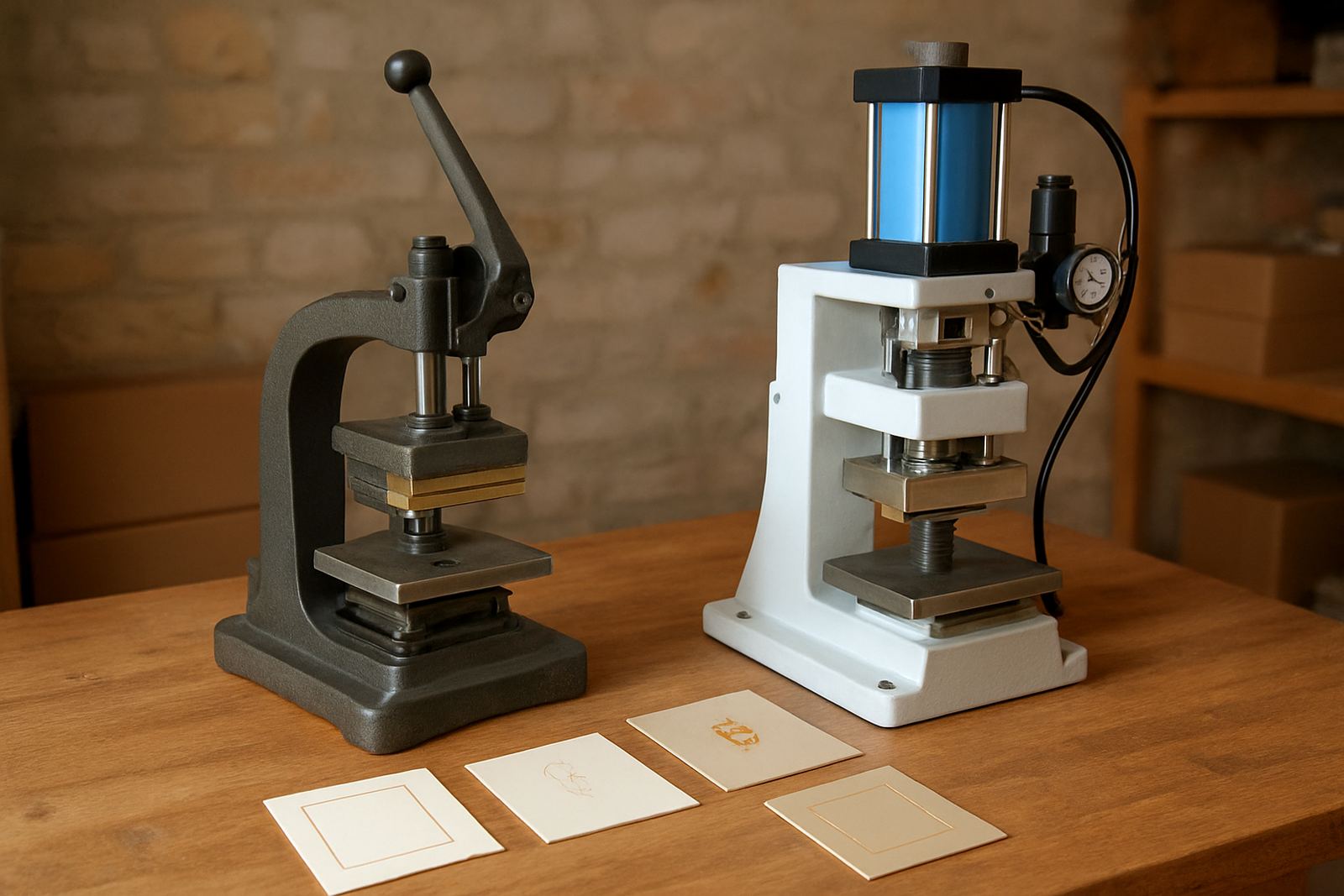
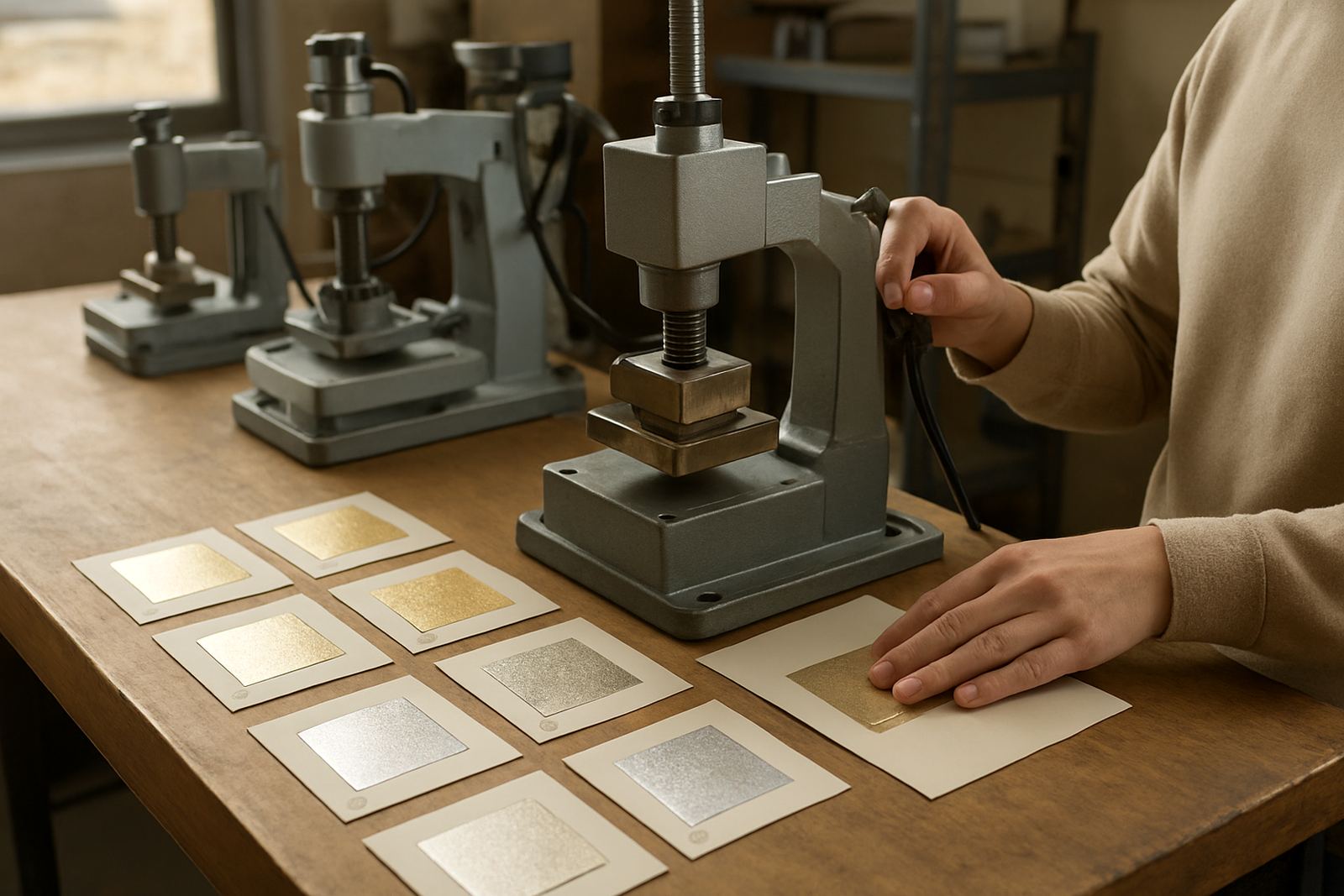
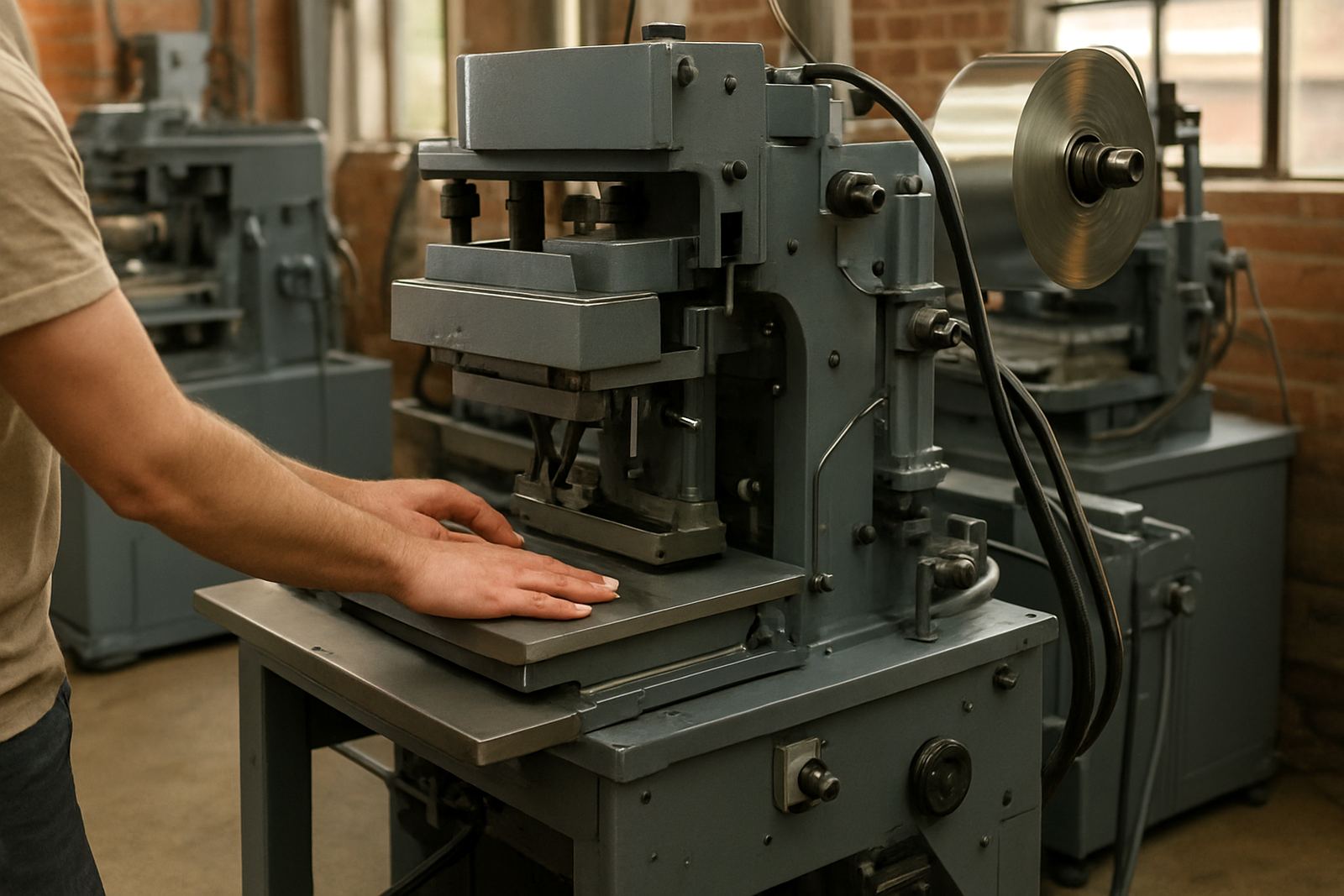
Compare manual and pneumatic presses for output, consistency, cost and operator effort.

Choosing Foil Colours

Choosing Foil Colours

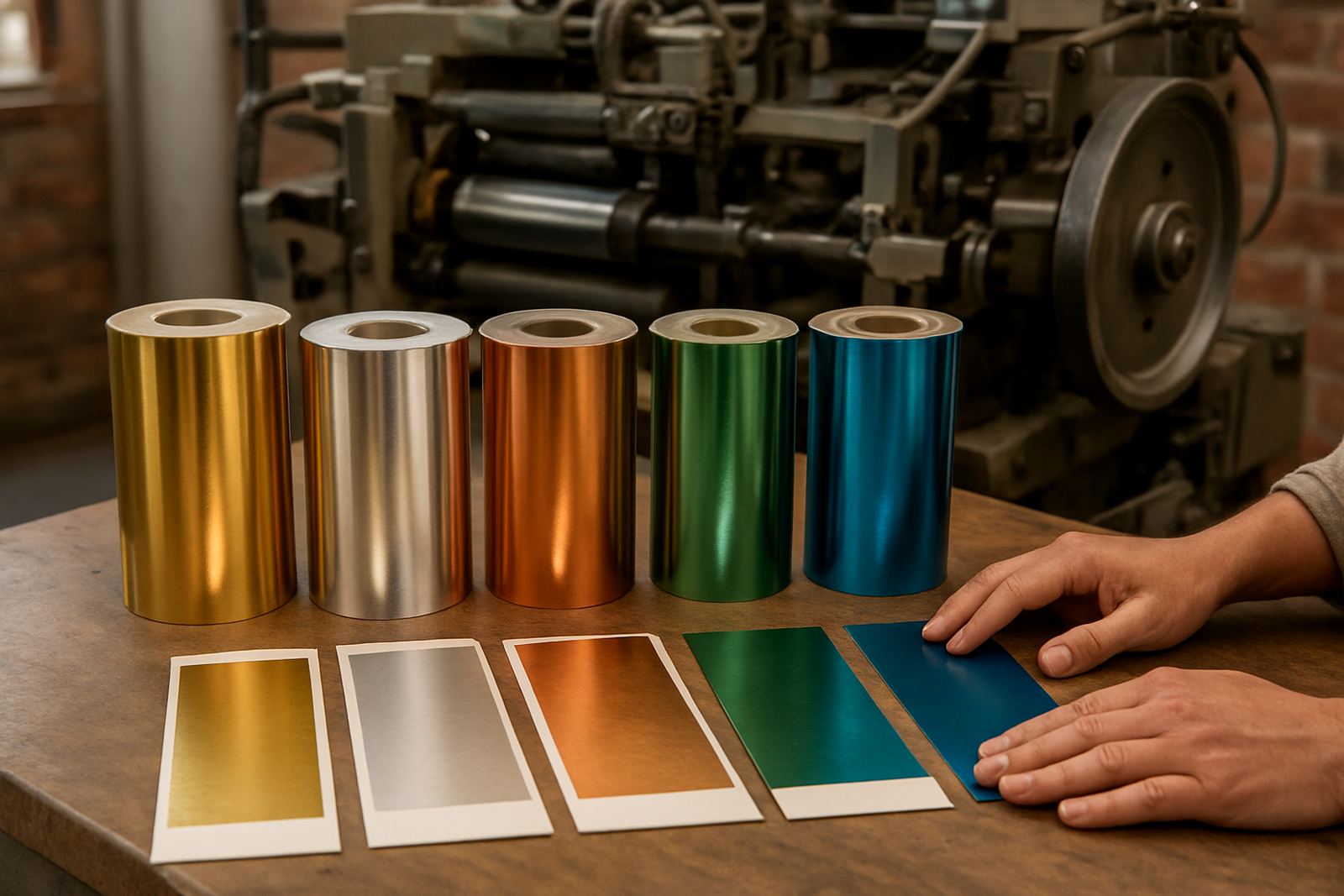
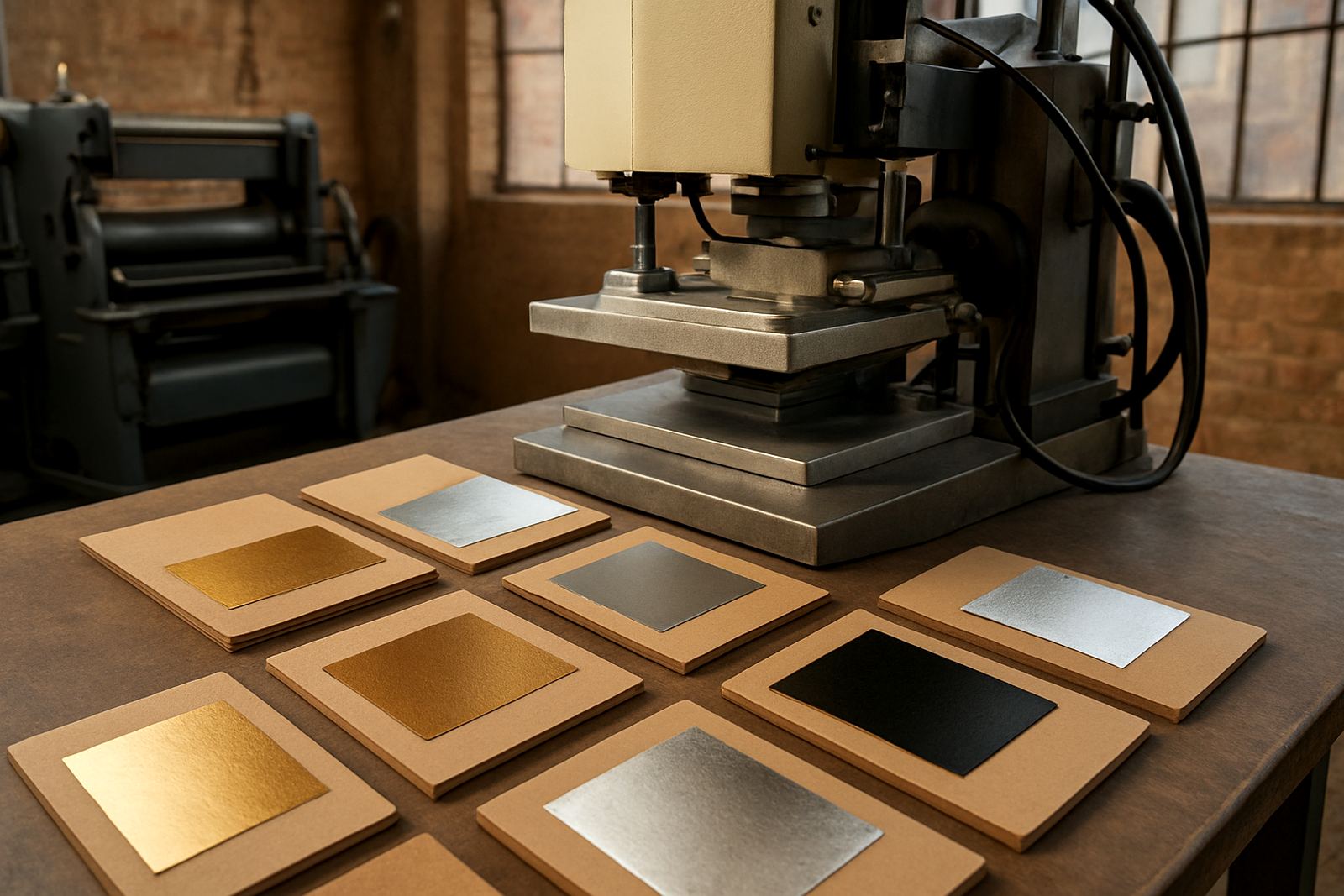
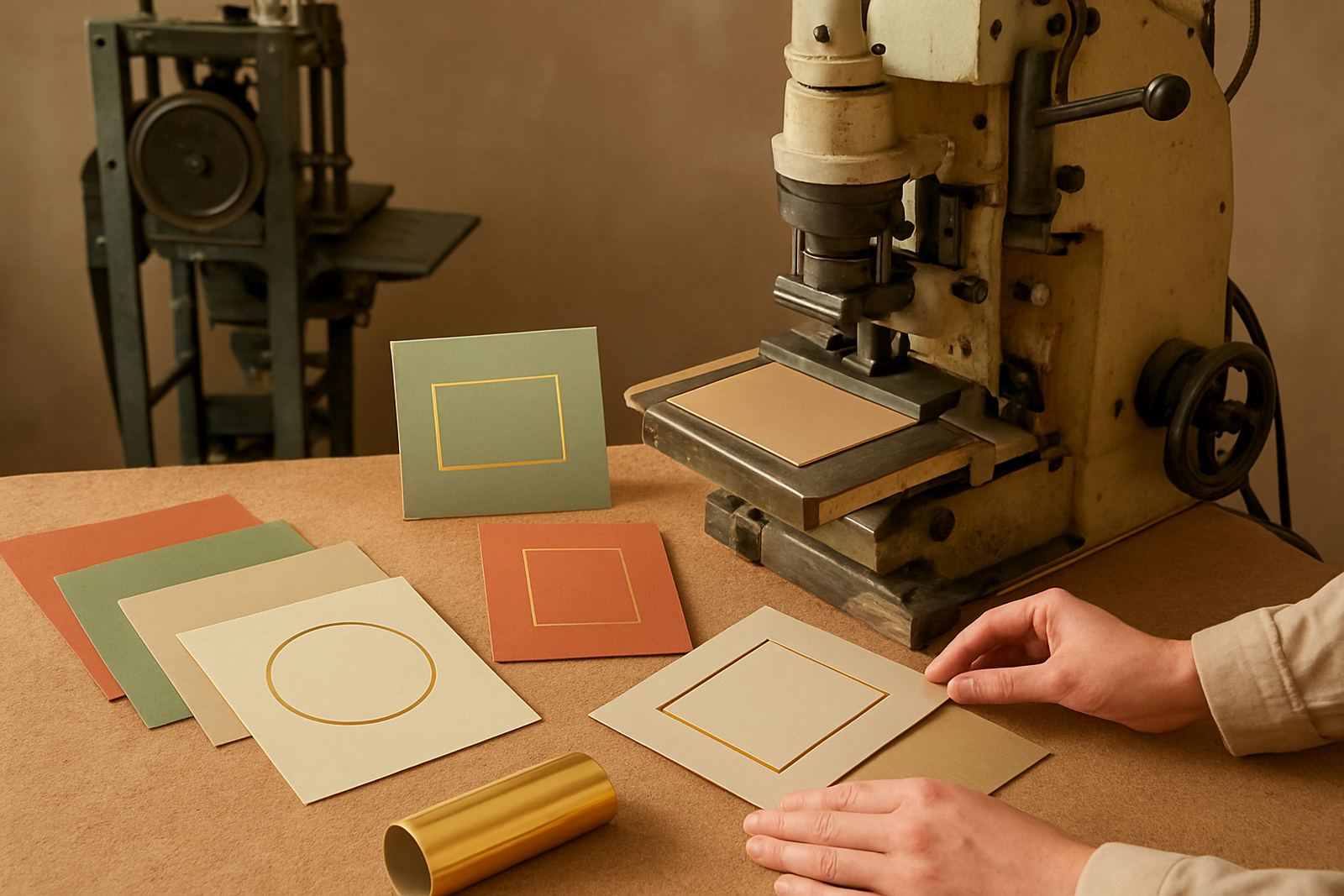
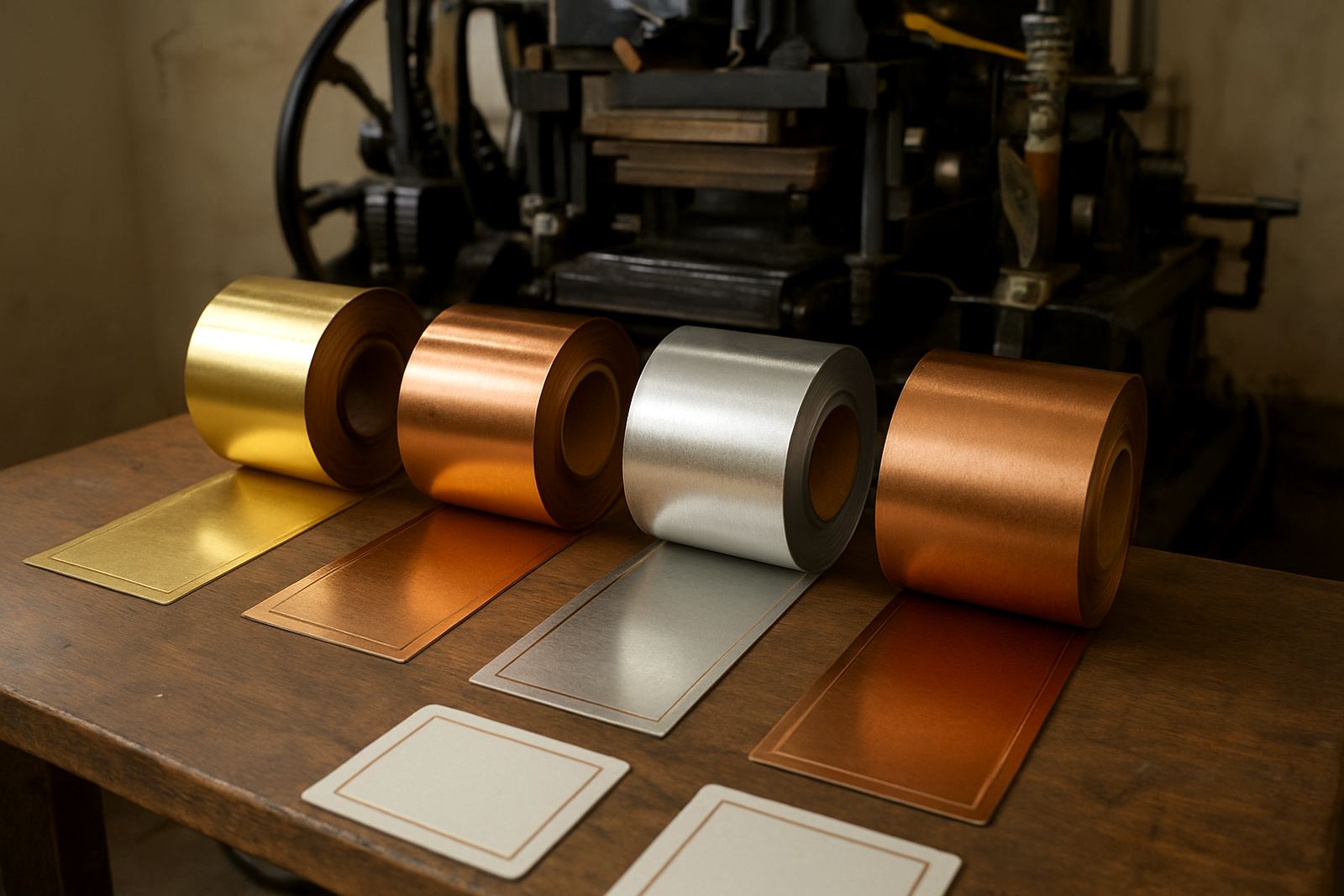
A guide to selecting foil shades that complement stock colours and packaging styles.

Common Transfer Problems

Common Transfer Problems

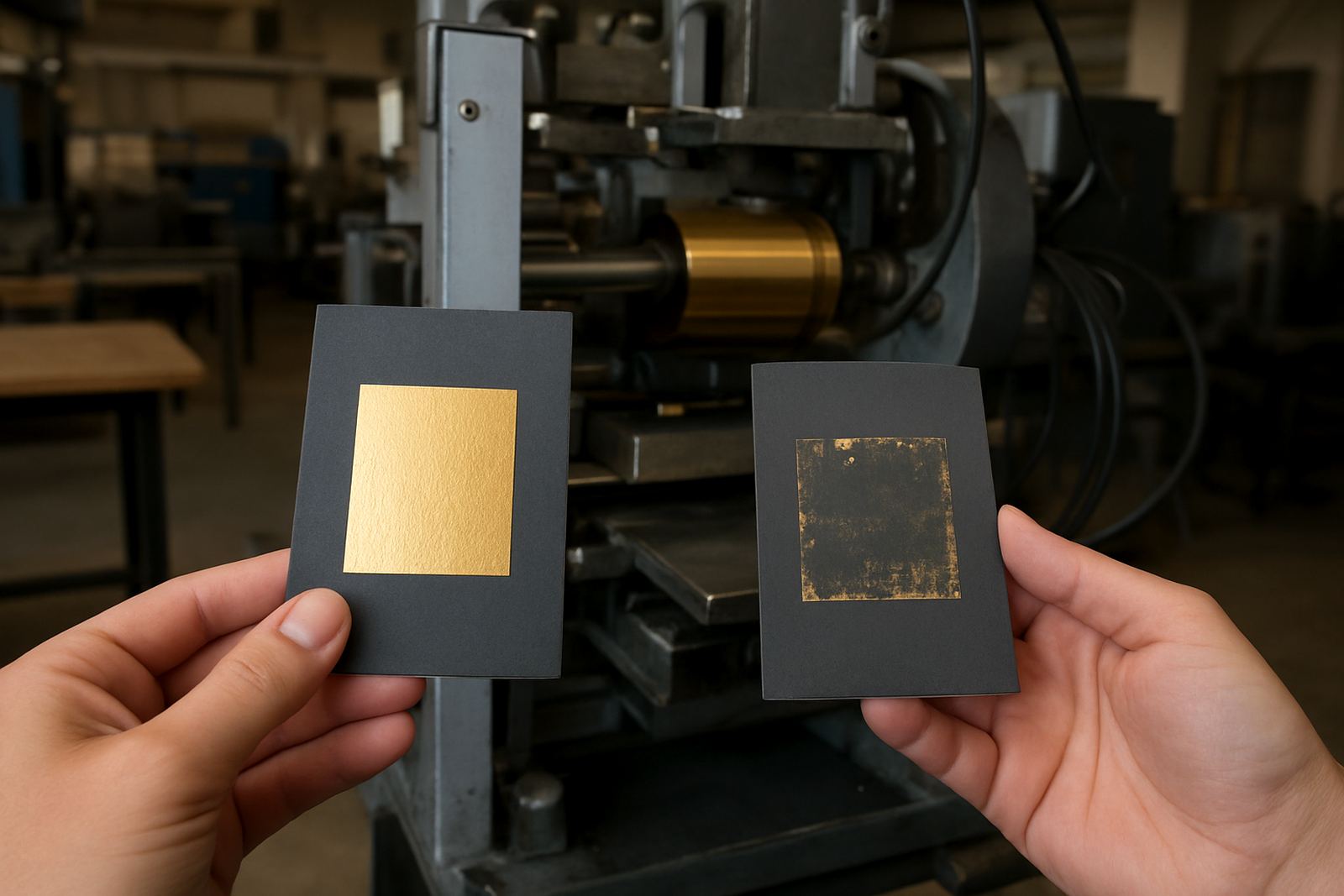
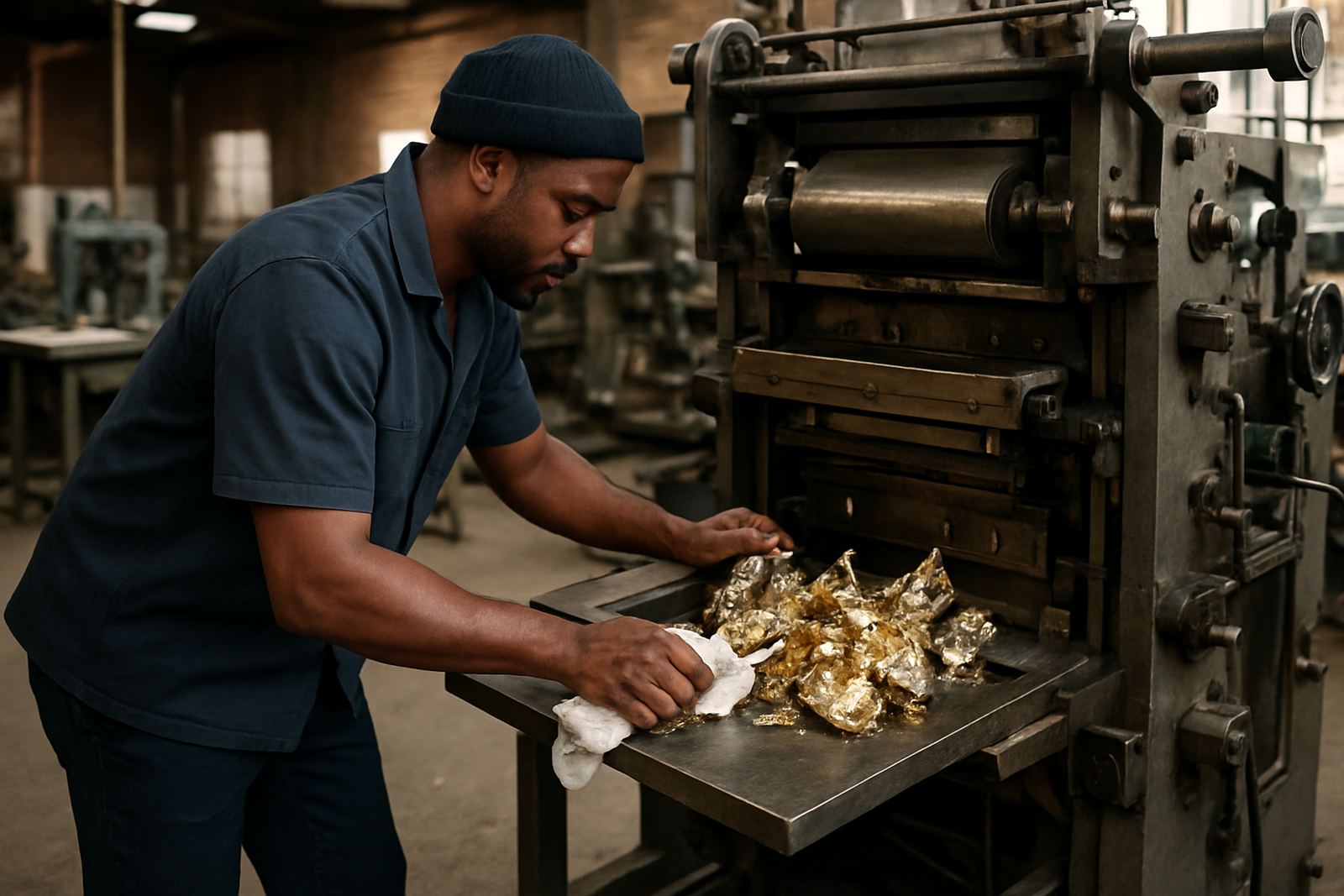
Learn the likely causes behind patchy foil, weak adhesion and over-stamped results.

Best Boards For Foiling

Best Boards For Foiling

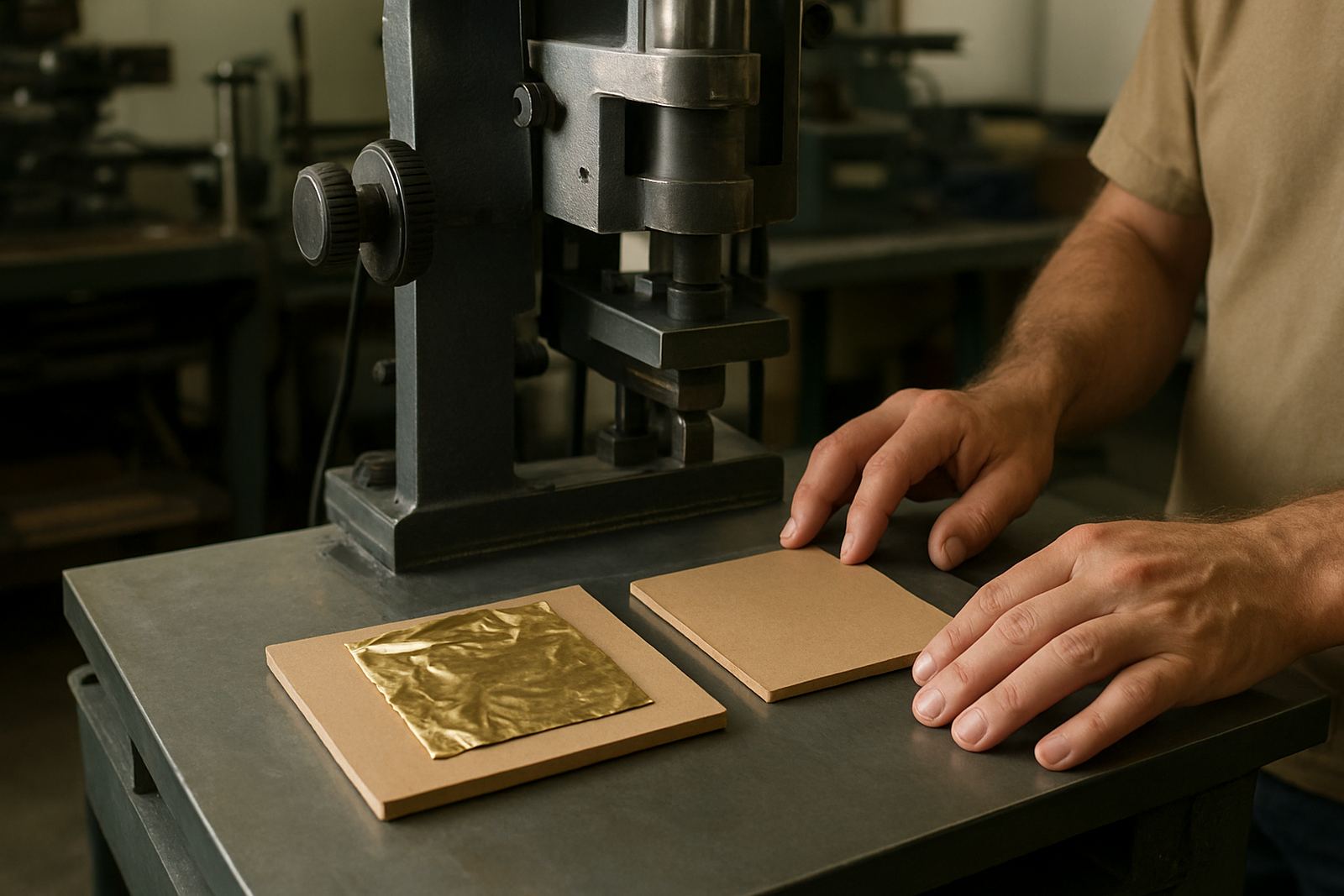
Different boards react differently to heat, dwell and pressure during foil stamping.

Foil On Laminates

Foil On Laminates

Foiling laminated stocks needs careful balancing of heat, dwell time and foil grade.

Why Registration Matters

Why Registration Matters

Tight registration keeps foil logos, borders and text aligned for a professional finish.

Short Run Foiling

Short Run Foiling

Short runs can be profitable when setup habits and artwork choices stay practical.

Foil For Gift Packaging

Foil For Gift Packaging

Gift packaging uses foil to create visual impact without fully redesigning structural packs.

Foil For Cards

Foil For Cards

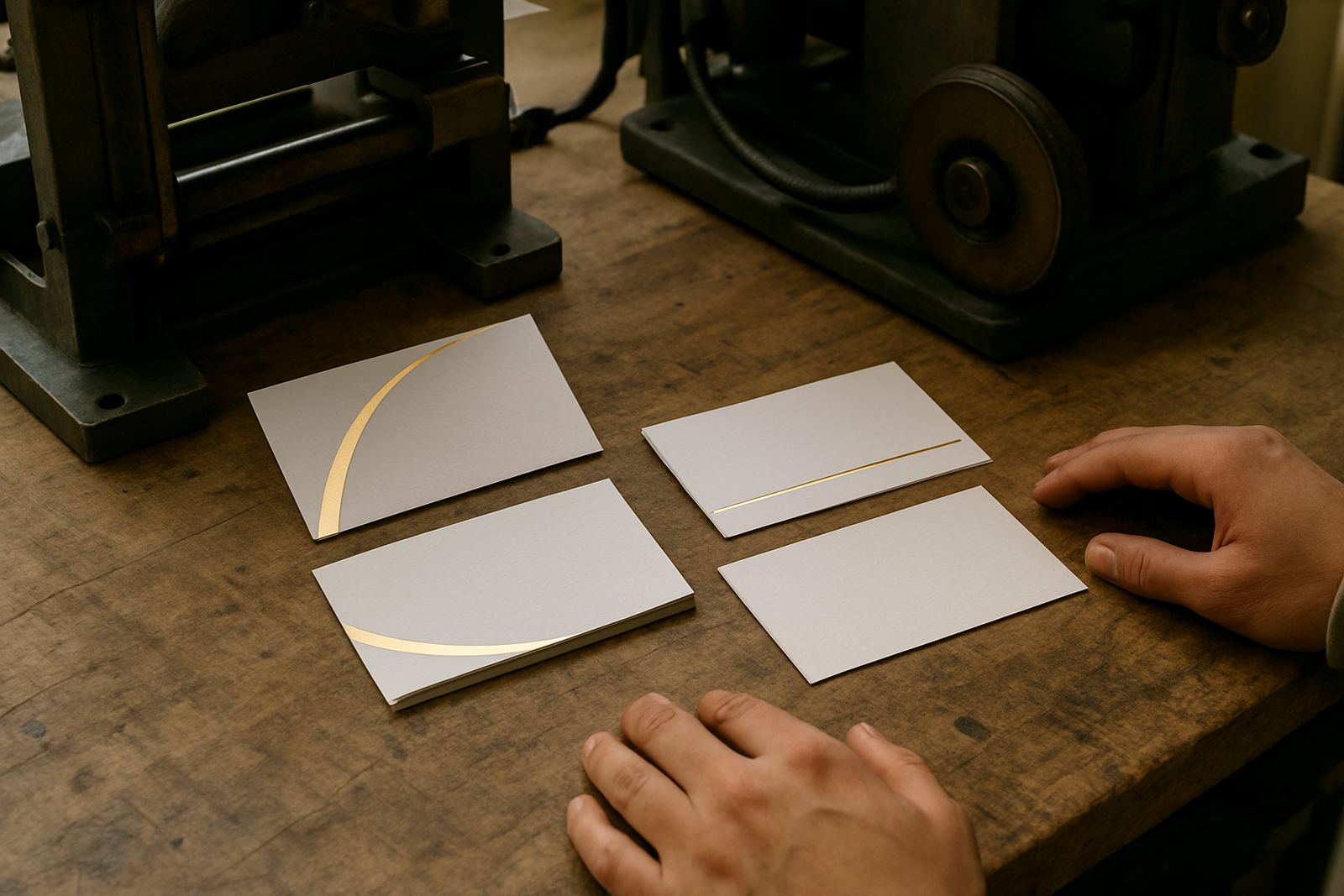
Card makers use foil to add shine, contrast and occasion-led premium appeal.

Estimating Foil Jobs

Estimating Foil Jobs

Pricing foil work accurately means understanding setup time, coverage and spoilage risk.

Reducing Setup Time

Reducing Setup Time

Simple process discipline can cut makeready time and free up valuable machine hours.

Maintaining Heater Plates

Maintaining Heater Plates

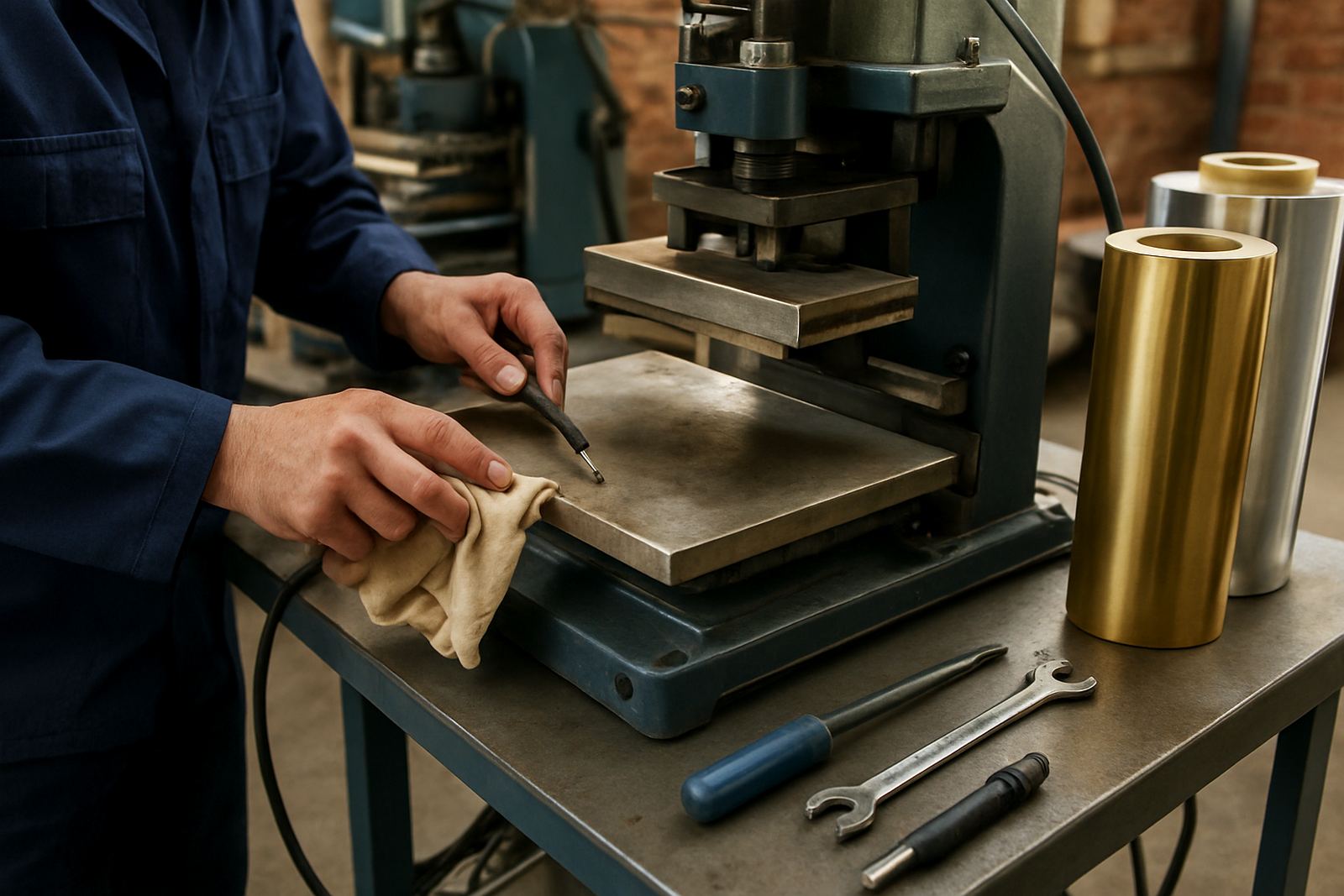
Heater plate care supports stable temperatures and fewer inconsistent foil results.

When Dies Wear Out

When Dies Wear Out

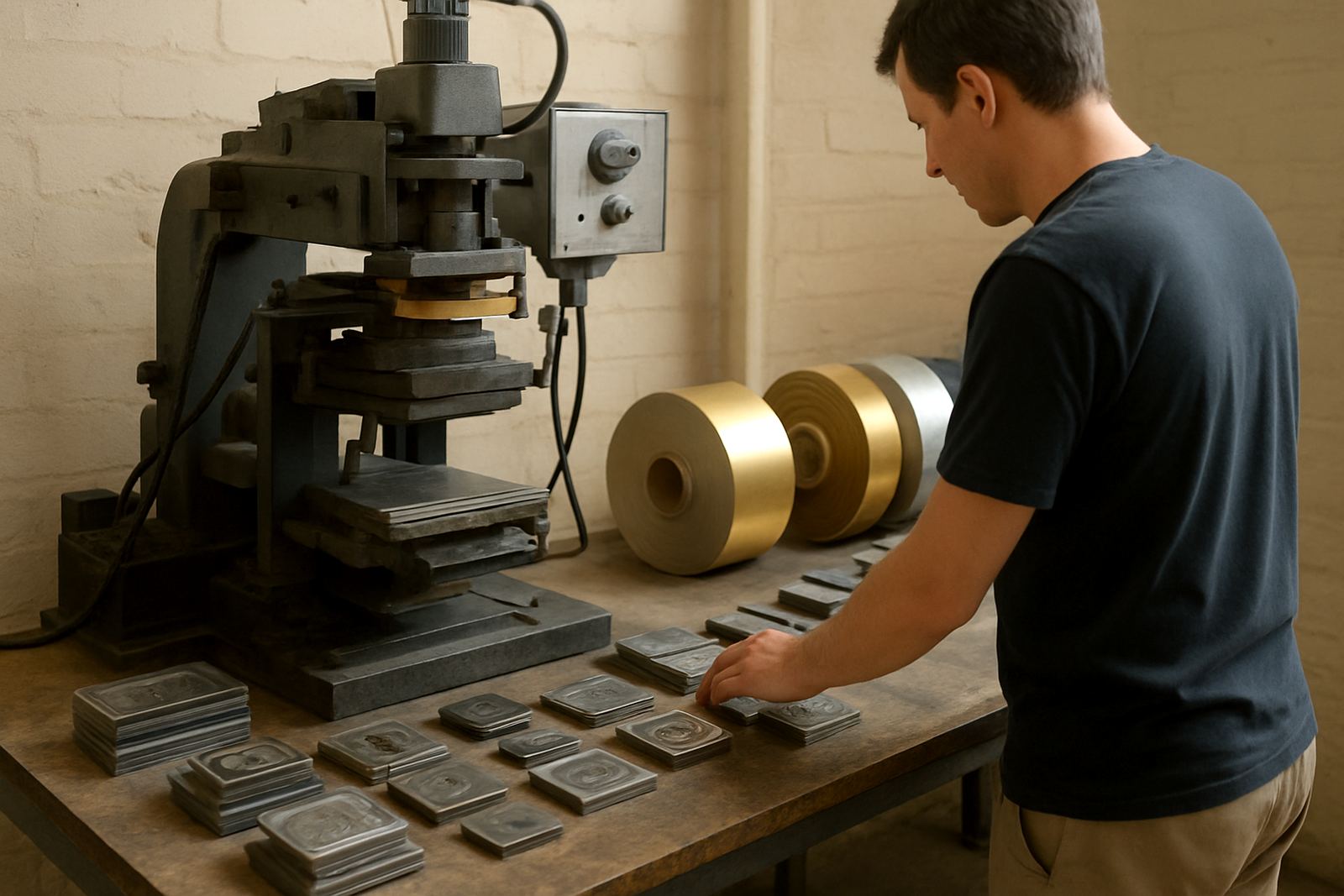
Worn dies can soften edges, affect transfer and waste time on repeated adjustments.

Foil Storage Tips

Foil Storage Tips

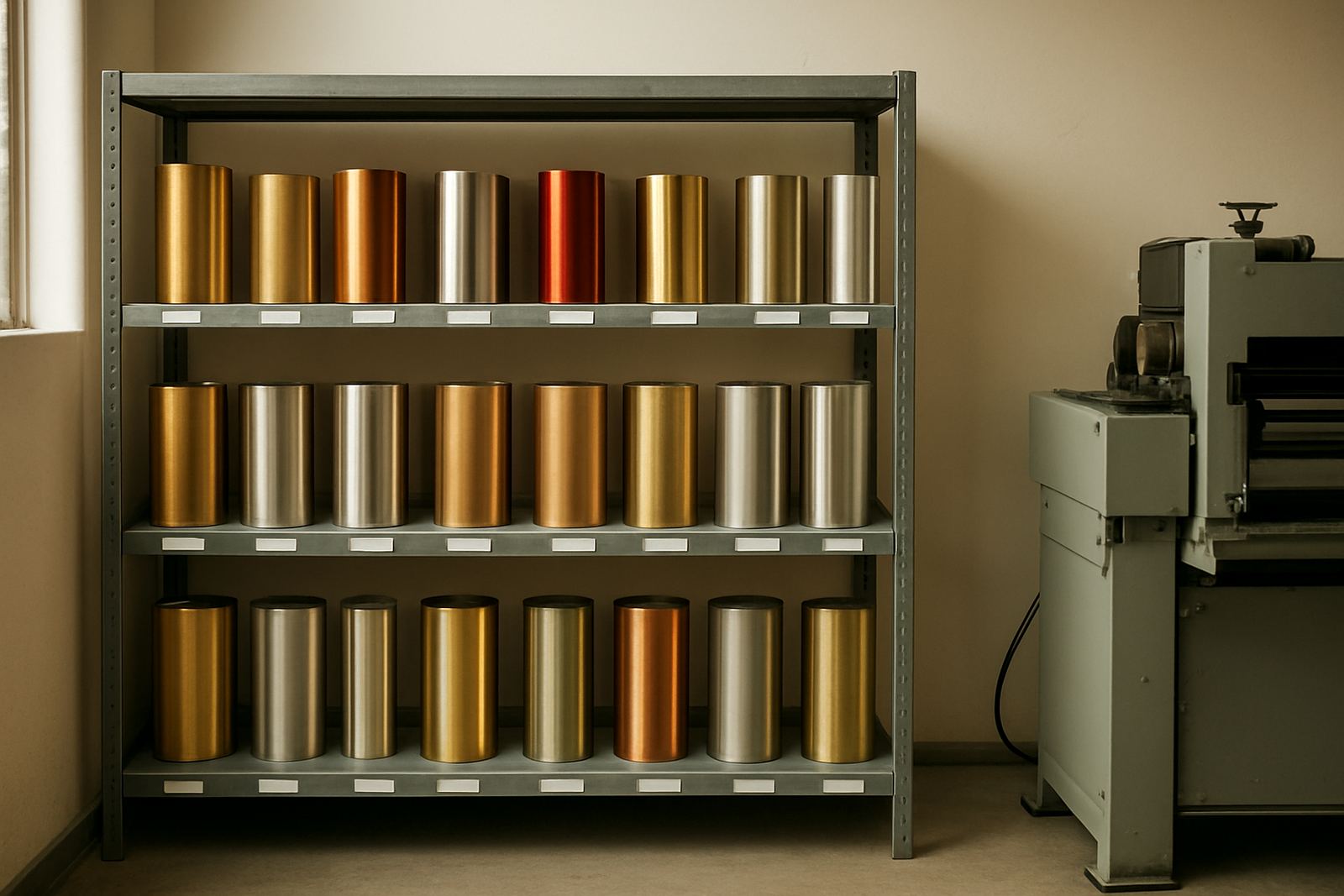
Proper storage helps protect foil rolls from dust, heat and handling damage.

Air Supply Basics

Air Supply Basics

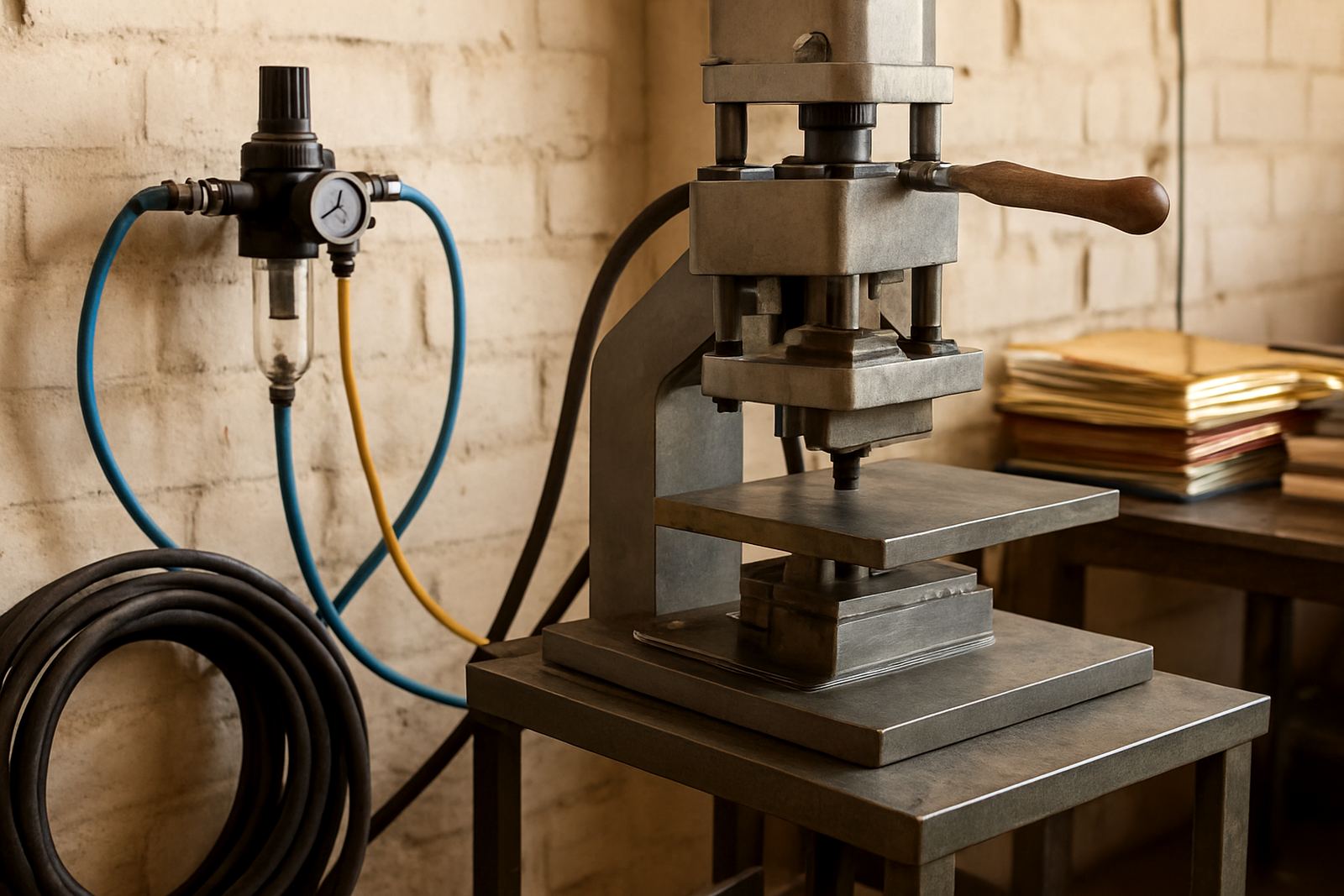
Pneumatic presses rely on clean stable air for repeatable performance and fewer faults.

Choosing Platen Size

Choosing Platen Size

Platen size should match both current jobs and likely future packaging growth.

Foil On Dark Stock

Foil On Dark Stock

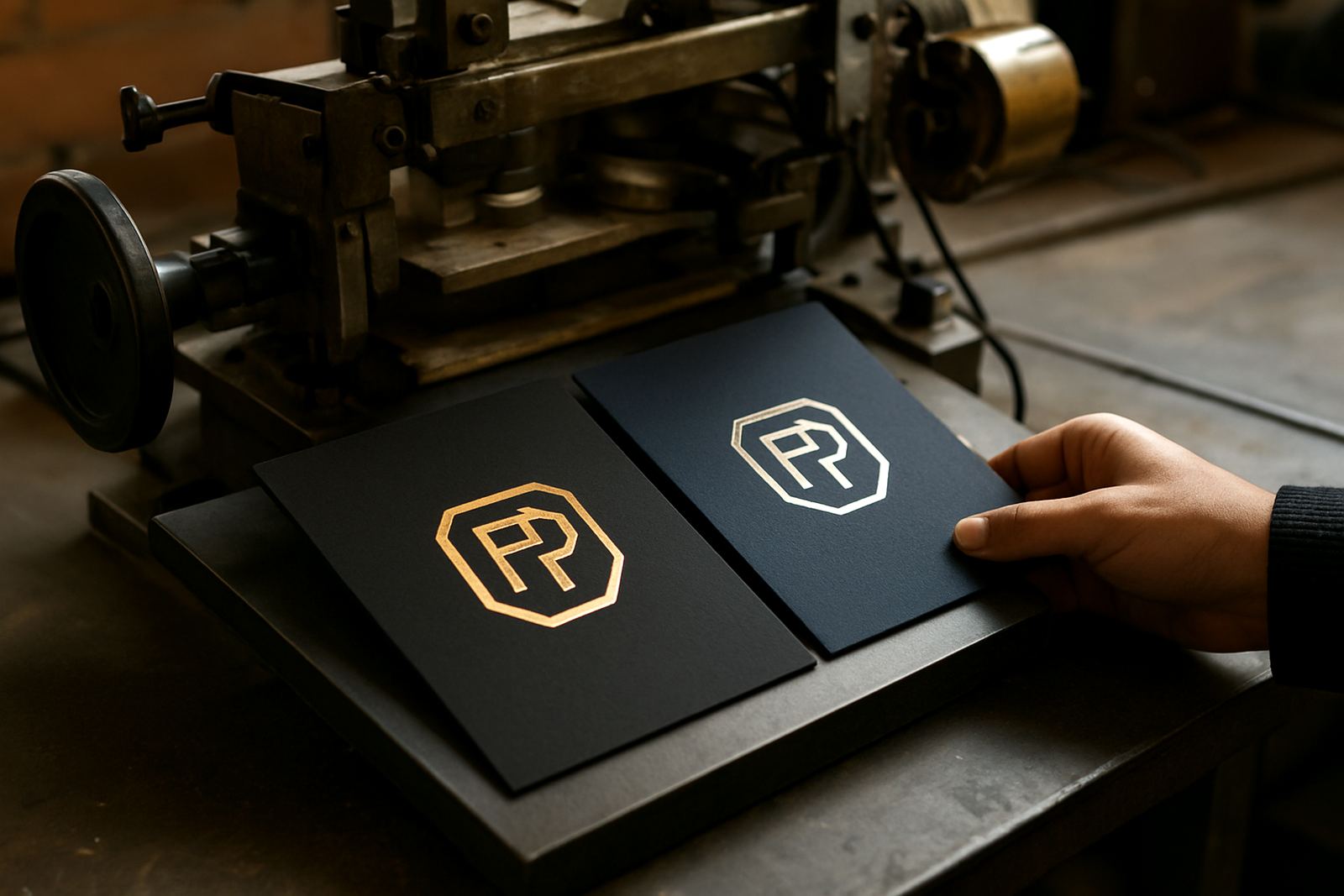
Dark stocks can make metallic finishes pop when heat and pressure are balanced well.

Matte Vs Gloss Foil

Matte Vs Gloss Foil

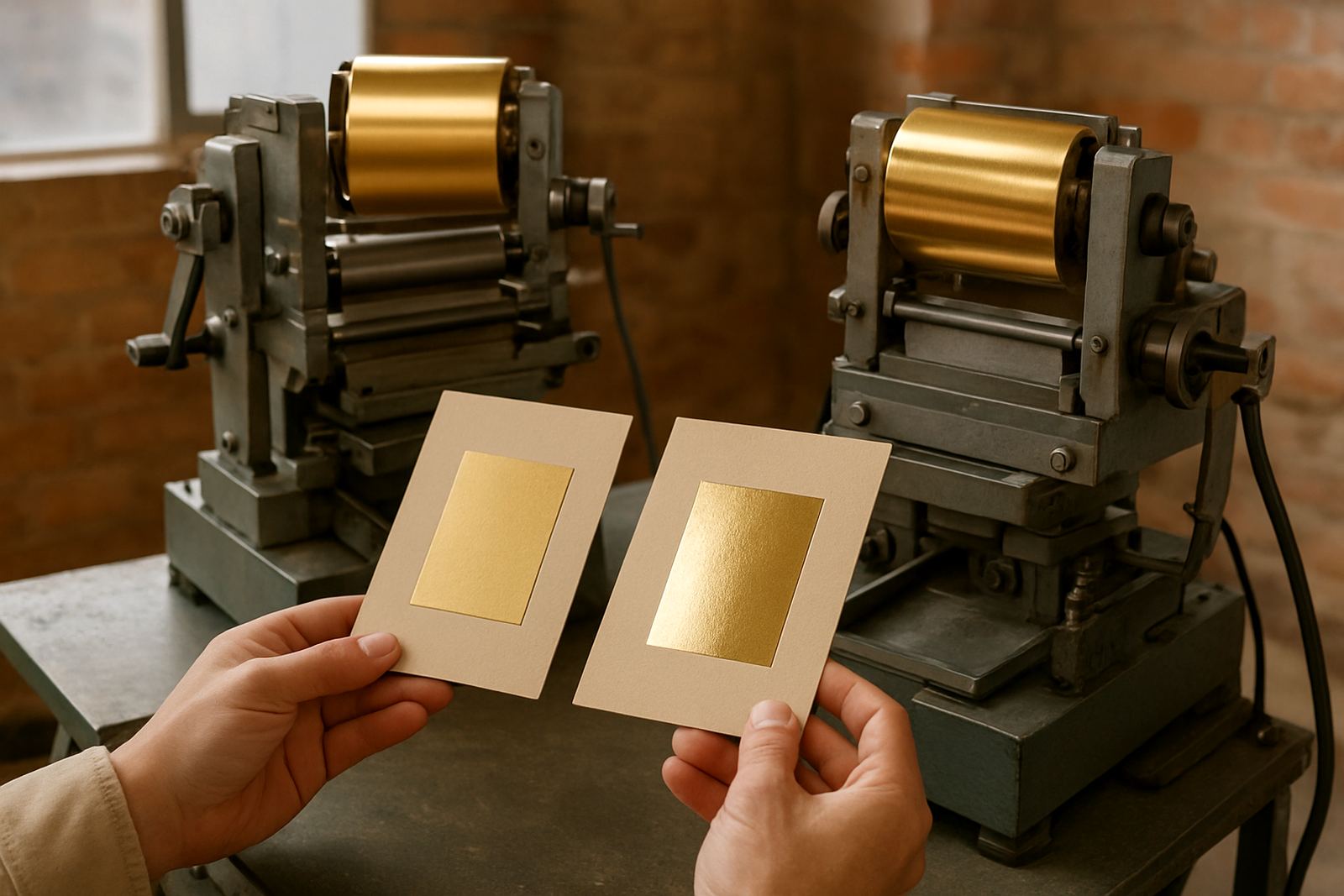
Matte and gloss foils deliver very different moods across the same packaging design.

Foil For Seasonal Runs

Foil For Seasonal Runs

Seasonal packaging often benefits from foil because it updates appearance quickly.

Sampling Before Production

Sampling Before Production

Pre-production samples reduce surprises and help approve the exact foil effect early.

Understanding Dwell Time

Understanding Dwell Time

Dwell time affects transfer quality, especially on textured boards and larger coverage areas.

Pressure Vs Temperature

Pressure Vs Temperature

Knowing which variable to adjust first can prevent wasted stock during troubleshooting.

Foil For Small Business

Foil For Small Business

Small businesses can enter foil finishing sensibly with the right press and job mix.

Scaling Up Production

Scaling Up Production

Growth planning should look at throughput, labour, changeovers and recurring product sizes.

Foil For Premium Retail

Foil For Premium Retail

Premium retail packaging often relies on foil to create contrast and perceived value quickly.

Avoiding Board Crush

Avoiding Board Crush

Too much pressure can damage stock and spoil otherwise attractive foil work.

Cleaning After Production

Cleaning After Production

A routine shutdown clean helps presses stay safer, tidier and more consistent.

Premium Packaging Elements

Premium Packaging Elements

Foil is one of several finish choices that signal quality in crowded retail spaces.

Foil Artwork Prep

Foil Artwork Prep

Artwork prepared for foil should consider line weight, spacing and coverage shape.

Foil With Emboss Look

Foil With Emboss Look

Designers often combine pressure and stock choice to create a richer dimensional appearance.

Operator Safety Basics

Operator Safety Basics

Heat, moving parts and repetitive handling make basic safety discipline essential.

Planning Repeat Orders

Planning Repeat Orders

Saved settings, labelled dies and tested foils help repeat jobs start faster.

Foil On Textured Stock

Foil On Textured Stock

Textured boards can look striking with foil but usually need careful setup testing.

Metallic Vs Pigment Foil

Metallic Vs Pigment Foil

Different foil types suit different visual goals, from shine to flat solid colour.

Stock Warping Causes

Stock Warping Causes

Heat imbalance and handling conditions can warp lighter stocks during production.

Foil For Launch Kits

Foil For Launch Kits

Launch kits use foil effectively on sleeves, folders and keepsake packaging components.

Press Service Life

Press Service Life

Regular maintenance and sensible loading help presses deliver value over many years.

Foil Waste Control

Foil Waste Control

Better reel setup and job planning can cut unnecessary foil waste.

Nationwide Support Explained

Nationwide Support Explained

Clients across South Africa can access guidance, supply and planned technical assistance.

What this journal covers for card and packaging teams

Foil finishing can look simple from the outside, but the results depend on heat, pressure, dwell time, die condition and the stock you are running. This journal brings those pieces together in one place, with practical notes for people working on invitation cards, folding cartons, sleeves, labels and short-run promotional packaging.

Each article is written to help you compare options and avoid costly trial and error. If you are choosing a new press, sorting out weak transfer on textured board, or trying to cut waste on a busy line, the right information saves time and material. We keep the focus on what works in South African production rooms, from small craft studios in Randburg to larger plants in Germiston and Midrand.

How to choose the right machine for your work

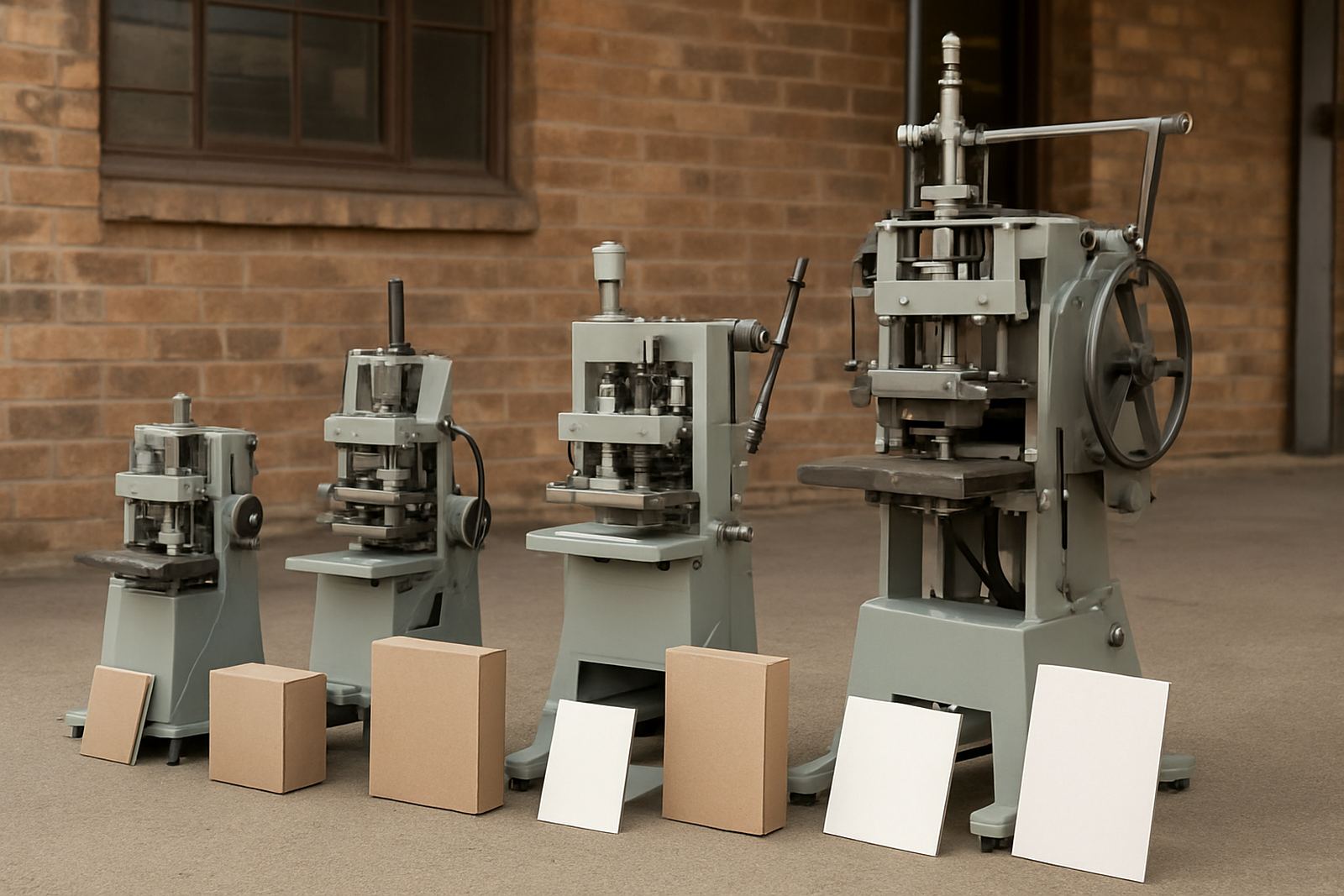
The right press depends on the product, the foil area, the board thickness and how many pieces you need out each day. A small hand fed unit may suit a craft business doing short runs and custom event work, while a heavier duty press is better for steady packaging production and repeat jobs. We also look at clamping force, platen size, temperature control and how easy it is to set up the job.

  • Match the press size to the biggest sheet or carton format you run often.
  • Check whether your work needs flat sheet feeding or more flexible positioning.
  • Think about power supply, especially where load shedding and site limits affect output.
  • Plan for operator skill level, changeover speed and access to spares.

Choosing well at the start reduces downtime later. It also makes training easier, because operators can learn a stable process instead of fighting a machine that is under spec for the job.

Reading foil behaviour on different stocks

Foil does not behave the same way on every board or substrate. Coated stock may release cleanly with lower heat, while uncoated or textured materials can need more pressure and careful die preparation. Humidity matters too, especially in coastal deliveries or stored stock that has picked up moisture before reaching your shop floor.

The journal covers transfer marks, dull patches, over burn, edge pick-up and poor registration. These signs often point to a fixable issue in setup rather than a bad press. A clean die, correct heater calibration and the right foil match can turn an average result into a sharp one, without pushing the machine harder than it should go.

  • Store foil and board in a dry room where possible.
  • Allow stock to settle to workshop temperature before production.
  • Keep dies clean after each run to avoid debris build-up.
  • Record settings for repeat work so jobs are easier to reset.

Quality control that protects your margins

Good decorative finishing is not only about appearance, it is also about consistency. When foil breaks down across a run, rejects rise and operators spend more time chasing settings than producing saleable work. That is why our journal looks at practical quality control, from first sample approval to end of batch inspection.

We also cover the business side of finishing. A clean foil effect can support a higher selling price, but only if your process is controlled and your waste stays low. For many buyers, the real question is not whether foil looks attractive, it is whether the process will hold up under normal production pressure and still give acceptable margins.

Servicing, repairs and keeping uptime steady

In Johannesburg City West and surrounding industrial areas, downtime can quickly affect delivery schedules. That is why we write about preventive servicing, breakdown repairs, pressure setup and heater calibration in plain language. A press that is checked before problems show up usually gives steadier output and fewer emergency callouts.

We also cover the small signals that often get missed, like unusual sound on cycle, uneven pressure on one side of the die, or a heater taking too long to reach set temperature. Catching these early can prevent bigger repairs and help keep production moving when deadlines are tight.

  • Inspect wiring, heaters and moving parts during routine checks.
  • Keep spares for common wear items where production is continuous.
  • Use trained operators for die mounting and setting pressure.
  • Log faults clearly so repeat issues can be traced faster.

Training, setup and practical support for local teams

Good results depend on the operator as much as the machine. We share guidance for setup, die mounting, foil matching and production optimisation so teams can get the most from each shift. This is useful for new staff as well as experienced operators who want a quicker, cleaner setup process.

FoilPress works with businesses across Industria West, Roodepoort, Randburg, Sandton, Midrand and Germiston, with presses and foils supplied nationwide. If you need help with a machine decision, a recurring finish problem or a production bottleneck, the journal is a practical place to start. For direct support, the team can be reached through our contact form.

Questions we get asked

Who should read the Foil Journal?

It is for buyers, operators and packaging teams who need practical advice on hot-foil pressing, setup, quality and servicing.

Does the journal help with production problems?

Yes. It covers common issues such as poor transfer, pressure imbalance, heater faults, die alignment and foil matching.

Can the articles help with machine selection?

Yes. The journal explains how to compare press size, output needs, stock type and power requirements before you commit to a machine.

Planning something? Send the team a message.

Contact form