How die wear shows up on the press
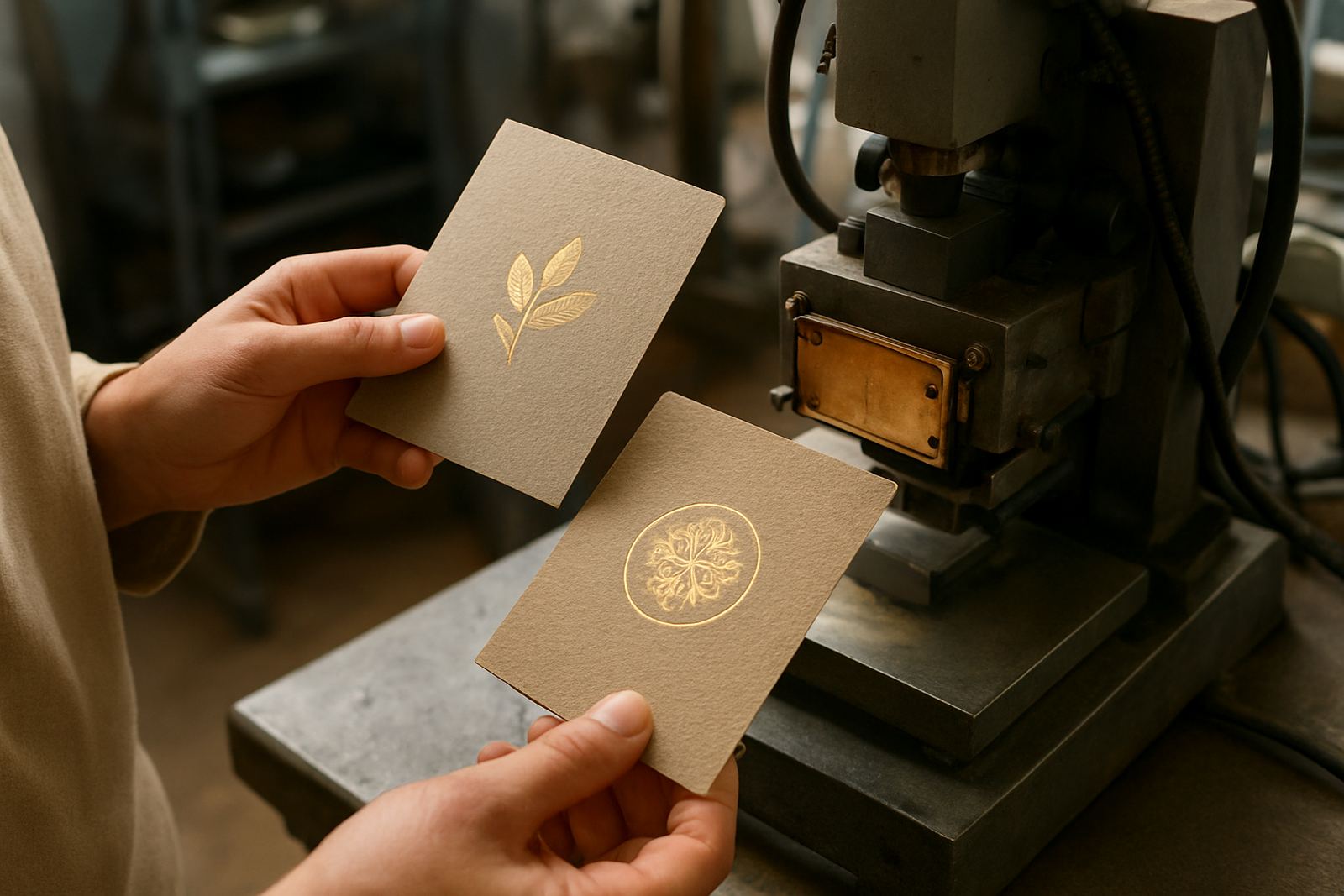
Most operators notice die wear in the job before they notice it on the tool itself. Fine lettering starts looking less crisp, solid blocks of foil lose their sharp borders and small detail begins to fill or break away. On packaging work, especially on coated board, that means more rejects and more time spent chasing the same setting over and over.
In Johannesburg, where many card and packaging runs are short and frequent, worn dies can be expensive because they waste set-up time as much as material. A press might still be running but the result is no longer clean. The job slows down, temperature gets tweaked, pressure is changed, and the operator ends up compensating for a die that is simply past its best.
- Soft or rounded edges on letters and borders
- Poor foil release in fine detail
- Hot spots on one side of the impression
- More frequent re-registration and adjustment
- A die that needs higher pressure than usual
Why worn dies happen sooner than people expect
Dies wear for the same reasons many shop floor tools do, repeated heat, pressure and handling. If a job is run at the wrong temperature, or the pressure is set too high to force a weak impression, the die works harder than it should. Over time, the face loses definition and the edges no longer bite cleanly into foil or substrate.
Dust, adhesive residue and poor storage also shorten a die's life. In a humid area like parts of Gauteng after summer storms, tooling can pick up oxidation or surface contamination if it is left open on a shelf. A die that is dropped, scratched or mounted badly can lose accuracy even faster. The problem is not always the metal itself, sometimes it is the way the tool is handled between runs.
- Excessive pressure used to force coverage
- Incorrect heater calibration causing uneven heat
- Storage in damp, dusty or unprotected conditions
- Repeated mounting and stripping without care
- Running the die after the edges have already dulled
The hidden cost of carrying on with a tired die
Many shops keep running a worn die because it still makes something passable. That choice usually costs more than replacing or reworking the tool. Every extra correction takes time away from the machine, and every rejected sheet or carton adds waste. If the job is a rush order, the pressure to keep going can turn a small fault into a missed delivery.
For a packaging client in Roodepoort running a short promotional carton batch, a worn die might mean a full shift of minor adjustments just to hold acceptable foil coverage. The operator may not be failing, the tool is. By the time the run ends, the real cost shows up in overtime, spoiled board and a tired crew. It is often cheaper to stop early, inspect properly and make the call before more stock is lost.
Carrying on also puts strain on the press. A blunt or damaged die encourages overcorrection, which can affect heater performance, pressure consistency and even the lifespan of other components. That is how one worn tool starts creating several other problems.
A practical inspection routine before a long run
A quick check before production can save a lot of waste. The aim is not to turn the floor into a workshop, only to catch the warning signs early enough to act. This is especially useful when switching between different board grades, foil colours or lots with uneven surface coatings.
Use a simple routine and keep it consistent:
- Inspect the die face under good light for chips, flattening or debris
- Check that the die mounts squarely and does not rock
- Confirm heater temperature against the job spec, not guesswork
- Test pressure on a small sample before full production starts
- Look for uneven foil transfer across the width of the impression
- Clean off residue before it builds up on the working surface
If the die needs repeated tightening, shimming or re-setting just to make a decent sample, treat that as a warning. A proper inspection should take minutes, not hours, and it can prevent a full day's run from drifting out of tolerance.
When to repair, remount or replace the die
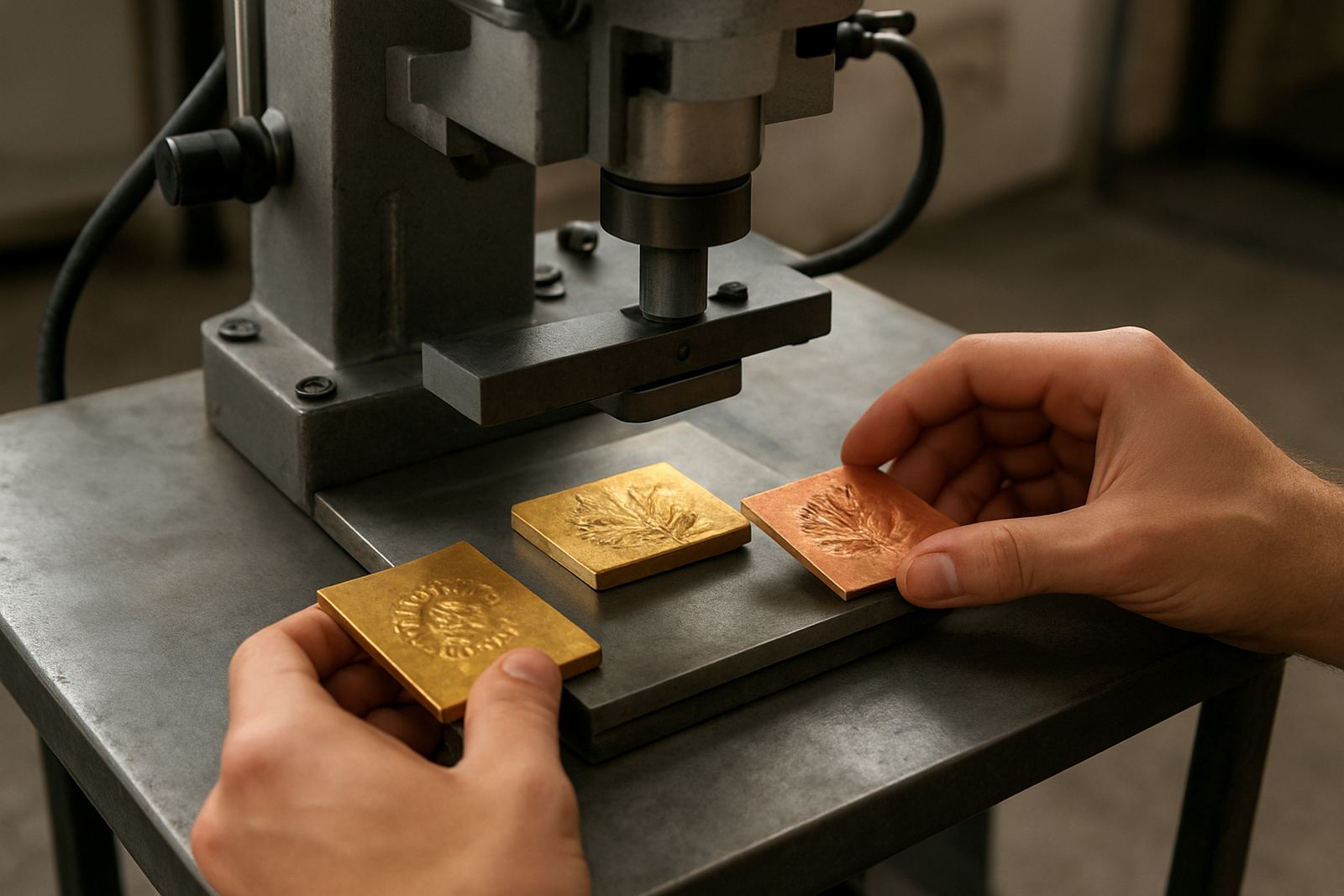
Not every worn die needs to be thrown away. Some can be cleaned, refaced or remounted if the damage is minor and the base is still sound. Others are simply finished. The key is knowing the difference between a tool that needs support and one that has already lost the detail needed for consistent work.
If the detail is still legible but the impression is uneven, the problem may be mounting, pressure balance or foil matching. If the sharpest parts are already softened and small elements keep disappearing, the die may be beyond useful correction. In a busy shop it helps to make that decision early, because repeated adjustments can burn through far more time than a replacement cycle.
FoilPress often sees this on card and pack jobs where the artwork includes fine type, tight logos or border work. Once the profile goes, the foil can no longer land cleanly. At that point the operator is trying to rescue a tool that is no longer holding the shape required by the job.
How FoilPress helps keep production moving
When a die starts failing, the best outcome is usually a fast diagnosis and the right practical fix. That may mean pressure setup, heater calibration, foil matching, die mounting checks or a broader production review. It is rarely one issue on its own. In many cases a worn die is exposing a setup problem that has been hiding in the background.
From Industria West, the FoilPress team supports presses and foils nationwide, with clients in Sandton, Midrand, Randburg, Germiston and beyond. For smaller craft businesses, that can mean help getting a single job back on track. For larger manufacturers, it can mean keeping a line steady across repeated shifts and reducing the chance of rework.
With load-shedding still part of planning for many workshops, consistency matters even more. A press that returns to service after an interruption must still hold the same temperature and pressure profile. If the die is already worn, that interruption often makes the problem more visible.
A simple rule for the shop floor
Worn dies do not just affect appearance, they affect time, waste and confidence on the floor. The earlier you treat a softened edge or weak transfer as a tooling issue, the easier it is to protect the rest of the run. A die should help the press do its work, not force the team to fight every sheet.
As a rule, if the job needs more adjustment than production, stop and inspect the tool. That one habit can save stock, protect your press and keep your foil work looking sharp from the first sheet to the last.