Why repeat foil jobs slow down when the notes are poor
Most repeat orders lose time in the same places. Someone has to search for the right die, the previous foil shade is not written down clearly, or the press settings were changed during the last run and never saved properly. By the time the operator starts setting up, a job that should have been familiar turns into a fresh trial run.
In foil stamping, the small things matter. Temperature, dwell time, pressure and alignment all affect the result, and if one detail is missing the batch can drift from the approved sample. That is a bigger problem when you are working with packaging or cards that must match an earlier production run exactly.
A repeat order should begin with a record, not a guess. If your team can open the last approved settings and confirm the correct foil, die and substrate, you cut setup time and reduce waste. It also helps when the press room is busy and three other jobs are waiting, because the operator can get moving without a long back-and-forth.
Build a job record that the next person can trust
The best repeat jobs are the ones with clear records. A simple file for each customer or product line can save hours over a month. Keep the information practical and easy to read so any operator or supervisor can use it under pressure.
- Job name and customer name
- Die size, shape and mounting position
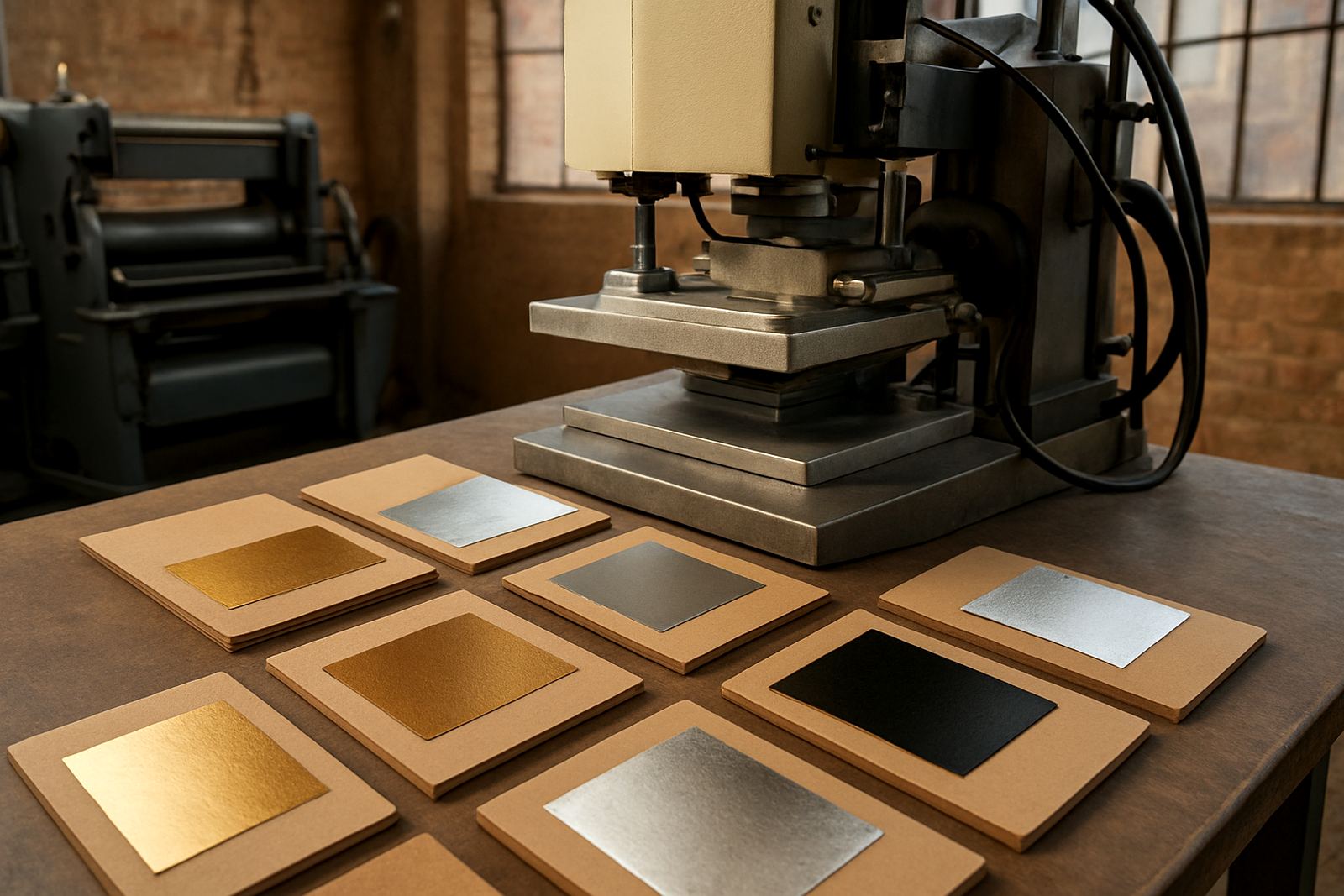
- Foil type, colour and supplier reference
- Material used, including board thickness or substrate grade
- Press temperature, pressure and speed settings
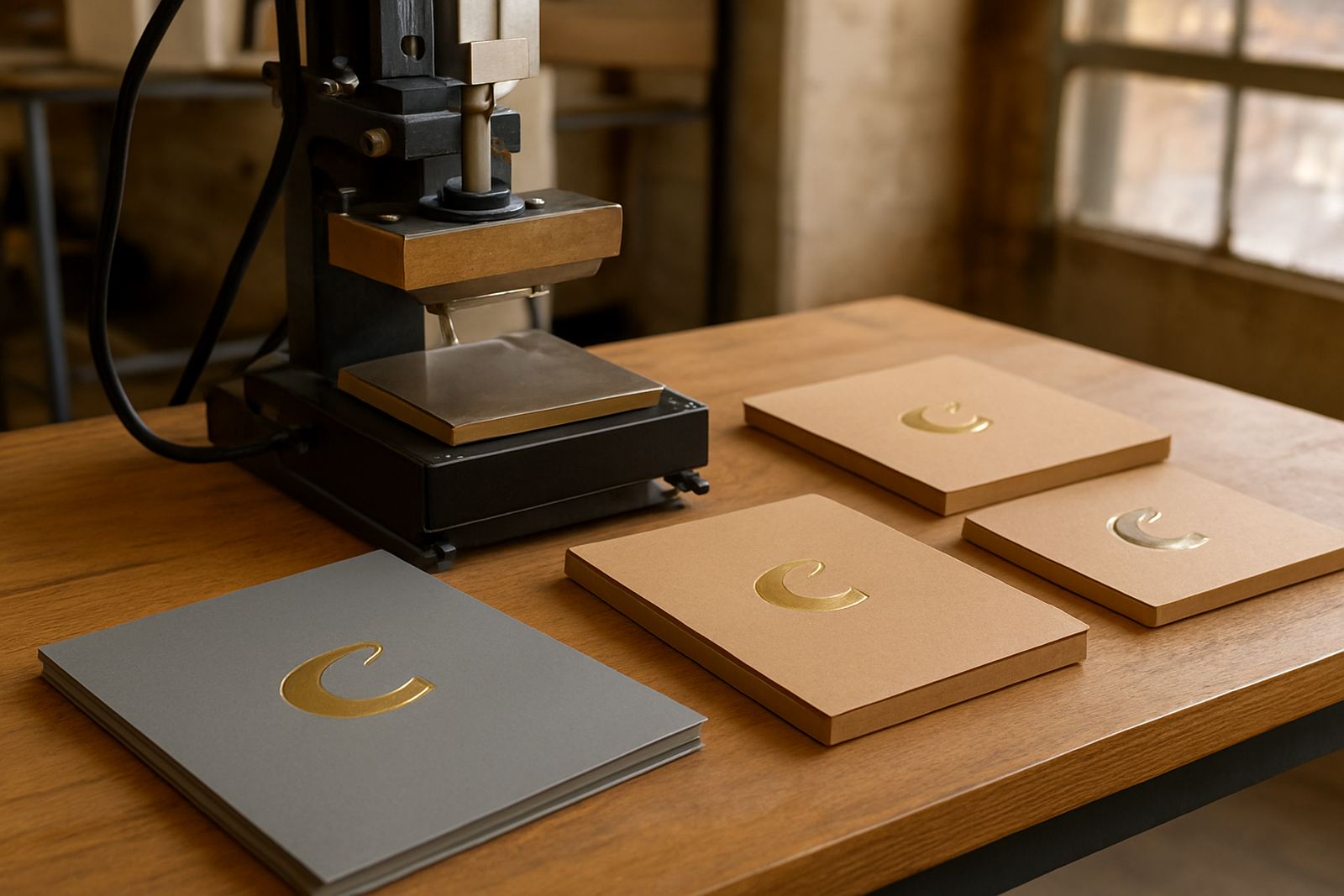
- Sample photo or approved test strip
- Date of last run and number of units produced
Do not rely on memory alone. If one person remembers that a label needed slightly more heat in winter, that is useful, but it still needs to be written down. A proper record also protects you when staff change, because the job history stays with the business instead of leaving with the operator.
Label dies and store them the same way every time
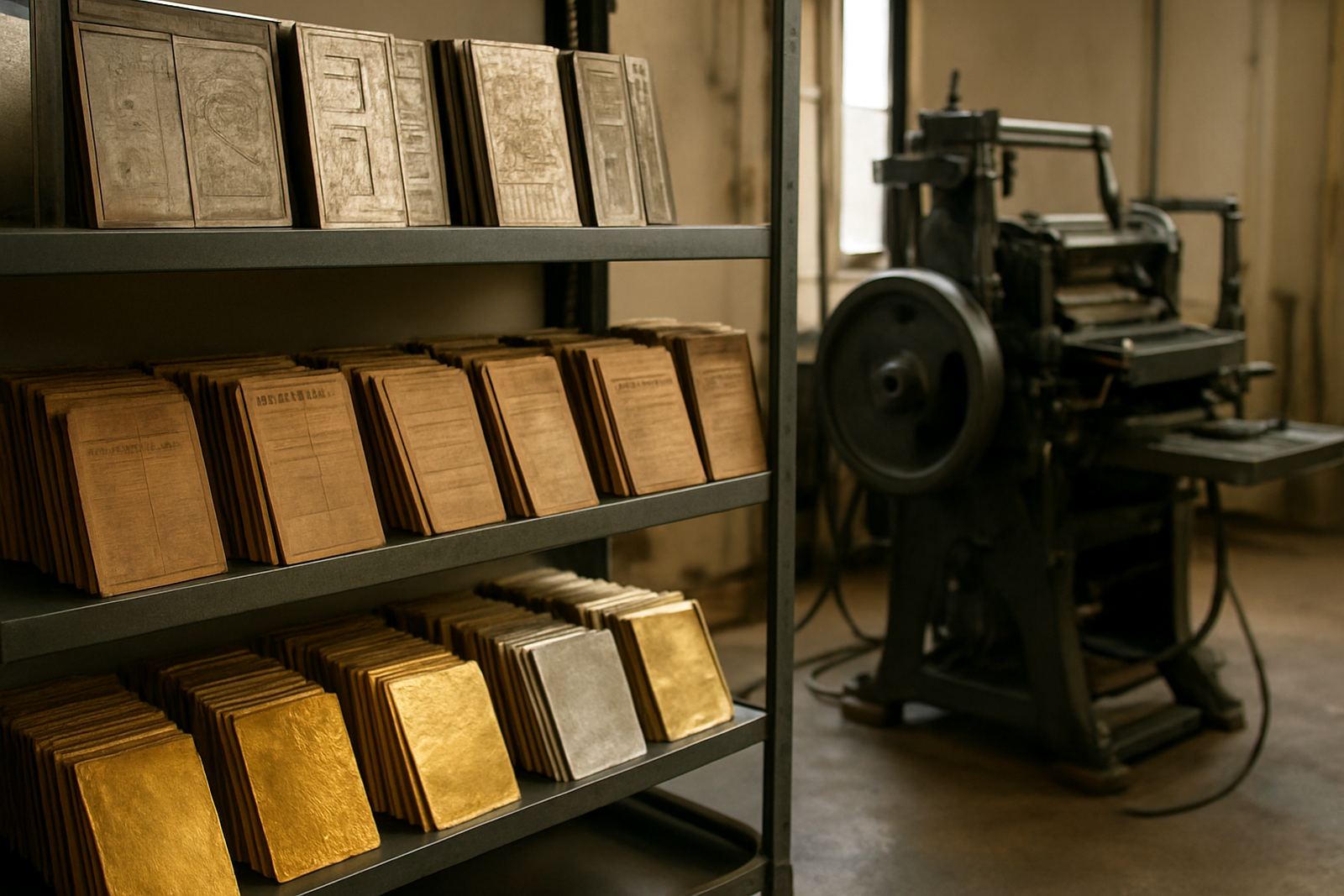
Dies are easy to misplace when a workshop is full of short runs and urgent reorders. That is why repeat work runs better when every die is marked clearly and stored in a set place. The label should show the job name, size, date and any notes about wear or setup quirks.
If you use more than one die for a customer, colour-code the storage trays or racking so the team can tell them apart at a glance. Even a small mix-up can waste time, especially when two jobs look similar but need different artwork placement. In some cases, a damaged or chipped die can still be used for a quick check, but it should never be put back into production without inspection.
For businesses in Industria West, Roodepoort or Germiston, where turnaround times can be tight and transport schedules are fixed, a clearly stored die can make the difference between dispatching on time and missing a delivery slot. Keep the storage area dry too, because coastal humidity is not the issue in Johannesburg, but dust and heat still affect condition over time.
Test the foil before the run starts
Foil matching is one of the easiest ways to avoid repeat problems. Even when you use the same design, the final look can shift if the substrate, press heat or batch of foil changes. That is why a quick test strip matters before you load the full order.
Always check the sample under the same light your client will likely use. Some foils appear bright in the workshop but dull once packed or displayed near a window. If the job has to match a previous batch, compare the test directly against the retained sample and not just against a description in a file.
- Run a short test on the actual material, not only on scrap paper
- Check edge sharpness and solid coverage
- Confirm the foil releases cleanly with no patching
- Keep one approved sample with the job record
If the result is off, adjust one setting at a time. That makes it easier to see what helped. Changing pressure, temperature and speed all at once can solve the immediate problem but leave you with no clear record for the next repeat order.
Set the press once, then save the working combination
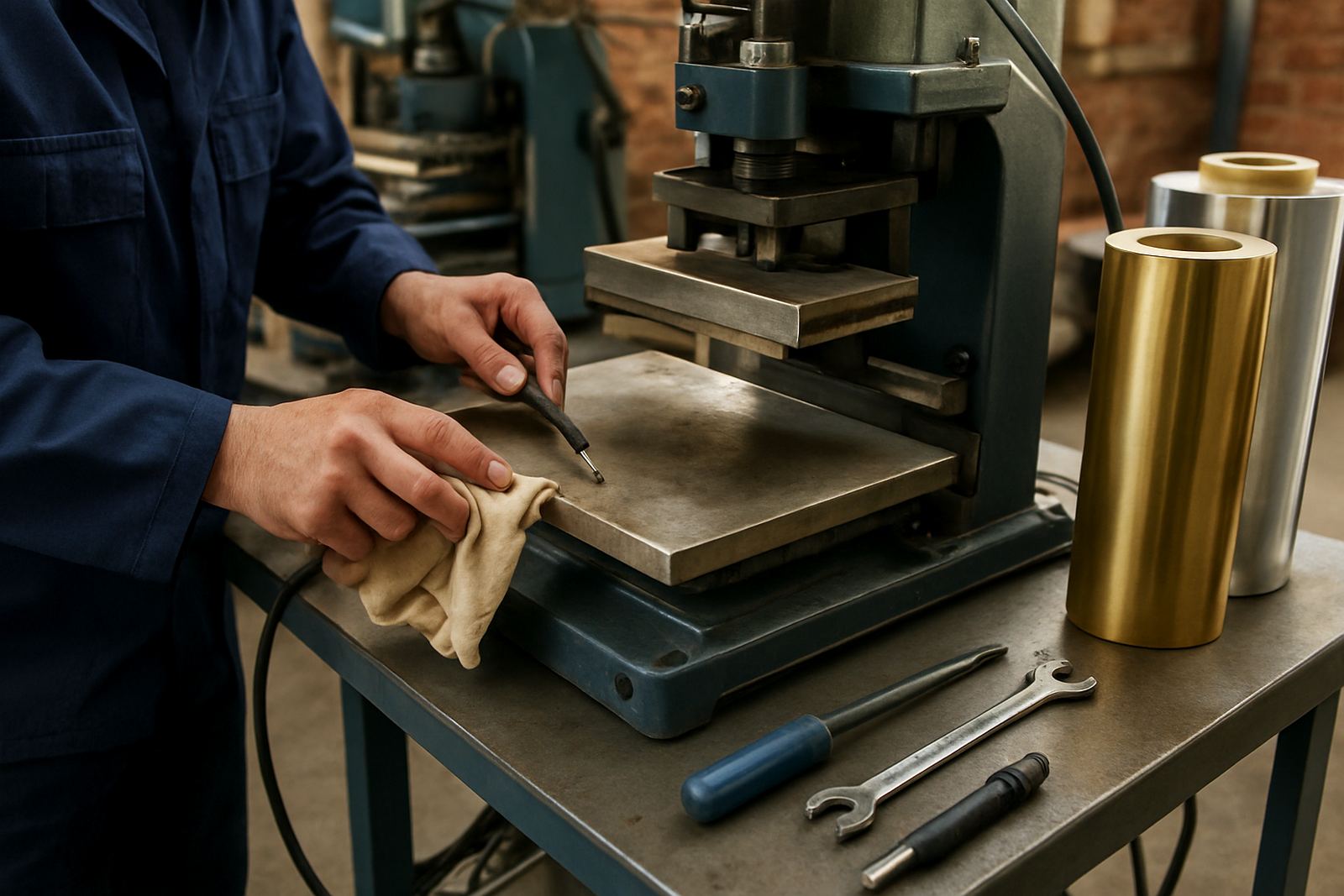
When a job is approved, save the working settings immediately. Write down the actual numbers that gave the best result, not the starting estimates. If your team uses more than one press, note which machine was used as well, since different units can behave differently even on the same job.
During load-shedding, this habit becomes even more important. After power returns, operators often want to restart quickly and may skip the careful part of rechecking the setup. A saved record gives the team a proper starting point and reduces the chance of wasting foil after a sudden interruption. It also helps during heater calibration and pressure setup, because you can return to the last known good position instead of guessing.
For repeat work in Sandton or Midrand, where client deadlines can be tight and dispatch windows are narrow, saved settings help production start faster after lunch breaks, shift changes or unscheduled stops. The point is not speed alone, it is speed with consistency.
Use customer feedback to sharpen the next repeat order
Repeat work should improve over time, not just get copied. After each run, ask the customer what mattered most: colour depth, clean edges, better adhesion or a different finish on the final pack. That feedback can guide the next order and prevent the same small issue from returning.
Keep the notes practical and specific. Rather than writing that the job looked fine, record what changed and why. For example, if a packaging client in Roodepoort wanted a warmer gold on a coated carton, that detail should sit beside the foil record so the next production team does not repeat the earlier mismatch.
- Note any client comments on the approved sample
- Record whether the job was packed flat, boxed or sleeved
- Flag reorders that need a fresh die check before production
- Mark special instructions for municipal tenders or regulated packaging where traceability matters
Good records make reorders calmer. They also make it easier for the office, workshop and sales team to speak the same language when a client calls for another run next month.