Why the heater plate matters more than many operators think
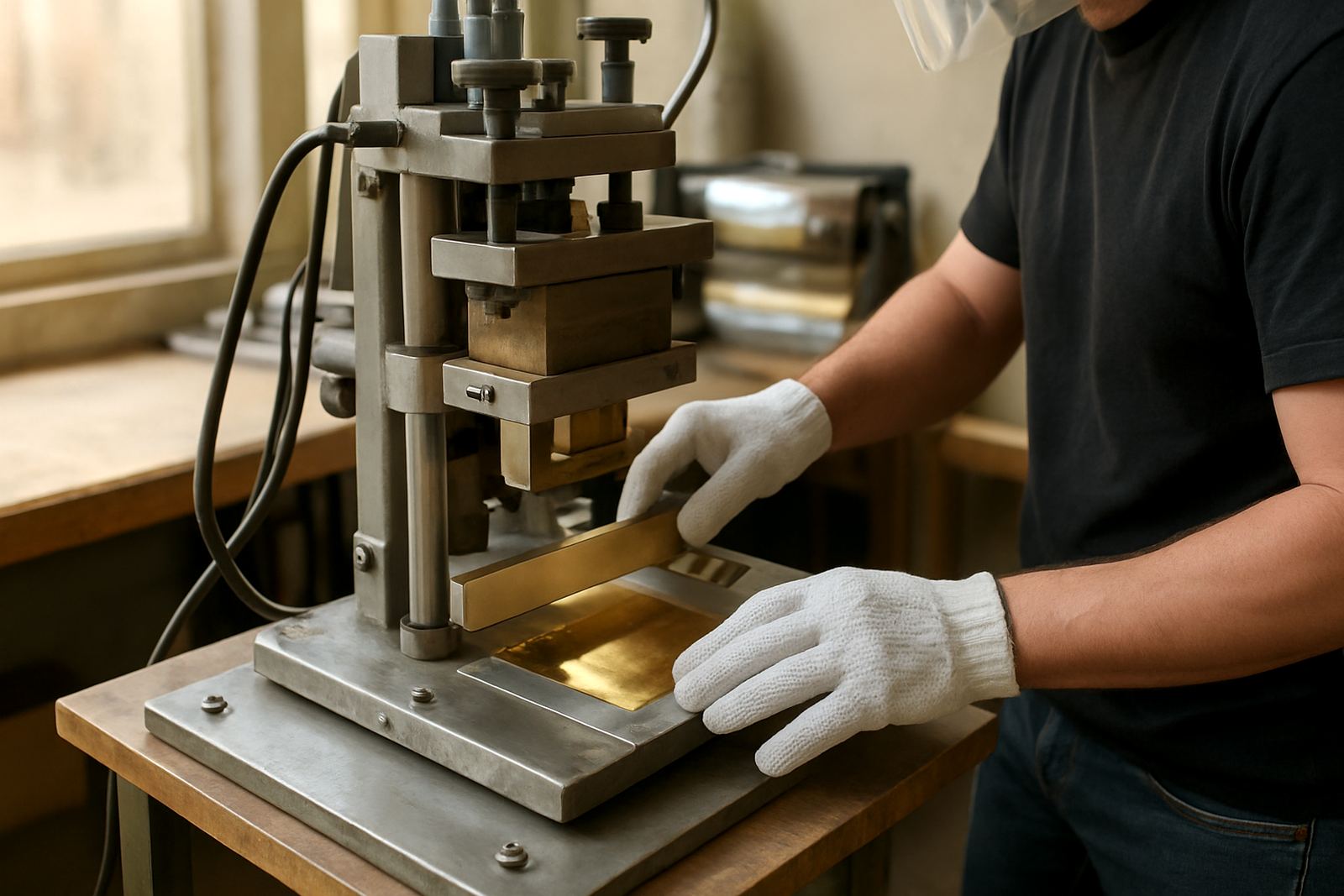
The heater plate is the part that keeps your foil press at a steady working temperature. If it heats unevenly, takes too long to recover after each cycle, or drifts during a run, the result is usually clear on the job: patchy foil transfer, dull areas, over-pressing or scorching on sensitive stock. The press may still run, but the output starts to vary and small errors add up fast.
In card and packaging work, consistency matters more than speed on most days. A wedding invitation run in Sandton, or a carton sample job in Industria West, can go wrong if the plate is running a few degrees out. On short runs, the fault may only show on the first few sheets. On longer runs, it can waste metres of foil and several sets of blanks before anyone notices. That is why heater plate care is not a side issue, it is part of day to day production control.
What causes temperature drift and uneven heating
Most heater plate problems start with ordinary wear, poor cleaning or incorrect setup. Dust, adhesive residue and fine paper fibres build up on and around the plate. Over time, this can trap heat in some areas and slow heat movement in others. Loose terminations, ageing elements and worn sensors can also make the plate cycle irregularly. In humid coastal air, the effect can be worse because condensation and oxidation build up faster on exposed metal parts.
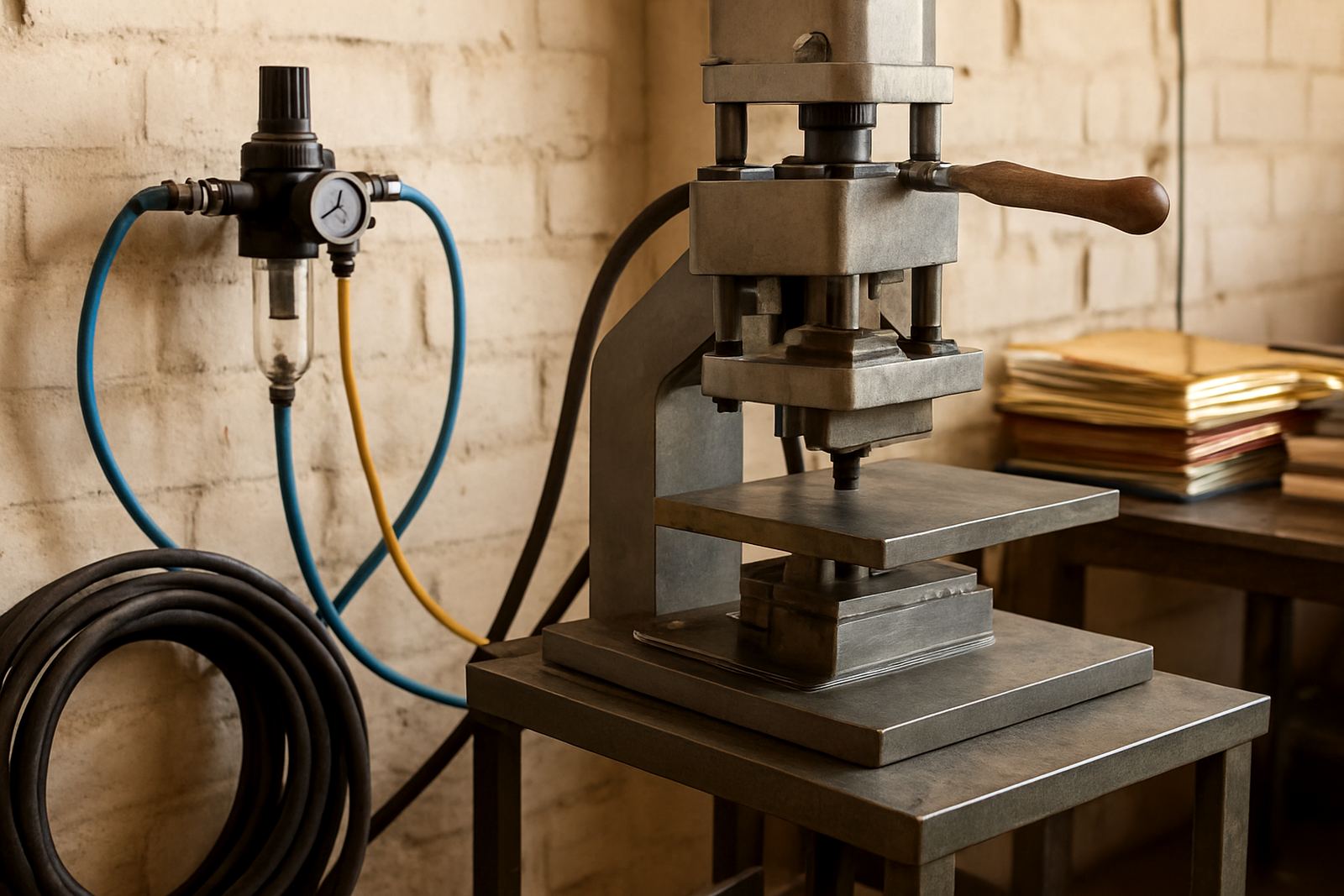
Load-shedding and repeated restarts also place pressure on the heating system. After a power interruption, operators often switch the machine back on and expect instant production. The plate may reach the set point on the display, but the surface can still be recovering. If pressure and timing are set too soon, foil results become inconsitent across the sheet.
- Uneven foil patches or dull corners on the image
- Burning or shiny marks on coated paper and board
- Longer warm-up times than usual
- Temperature overshoot after each cycle
- Need to increase dwell time just to get the same finish
Daily checks that keep production steady
A few minutes of routine checking before the first run can prevent a full shift of losses. Operators do not need to strip the machine every morning, but they should look for signs that the plate is not behaving normally. Heat should rise evenly and stay stable once the press reaches working range. If the machine has zones, each zone must be checked for consistent response, not just overall temperature.
It also helps to keep a simple log. Note the set temperature, actual working behaviour, material type and any changes after a power outage or maintenance call. That record makes it easier to spot drift before it becomes a pattern. In a busy Roodepoort finishing room, for example, a log can show that a plate starts overshooting after lunch when the workshop heats up. That sort of detail helps the technical team fix the cause instead of guessing.
- Wipe off dust and foil residue from the surrounding area once the press is cool
- Check cables, plugs and visible connections for heat marks or looseness
- Confirm that the temperature reading settles instead of rising and falling too much
- Test a short run on offcuts before starting a customer job
- Keep pressure and timing settings written down for repeat work
Cleaning methods that protect the plate surface
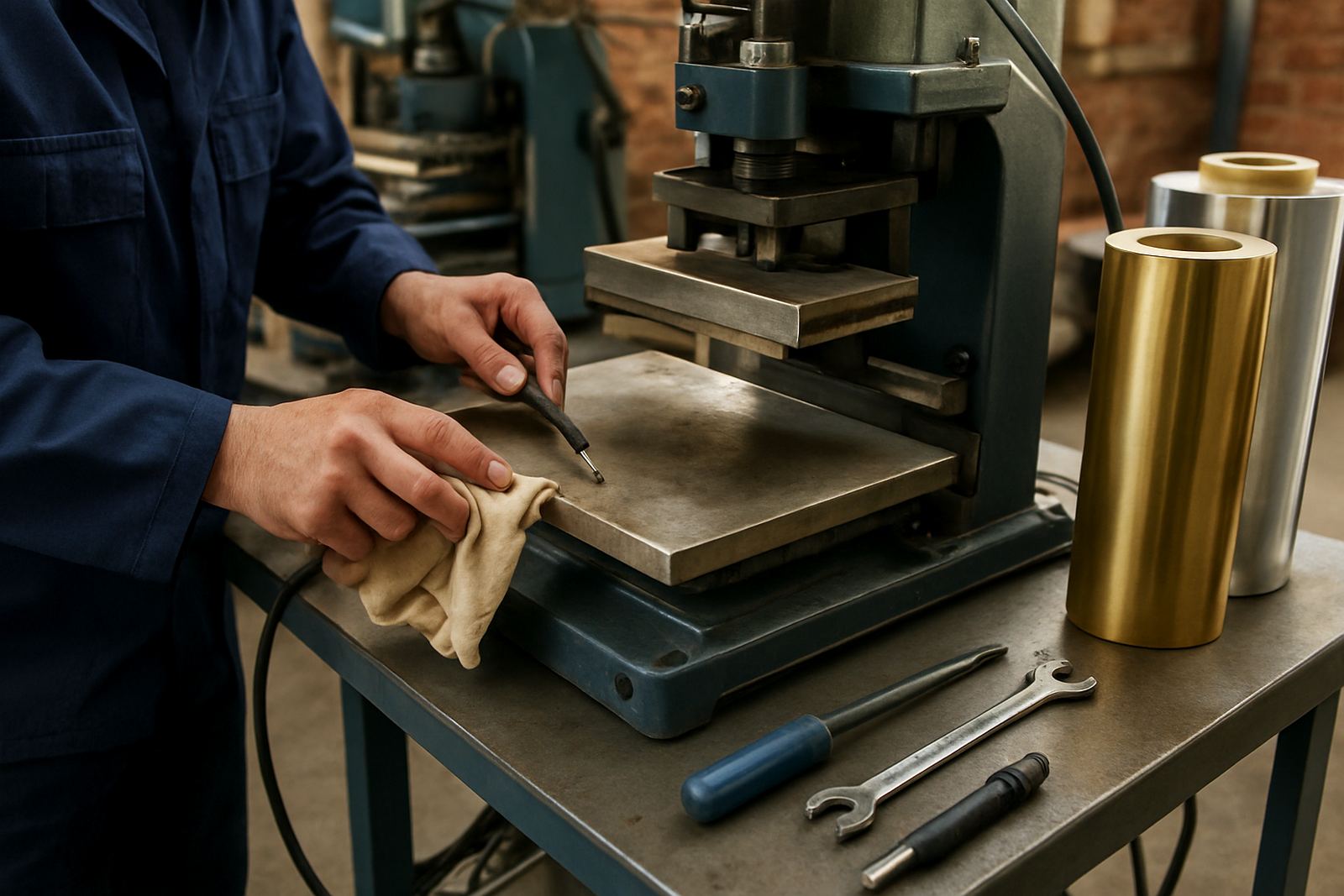
The heater plate surface should be kept clean, but not scrubbed harshly. Use only materials and cleaning agents that are safe for heated machinery and follow the press maker's guidance. Abrasive pads and metal scrapers can mark the surface, and once that happens heat transfer becomes less even. A scratched plate can also affect how the foil and die sit during pressure application.
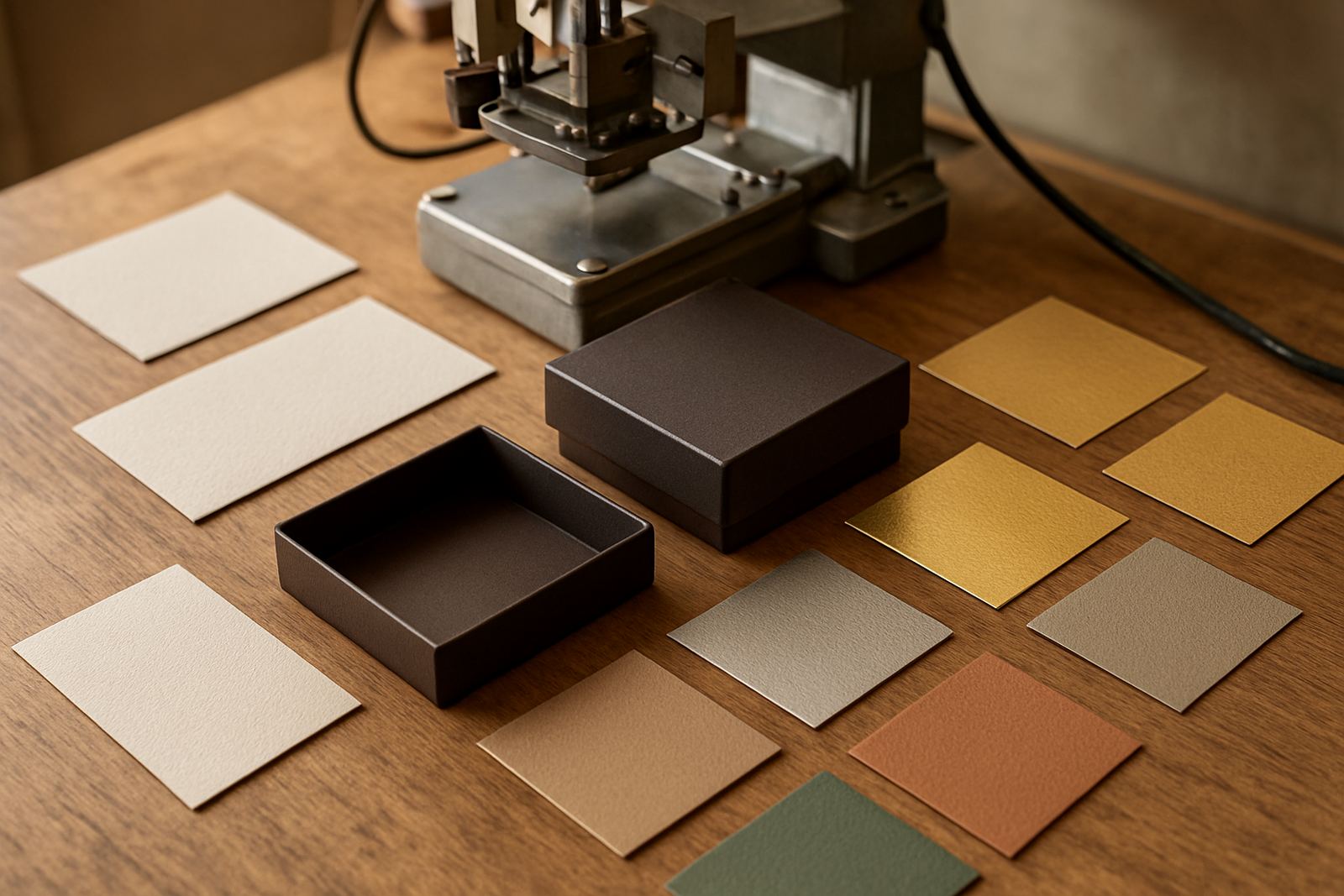
For presses used on coated board, laminated packaging or heavy card stock, residue tends to collect faster around the working area. This is common in Johannesburg, where production teams often run mixed jobs in the same week and change materials frequently. The best habit is simple: let the press cool properly, remove loose debris, then clean the plate lightly and check for any build-up around mounts and edges. Never rush a hot clean just to save 10 minutes, it usually costs more later.
When heater plate faults point to deeper servicing needs
Some heater plate issues can be handled by cleaning and adjustment, but others need proper servicing. If the plate is taking much longer to warm up, showing unstable readings, or producing the same fault on different jobs, there may be a problem with the elements, sensor calibration or control system. In those cases, keeping the press in production is often more expensive than stopping for repairs.
Technical checks should include temperature calibration, pressure verification and a look at the surrounding mechanical parts. A plate can be working within range on the display but still be off at the surface. That matters when the job needs fine detail, thin foils or repeat packs for retail packaging. If your team in Midrand or Germiston is seeing recurring issues on the same press, it is worth testing the full heating path rather than replacing foil or dies first.
- Calibration checks after major repairs or element replacement
- Inspection of contact points, relays and safety cut-outs
- Review of press pressure if the foil release looks weak or uneven
- Testing after power interruptions or voltage fluctuations
- Recording the fault so repeat problems can be traced faster
How better heater care improves output and saves foil
Good heater plate care has a direct effect on material usage. Stable heat means the foil releases more cleanly, so operators do not need to increase pressure or repeat the job just to get coverage. That reduces waste on both the foil and the substrate. It also protects turnaround times, which matters for short packaging runs and seasonal work where every day counts.
For smaller craft shops as well as larger production lines, the benefit is the same: fewer rejects, less rework and better predictability. A printer in Sandton handling premium card inserts may need the same finish from the first item to the last. A packaging team in Industria West may need repeatable results across several cartons without constant adjustment. In both cases, the heater plate is doing quiet but important work in the background.
A practical maintenance rhythm for South African workshops
The easiest way to manage heater plates is to build them into a normal maintenance rhythm. Daily checks, weekly cleaning and scheduled servicing will catch most issues before they interrupt production. During winter mornings in Johannesburg, cold starts can make temperature behaviour look worse than it really is, so give the press enough time to settle before running production jobs. In summer, allow for workshop heat and humidity when checking final settings.
FoilPress supports presses and foils nationwide from Industria West, with local help available for Roodepoort, Randburg, Midrand, Sandton and Germiston. Our team works with heater calibration, pressure setup, preventive servicing, breakdown repairs and production optimisation. If your heater plate is drifting or the foil finish is becoming uneven, it is better to deal with it early than push on and hope it settles by itself. That usually only leads to more waste and more downtime.