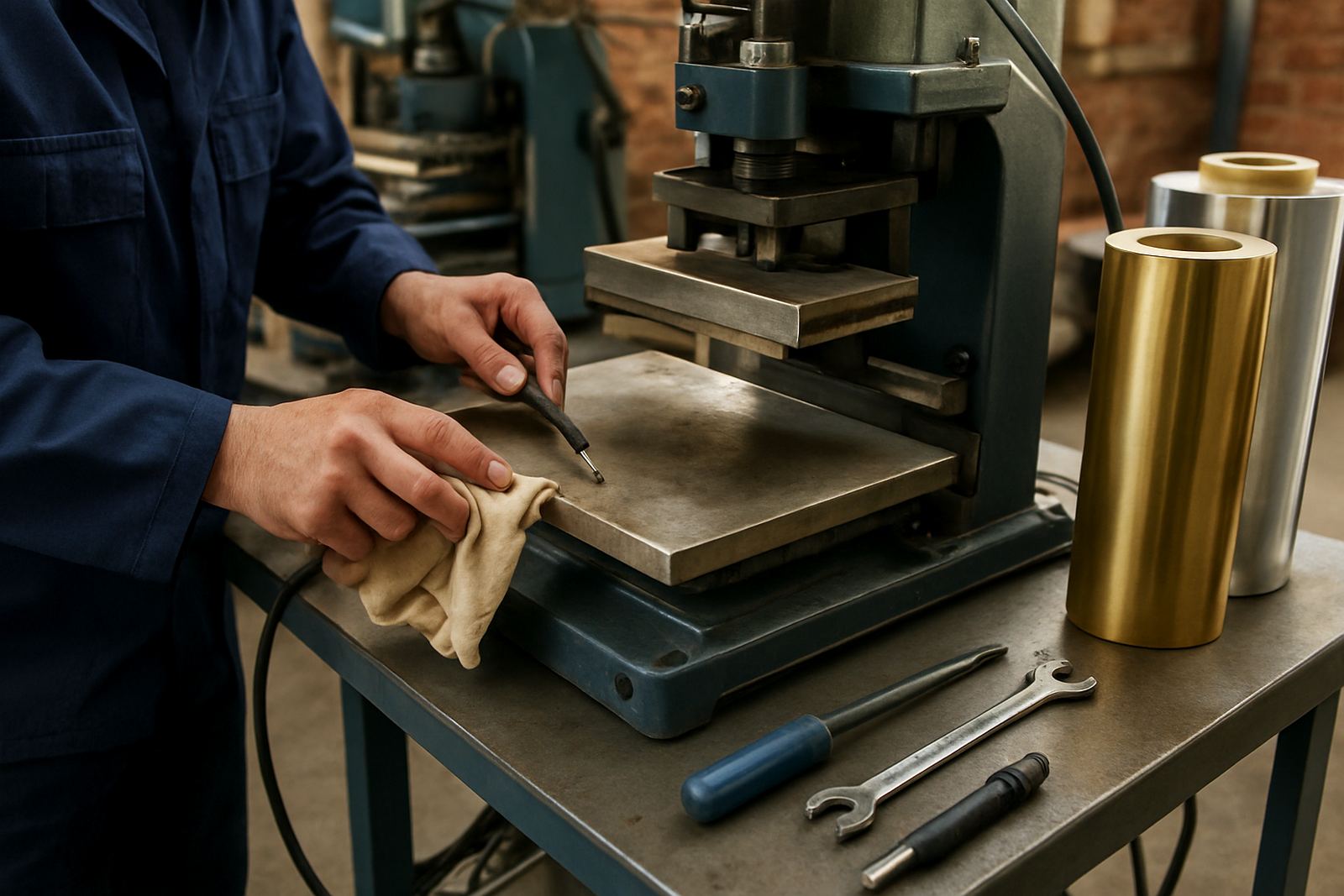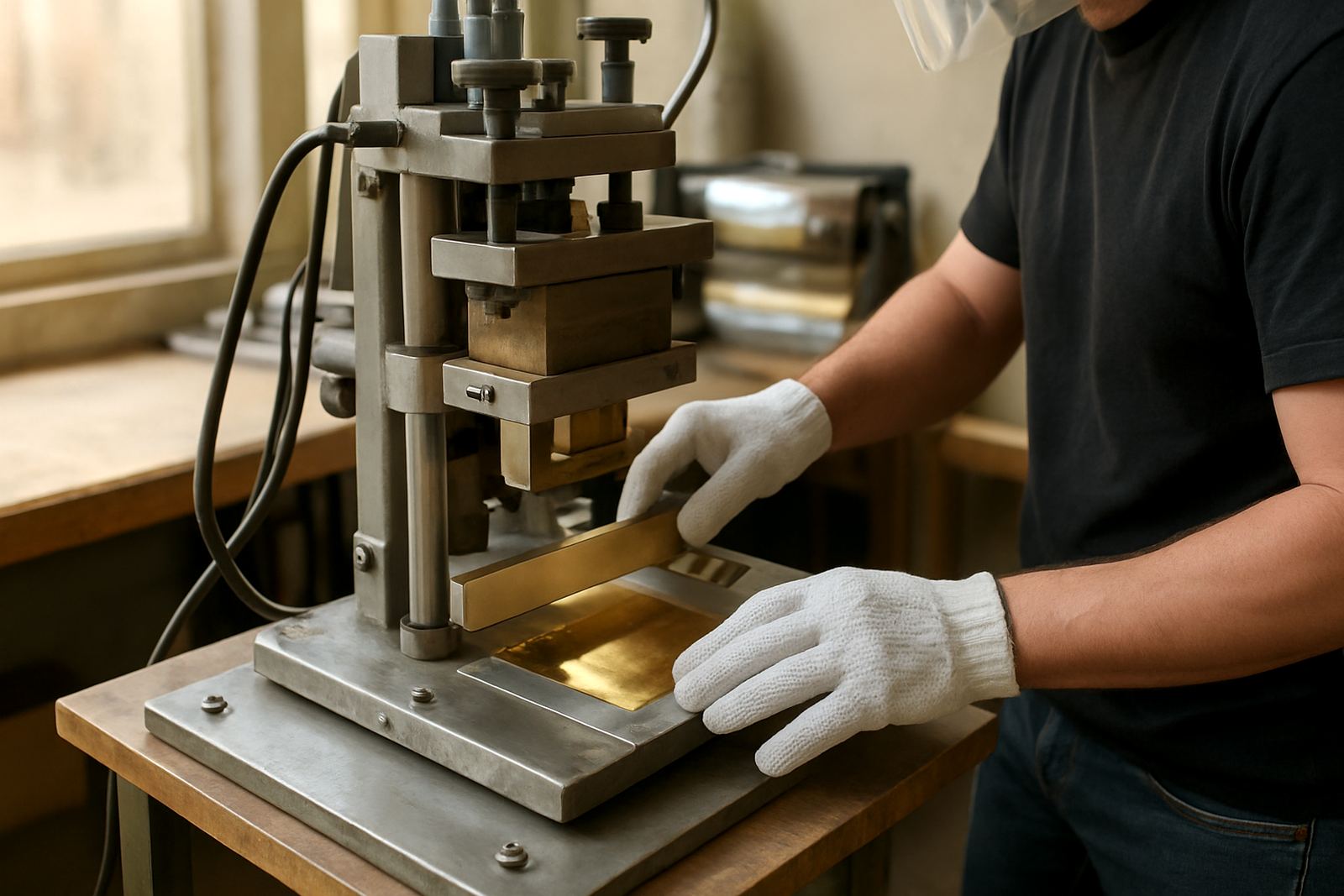
Start with the three main risks at the press
Most incidents on a foil press happen because someone gets too comfortable with a routine. The first risk is heat, since platens, heaters and tooling can stay hot long after a run ends. The second is the nip points and moving parts around the press bed, guards and feed area. The third is repetitive handling, especially when operators are loading sheet after sheet, lifting reels, or clearing waste for a full shift.
In Johannesburg, where many shops run mixed batches and short lead times, operators often move fast to catch up after load shedding or a late file change. That is exactly when basic discipline matters most. A safe operator keeps hands clear, checks settings before each run, and does not rush a setup because the queue is growing.
PPE and clothing should suit the job, not the habit
Operator safety starts before the first sheet goes in. Closed shoes are non-negotiable, and loose sleeves, dangling jewellery and soft scarves must stay off the floor near the machine. Heat resistant gloves can help during die changes or when handling freshly stamped material, but they should never replace proper handling technique. Gloves are a backup, not a licence to touch hot surfaces carelessly.
Eye protection is sensible where trimming, cutting or cleaning creates splinters and fine debris. If the press room is dusty from board cutting or foiling on textured stock, a light dust mask may also help on cleaning days. Operators should keep a spare set of work clothing on site if the press area gets sticky from adhesives or foil release. Wet or contaminated clothing makes slips and awkward reaches more likely.
- Wear closed shoes with a solid sole and good grip
- Keep sleeves fitted and remove loose items before starting
- Use heat gloves only for the task they are meant for
- Store cleaning cloths, trimmings and offcuts away from the walk path
Good setup habits prevent most hand injuries
The safest press operator is the one who checks the setup the same way every time. Before a run, confirm that the die is mounted correctly, the pressure setting is matched to the stock, and the foil path is straight with no snag points. If the machine has just been serviced or calibrated, do a short test on scrap before moving to production sheets. That simple step can save fingers, stock and time.
When changing dies or clearing a jam, isolate the machine properly and wait for heat to drop to a safe working level. Do not reach into the press bed to nudge material while the machine is live, even for a quick correction. A small delay is better than a crushed finger or a damaged platen. In Sandton or Midrand, where jobs may switch quickly between carton work and shorter craft runs, a written setup routine keeps everyone on the same page.
- Check guards and emergency stop buttons before each shift
- Confirm pressure, temperature and dwell time before production
- Use scrap stock for the first impression after any change
- Never bypass a guard to save a few seconds
Keep hands, posture and repetition under control
Repetitive handling does not sound dramatic, yet it causes some of the most common workshop strains. Reaching across a bed all day, twisting to stack finished sheets, or lifting heavy board packs from the floor can leave an operator sore and tired by afternoon. Tired people make slower decisions and miss small hazards. Safety training should include how to stand, how to lift and how to move stock without overreaching.
A simple rule helps: keep the stock, controls and finished pile within easy arm reach wherever possible. If the job needs a two person lift, use two people. If the finished pile is getting too high, stop and clear it before it becomes a balancing act. In Roodepoort and Germiston workshops, where floor space can be tight, this kind of layout discipline matters just as much as machine skill.
- Set the working height so the operator is not bending all day
- Rotate tasks where possible to reduce repeat strain
- Keep the floor clear of loose foil, tape and offcuts
- Use trolleys or pallet jacks for heavier stock loads
Power cuts and restart checks need a fixed routine
Load shedding adds a local safety issue that many operators know too well. When power drops, the press may stop in an awkward cycle, heaters may stay hot, and material can sit half set in the machine. When power returns, do not simply switch on and carry on. First check that the bed is clear, the controls are reset, and no one has placed hands inside the working area while the machine was idle.
After a shutdown, inspect the foil path and the last sheet run before restarting. If the temperature drifted, the pressure changed, or the job sat too long, production quality can suffer and operators may start making unsafe quick fixes. A disciplined restart protects both the machine and the team. For busy sites in Industria West or Randburg, it is worth keeping a printed restart checklist near the press so no one has to rely on memory when the lights come back on.
Training, housekeeping and reporting keep the floor safe
Safety is not only about what happens at the machine. It is also about who was trained, who is allowed to make changes, and how quickly small faults are reported. A press room should have one person responsible for recording issues such as heater drift, odd noises, loose fittings or repeated foil tracking problems. These are not just production problems, they can become safety problems if ignored.
Housekeeping matters too. Foil offcuts, paper dust and scraps of board on the floor create slip risks, especially near a hot machine where operators are already focused on the job. At the end of a shift, clear waste, wipe down control surfaces and check that tools have been returned. If a fault appears, stop the run and call for support rather than pushing through another stack. A short pause is cheaper than an injury or a damaged press.
FoilPress works with shops and factories across Johannesburg City West and beyond, and the same pattern shows up again and again: the best operators are not the fastest, they are the ones who follow the same safe process every time. That habit protects people, keeps output steady and makes it easier to handle busy periods without avoidable mistakes.