Why foil still wins attention on crowded shelves
In a shop with ten similar cartons or greeting cards, the finish often does the first bit of selling. Foil catches light differently from print, board texture and matte laminate, so it gives a product a clear point of difference without needing a full redesign. That matters in Johannesburg, where buyers move fast and packaging has to work hard from the shelf to the counter.
Foil is not only about looking polished. It can help communicate range, season, gift value or limited edition status in a way that feels immediate. A small perfume carton, a premium stationery box, or a wedding invitation set all gain presence when the foil is placed with purpose. The key is to use it where the eye naturally lands, rather than covering every free space.
For local producers, this also makes business sense. Foil can be a focused upgrade on a standard printed item, which allows you to charge for a better finish without changing the whole production line. If the base design is sound and the press setup is controlled, the result is neat and consistent, even on shorter runs.
Choosing foil placements that add value, not clutter
Good foil work starts with restraint. A logo, border, product name or key pattern can carry far more weight than a crowded sheet of shine. On packaging, the aim is to support the brand message and not fight with it. Too much foil can make a carton harder to read, and on some substrates it can expose faults in artwork or board prep.
Before production, decide what the foil must achieve. Is it there to signal premium quality, draw attention to a gift range, or distinguish one SKU from another? Once that is clear, the layout can be checked for line thickness, registration tolerance and how the foil will sit against print. Small adjustments at artwork stage save time on press.
- Use foil on the main brand mark when the product needs fast shelf recognition.
- Keep text size large enough to hold clean edges after stamping.
- Allow clear space around fine detail so the finish stays sharp.
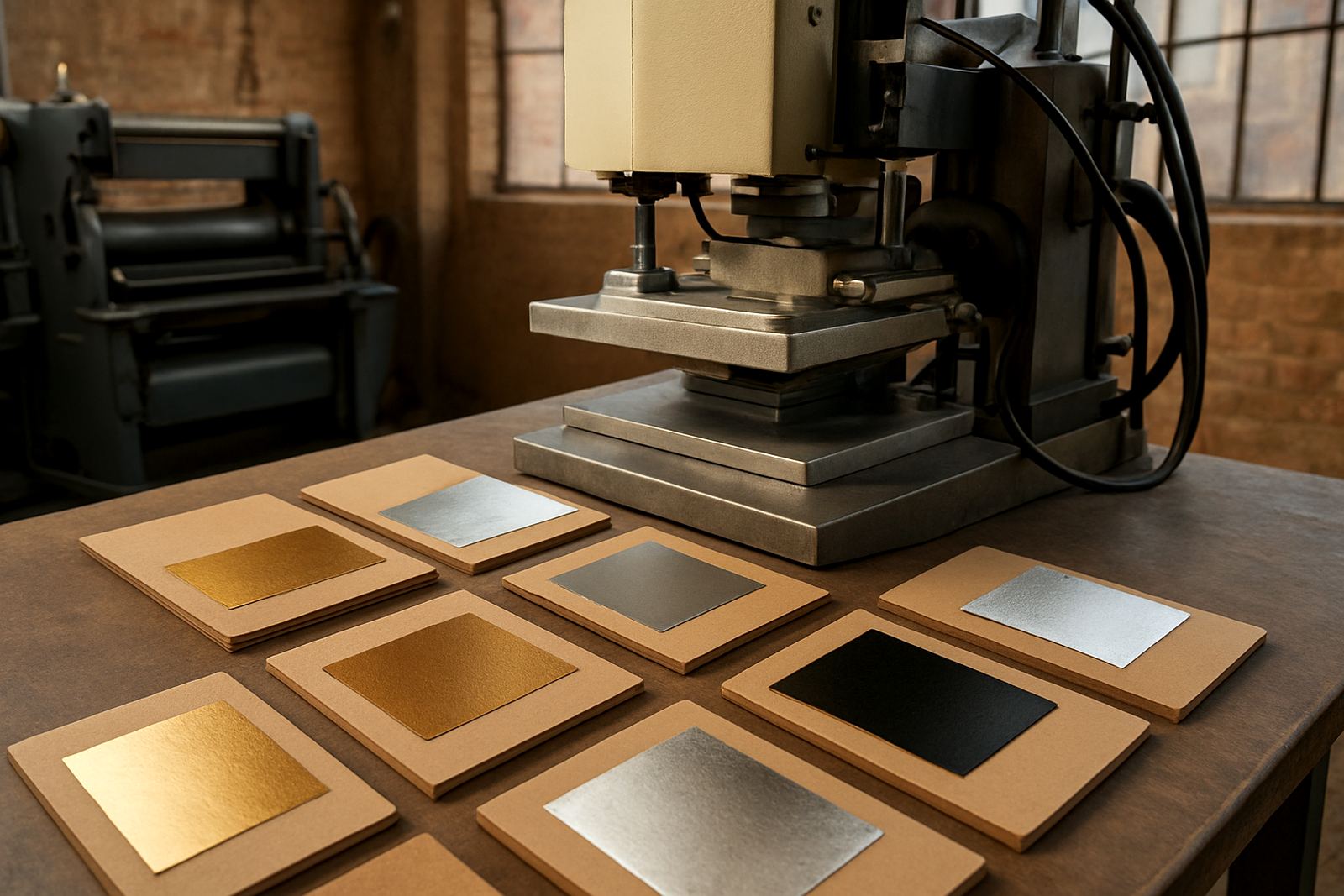
- Match foil colour to the board and ink rather than choosing by sample alone.
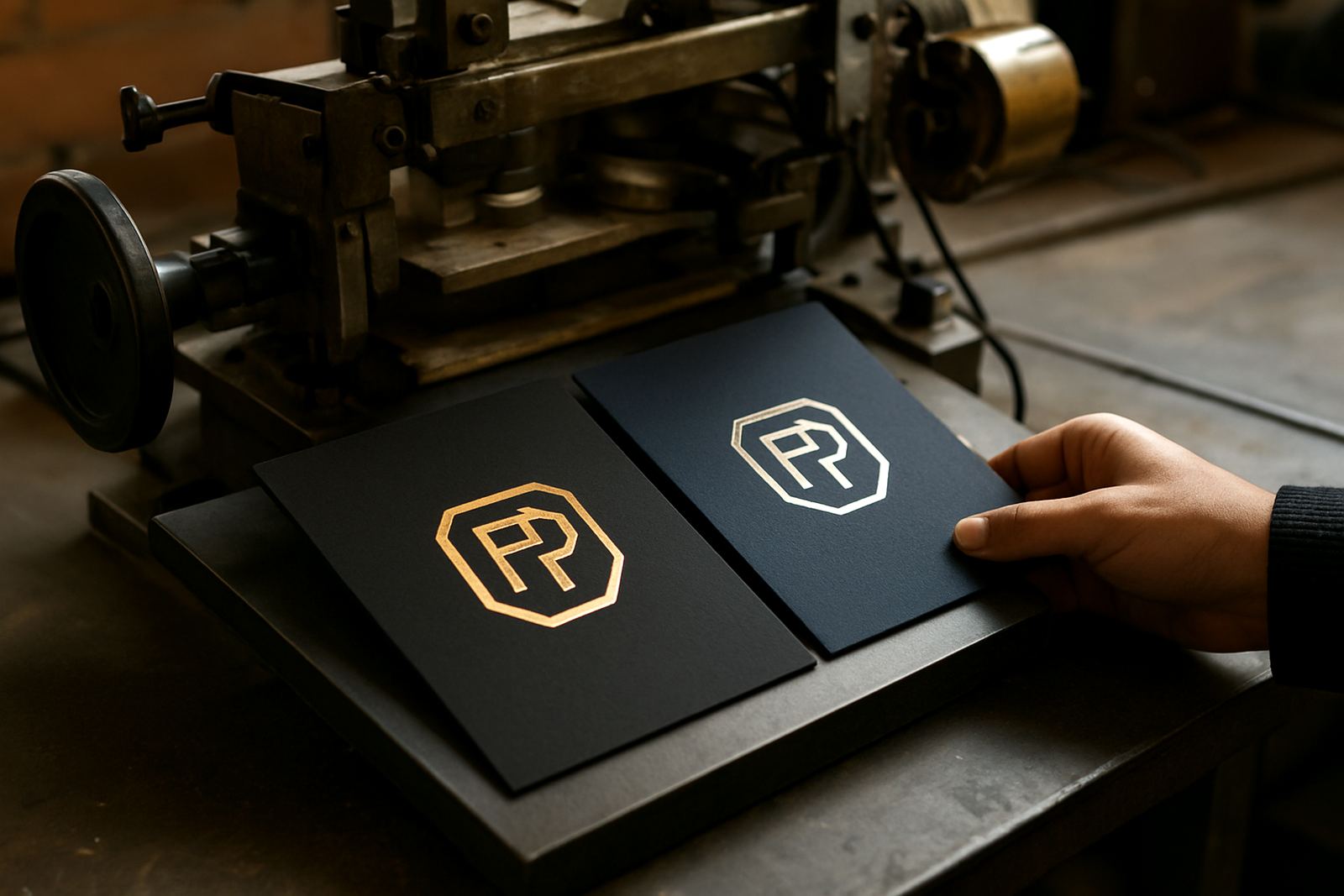
In practical terms, a gold foil on deep navy board will read very differently from the same foil on kraft or white stock. That is why sample testing matters, especially if the end use includes retail lighting, courier handling or long display periods.
How production setup affects the final finish
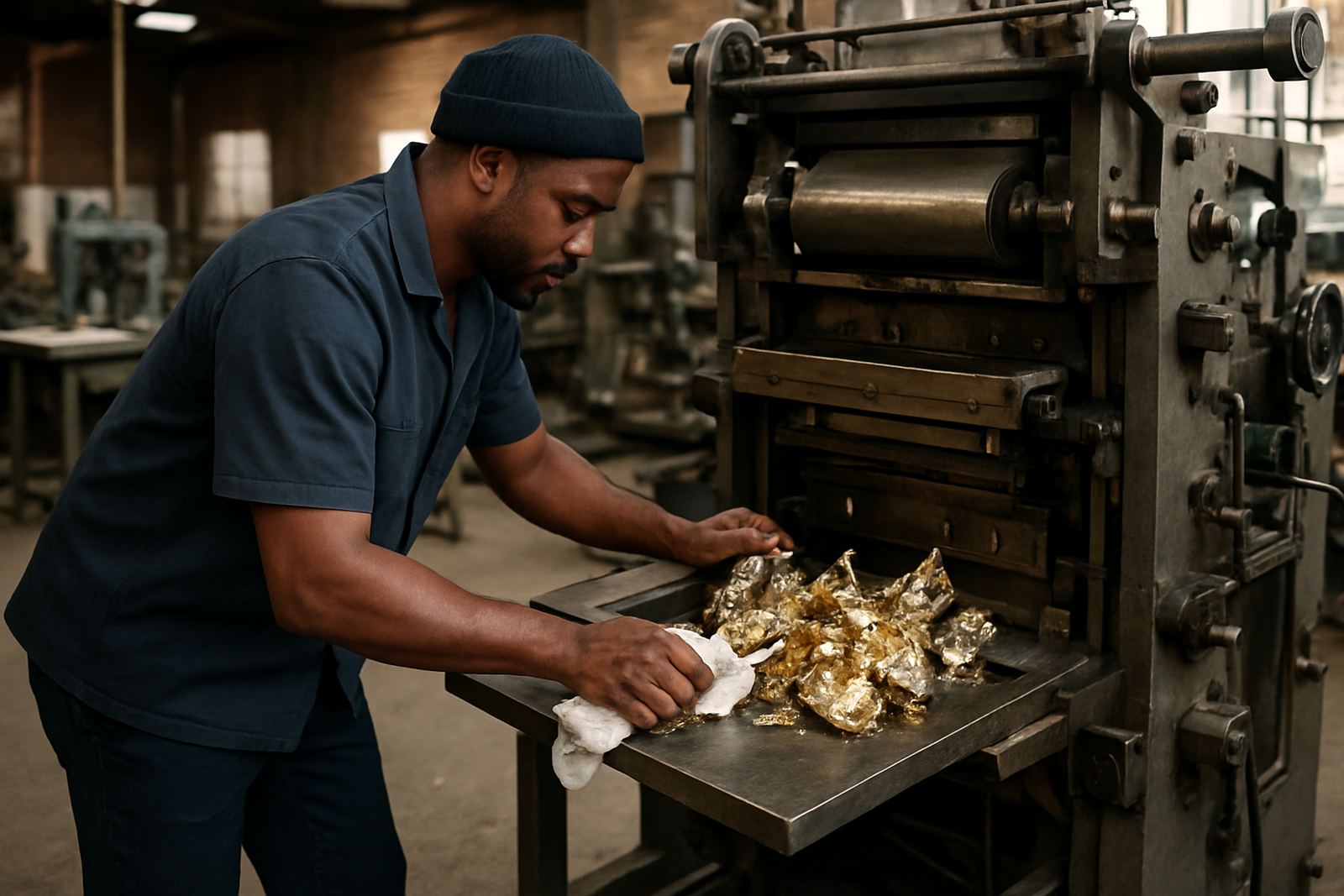
Foil is unforgiving when pressure, heat and dwell time are out by even a little. If the heater is too cool, the image will not transfer cleanly. If pressure is uneven, the stamp may bite too hard on one side and miss another. The result is wasted stock, not just a small cosmetic issue. For busy workshops in Industria West or Roodepoort, that can quickly become expensive.
A proper setup includes accurate die mounting, heater calibration and pressure balance across the working area. It also means checking board moisture, coating type and press speed before the main run starts. South African humidity near the coast can change stock behaviour, but even in inland winter months paper and board react differently from day to day. A steady process is what keeps output consistent.
Load shedding adds another layer. If a press is stopped mid-run and restarted without checking temperature recovery, the next sheets may carry different results from the first batch. Good operators watch for that and reset the machine rather than hoping the settings will hold. It takes a little more time upfront but protects the full order.
The packaging jobs where foil earns its keep
Some products benefit more from foil than others. Anything sold as a gift, special release or premium line is a strong candidate, but there are also functional packaging uses. Foil can be used to separate product ranges, mark a regulatory panel clearly, or create a strong front face on small cartons that need instant recognition. In the packaging world, that kind of clarity has real value.
Common applications include:
- Cosmetic cartons that need a polished shelf look.
- Chocolate and confectionery boxes for seasonal promotions.
- Stationery covers and presentation folders.
- Weddings, events and limited run invitation packs.
- Luxury labels and sleeves for direct-to-customer products.
For smaller craft businesses, foil can lift a hand-finished product into a more saleable category without moving into full-scale commercial packaging. For larger manufacturers, it can bring consistency across long runs and multiple branches. The point is not size, but control over the finish.
Matching foils to South African production conditions
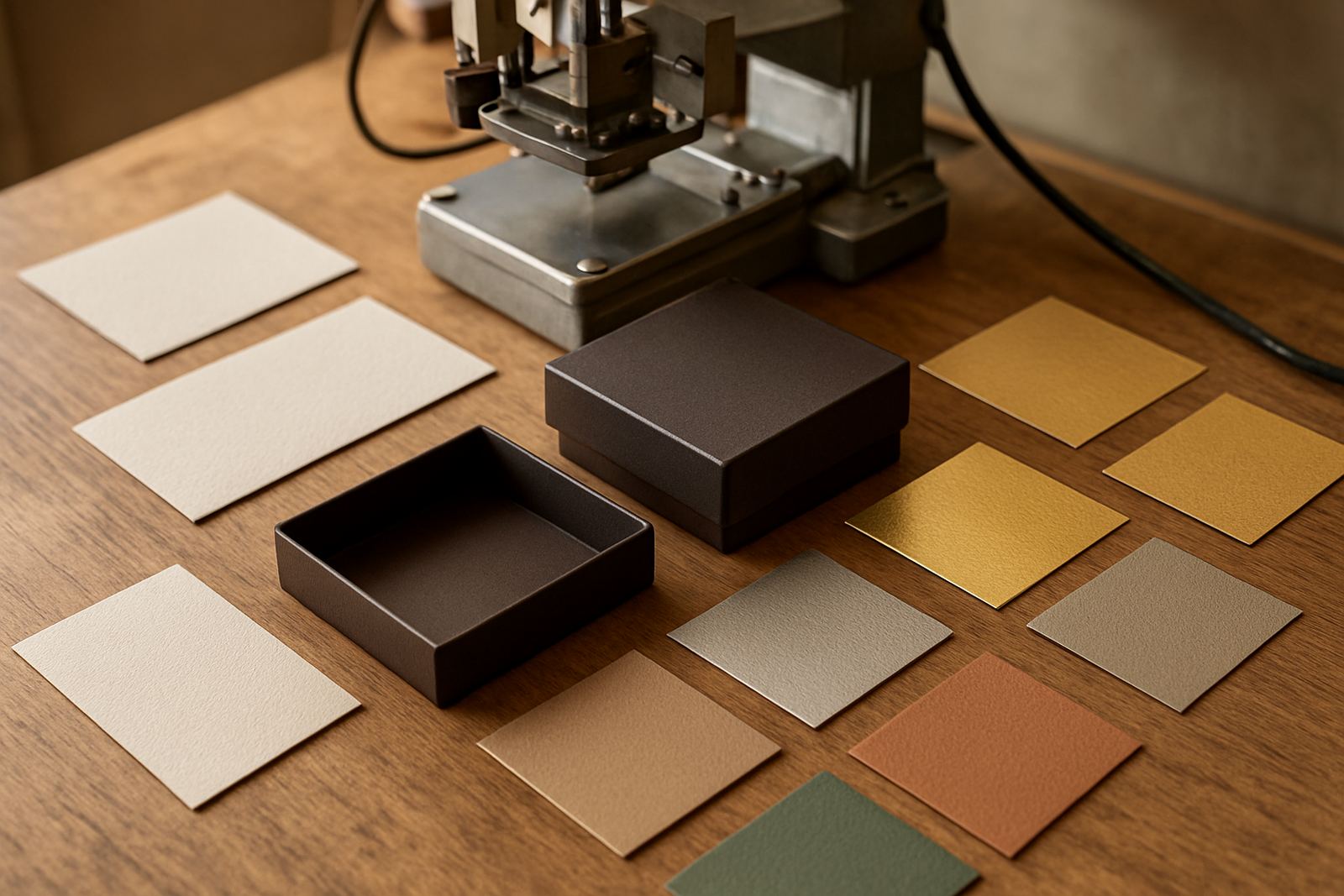
Local production conditions should shape the foil choice. Some foils perform better on coated board, while others suit textured or uncoated stock. A darker foil may look striking in a showroom, but under strong retail light it can lose detail if the linework is too fine. Likewise, metallics that show beautifully on one batch can appear flat on another if the surface prep changes.
Planning ahead matters when work is scheduled around courier cut-offs, retail launch dates or municipal permit timelines for a market event. If the press room in Sandton is preparing a short premium packaging run for client sampling, there is little room for trial and error on the day. Test pieces, confirmed settings and a clear approval sample save time and reduce spoilage.
- Test on the actual board, not just a similar sample.
- Check how the foil looks under warm and cool lighting.
- Confirm the finish after folding, cutting and gluing.
- Store foil rolls and dies in a dry, stable area.
That last point matters more than many people expect. Heat and dust in a working factory can affect both handling and storage, so a disciplined workshop routine makes a real difference to final quality.
Keeping output steady from first sheet to final carton
The most useful foil finish is the one that stays consistent. A beautiful first sample means little if the last hundred cartons show drift in position or transfer. Production optimisation starts with the basics: correct setup, regular checks, disciplined operator training and planned servicing. These steps sound simple, but they are what keep a finish looking premium when the order volume rises.
When a line is running well, teams can focus on the actual business of getting product out the door. That may mean adjusting pressure for a thicker board, changing a die mount to suit a different carton size, or matching foil to a new print batch. Small changes should be tracked properly so the next run starts from a known point, not guesswork.
For businesses across Johannesburg, Germiston, Midrand and Randburg, this reliability helps protect both turnaround time and brand presentation. A premium packaging element only works if it arrives looking the way it was approved. If it does, the customer notices the finish before they ever read the rest of the pack.
Practical support for presses, foils and packed schedules
FoilPress works with card and packaging businesses that need dependable output, not just machinery on site. That includes press installation, operator training, preventive servicing, breakdown repairs, heater calibration, die mounting, foil matching, spares supply and production optimisation. The goal is simple: fewer stoppages, cleaner results and better use of each shift.
Based in Industria West and serving clients across Roodepoort, Randburg, Midrand, Sandton and Germiston, the team supports both smaller craft operations and larger manufacturers. When a line is under pressure and the schedule is tight, practical help from people who understand the work can keep the order moving without unnecessary drama.
Premium packaging elements do not need to be complicated. They need the right finish, the right settings and a workshop that respects the details. That is where foil earns its place.