Why a shutdown clean matters on a foil line
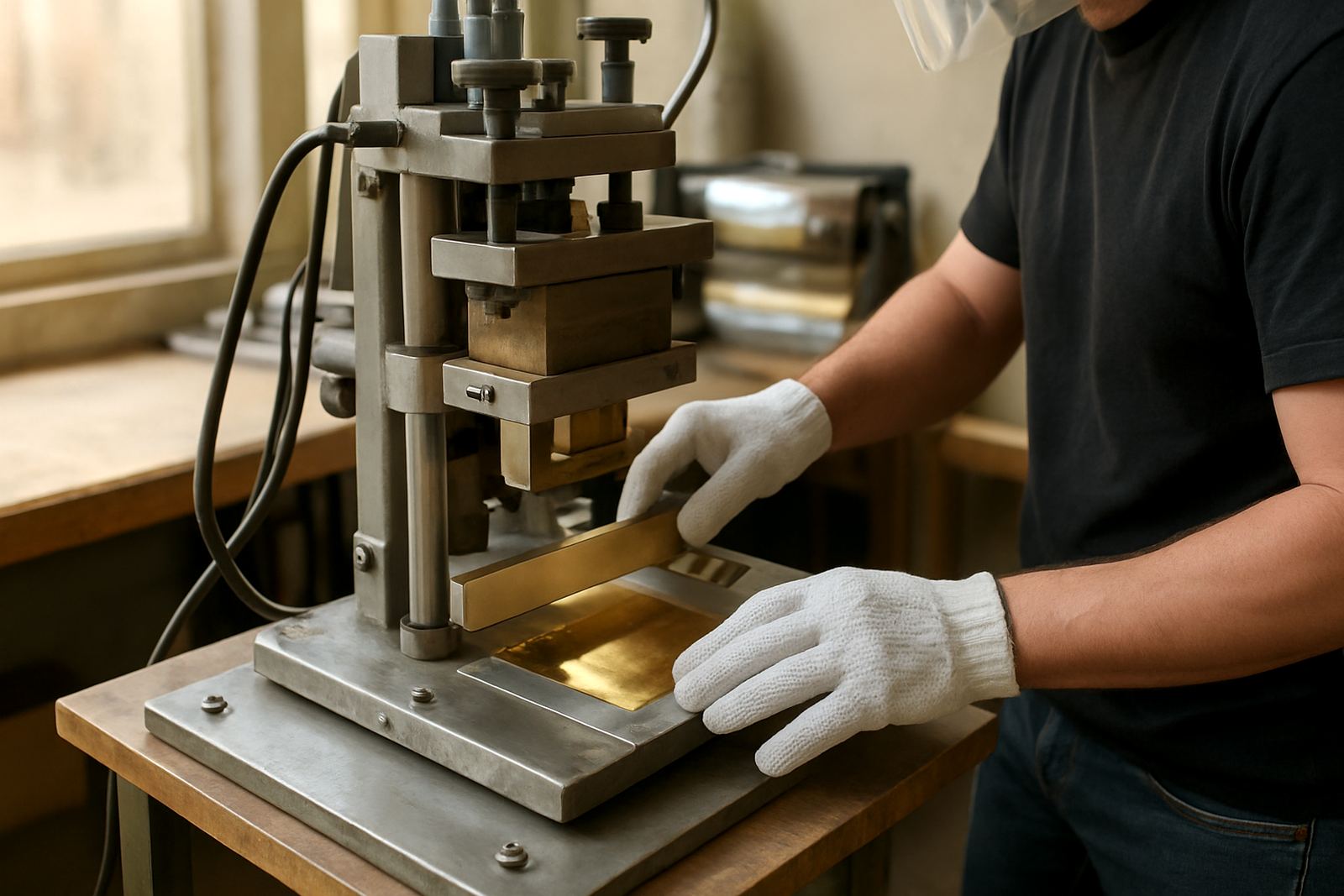
A hot-foil press works under heat, pressure and repeated contact with paper, board, film and tooling. That means scrap, dust, adhesive residue and fine foil particles build up faster than many teams expect. If that dirt is left in place, it can affect registration, leave marks on the substrate and cause a press to run hotter in one area than another.
For a card shop in Industria West or a packaging line in Germiston, the cost of skipping a clean is not only cosmetic. It can mean more rejected sheets, extra time on setup in the morning and faster wear on heater covers, platens and guides. A routine shutdown clean is a simple habit that protects output and keeps the machine ready for the next run.
- Less residue transfer to the next job
- Fewer marks on coated boards and metallic stock
- Better die seating and pressure consistency
- Lower risk of heat related faults after long runs
Start with a safe cool-down, not a rushed wipe
The first mistake is reaching for a cloth too soon. A press should be isolated, allowed to cool to a safe handling temperature and checked for residual pressure before anyone starts wiping around the tooling area. If the workshop has had load-shedding, it is worth confirming that the machine restarted cleanly and that the heater controls are back at the set point before shutdown begins.
Good shutdown discipline is not complicated. It is about using the same order every day so nothing gets missed. That routine becomes even more important in a busy shop where operators change shifts or where the same press handles short craft jobs in the morning and larger cartons in the afternoon.
- Switch off heating and main power in the correct order
- Release pressure fully before opening the working area
- Wait for surfaces to cool enough to touch safely
- Use dry cloths and approved cleaners only
Clean the parts that carry the most buildup
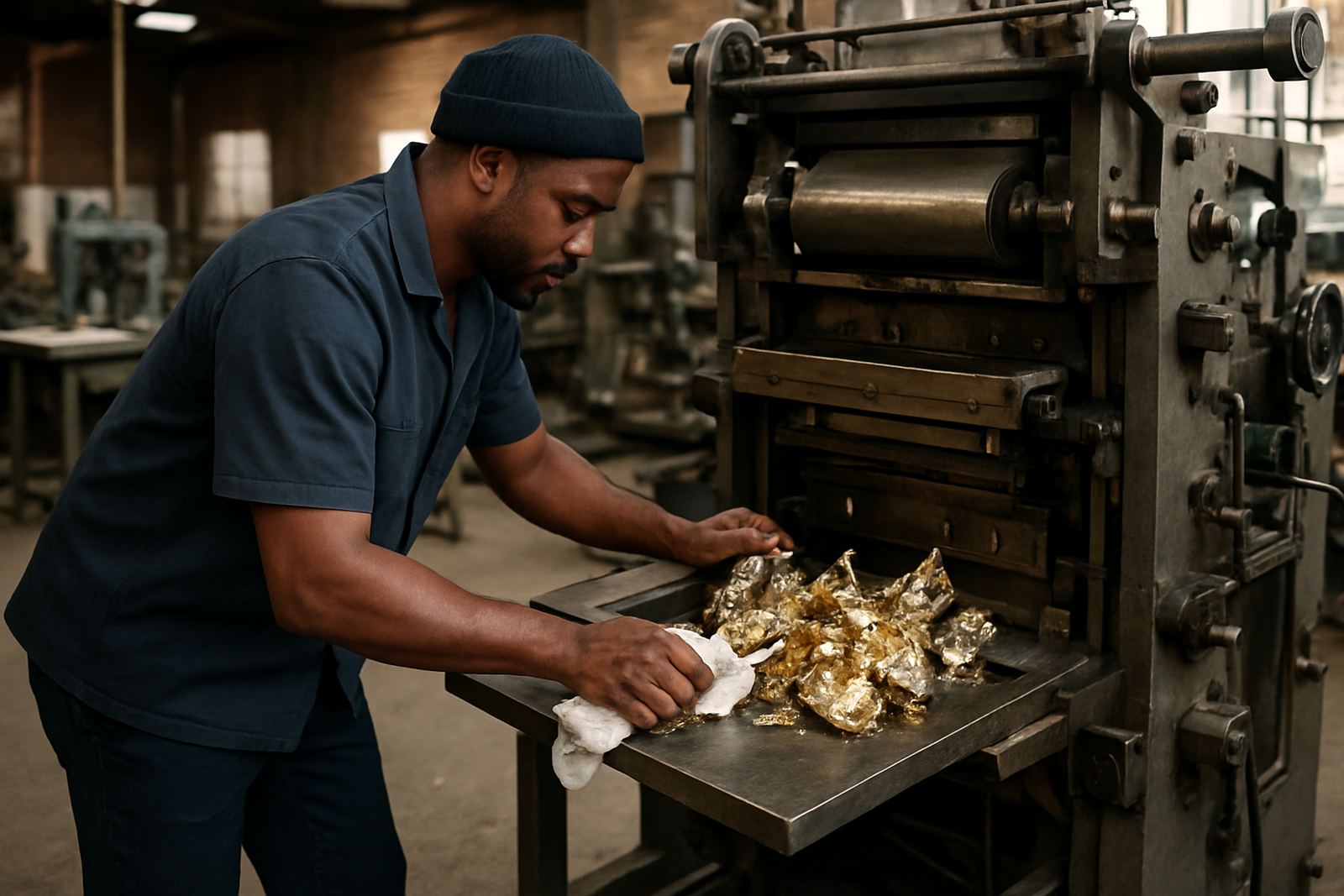
The work area around the foil press collects most of the mess, especially near the die mount, guide rails and feed path. Adhesive from coated board, foil flakes and paper dust often settle where the operator cannot see them at first glance. In humid coastal weather this buildup can become tacky, but even in Johannesburg the fine dust from cutting and packing can work into moving parts.
A good clean should focus on the areas that affect accuracy first, then the outer casing and surrounding floor space. The aim is not to polish the machine. It is to remove anything that could shift the die, block airflow or leave a mark on the next run.
- Die face and surrounding mount points
- Platen edges and contact surfaces
- Foil path, guides and tension points
- Heater covers, vents and control panel surfaces
- Floor around the press where scraps collect
Use the right cleaning method for board, foil and adhesive residue
Hot-foil machines need a careful approach because harsh cleaners can stain painted panels, soften belts or leave residue behind. A dry microfiber cloth works for dust and loose particles. For sticky residue, a mild cleaner that is safe for metal surfaces is better than strong solvents that may damage seals or leave a smell on the production floor.
Operators should also check the tooling after cleaning. A die that looked fine during production may have picked up tiny bits of foil or board fibre at the edges. If those are left in place, the next batch can show a dull patch or a light shift in impression. It is a small thing, but it saves a lot of rework.
- Use soft cloths to avoid scratching polished areas
- Keep liquid away from electrics and control boxes
- Remove residue before it hardens overnight
- Inspect foils, dies and guides at the same time
A local example from a busy Johannesburg workshop
In a small packaging workshop near Roodepoort, the team was running a mix of foil labels and folding carton jobs on the same press. The afternoon shift often ended late, and the machine would sit with fine foil dust around the feed area until the next morning. After a few weeks the operators started seeing light scuffing on the first sheets of each run.
Once the team introduced a five minute shutdown clean, the issue dropped off quickly. They wiped the die area, cleared the feed path and checked pressure settings before locking up. The result was fewer setup surprises, cleaner first sheets and less time spent adjusting the press at 07:00 when the line needed to move. It was a simple fix, but it made the day start much easier.
Build the clean into your end-of-shift checklist
The best cleaning process is the one that happens every day, even when the order book is full. A written checklist helps the team keep the same standard across shifts and branches, whether the work is in Sandton, Midrand or at a smaller site in Industria West. It also helps new staff learn the sequence faster and with fewer mistakes.
Keep the checklist short, practical and close to the press. That way the operator can work through it without guessing what comes next. If a machine has been running heavy stock, long shift hours or repeated heater cycles, add a final inspection step before power down. That extra minute can prevent a breakdown call the next morning.
- Record the last job and any faults before shutdown
- Clean the press in the same order every time
- Check die condition and pressure points
- Note any unusual noise, smell or heat build-up
- Confirm the area is tidy before leaving the workshop
When cleaning is not enough and servicing is due
A proper clean keeps day to day contamination under control, but it will not fix worn heaters, weak pressure, poor alignment or recurring temperature drift. If a press keeps losing consistency after cleaning, the problem may sit deeper in the setup or servicing cycle. That is when preventive servicing, heater calibration or pressure setup becomes the better next step.
For South African production teams, the smart approach is to treat cleaning as the first layer of care and servicing as the second. Cleaning protects the press between jobs. Servicing protects it across months of use. Put both in place and the machine is far more likely to stay accurate, safer to run and ready when a deadline lands unexpectedly.
If your shutdown clean is taking longer every week, or the press still leaves marks after a full wipe down, it is worth getting the machine checked before the next big run. That small decision can save a lot of foil, board and time.