Why short runs can still pay on the presses
Artwork choices that save time and foil
Artwork choices that save time and foil
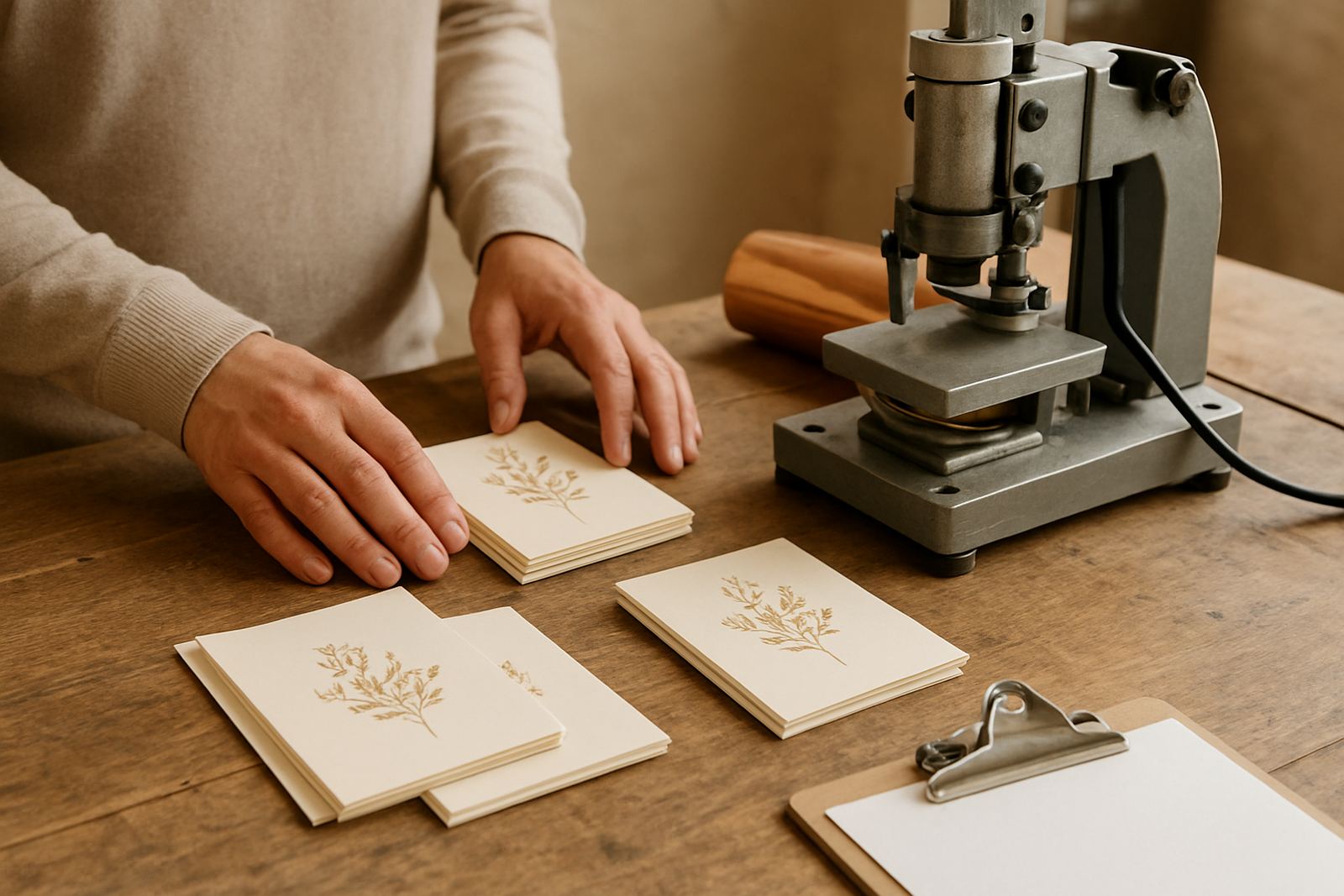
Good foil work starts before the press is switched on. Large solid areas are often easier to keep consistent than very narrow lettering, especially on coated board or textured packaging. If a client wants several variants, it is better to agree on a single master layout and change only the variable text or panel, rather than rebuilding the whole job for each version.
Short run work also benefits from clear spacing. Foil can bridge or break when the design is crowded, and that means more stops to correct pressure, temperature or alignment. On carton sleeves, tags and presentation boxes, a practical layout often looks better than an overcomplicated one because the finish stays sharp from the first piece to the last.
- Avoid hairline strokes unless the stock and die suit them
- Leave enough quiet space around logos and borders
- Keep small text bold enough to read after foiling
- Check that folds, glue flaps and creases do not cut through the foiled area
Machine setup habits that matter on small batches
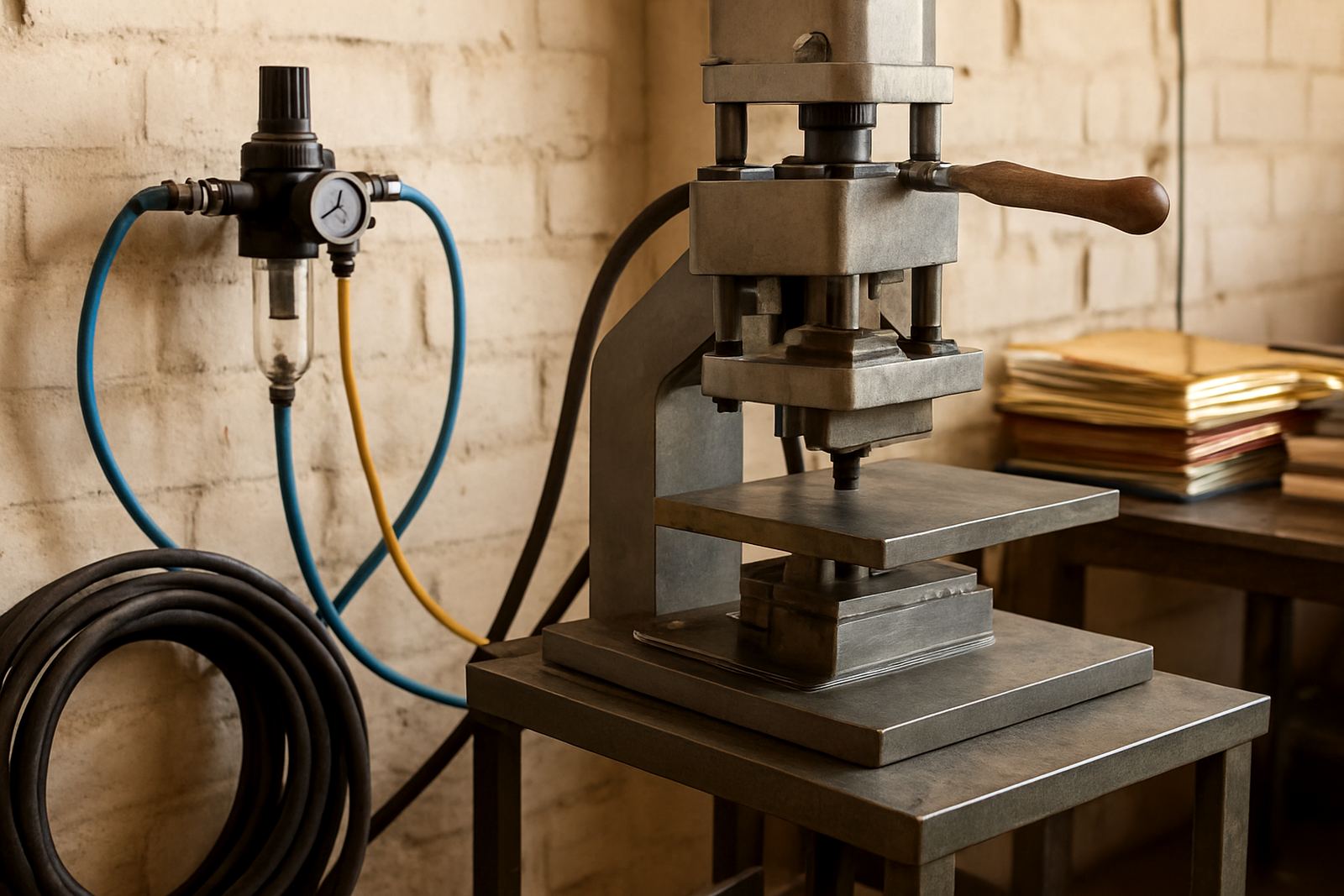
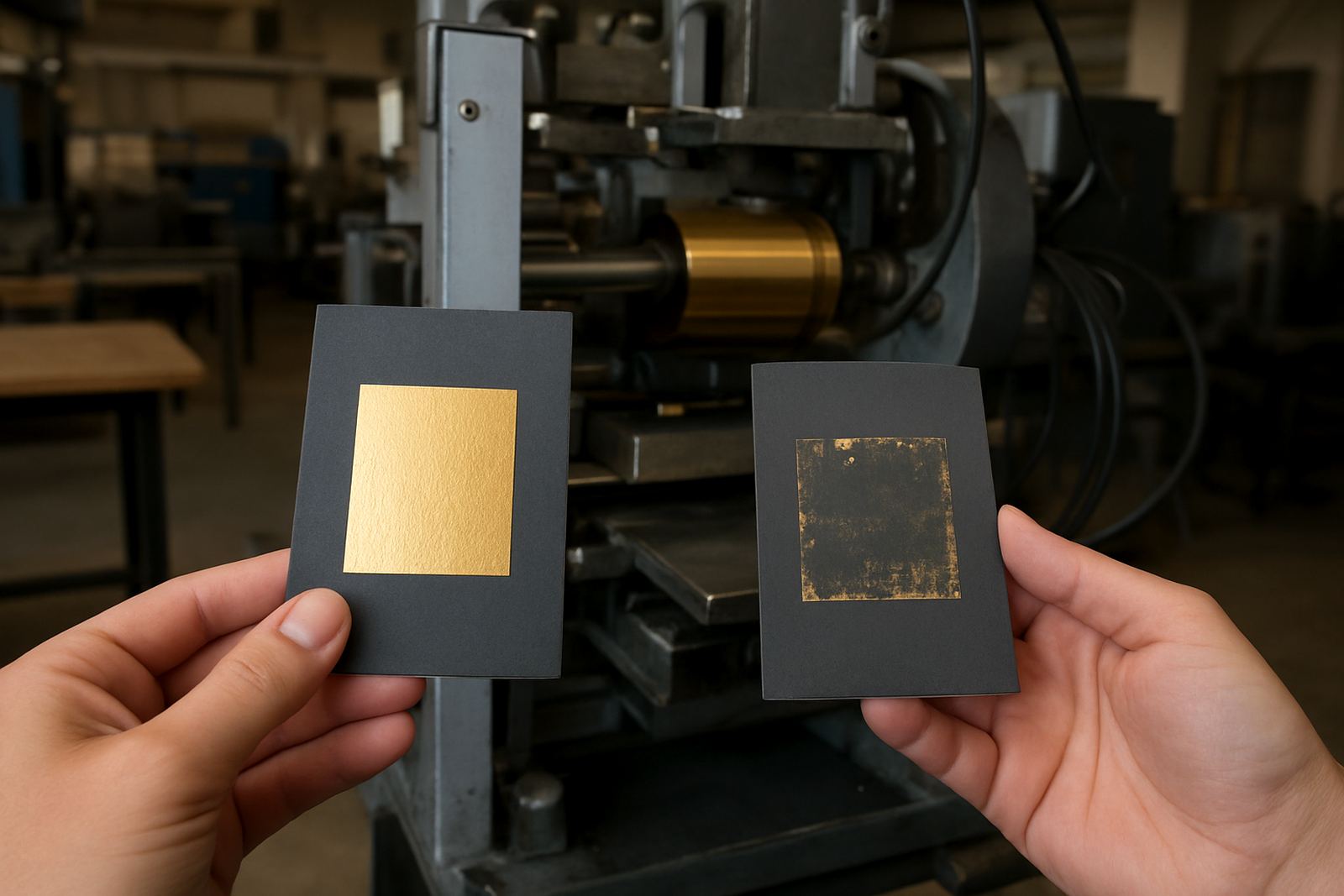
When the run is short, every minute on the press counts. A heater that is too low gives weak transfer. Too much heat can cause smudging, dull edges or lifted stock, especially on lighter card. Pressure needs to match the board thickness and the die size, otherwise one corner may pick up well while the rest looks patchy.
In our part of Gauteng, many shops deal with busy power schedules and hot workshop conditions in summer. That makes repeatable setup even more important. If the machine is checked properly before the job starts, the operator is less likely to chase faults half way through the run. A well-set press with the right foil, clean die and stable feed can turn a modest job into a steady, low-stress piece of work.
- Warm the press fully before pulling production sheets
- Confirm die mounting is level and secure
- Match foil type to the stock finish
- Keep a written note of heat and pressure settings for repeat orders
When to bring in support instead of pushing through
There are times when a job should not be forced through a tired setup. If the press keeps losing pressure, the heater is erratic or the die is not sitting correctly, the better move is to stop and check the machine. A short run can become expensive very quickly if the operator tries to fight a fault for the sake of finishing fast.
For shops in Roodepoort, Randburg, Midrand, Sandton and Germiston, local support can make the difference between a missed delivery and a job ready for dispatch. Preventive servicing, heater calibration, die mounting checks and foil matching all help keep the press honest. The same applies after load-shedding or a heavy production day, when a small shift in settings can change the result on the next batch.
Short run foiling is not about making a small job look bigger than it is. It is about setting up the press and the artwork so the work runs cleanly, with less waste and fewer delays. That is where practical shops keep their margin, even on modest orders.