Why launch kits need foil in the right place
Launch kits are not ordinary cartons or folders. They are often opened in meetings, handed over at trade shows, or sent to media, investors and selected clients as part of a first impression. That means the finish must do more than look good in a sample. It has to stay consistent across a full run, hold up in handling, and still register neatly on folded or die cut parts.
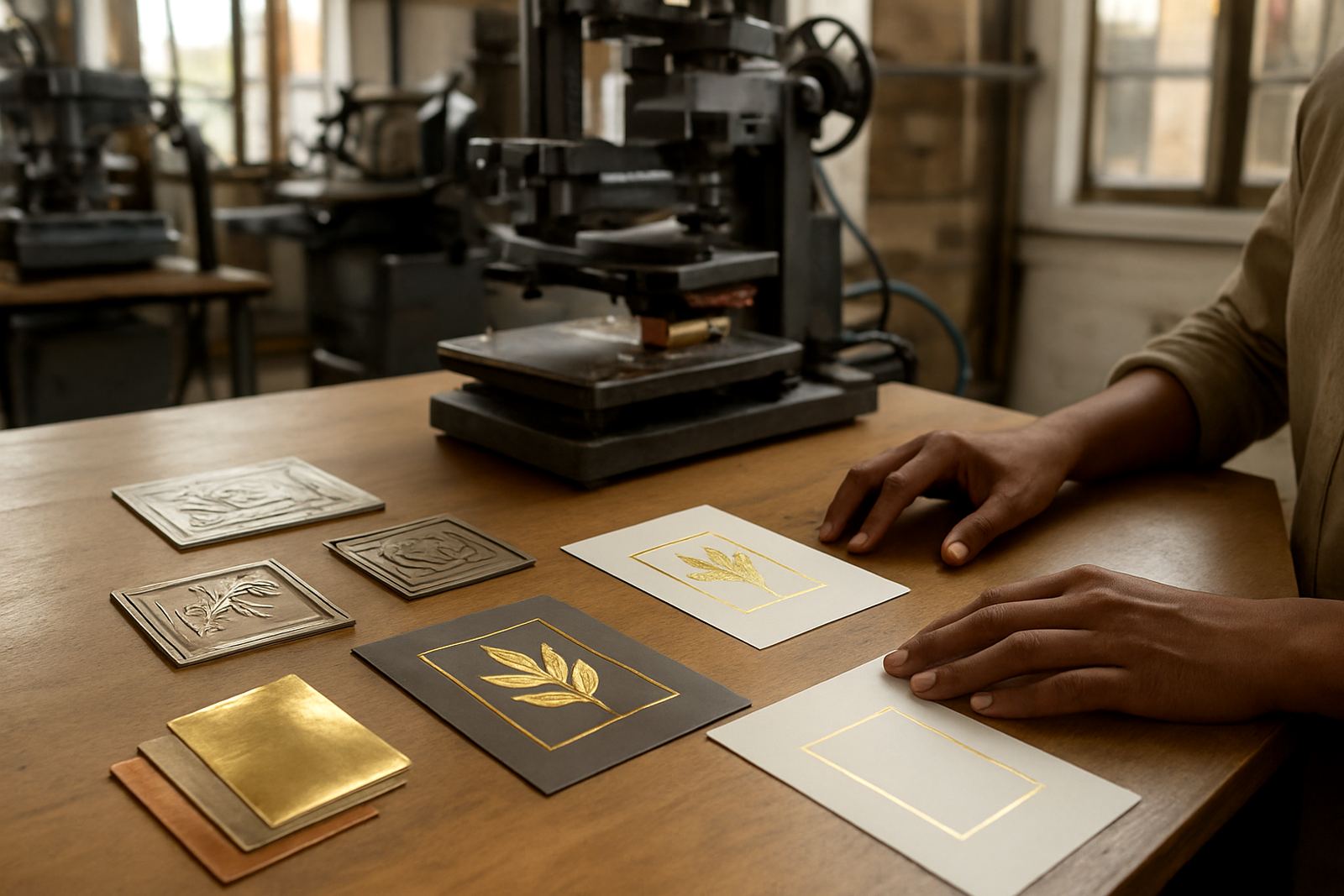
Foil works especially well on launch kits because it gives clear contrast on small, high value pieces. A logo on a sleeve, a title on a folder spine, or a mark on a keepsake envelope can be made far more visible without needing heavy ink coverage. In Johannesburg and across Gauteng, many printers and packaging shops use foil for this exact reason: it helps a kit look ready for boardroom use without adding complicated decoration steps.
When the job is planned properly, foil does not need to be overused. One strong area of foil on the front panel or lid is often enough. That is useful where budgets are tight, or where the kit includes several components and each one needs a clean production method.
Sleeves, folders and inserts all need different handling
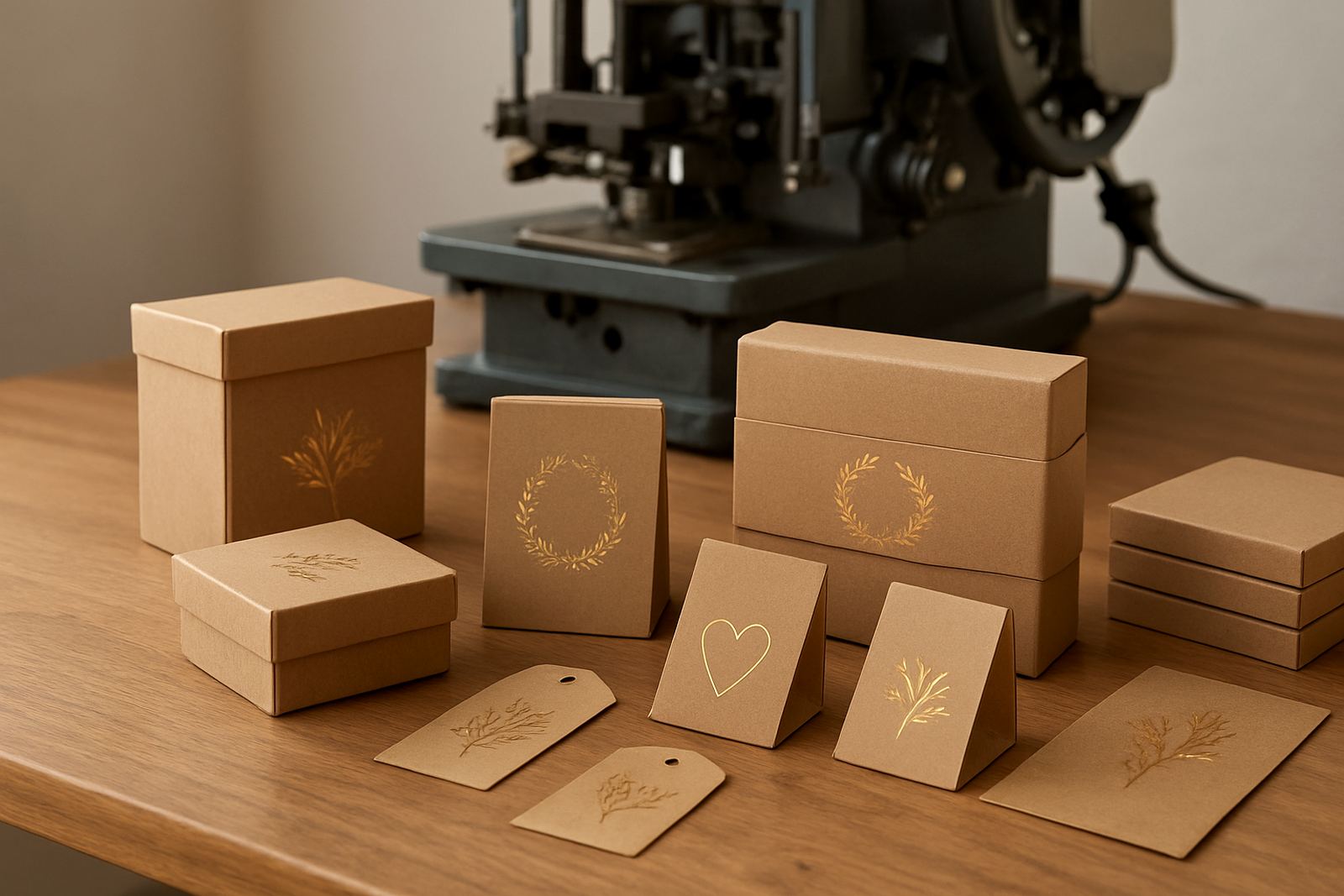
Foil on launch kit sleeves behaves differently from foil on presentation folders or inserts. Sleeves are usually more exposed and may be made from heavier board or laminated stock. Folders often have folds, pockets and glued sections that affect pressure. Inserts can be thinner and more sensitive to heat. If you treat all three the same, the result can be uneven edges or dull transfer in the middle of a batch.
- Sleeves: good for bold logos, campaign names and short foil messages on flat panels.
- Folders: suitable for names, foil lines and small design elements, but fold areas need careful die placement.
- Keppsake inserts: useful for dates, titles or section markers where the sheet must still feed cleanly.
For launch kits, the foil layout should support the pack structure. If a sleeve slides over a box, keep the foil away from high wear edges. If the folder opens and closes often, avoid placing the main foil image on a sharp fold. Small choices like this reduce scuffing and help the finished kit reach the client in proper condition.
Material choice makes a bigger difference than most people expect
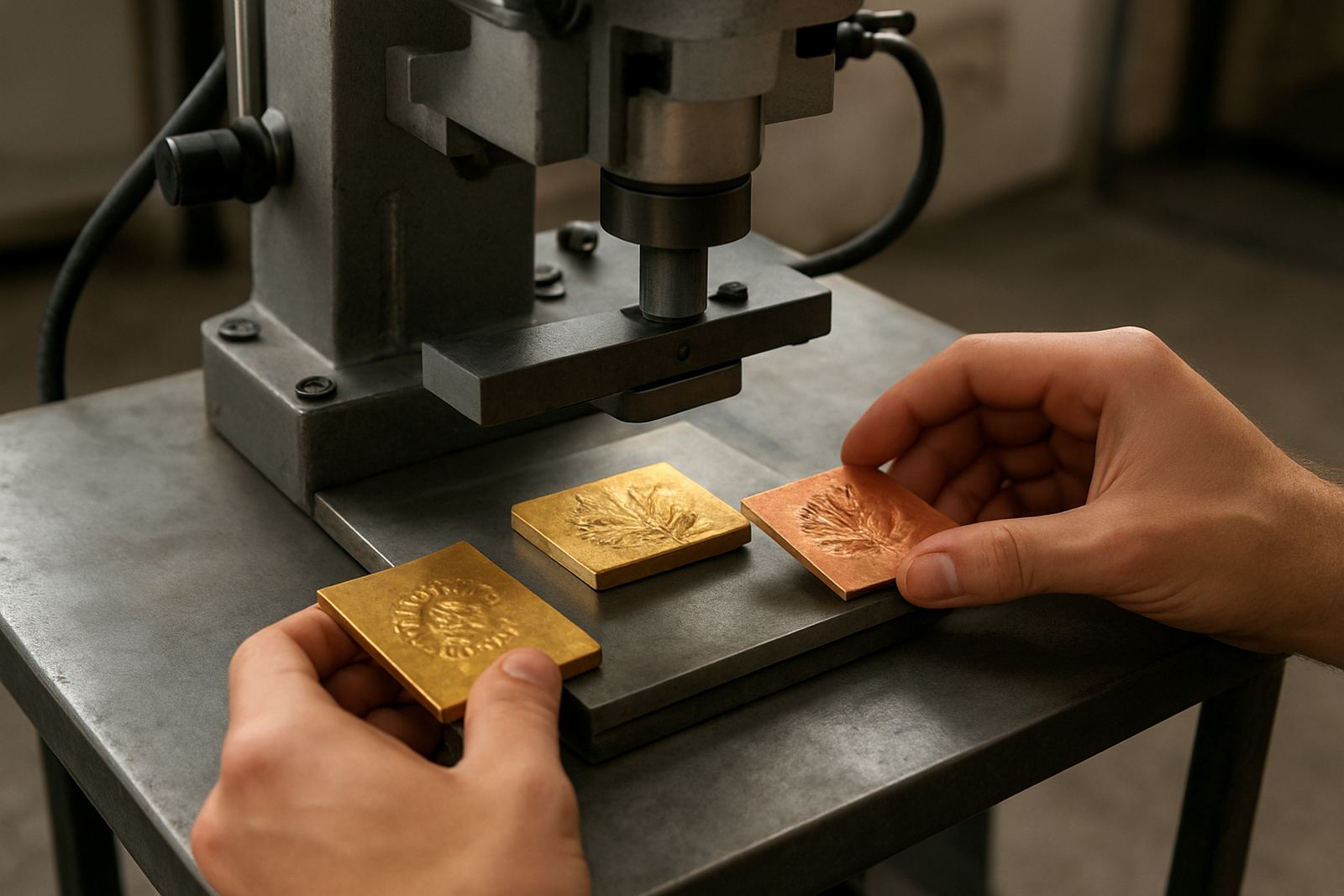
Foil transfer depends on surface quality, heat and pressure. A coated sheet, a laminated cover or a well prepared board will behave differently from an uncoated stock. In practice, this means the same foil pattern can look crisp on one component and patchy on another if the substrate is not matched to the press settings.
For launch kits, the following points matter most:
- Board thickness must suit the press and the folding method.
- Coated or laminated surfaces often give more even foil release.
- Textured stocks may need a different die and higher pressure.
- Dark colours can improve contrast, but they must still carry the foil cleanly.
Humidity also plays a role, especially for printers working near the coast or storing materials between deliveries. In Durban or in humid parts of Gauteng during summer, stock can shift slightly in moisture content. That may sound minor, but it can affect registration on small titles or fine lines. Good material control keeps the job stable from the first sheet to the last.
Matching foil to the launch story
Launch kits are often used to introduce something new, so the foil finish should match the tone of the campaign. A corporate kit may need restrained silver or gold on a folder and sleeve, while a product launch for a premium consumer item may suit a brighter accent or a deeper metallic contrast. The point is not to make everything shiny. It is to make the right element stand out.
Foil matching should be done with the full kit in mind. If the sleeve carries a silver logo, the inserts should not compete with another strong reflective area unless that is part of the design language. For a keepsake pack, the foil can be used on a closure strip, a title panel or a label area that tells the user what to open first.
Many businesses benefit from planning the launch kit as a set of components rather than a single print job. That makes it easier to decide where foil carries the most value and where plain print is enough. It also helps control cost, because foil is applied where the eye naturally lands first.
A Johannesburg example: city west launch kits that had to travel well
A recent local example is useful here. A City West team in Johannesburg needed launch kits for a regional product rollout, with sleeves, folders and a small keepsake envelope included in each set. The kits had to move from Industria West to Sandton, then on to Roodepoort and Midrand for meetings. That meant the finish had to look good straight out of the box, not only in a sample shown under office lights.
The solution was to keep the foil on the strongest visible panels and avoid high contact edges. The folder cover carried the main mark, the sleeve had a short title line, and the envelope used only a small foil seal area. This reduced rubbing in transport and made the assembly faster at packing stage. The result was a cleaner presentation across all branches, and less waste from damaged pieces.
That kind of practical planning matters in South African production. When kits are moving between service areas like Germiston, Randburg and Midrand, every extra handling step adds risk. A foil layout that is simple to register and easy to pack usually gives the best finished result.
Press setup, operator training and quick checks on the day
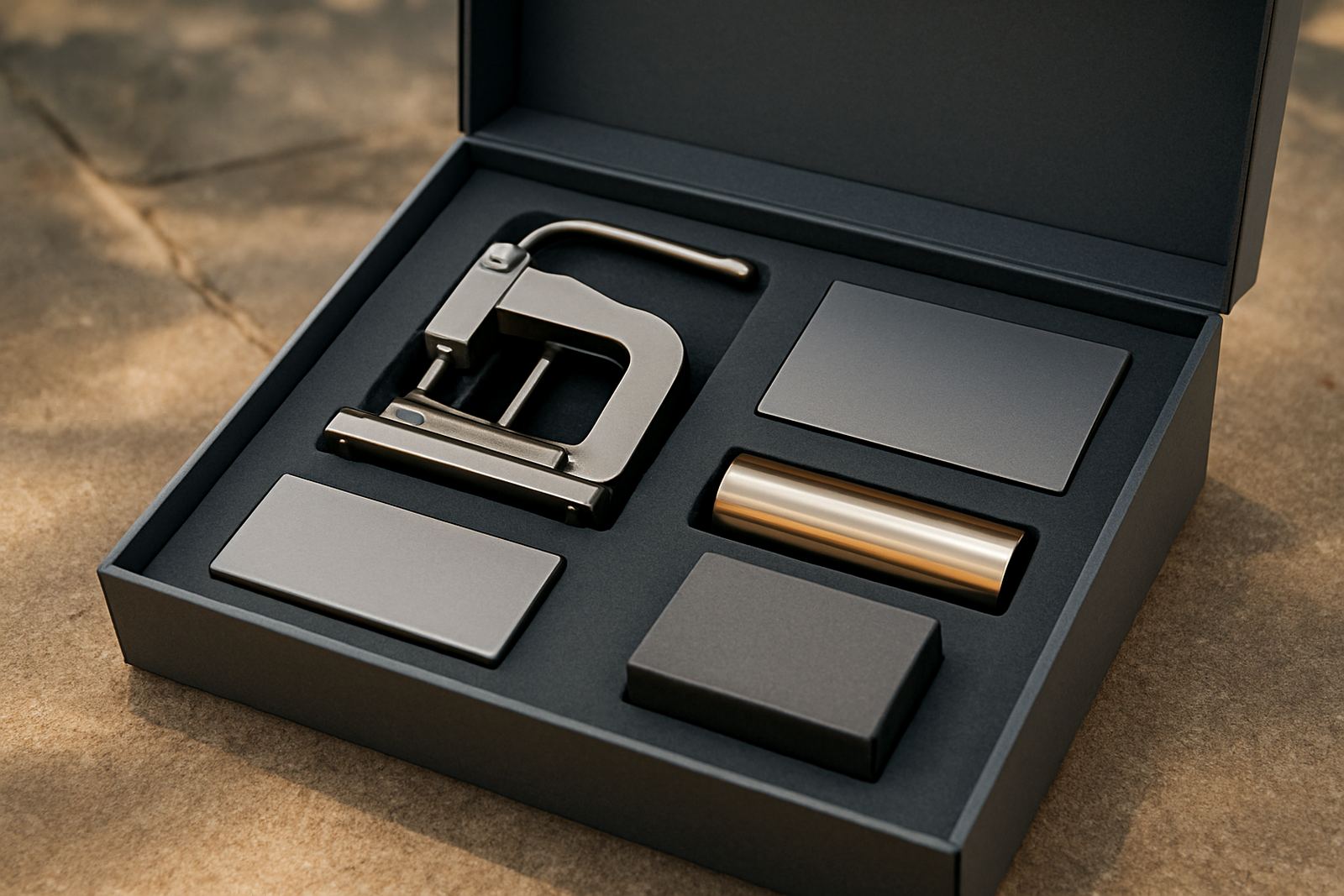
Good foil is not only about the artwork. The press settings, die mounting and temperature control all need attention. If the heater is too hot, you can get over transfer or a blurred edge. If the pressure is uneven, the middle of the design may not pick up properly. On a launch kit with several small parts, that shows immediately.
Before running a full batch, operators should check:
- die alignment against the fold or cut line
- heater calibration for the stock being used
- pressure balance across the platen
- foil tension and feed direction
- sample sheets from the first ten to fifteen pulls
For businesses that run in load-shedding conditions, planning also helps. If the press is going to stop and restart, keep the material stack protected and allow time for temperature recovery. A quick restart without checking the settings again can lead to uneven finish on the next section of the run. That is where experienced setup and operator training save time.
Keeping launch kits consistent from sample to final delivery
Launch kit work often starts with one sample, but the real test is the full batch. The foil effect must remain even across the entire run, and the assembled set must still close correctly after foiling, folding and packing. This is why preventive servicing and regular calibration matter for shops that do this work often. A small drift in pressure or heat can be enough to turn a neat finish into a job that needs rework.
For South African suppliers, consistency also comes from good spares planning and practical technical support. When a press is used for short campaign runs, there is little room for delay if a heater, die or pressure component needs attention. Quick diagnosis, proper servicing and sensible production advice keep the launch moving.
Foil gives launch kits their best effect when it is planned as part of the pack structure, not added at the end as decoration. That approach suits sleeves, folders and keepsake components far better, and it gives the final kit a proper sense of purpose.