Why foil works so well on gift packs
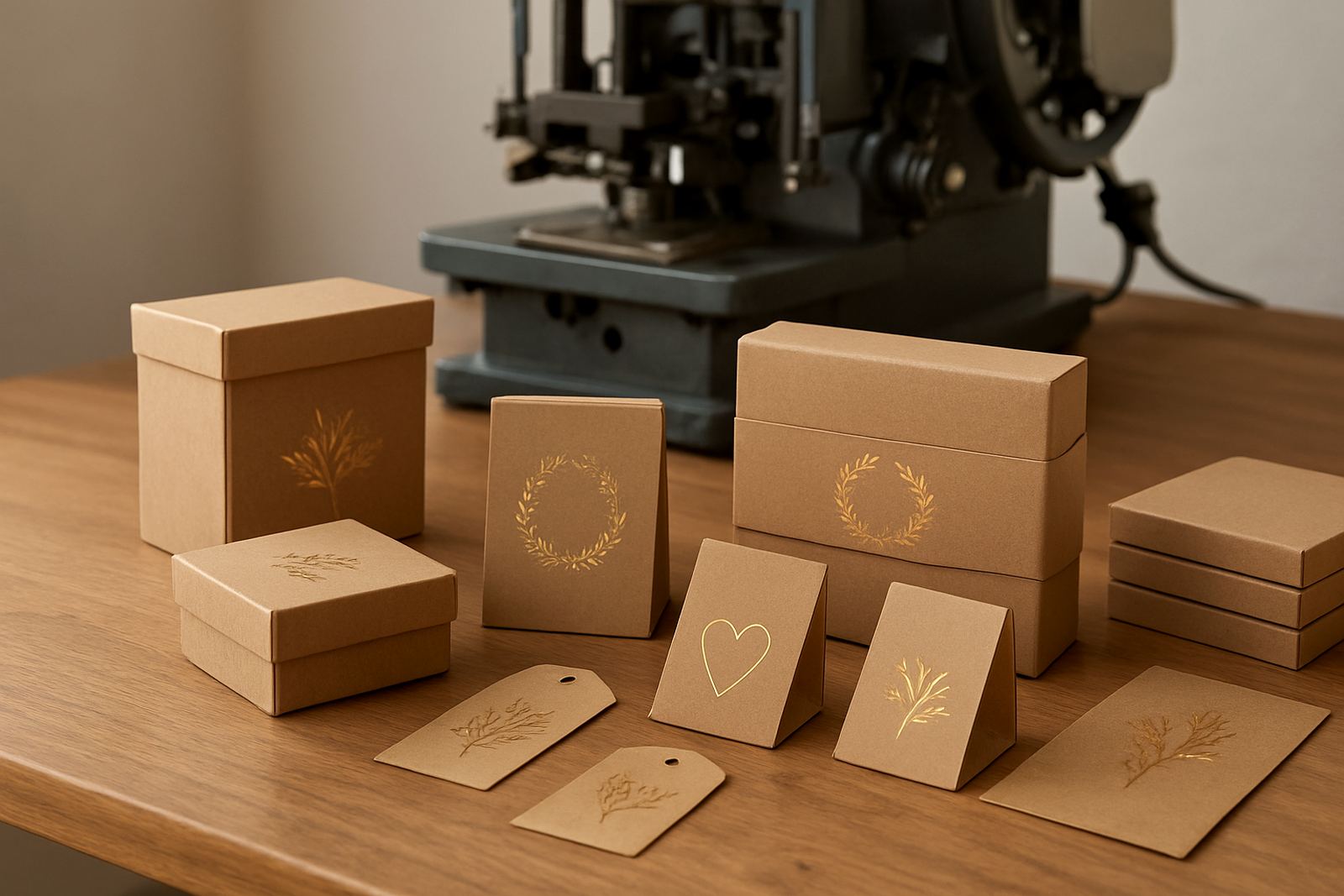
Gift packaging sells on first glance. A plain carton can do the job, but a foil stamp adds a clear point of difference on the lid, flap or front panel without changing the box design or adding bulky decoration. For brands that already have a strong structure, foil is one of the fastest ways to make a pack feel more considered and more premium.
In South African packing rooms, that matters because many runs are short to medium sized and need quick turnaround. Foil can be added to an existing pack line with only a small change to the artwork, which keeps costs easier to manage. It also works well where the pack must still travel through folding, filling and delivery without rubbing off or smudging.
For gift packs, the best result is usually a controlled highlight rather than covering the whole surface. A logo, border, name panel or seasonal message often does more than a full flood of foil. The point is to guide the eye, not overpower the product.
Choosing the right pack surface and board
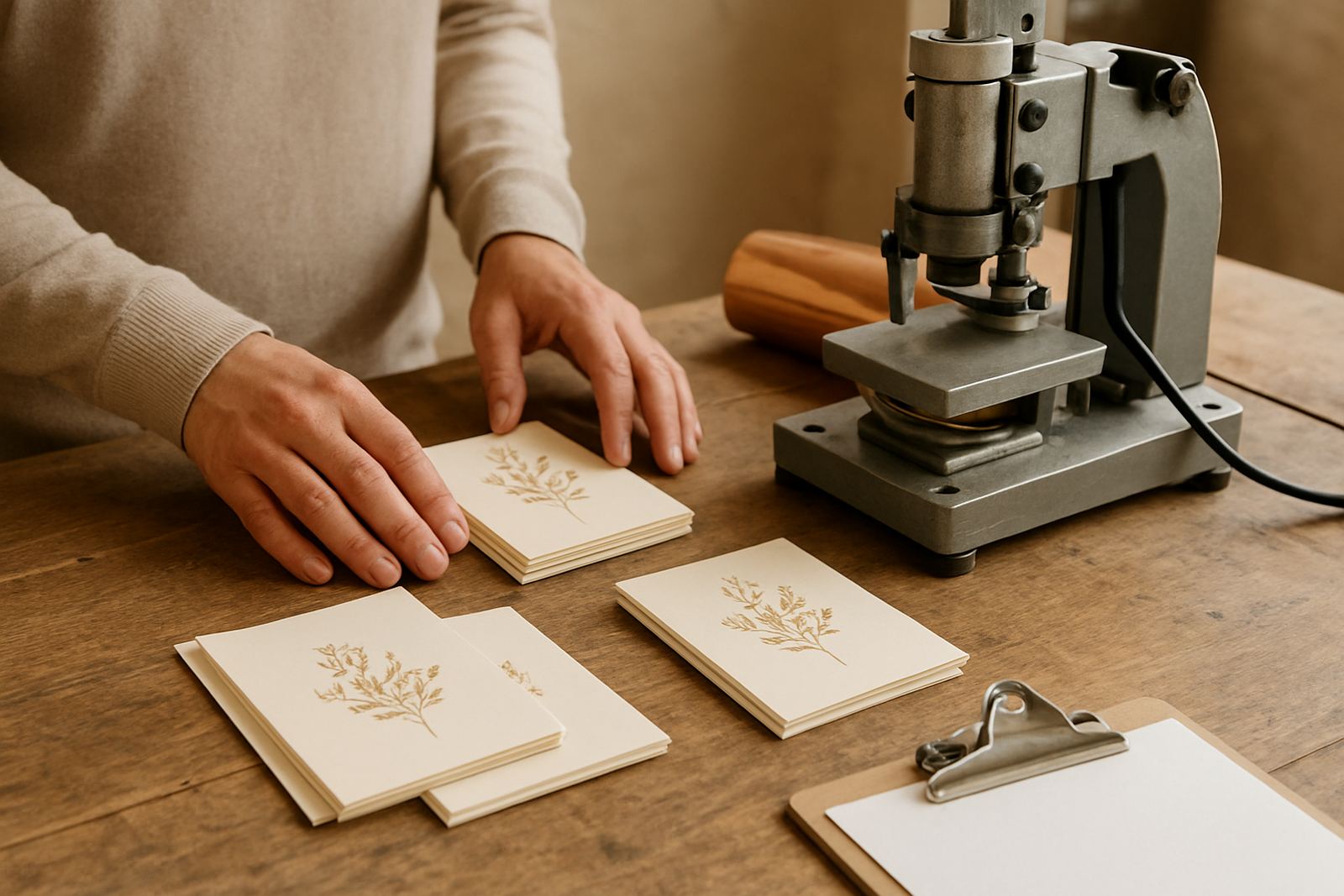
Not every gift carton behaves the same under heat and pressure. Coated paper board usually gives a cleaner result than rough uncoated stock because the foil can sit more evenly on the surface. If the pack has texture, the finish may still work but the stamp needs to be set carefully so the foil lands firmly across the details.
Rigid gift boxes, sleeves and printed carton lids are all common candidates. What matters most is the board thickness, surface finish and how the pack will be handled after stamping. In humid coastal areas, stock can shift slightly from day to day. In Johannesburg and surrounding industrial areas, dust and workshop conditions can also affect clean transfer, so the setup needs to be checked before the main run starts.
If the packaging is going to retail, courier or export, it is worth planning for scuff resistance too. A foil area close to a folded edge or a high contact corner can wear faster than a centre panel. The design should be placed where it will still look good after handling by staff and customers.
Picking foil colour for the occasion and the market
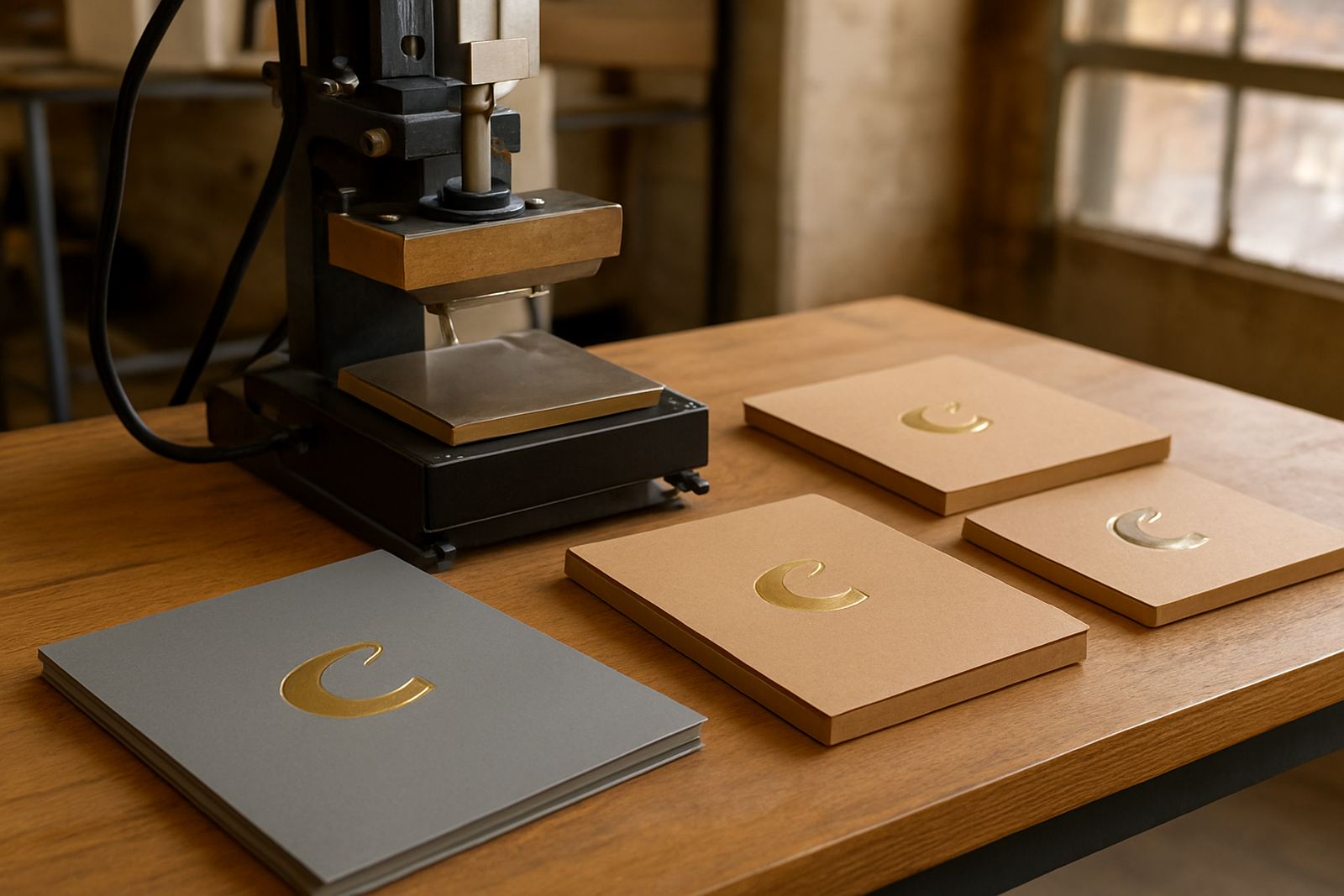
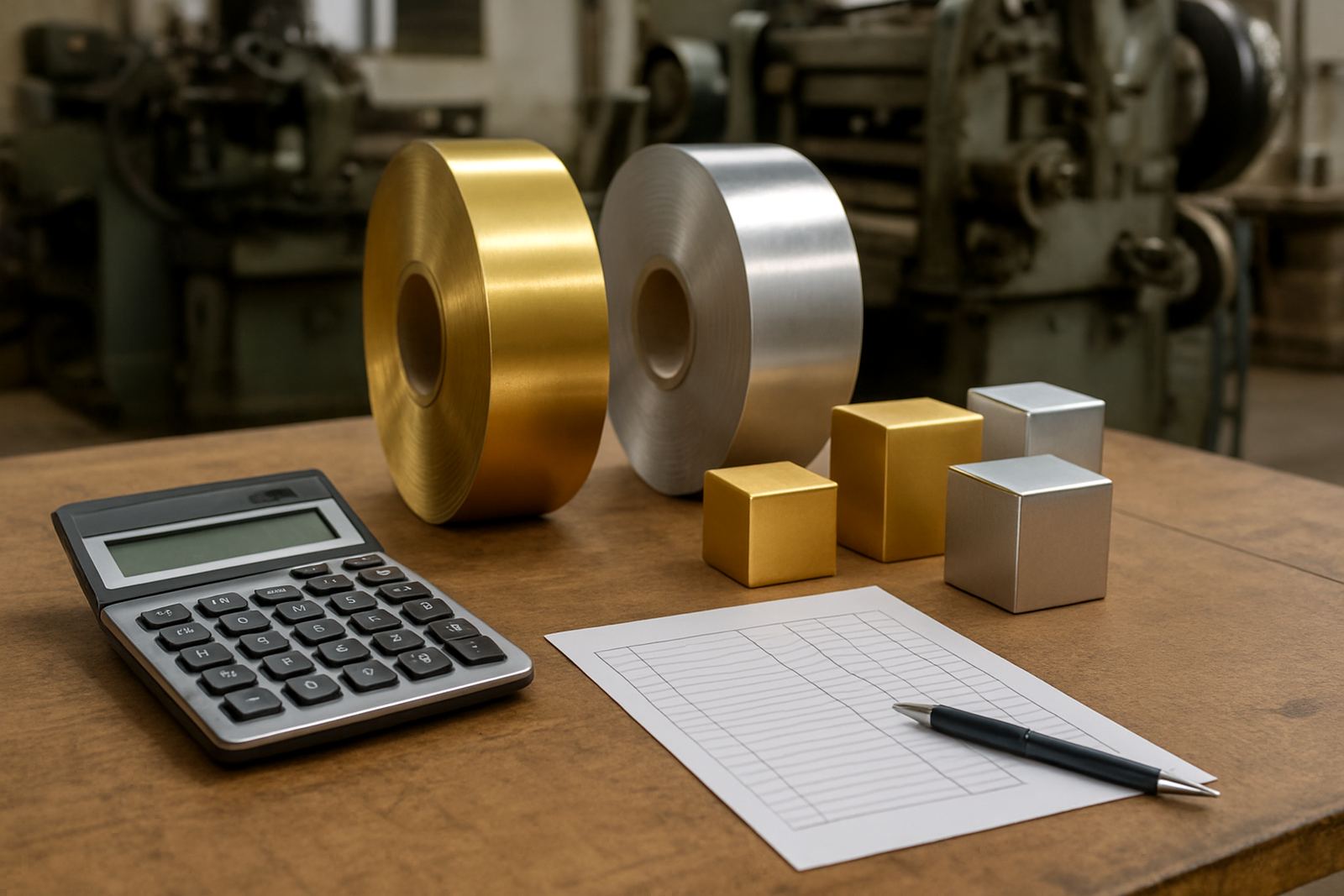
Gift packaging has seasonal pressure points. Easter, Mother’s Day, year-end corporate gifting and weddings all call for different visual cues. Gold still works for broad appeal, but copper, silver, soft rose tones and matte effects can be better when a pack needs a more modern look. For some products, a clear gloss foil on a dark carton gives a subtler result than a bright metallic finish.
Local buyers often respond well to practical colour choices that suit the product, not just the event. A food gift box may need a warm tone that feels generous and tidy. A corporate hamper might need a sharper metallic edge. A boutique candle or soap pack can use foil sparingly to make a small item feel more valuable on the shelf. The right choice depends on the item, the print colour and the space around it.
Testing on the actual stock is always worth it. A colour that looks clean on screen can shift once it lands on cream board, kraft stock or dark printed cartons. When foil and print are planned together, the final pack feels intentional rather than patched together.
Getting the setup right for short and repeat runs
Gift packaging is often produced in bursts, with one design for a promotion and another for the next season. That means the press setup has to be repeatable. Die mounting, heater calibration and pressure setup all affect whether the foil lands sharply or shows patchy edges. If the pack has fine lettering or thin linework, even a small change in pressure can show up in the final piece.
For short runs, the operator needs a fast and reliable changeover. For repeat runs, the machine should be documented so the same pack can be produced again without guessing. This is where preventive servicing helps. A well kept press saves time when a packaging team is pushing orders through before a public holiday or a retail launch.
In practical terms, a production manager should ask three questions before approving the job: does the stock suit foil, will the design hold up after folding, and can the line maintain speed without constant adjustment. If the answer is no to any of those, it is better to refine the artwork or the board choice first.
A Johannesburg gift box example that holds up in real production
Consider a gift box maker in Industria West supplying boutique hampers to Sandton and Pretoria. The client wants a lid with a foil logo, but the box still has to be packed quickly, couriered and opened without damage. A full redesign of the pack would take time and add cost, so the team keeps the structure as is and uses foil on the top panel and a small side mark for brand recognition.
The result is simple but effective. The lid catches the light in a showroom, the side mark helps staff identify the pack in storage, and the box still stacks neatly in the warehouse. That kind of decision makes sense in the City West area where many businesses need practical packaging choices that work across more than one customer site.
When the box moves from workshop to retail, the foil finish still matters. If the pack is handled at a pop-up stall, delivered in a humid November week, or stored near a loading bay, the foil must stay neat. That is why setup, stock choice and handling all need to be planned together rather than treated as separate steps.
What to specify before you place the job
The cleaner the brief, the better the result. Foil for gift packaging is not only about picking a colour. You need to give the production team clear information on stock, artwork size, quantity and where the pack will be used. If the box has windows, folds or glued edges, those details matter too.
Here is a useful checklist before production starts:
- Board type, thickness and finish.
- Exact foil area and whether it is one side or multiple panels.
- Quantity required and whether there will be repeat orders.
- Whether the pack needs to survive courier handling or shelf display.
- Any limits from the printer, folder or packer.
For many South African packaging teams, the right approach is simple: keep the structure, tighten the artwork and let foil do the visual work. That avoids overcomplication and gives a pack a stronger retail presence without increasing the box size or changing the folding method.
Why proper machine support keeps foil consistent
Once a gift packaging line starts running, consistency matters more than theory. A press that is correctly installed and regularly checked will hold foil cleaner, reduce waste and keep the team from wasting time on repeated adjustments. If a pack needs fine lettering or a clear border, breakdown repairs cannot wait until the end of the week.
In workshops from Randburg to Germiston, the common problems are usually the same: temperature drift, uneven pressure, worn parts and dies that are not mounted square. Preventive servicing, spares supply and operator training make a measurable difference because they keep the press ready for the next order, not only the current one.
FoilPress supports gift packaging producers with press installation, die mounting, foil matching, heater calibration and production optimisation. For businesses in Industria West, Roodepoort, Midrand, Sandton and beyond, the practical goal is the same: clean foil, less waste and packaging that looks right when it leaves the workshop.