Start with the job, not the artwork size
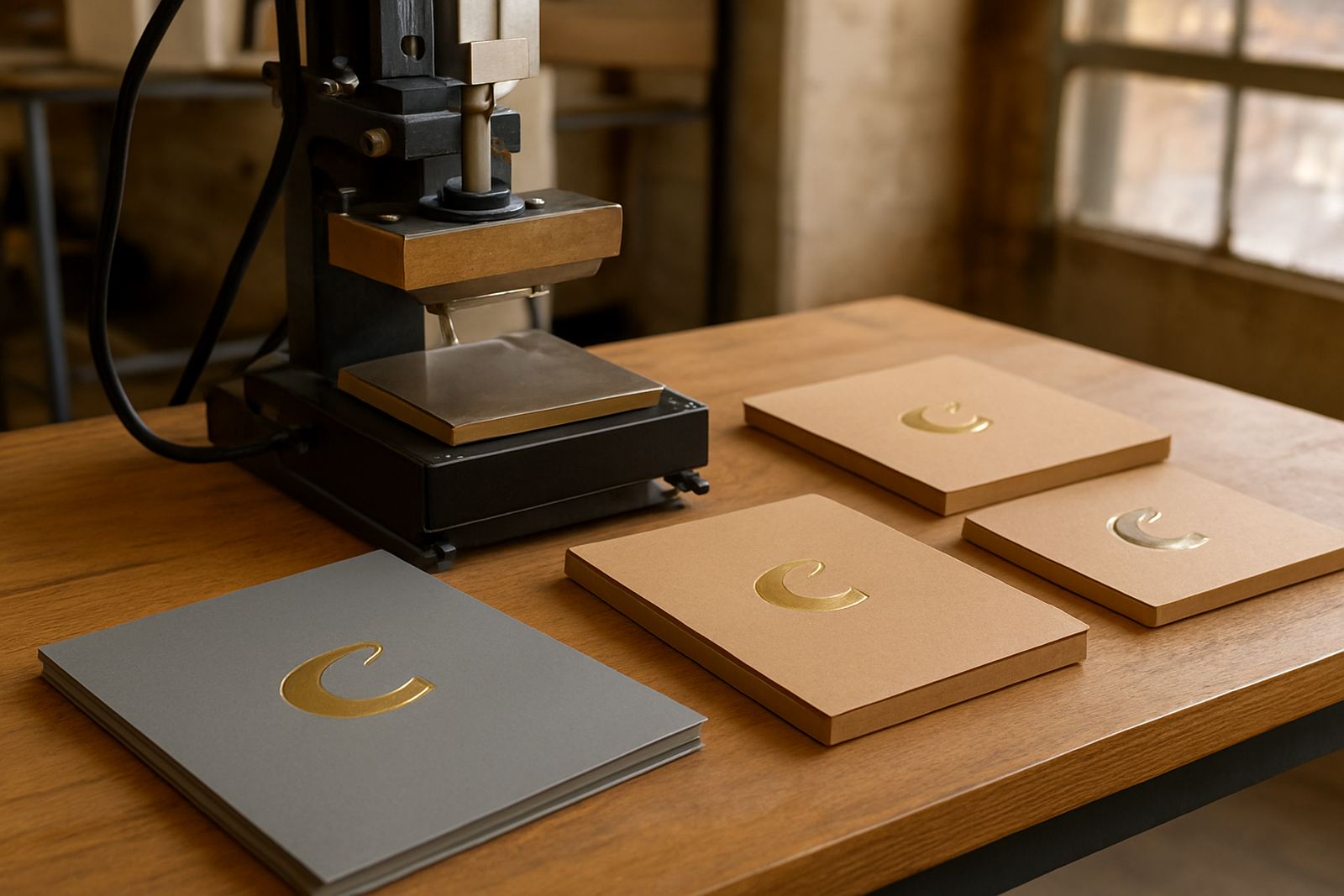
When a foil quote is rushed, the price usually gets built off the finished size alone. That is where many workshops lose money. A 50 x 70 mm logo on a flat card can be quick, while a smaller design on a textured carton, with deep embossing or tight registration, can take longer to set up and keep running well.
Good estimating begins by asking what the job will touch on press. Is it plain board, laminated stock, or a coated carton that needs special handling? Will the foil sit as a single logo, a full border, or a repeated pattern across the sheet? Will you be running 200 units or 20 000? The answers change everything, from heater settings to waste allowance.
For card and packaging work in Johannesburg, where many runs are short and urgent, time on the machine often costs more than the foil itself. That is why every estimate should separate material cost, setup labour, machine time and likely spoilage. If you bundle everything into one neat price too early, you leave no room for real production conditions.
- Check substrate type and surface finish first
- Measure the actual foil coverage, not only the outer dimensions
- Note run quantity and any repeat orders
- Identify whether the job needs flat foil, detail work, or heavy coverage
Count setup time as a real cost
Setup is not free. Press warm-up, die mounting, pressure adjustment, foil threading and test pulls all take time. On a simple repeat run, setup might be 20 to 40 minutes. On a new product with fine detail, multiple positions or difficult stock, it can stretch to an hour or more. If you do not price that time in, your margin disappears before the first good sheet is made.
Many shops make the mistake of treating setup as a once-off admin task. In practice, it is production time. A technician may need to calibrate heat across the platen, adjust pressure for an uneven carton, or shift the foil path to avoid wrinkling. In summer, coastal humidity is not the only issue. Inland dust, warm afternoons and load-shedding interruptions can all add delays and extra checks.
A practical estimate should make room for the full start-up sequence, plus any stop-start time if the press will be turned off between batches. If the job is urgent, or it has a narrow delivery window, that should be reflected in the quote too.
- Warm-up and temperature stabilising
- Die fitting and alignment
- Pressure and dwell time setting
- Trial pulls and approval sheets
- Cleaning up after the run
Coverage, foil width and spoilage change the maths
Foil jobs are often underquoted because the material calculation is too simple. A design that looks small on paper may use a wide foil roll if the coverage is solid or the artwork has broad blocks. A fine line logo can waste less foil per impression, but if registration is critical, more sheets may be scrapped before the run settles.
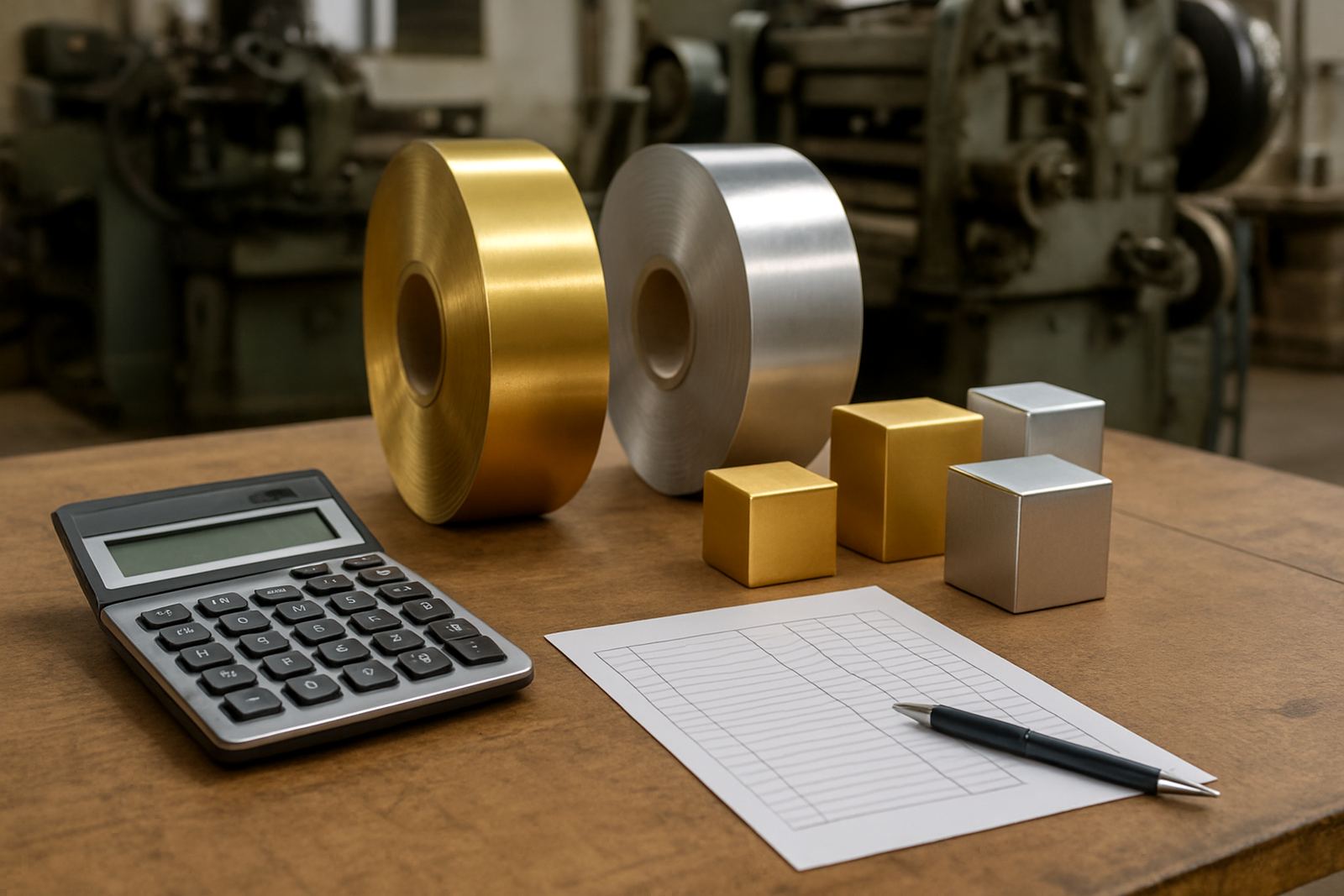
Estimate foil usage by looking at both the impression area and the repeat length. If the job uses a 640 mm foil roll and the artwork repeats every 180 mm, you need to factor in offcuts, web path losses and any changes in the run. Even on sheet-fed work, margin for trimming and test pieces should be included. Spoilage is normal, especially on new tooling or mixed stock.
For accurate quoting, the estimator should know whether the client supplied the artwork in final position, whether the die is already made, and how many colours or finishes are involved. A gold foil job on one carton style is a different risk to a mixed pack with several flap sizes and fold positions.
- Solid coverage uses more foil than line work
- Fine detail can mean more spoilage at startup
- Always add test sheets and trim waste
- Charge separately if foil matching needs extra trials
Use the right rate for the right kind of press work
Not every foil job should be priced the same way. Short-run craft work, trade packaging and factory repeat work each carry different pressure on the press. A small business ordering 300 wedding boxes may need more handling, more communication and more approvals than a manufacturer ordering 30 000 cartons with a locked specification.
That is why a good rate structure uses more than one line item. You can quote a setup fee, a per-thousand running rate, a die charge if applicable, and a material allowance based on foil colour and width. Some jobs also need extra value added for operator training, die mounting or pressure setup if the client wants to keep the run in-house.
In Industria West, Roodepoort and Randburg, many customers want fast turnarounds for retail and promotional work. In Midrand, Sandton and Germiston, packaging lines often need tighter consistency and fewer stops. The price should reflect that reality, not a one-size-fits-all figure.
- Setup fee for time spent getting the press ready
- Running rate based on output per hour or per thousand sheets
- Die or tooling allowance where needed
- Material allowance for foil and consumables
- Extra charge for urgent work or after-hours collection
A Johannesburg example: quoting a carton foil run
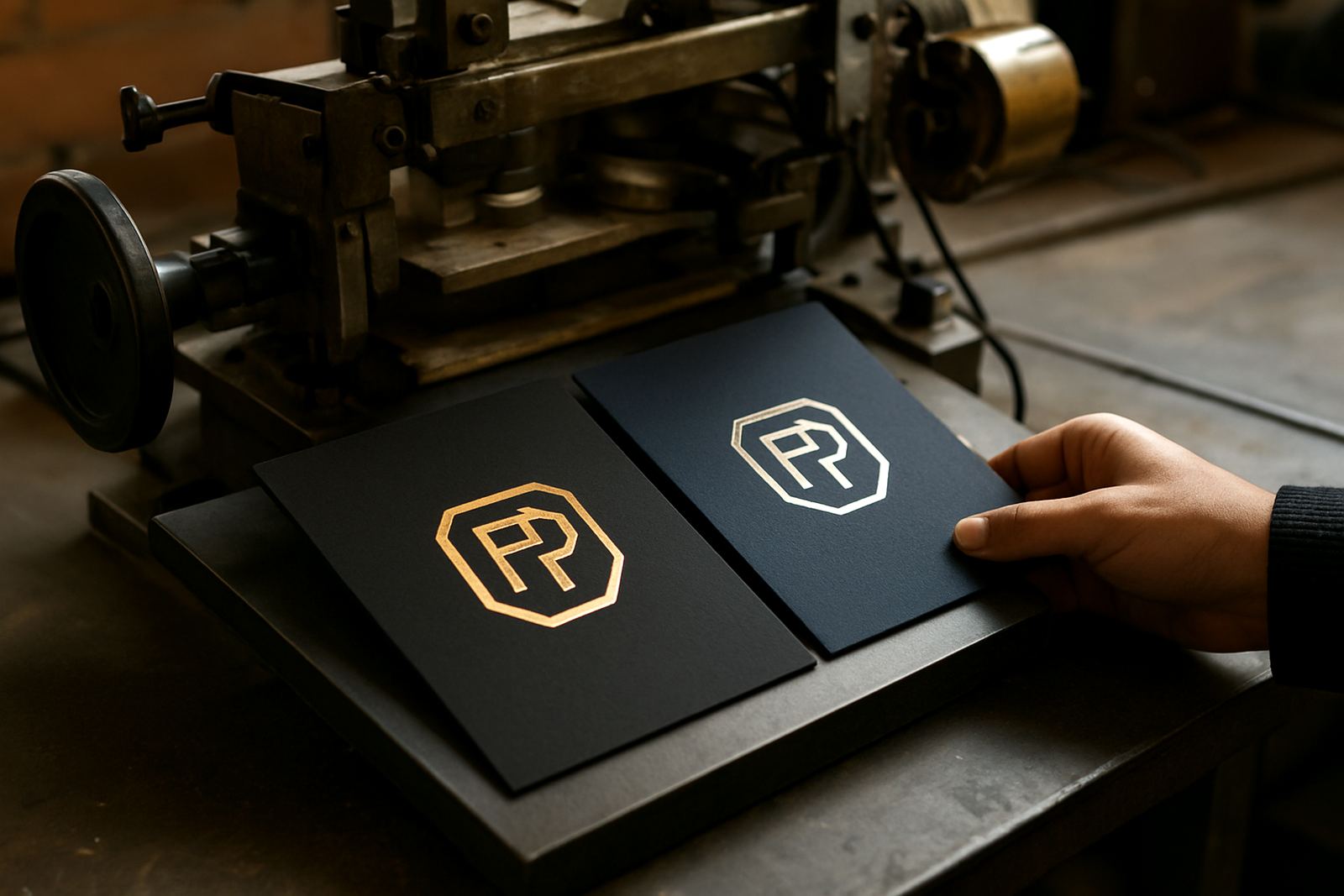
Take a Midrand packaging customer needing 5 000 folding cartons with a metallic logo and a small border. The artwork is modest in size, but the cartons are coated and need careful pressure setup to avoid crushing the board. The job is booked on a Wednesday and must leave by Friday morning. That means the quote must allow for one setup, a test batch, one possible re-run of the first sheets and a proper wrap-up before dispatch.
If the first sample is too light, the operator may need to increase pressure slightly and recheck heater calibration. If the foil release is patchy, a different foil grade may be needed. Those are not mistakes, they are normal production variables. Your estimate should already allow for them, so you are not pricing from hope alone.
A local customer like this also expects practical communication. If there is a delay because of load-shedding or a breakdown on another machine, the client wants early notice and a new completion time. A solid estimate builds trust because it shows you understand the process, not just the artwork.
Build a quote that protects profit and keeps the client informed
The best foil estimates are transparent enough for the client to understand, but detailed enough to protect your workshop. When the quote shows the logic behind the price, it becomes easier to explain why a larger order may be cheaper per unit, or why a complex short run carries a higher setup cost. That makes approval quicker and reduces back-and-forth.
Before sending the final number, check the basics one more time. Confirm the stock, quantity, delivery date, foil colour and whether the client wants you to supply the die. If the job will be repeated every month, suggest a record of the final setup settings so the next run is faster and cleaner. That is good service and it helps both sides.
In foil work, the cheapest quote is often the one that leaves no room for error. A better quote is the one that covers setup, allows for spoilage and still gives the client a clean finish on time.
- Keep a job sheet with settings, foil type and run notes
- Record actual spoilage after the run and use it next time
- Review labour time against your quoted allowance
- Update repeat-job pricing when the artwork or stock changes