Start With the Fault, Not the Knob
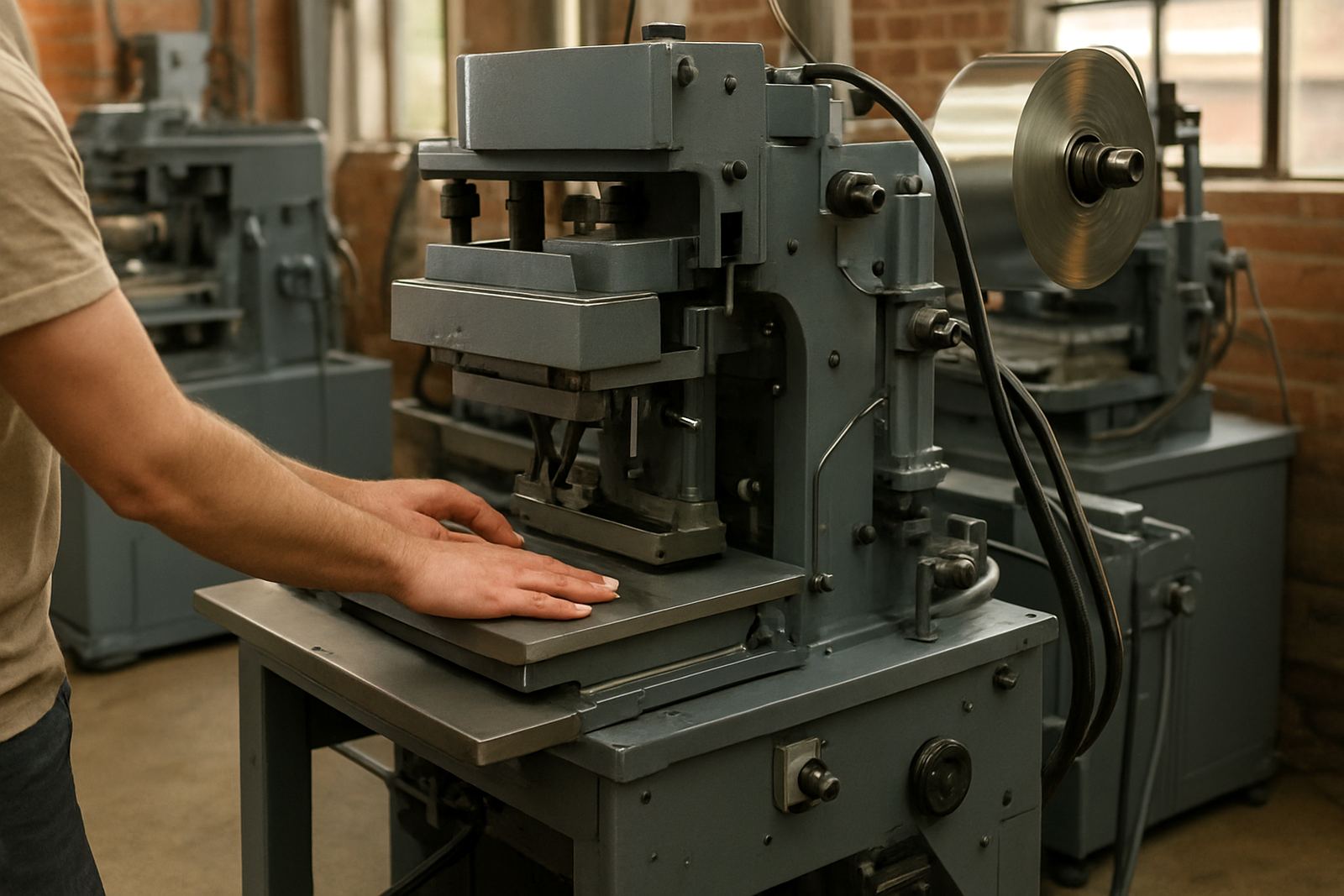
On a hot-foil press, pressure and temperature work together but they do not solve the same fault. Temperature softens the foil release layer. Pressure pushes the heated die into the stock with enough force to transfer the foil cleanly. If you change both at once, you lose the clue that tells you what the machine was asking for.
The quickest way to waste a stack of cartonboard or presentation covers is to keep turning up heat when the real issue is uneven pressure, or to keep adding pressure when the foil simply is not hot enough to release. The job is to read the symptom first. Is the image faint, patchy, overcrushed, blistered, or sticking to the die? Each one points in a different direction.
In our Johannesburg workshop we see this often on short-run packaging and wedding stationery jobs. A small craft printer in Roodepoort may think the press is underperforming, when the actual issue is a cold room, a damp sheet, and a die that needs a steadier dwell time. Sorting the fault before adjusting settings keeps the run moving and cuts waste straight away.
When Temperature Should Be Your First Check
Temperature is usually the first thing to inspect when the foil is incomplete but the impression depth looks right. If the image is present in parts but weak in the fine lines, the die may not be hot enough to break the adhesive cleanly. Low temperature often shows up as poor release, grainy edges, or foil that looks dull instead of bright.
Before chasing the pressure settings, check whether the heater is actually reaching the set point and holding it. On older presses or machines running in dusty industrial areas like Industria West or Germiston, a tired heater, a faulty sensor, or poor electrical supply can mean the display says one thing while the die is doing another. During load shedding, voltage swings can also upset heater stability if the machine is not protected properly.
A practical checklist helps:
- Check the actual die temperature, not only the control panel reading.
- Allow proper warm-up time, especially on thick brass dies.
- Look for cold corners on larger formats.
- Confirm room conditions, because a cold winter morning in Randburg can change start-up times.
- Make sure the stock is dry and acclimatised before the run.
If the foil release is stubborn across the full sheet, temperature comes before pressure in the troubleshooting order.
When Pressure Is the Real Problem
If the foil is transferring but the mark is uneven, crushed, or only complete in the centre of the image, pressure is often the issue. Too little pressure leaves gaps. Too much pressure can emboss the board too hard, distort fine type, or flatten textured surfaces until the finish looks messy.
Pressure matters even more on packaging work where boards vary from one supplier to the next. A carton that works well on one run may behave differently the next week if the caliper, coating, or fibre direction changes. In that case, more heat will not fix an uneven impression. You need a better pressure setup, cleaner die mounting, and sometimes a slower cycle so the machine can dwell properly.
Use pressure as the first correction when you see:
- Foil missing in the centre or at the edges of the image.
- Double images caused by slight bounce or movement.
- Overdeep embossing on one side only.
- Fine details showing, but solid areas looking broken.
- A clean foil layer that still fails to bond in low spots on textured stock.
For presses in busy production spaces around Sandton or Midrand, a small change in pressure can be the difference between one clean pass and a pile of rejected sheets.
Why Pressure and Temperature Must Match the Stock
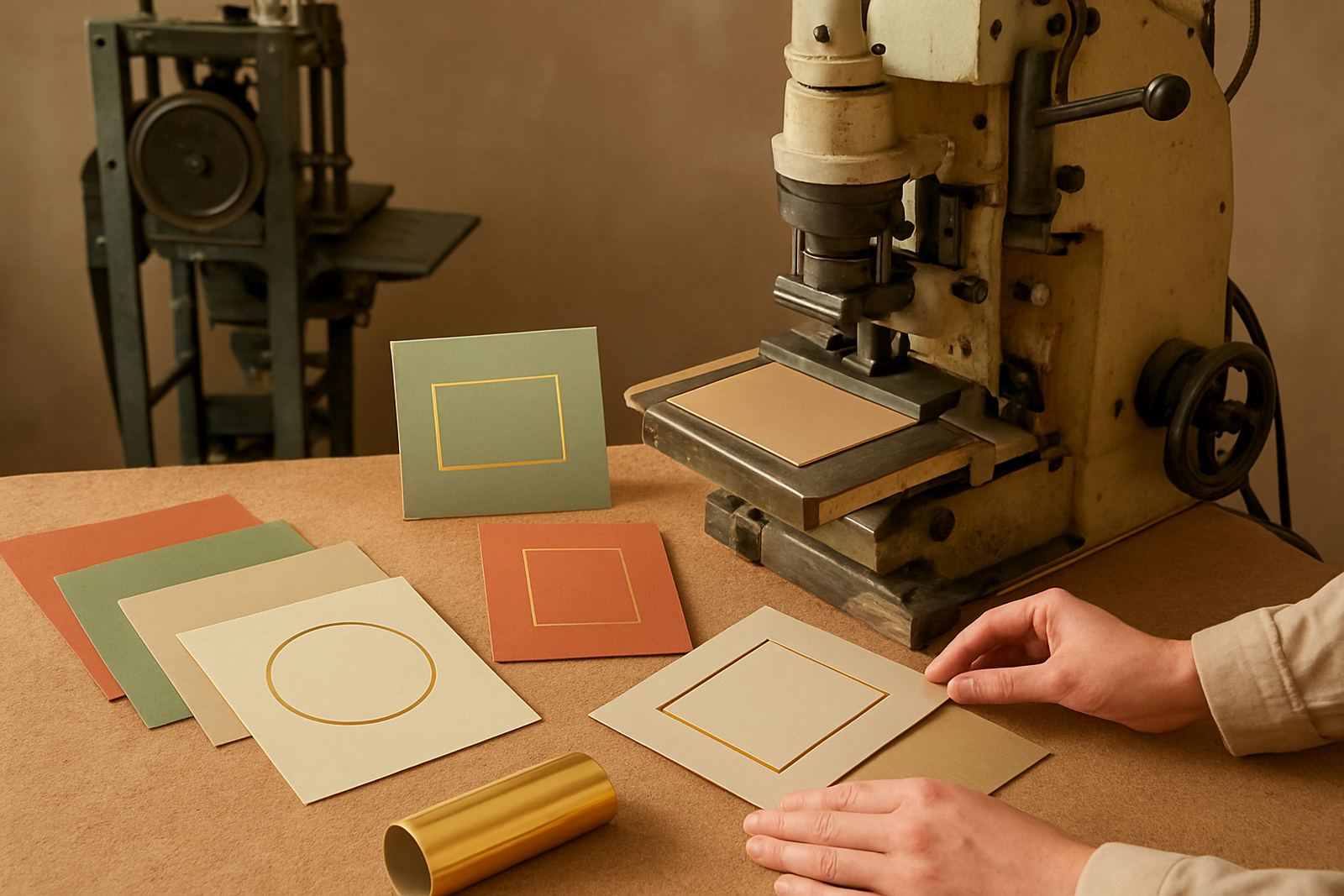
The stock decides how much heat and pressure the job can handle. Thin board, coated card, laminated covers, and heavy kraft all respond differently. A high temperature that works on a smooth coated sheet may scorch an uncoated recycled stock. A pressure level that gives a perfect result on 300 gsm board may crush a lighter 220 gsm sheet.
Humidity also plays a role. In coastal areas the issue is often moisture in the board, but even inland stock can absorb damp during a rainy Johannesburg week. Moist stock needs more care, not just more force. If the sheet is moving under the die or is swelling at the edges, pressure settings become unreliable. The same applies to foils that have been stored badly. A roll kept in a hot storeroom or near a workshop door can behave differently from one kept in a stable, dry room.
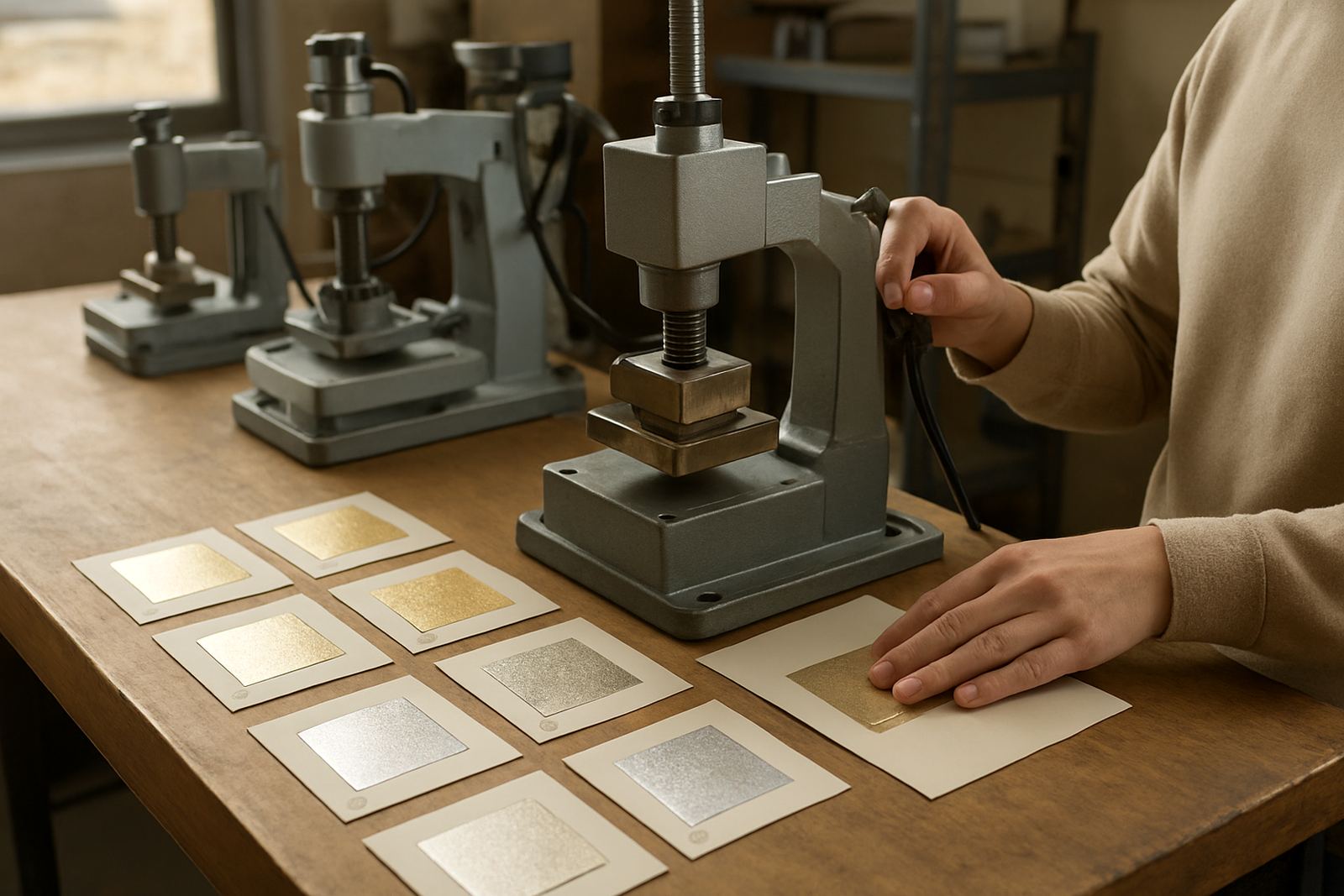
Good operators learn the balance by reading the material first. Before a production run, test a few sheets and note whether the fault changes with a hotter die or a firmer impression. If the result improves slightly with heat but collapses with extra pressure, you already know where to work next.
A Johannesburg Example: Saving Stock on a Short Run
A packaging client in Industria West recently brought in a short run of printed carton sleeves for a product launch. The foil logo looked faint on the first sheets, so the team was ready to increase pressure. Instead, a quick check showed the die had not reached a stable working temperature after a power interruption the previous day. The heater reading was close but the real surface heat was still too low.
Rather than forcing the setup, the press was allowed to stabilise, the die was rechecked, and the foil was matched to the stock finish. The next test pull came out sharp, with clean edges and no extra crushing. That small pause saved about 80 sheets, which mattered because the client was working to a tight launch date and could not afford reprints.
That is the point of understanding pressure versus temperature. If you know what to adjust first, you protect stock, keep turnaround times realistic, and avoid turning a minor setup issue into a full production delay.
How Operators Should Troubleshoot in Order
A simple sequence keeps the press room calm. Start with the basics, then move to the variables that are easiest to prove. The best operators do not guess, they test one change at a time and record what happened.
- Confirm the stock type, grain direction and surface condition.
- Check that the die is mounted flat and secure.
- Verify the actual temperature at the die and allow it to stabilise.
- Run a small test and inspect where the foil failed.
- Adjust pressure in small steps before chasing heat again.
- Only change both settings together if the test results clearly call for it.
This order matters in real production, especially when there are multiple operators on shift. A machine that looks “off” in the morning may simply need a documented start-up routine, a cleaner mounting surface, or a warmer room. If each person changes a different setting, you lose the pattern and the job drifts further from spec.
Set the Machine Up for Stable Results
Stable foil work comes from repeatable settings, not constant adjustment. Preventive servicing, heater calibration, die alignment checks and pressure setup should be part of the normal schedule, not only something done after a breakdown. In fast-moving shops around Roodepoort, Randburg and Sandton, even one weak component can cause a day of wasted foil if it is ignored.
If your press is showing mixed symptoms, begin by asking whether the fault points to heat or force. That one question can protect expensive stock and keep finishing work moving without unnecessary retries. For help with setup, training, spares or servicing, it is always better to sort the cause early than to chase the effect for the rest of the shift.