Why foil still works so well on cards
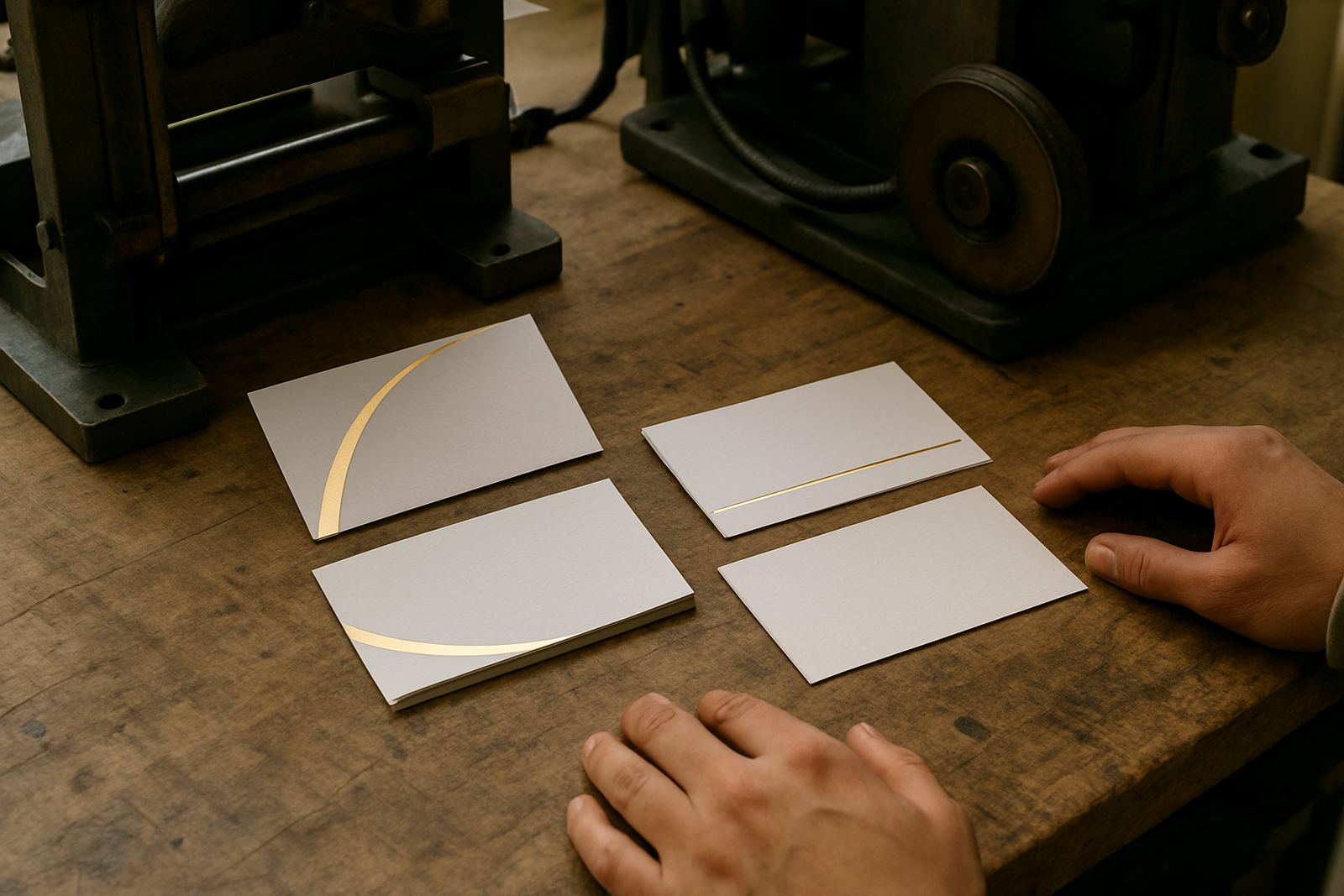
Card makers use foil for one simple reason: it turns a plain printed piece into something people want to pick up. A clean foil mark catches light, frames the artwork and gives the card a clear point of focus without needing heavy ink coverage or complicated decoration.
That matters across South African markets where buyers often judge a card in a few seconds. A wedding invite in Sandton, a birthday card sold through a market in Randburg, or a premium thank-you card packed with a gift set in Roodepoort all benefit from the same thing, strong visual contrast. Foil can be used for names, borders, logos, monograms and small detail areas that need extra emphasis.
For card producers, the attraction is also practical. Foil can support short runs, seasonal work and personalised orders without changing the whole production setup. If the press is dialled in properly, the process stays repeatable and the finished cards look consistent across the batch.
- Good for invitations, greeting cards, gift cards and inserts
- Works well on short runs and personalisation jobs
- Creates shine without covering the full card surface
Choose the right card stock before you start
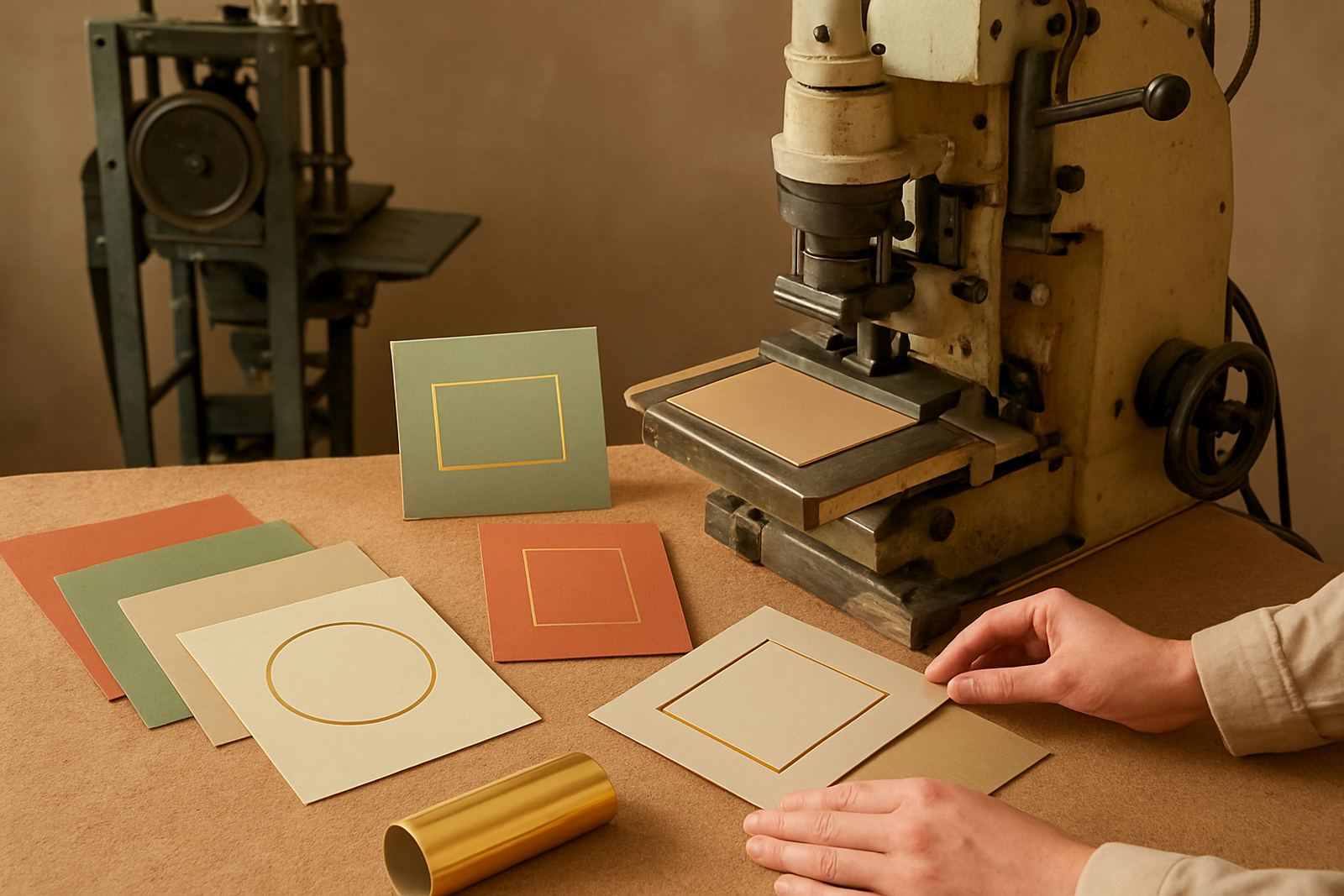
Foil performance begins with the board. A coated stock, smooth uncoated board or textured card will each react differently to heat and pressure. If the surface is too rough, the foil may not transfer cleanly. If the stock is too soft, the impression can sink in too far and spoil the front of the card.
For most card work, the best results come from a stable sheet with a decent caliper and a face that can take detail. That might be a 250 gsm cover board for a greeting card, or a thicker folded piece for a luxury invitation. In Johannesburg, where humidity changes between dry winter days and summer rain, board can move more than people expect, so it helps to store stock flat and let it settle before production.
Always test the exact material you plan to run. Even small differences in coating, fibre content or board finish can change how the foil releases. A short test sheet often saves a full run from waste.
- Check surface smoothness before committing to a run
- Match board weight to the fold, cut and final use
- Allow stock to acclimatise in the workshop before pressing
Heat, pressure and dwell time need to work together
Foil stamping is not only about looking good, it is about control. The press must deliver the right heat for the foil layer, enough pressure to transfer the image and a dwell time that suits the artwork. Too much heat can blur fine edges. Too little pressure can leave patchy areas or missing detail. If the dwell time is off, small text and fine lines start to fail.
For card work, the most common problems are light patches in large solid areas, crushed board around logos and edges that look soft instead of crisp. These usually point to setup rather than the foil itself. A careful operator will check heater settings, make sure the die sits correctly and confirm that pressure is even across the platen.
In a busy production room, it is worth recording the settings for each stock type. A wedding invitation on heavy board will not behave the same way as a folded event card on lighter stock, so a written reference helps keep repeat jobs consistent.
- Set heat, pressure and dwell as a group, not separately
- Keep notes for repeat jobs and seasonal card ranges
- Watch for edge lift, patching and over-impression during setup
Design the artwork for clean foil detail
Not every design suits foil. Very fine lettering, tight spacing and tiny reversed-out shapes can work, but only if the die is made properly and the press is set with care. For card makers, it is safer to keep the artwork simple where possible and let the foil do the visual work through placement and contrast.
Large blocks of foil can look striking on premium cards, but they need steady pressure and a flat, even surface. Thin lines and script logos need accurate die mounting and a clean, level bed. If the card is for a special occasion, the foil should complement the message rather than crowd it.
- Use clear line weights for fine text and borders
- Avoid overly tight detail on textured stock
- Place foil where light will catch it naturally, such as names, edges and motifs
For example, a small card maker in Midrand producing anniversary cards may choose a gold foil nameplate with a simple border rather than a fully foiled background. That keeps the card elegant, reduces waste and makes it easier to hold a stable run on the press.
Keep production clean when you are running mixed batches
Many card businesses in South Africa do not run only one product. A week might include wedding invites, corporate event cards, baby shower cards and retail greeting cards. Mixed work is where process discipline matters, because each changeover affects temperature, pressure, registration and foil consumption.
Good workshop habits make a difference. Keep dies stored clearly, separate used foil rolls from fresh stock, and check that the card blanks are trimmed evenly before they enter the press. If the room is dusty or the board sheds too much fibre, clean-downs need to happen more often, especially in areas close to main roads and light industrial sites.
Load-shedding also changes the rhythm of the day. If a press is stopped mid-job, the operator should know how to restart with a fresh test piece, confirm heat recovery and check the first sheets before resuming full production. That saves time and protects finished stock.
- Label dies, settings and stock types clearly
- Do a short restart test after any power interruption
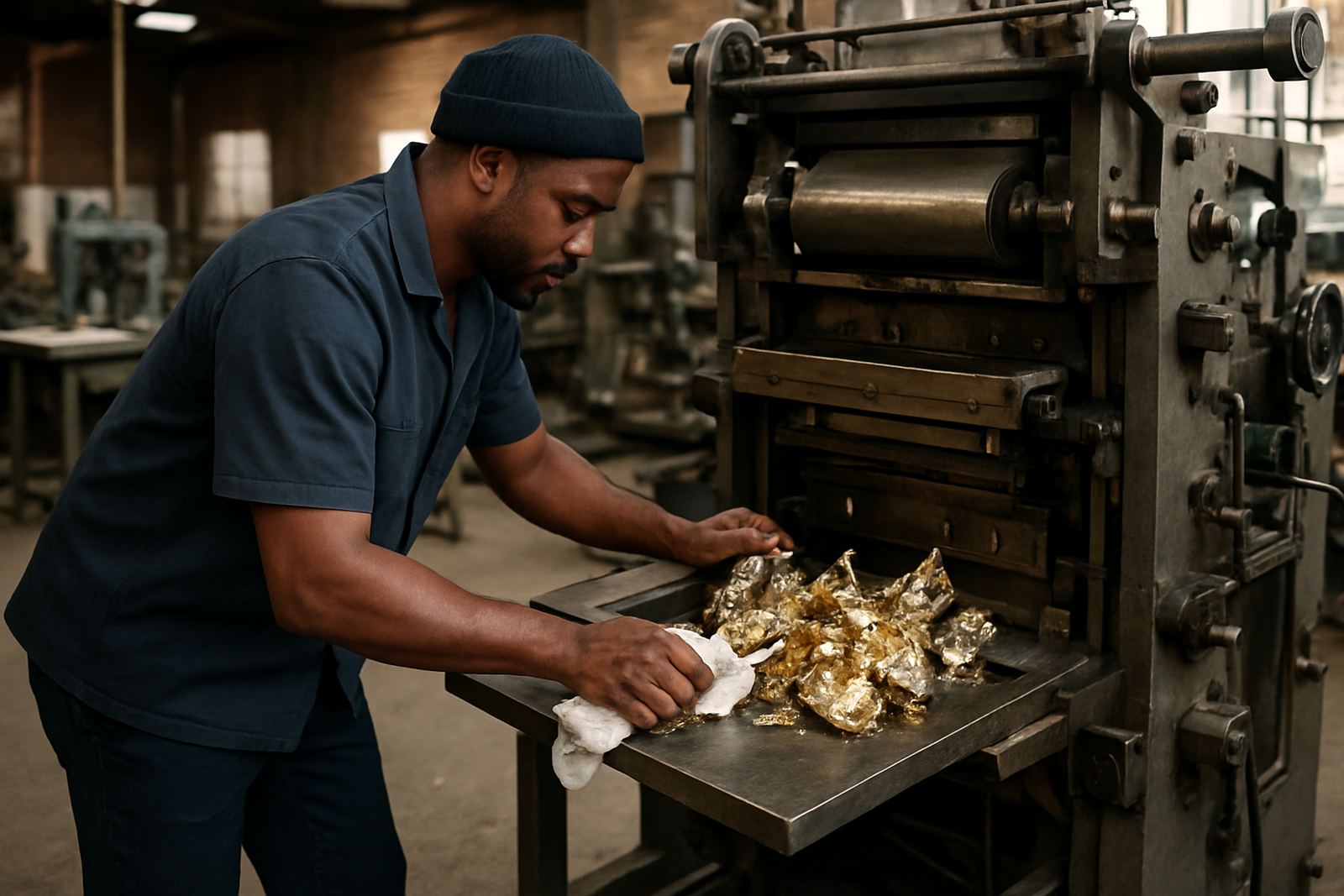
- Keep the press area free of dust, off-cuts and loose foil scraps
Foil support for card producers across Johannesburg and beyond
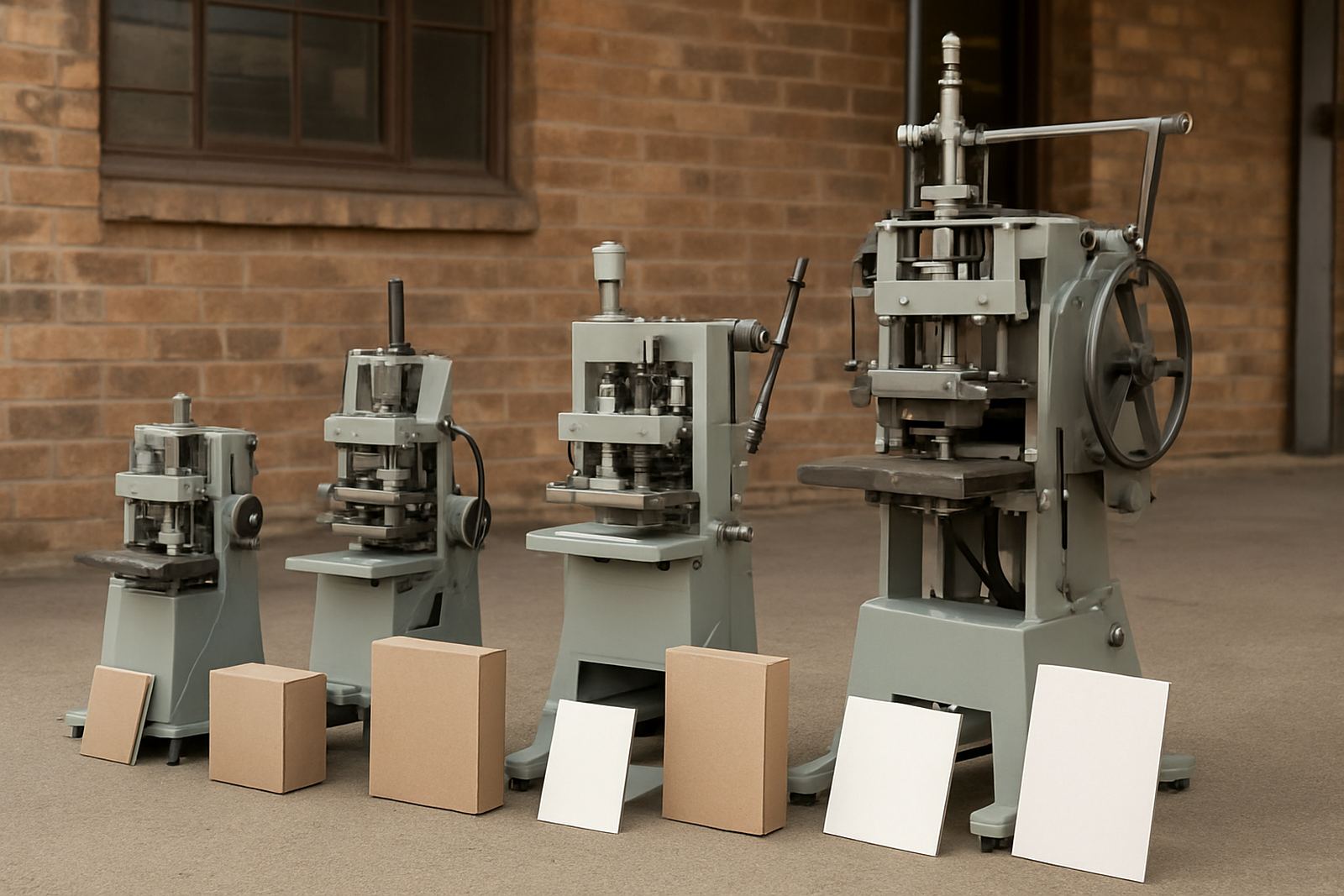
FoilPress works with card makers from Industria West and Roodepoort to Randburg, Midrand, Sandton and Germiston, and supplies presses and foils nationwide. For small studios and larger manufacturing rooms alike, the aim is the same, reliable stamping that holds up through day-to-day production.
Support can include press installation, operator training, preventive servicing, breakdown repairs, heater calibration, pressure setup, die mounting, foil matching, spares supply and production optimisation. That matters when a card range is time-sensitive, such as wedding season work, year-end gifting or event stationery with fixed delivery dates.
With the right setup, card foil becomes less of a finishing problem and more of a dependable part of the product. The difference shows in cleaner names, sharper borders and a better feel in the hand, which is often what convinces a customer to pay a bit more.
For orders, technical support or advice on the right press setup, send a message through our contact form.