Why platen size matters before you buy
In hot-foil stamping, platen size decides more than just the size of the die. It affects how many impressions you can run per hour, whether a job can be laid out efficiently, and how much setup time gets lost to awkward sheet sizes. A press that is too small forces you to split jobs, run extra passes, or turn work away. A press that is too large can tie up cash and floor space you do not need yet.
For card and packaging work in South Africa, this matters because many businesses start with short promotional runs, then move into folding cartons, presentation boxes, inserts, labels and sleeve work. A good platen choice should fit current orders and still make sense when those larger contracts arrive.
Match the press to the job size you run most often
The best place to start is by measuring the jobs already on your floor. Look at the finished size of your most common sheets, blanks or cartons, then compare that with the usable stamping area needed for foil, pressure and registration. Leave enough margin for clamping, die placement and safe operator handling.
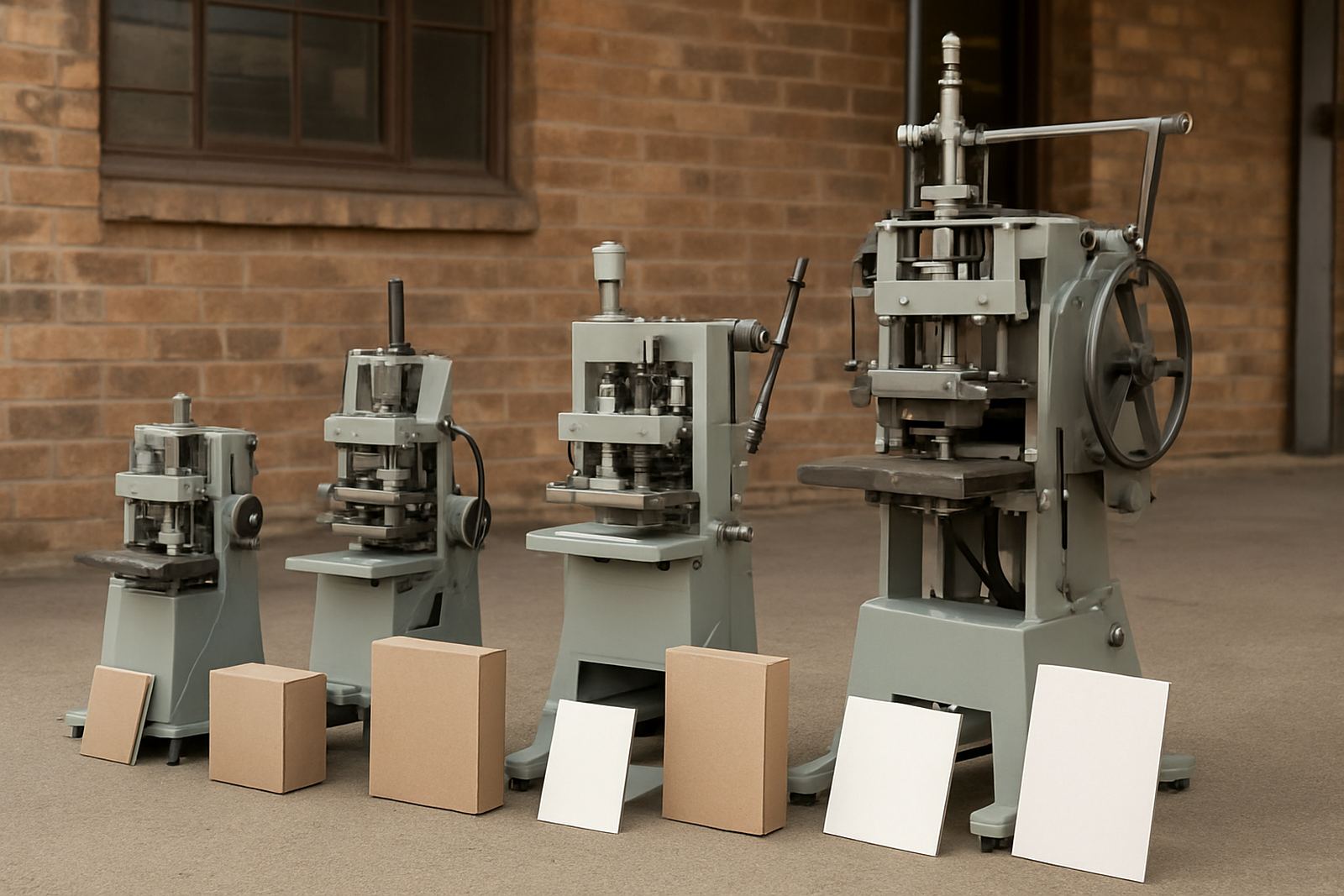
It helps to group your work into a few practical categories:
- Small items like tags, cards, labels and sample packs
- Mid-size packaging such as sleeve wraps, cartons and presentation folders
- Larger sheets or dies for multi-up layouts and wider branding areas
If 80% of your work is under a certain size, that is usually the size range your main press should serve efficiently. A press should not just fit the biggest job on paper, it should also handle the average job without wasting foil or time.
Leave headroom for packaging growth
Many businesses in Johannesburg and beyond start with card finishing, then move into product packaging once the foil quality becomes part of their sales pitch. That growth often happens faster than expected. A print shop in Industria West may begin with invitations and stationery, then suddenly pick up cosmetic cartons for Randburg or food labels for Midrand. If the platen is too tight from day one, that growth becomes harder to serve.
Think about where your customers are headed, not only where they are today. If you are already quoting on gift boxes, retail packs, or export-ready cartons, allow room for those future dies now. It is usually cheaper to choose a slightly larger platen at the start than to replace a press later.
- Ask what new product ranges your customers mention most often
- Check whether artwork is likely to move from small logos to larger coverage areas
- Allow for multi-up layouts if your work is likely to scale
Floor space, power supply and the reality of load-shedding
Platen size is not chosen in isolation. A bigger press needs more workshop space around it for loading, die changes and finished stock. In a busy plant, that extra clearance can decide whether production flows well or becomes cramped and slow. It also matters in areas like Roodepoort, Germiston and Industria West where many workshops share limited space with cutting, packing and dispatch.
Power is another practical issue. During load-shedding, a press with sensible heating control and steady pressure settings is easier to manage than one that is constantly being pushed to its limits. If your site uses backup power, check that the press and heating system fit your available electrical capacity. The right platen size should work with your workshop conditions, not against them.
Set-up time, foil waste and real production costs
When platen size is well matched, setup is quicker and foil waste stays under control. A die that sits comfortably on the platen is easier to align, clamp and test. You are less likely to fight poor pressure across the image or burn foil on unnecessary test pulls. That saves time on every job and gives cleaner results across longer runs.
The practical cost difference can be seen in three places:
- Less wasted foil during test setup
- Fewer job splits and re-runs
- Shorter changeovers between one order and the next
For smaller businesses, that can be the difference between taking on extra work and turning it away. For larger manufacturers, it can mean a more predictable output line and fewer bottlenecks at finishing.
South African packaging businesses need a size plan, not a guess
There is no single platen size that suits every operation. A craft studio in Sandton does not work the same way as a packaging plant in City West, and both can be right for their market. The important thing is to make the choice from actual order patterns, not from the biggest sample you have ever seen.
A sensible size plan usually means one of three things: buying for the main volume now, allowing space for one growth step, or choosing a press line that can be supported with servicing, calibration and spares. If the machine can be installed properly, trained properly and kept in good pressure and heater condition, it will stay productive for longer.
Questions worth asking before you settle on a platen
If you are comparing options, ask these questions before you commit:
- What is the most common finished size we stamp each week?
- Will we need to stamp larger cartons or sleeves in the next 12 to 24 months?
- Do we have enough floor space for loading, access and maintenance?
- Can our power setup support the press and heater requirements?
- Will operator training be enough to keep setup consistent from shift to shift?
Those answers usually point to the right platen size faster than any sales pitch. The goal is simple: a press that handles current work cleanly, with enough room to grow without forcing an early replacement.