Why foil still works on premium shelves
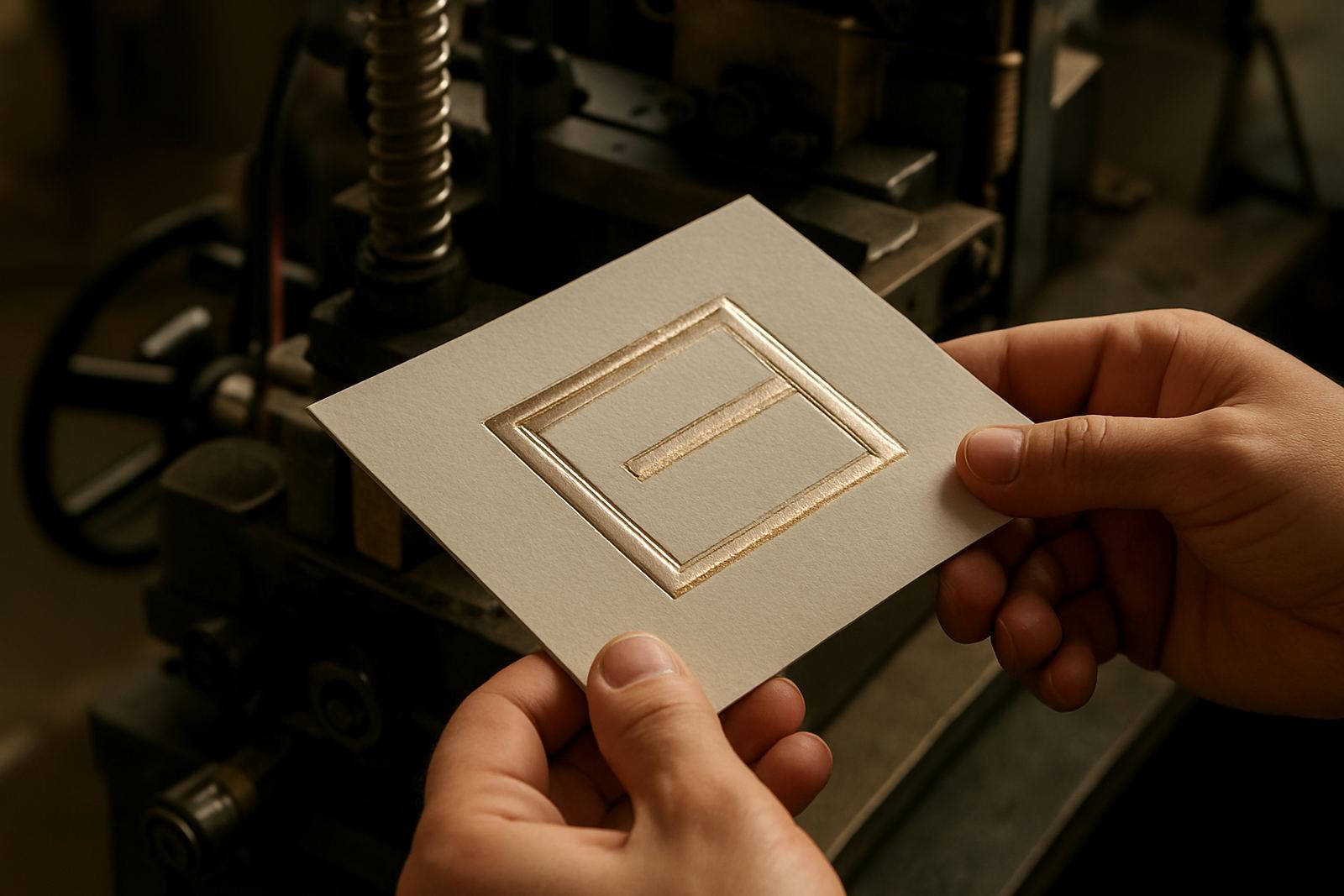
In retail, the eye reads contrast before it reads detail. A foil mark on a carton, sleeve or tag catches the light, separates the brand from busy shelf artwork, and tells the customer there is care in the pack. For many South African products, that matters as much as the print itself.
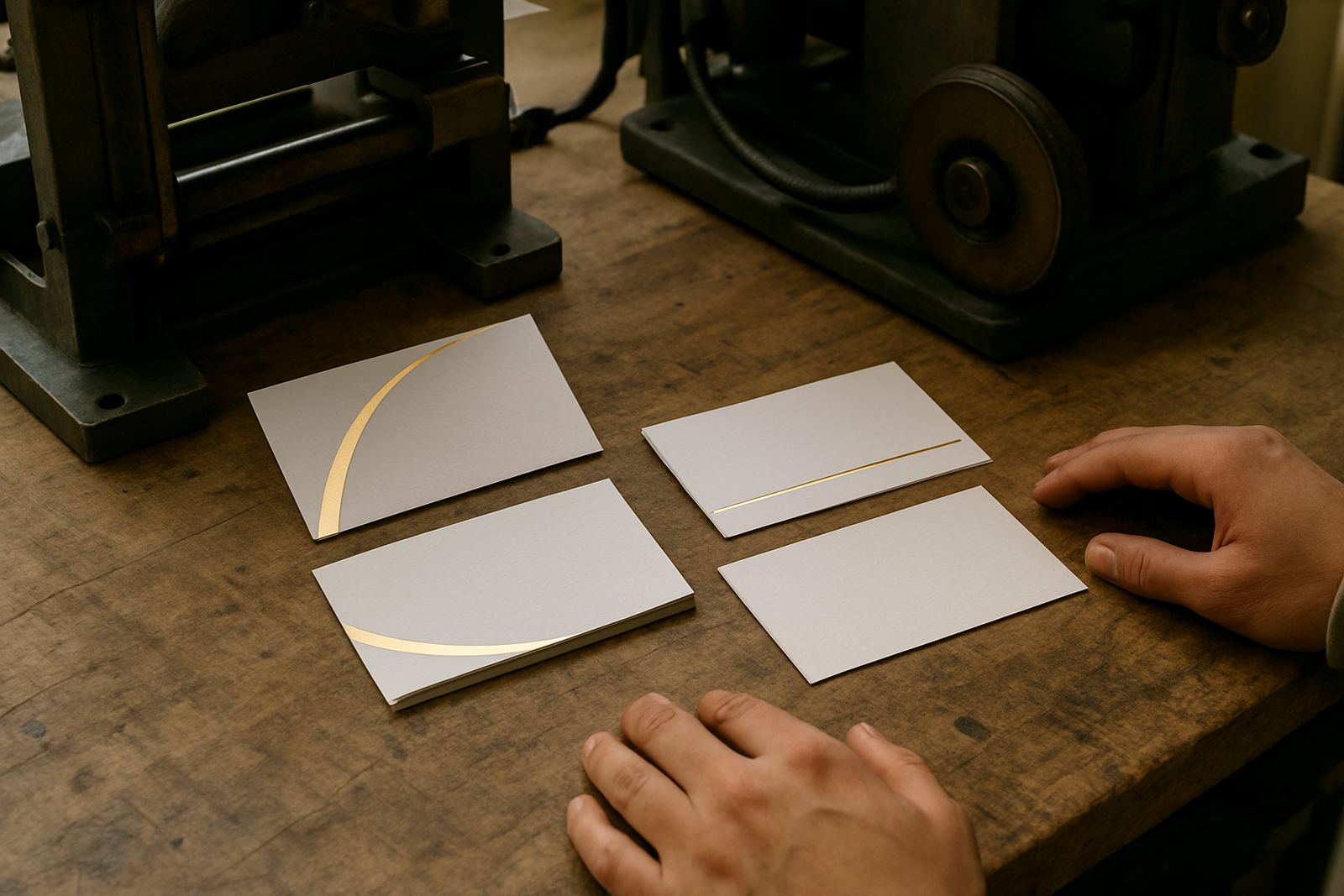
Foil is useful because it can do a lot with a small area. A logo on a luxury soap box, a line on a fragrance carton or a crest on a confectionery gift pack can lift the full pack without pushing up the whole print budget. That is why premium retailers, gift suppliers and pack houses keep coming back to it.
It also gives consistency when the rest of the range is changing. If the carton colour shifts for seasons, or the pack runs in different sizes, the foil can stay as the visual anchor. That helps with recognition across branches in Johannesburg, Pretoria, Durban or Cape Town where stock moves fast and the display table has to work hard.
Choosing the right foil finish for the job
Not every premium pack needs bright mirror foil. In some cases, a soft metallic, a brushed look or a pigment foil gives a better result because it fits the product category and does not overpower the artwork. The finish should support the brand, not fight it.
- Mirror gold and silver suit gift packs, celebratory ranges and high-value cosmetics where shine adds instant attention.
- Soft metallics work well on skincare, wine sleeves and boutique food packs when the brief calls for classier restraint.
- Coloured foils help with seasonal ranges, kids products and private-label packaging that needs quick differentiation on shelf.
- Pigment and matte foils are good when the pack needs contrast without a loud metallic look.
For premium retail, the print finish around the foil matters too. A matte laminate, soft-touch coating or uncoated stock can make the foil stand out more than gloss on gloss, which can flatten the effect. On a shelf full of reflection, contrast is your friend.
Getting the substrate and press settings right
Foil is only as good as the setup under it. Cartons, folded sleeves, rigid board and coated papers all behave differently under heat and pressure. If the sheet is too slick, too porous or carrying too much coating, the foil may look patchy or lift at the edges. That is why proper setup matters before production starts.
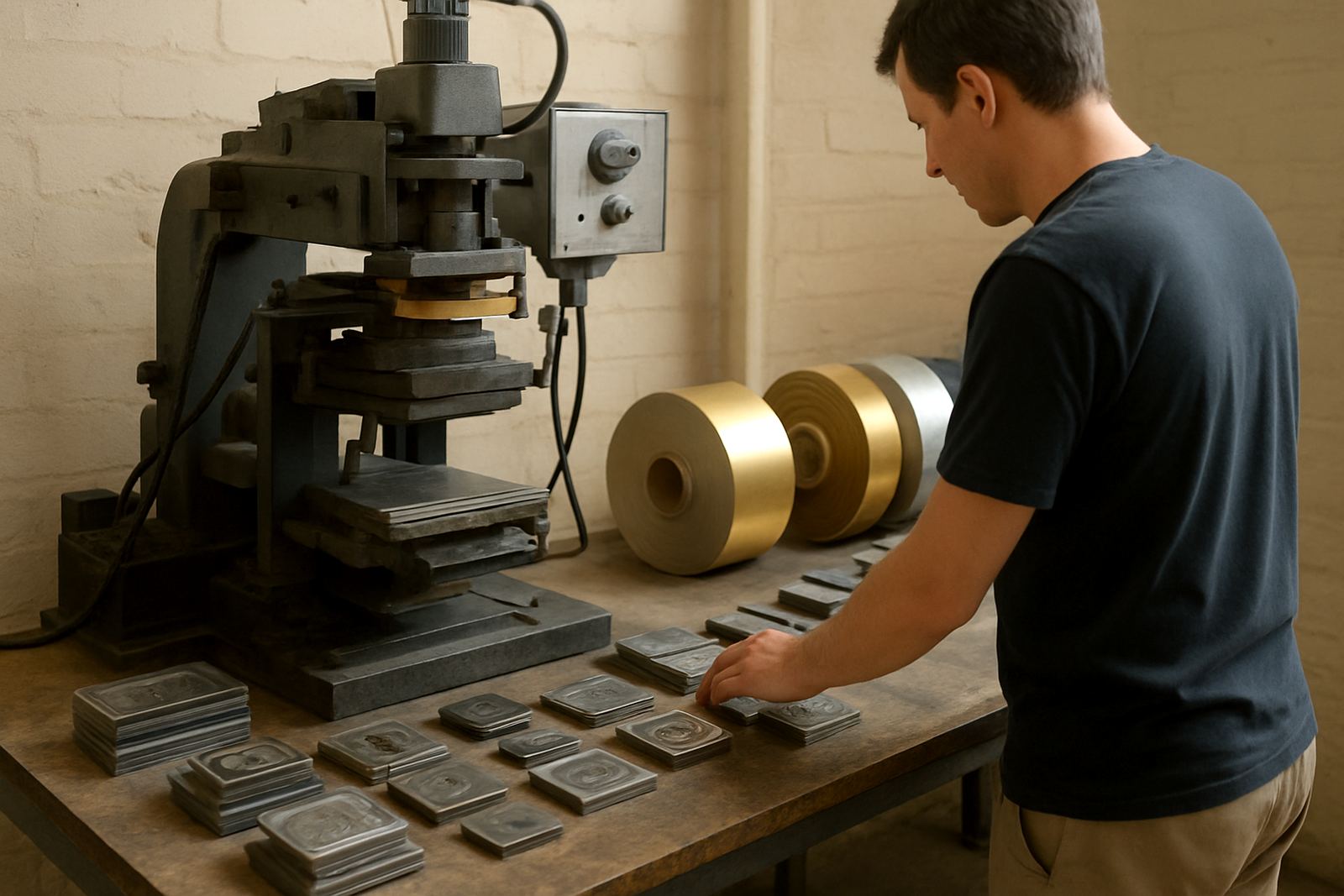
On hot-foil equipment, temperature, dwell, pressure and die condition all need to work together. Too much heat can blur fine detail or leave a halo. Too little pressure can give an uneven transfer that looks acceptable in the workshop but poor under shop lighting. A good operator tests on the actual stock, not only on scrap paper.
Johannesburg workshops also have to account for load-shedding and warm afternoons in summer. Power interruptions, low humidity in some months and dust in industrial areas can all affect consistency if machines are not kept clean and calibrated. In coastal areas like Durban or Gqeberha, higher moisture can change drying and handling times, so the same foil spec may need a slightly different press routine.
How premium retail packs avoid costly foil mistakes
Many foil problems are preventable. They usually start with a rushed die, a poor proof or the wrong foil choice for the production run. A pack that looks great on one sample can fail when the run starts because the stock behaves differently at speed. That is why the production team needs to think through the full job, not only the artwork.
- Keep the foil area clean and avoid tiny details that are too close together for the stock grade.
- Check registration against the printed carton flat, not only the digital proof.
- Use a foil grade that suits the run length and expected handling in transit.
- Test folding lines and glue zones so the foil does not crack or interfere with adhesion.
- Store foils away from direct sun and damp areas to protect performance in the workshop.
For retail packaging, the cost of a reprint can be far higher than the cost of getting the first run right. A small delay in setup, pressure adjustment or die mounting can save a lot of waste, especially when a launch date is fixed and stock must be in the warehouse by Friday.
A local example from City West production
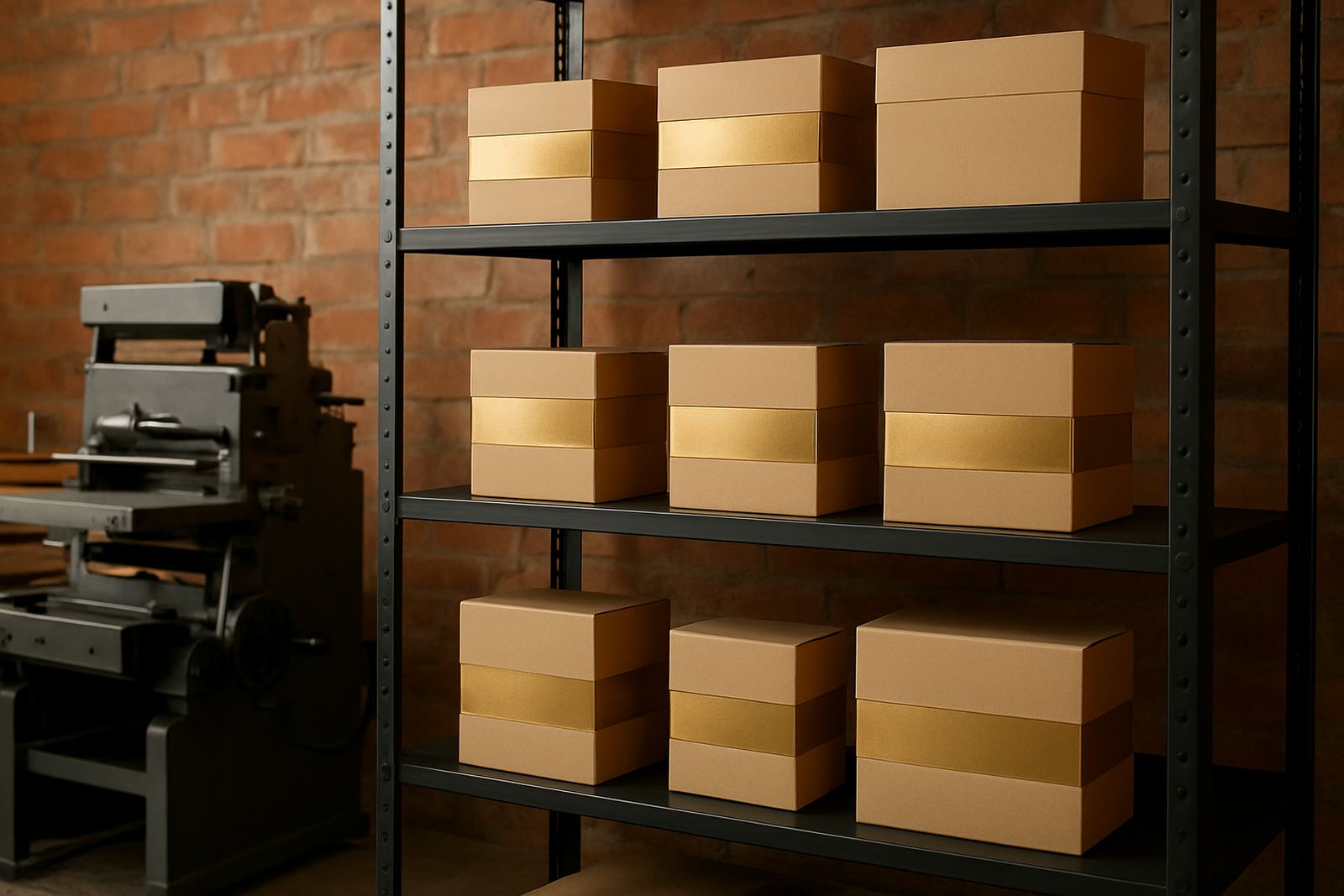
A Johannesburg gift supplier in City West may need a premium carton range for corporate hampers, with short lead times and different flavour variants. One pack might carry a rose gold logo, another a deep gold mark, and a third a silver anniversary badge. The artwork stays familiar, but the foil gives each line its own shelf presence.
In that sort of job, the practical work matters more than the sales talk. The team has to confirm die size, check pressure across the plate, match foil to the board finish and make sure the machine is holding temperature through the full shift. If the line runs across a hot day in Industria West and the next day after a power cut, the settings may need a fresh check before production continues. That is normal, and it is where experienced support pays for itself.
Retail packaging buyers often want a finish that looks expensive without making the pack harder to manufacture. Foil gives that balance when it is planned properly. It can add the premium cue on a box lid, a flap, a hang tag or a sleeve, while leaving the rest of the pack simple and cost-effective.
What to ask before you commit a foil job
Before signing off a premium retail foil run, it helps to ask a few direct questions. The answers will show whether the job is ready for production or still needs adjustment. A clear brief also helps the supplier plan machine time, spares and technician support if needed.
- Which parts of the pack must catch the light first?
- Will the pack be handled by hand, packed mechanically or both?
- Does the foil need to hold on coated, laminated or textured stock?
- Are there folds, glue lines or tight corners near the foiled area?
- How many units are needed per month, and will the range repeat?
When those points are clear, foil becomes a controlled production choice instead of a last-minute decoration. That is how premium retail packaging keeps its value on shelf, in transit and in the customer’s hand.