Why foil with emboss look works so well on cards and packs
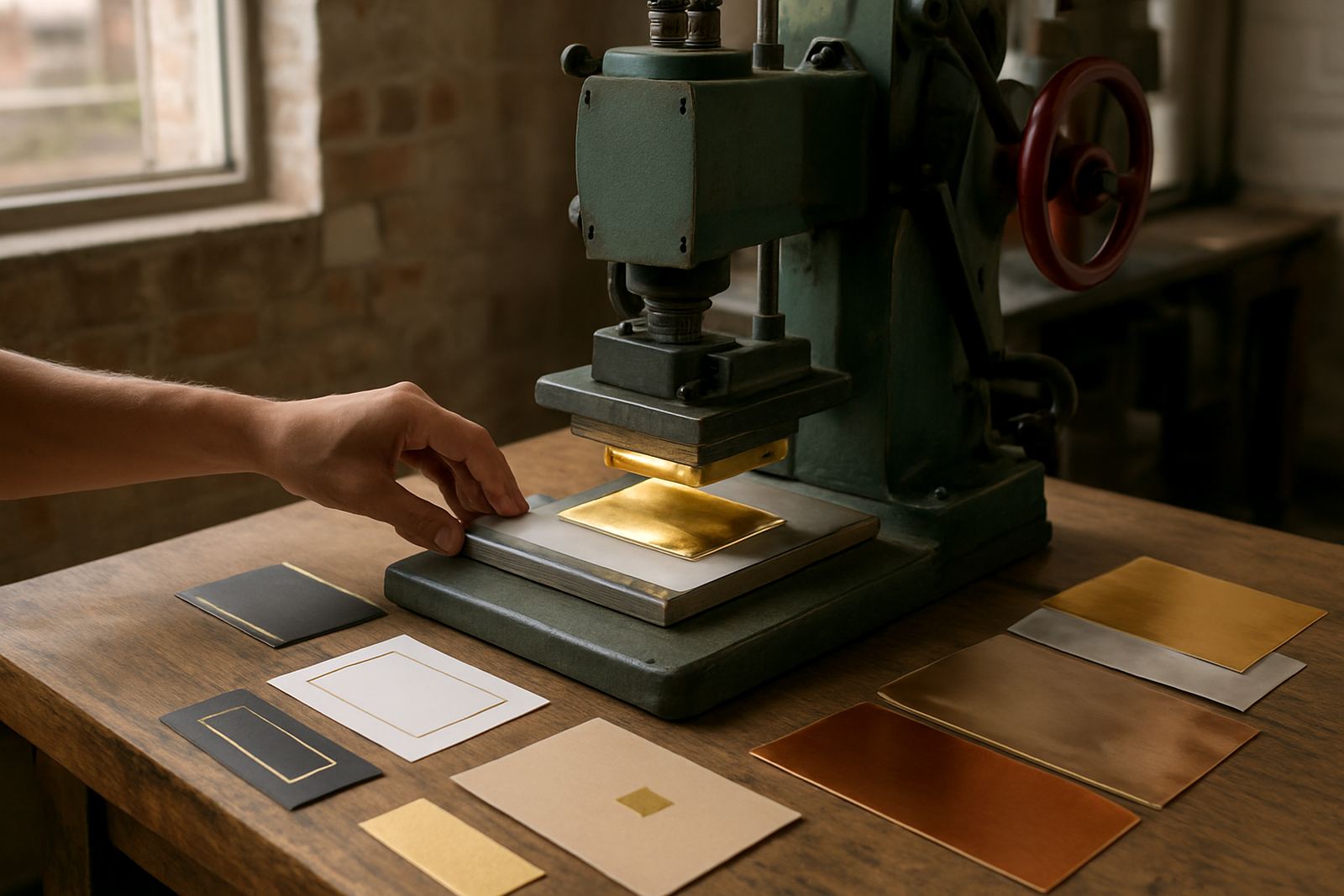
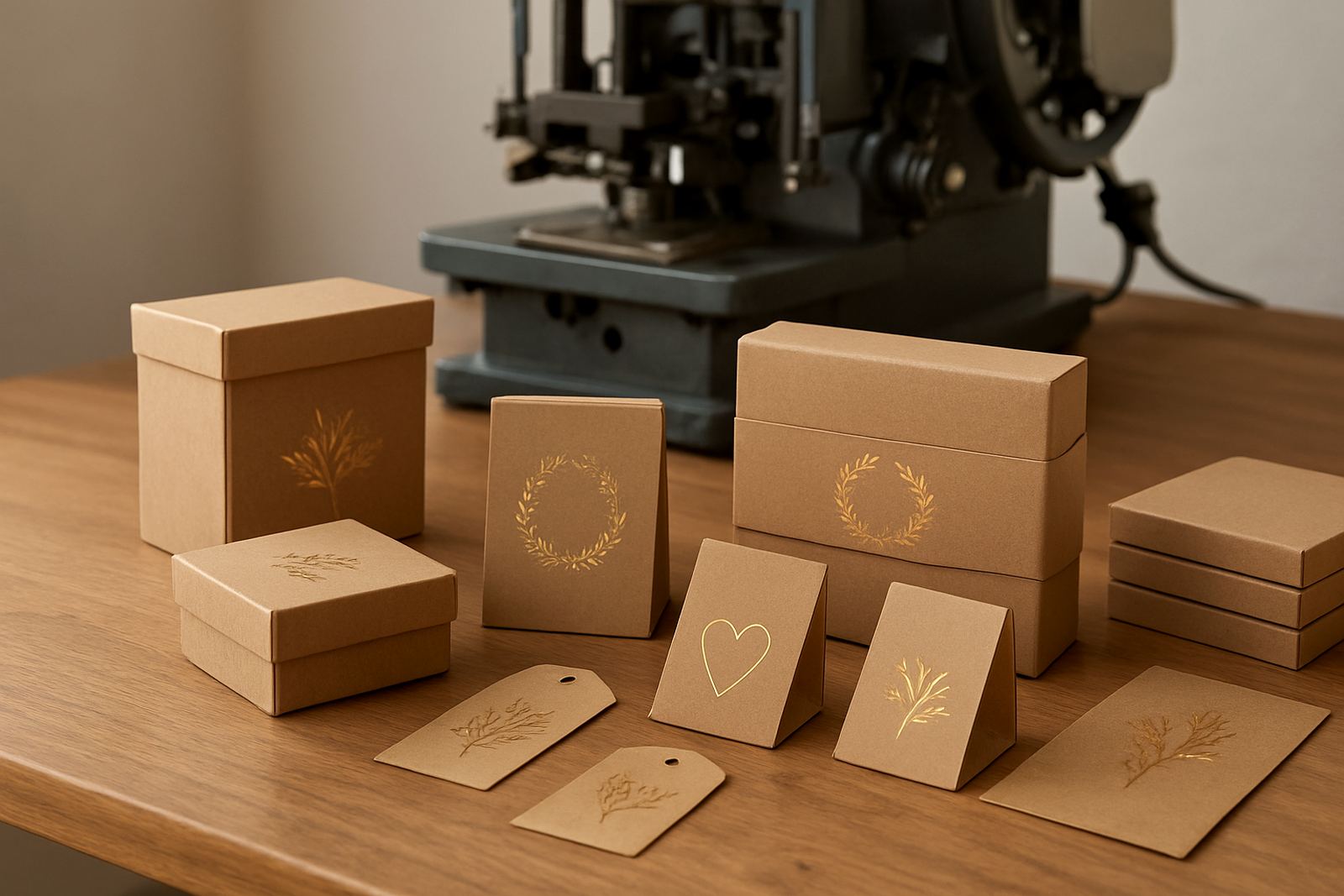
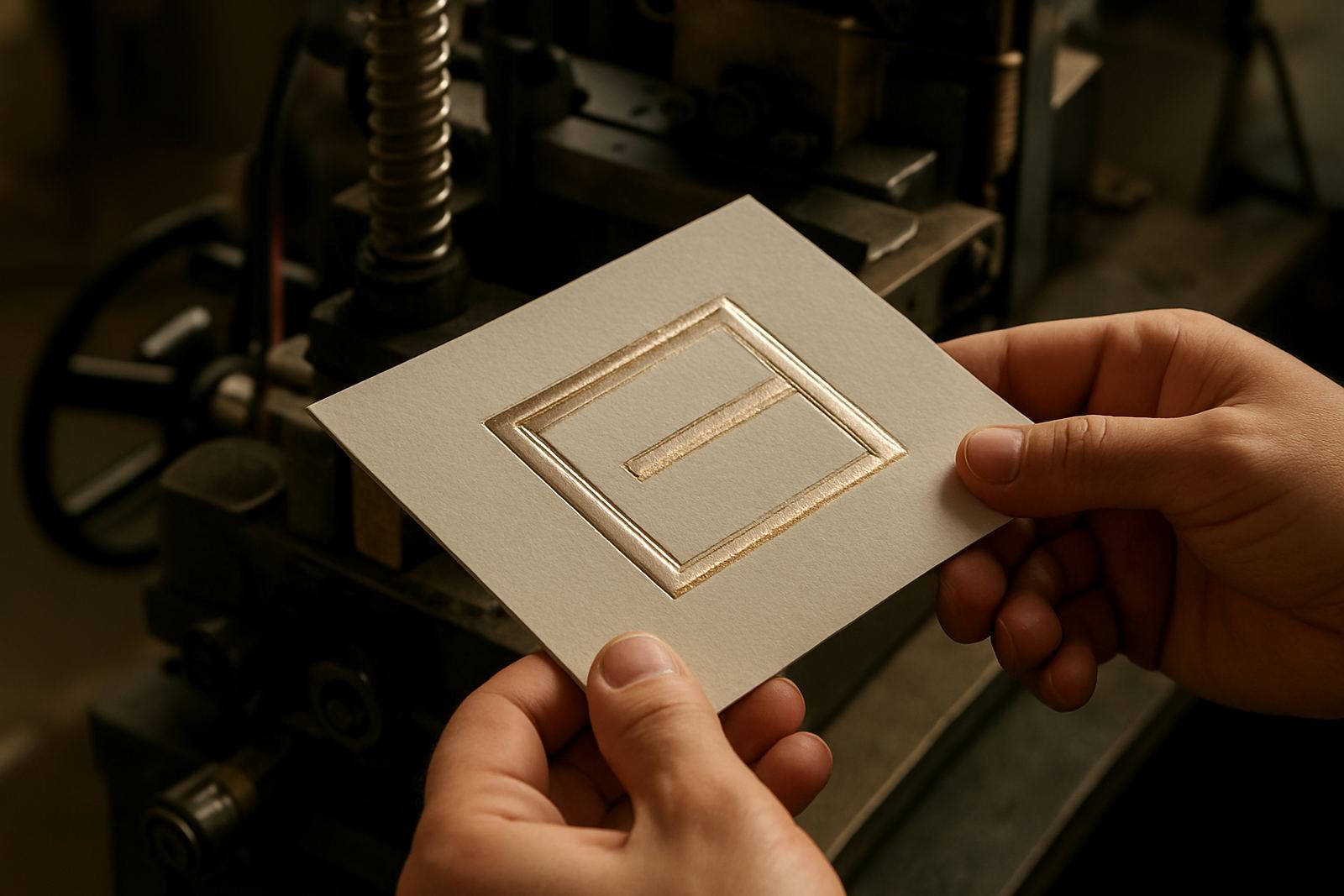
Foil with emboss look is popular because it does two jobs at once. The foil gives colour and shine, while the raised or pressed shape gives touch and depth. On business cards, carton sleeves, invitations and premium packaging, that extra dimension often matters more than a large print area. People notice the feel before they notice the fine detail.
For South African businesses, that matters in a market where many items compete on the shelf or in a client’s hand. A well judged raised foil mark can make a small run of cards look far more considered, and it can give a product box a proper finished feel without adding a full print process. The trick is not to force the effect. It needs the right stock, the right die and enough pressure to hold detail without crushing the board.
At FoilPress in Industria West, Johannesburg, we see this most often on short to medium runs where clients want a clean premium finish but also need good turnaround. In practice, the most successful jobs are the ones planned around the material first and the finish second.
Choose stock that can hold the shape cleanly
Stock choice makes a bigger difference than many designers expect. Thin paper may show the foil, but it will not hold a strong raised shape for long. Very soft board can sink back after pressing. The best result usually comes from a stock with enough body to carry the detail, yet enough fibre movement to take the impression neatly.
For cards, a thicker uncoated or lightly coated board often gives a better emboss look than a very slick finish. For packaging, folded carton board needs to be tested at the final crease lines so the foil area does not crack when the box is folded. Coastal humidity can also affect some boards, especially if they have been stored poorly in Durban or East London before coming up to Gauteng. Even in Johannesburg, a damp pallet can change the way the sheet behaves under heat and pressure.
- Use a board that can accept pressure without breaking the surface.
- Check grain direction before final setup.
- Allow stock to acclimatise before production.
- Avoid storing foil jobs near open doors or wet floors.
Set pressure in stages, not all at once
The emboss look comes from controlled pressure and correct dwell time. Too little pressure and the foil sits flat. Too much pressure and the sheet can bruise, flatten or show a heavy rim around the image. In some cases the foil may even lose sharpness because the material shifts while the heat is still working.
A practical setup starts with a sample sheet and small pressure adjustments. That is where an experienced operator saves time. On a job for a roodepoort packaging converter, for example, the first trial might show a good foil edge but the raised area is weak on the thicker parts of the artwork. A second pass with a small increase in pressure, and a heater check, often brings the finish into line without changing the die.
- Test with the actual run stock, not a similar sheet.
- Check heater calibration before changing pressure.
- Watch for crushed fibres on the reverse side.
- Keep a record of the settings for repeat jobs.
With load-shedding still affecting many production schedules, some businesses prefer to run these jobs in tighter windows. That makes repeatable settings even more important. If a press is stopped and restarted, you want to know exactly what worked on the last approved sample.
Dies, mounting and foil matching need to work together
The die is what gives the image its detail, but the mounting and foil choice decide how that detail reads on the finished piece. A sharp die mounted unevenly will give an uneven result, especially on small type or fine borders. Foil that is too soft for the stock may fill, while foil that is too hard may not transfer fully across a wide area.
For that reason, foil matching should happen alongside die mounting and pressure setup, not after the fact. On packaging work, the raised area may need to line up with a fold, a flap or a glued edge. On card work, even a slight skew becomes obvious because the eye naturally follows the foil line. That is why our workshop team checks die seating, platen alignment and foil path before production starts.
- Match the foil to the stock finish and artwork size.
- Mount the die square and check for lift at the edges.
- Confirm the artwork position against the trim line.
- Do a short run test before committing full quantity.
In Johannesburg City West, many customers come in from Randburg, Sandton or Germiston with jobs that have already been printed elsewhere. Often the issue is not the print, but the final finishing setup. Once the die, foil and stock are aligned properly, the same artwork can go from ordinary to much stronger in one run.
A local example: premium carton sleeves for a Sandton launch
A recent local example involved a small production run for carton sleeves used at a product launch in Sandton. The client wanted a metallic mark that felt raised when handled, but the board was prone to marking if the press was too aggressive. The job was also time sensitive because the launch date was fixed and courier timing had to work around municipal traffic delays and weekday loading access.
The solution was straightforward but careful. We confirmed the board weight, adjusted heater settings, set the pressure in two steps and checked the foil selection against the uncoated surface. The first sample was close, but the emboss depth was a touch soft. A fine pressure adjustment and a better dwell time gave the cleaner edge the client wanted. The result looked deliberate, not overworked.
That is the real value of foil with emboss look. It is not about adding decoration for its own sake. It is about giving the customer a finish that supports the product, the brand and the handling experience. When it is done properly, even a modest run can look premium without needing an oversized production budget.
How FoilPress supports the finishing stage from Johannesburg to nationwide
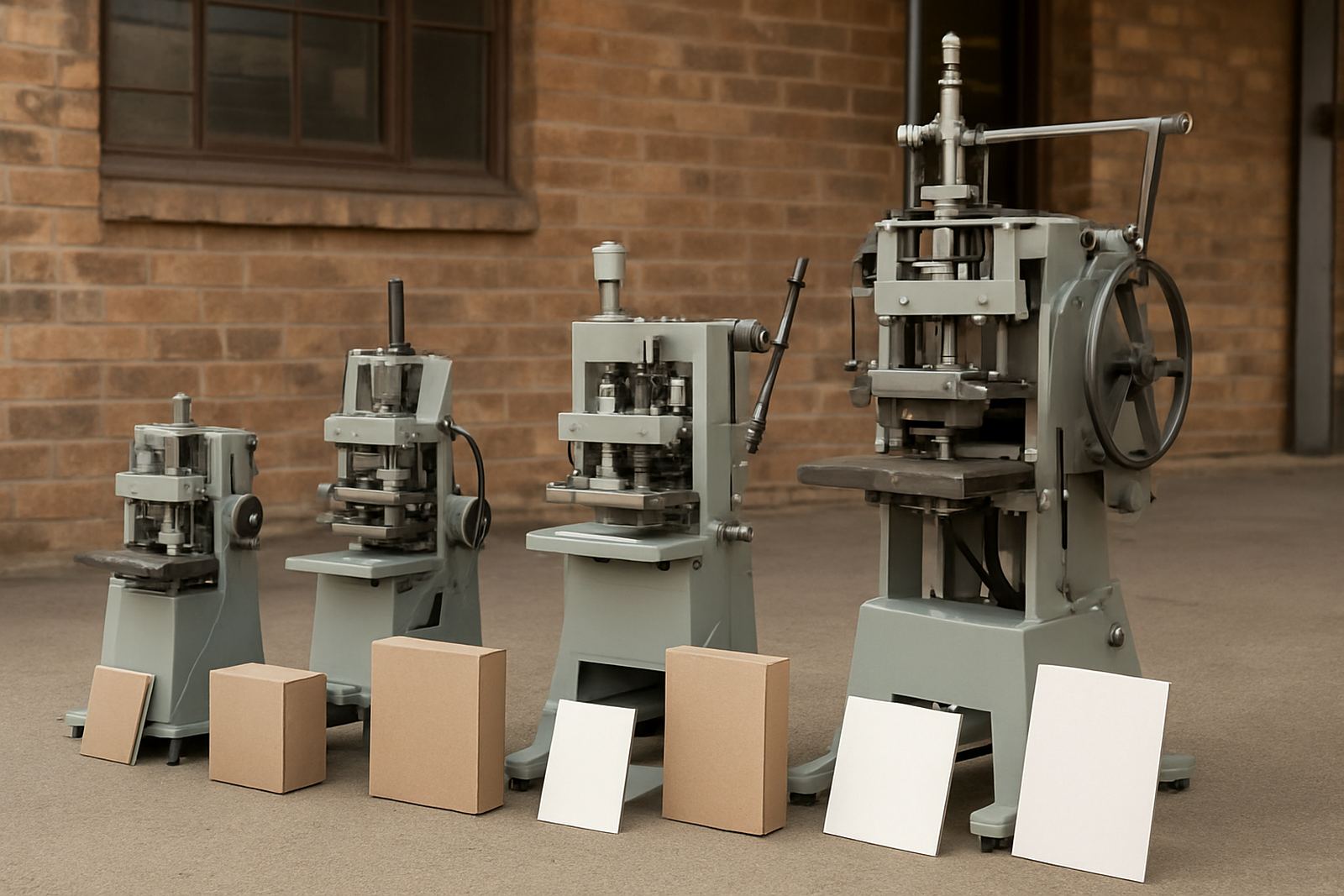
FoilPress works from Industria West with presses and foils supplied nationwide, and we see the same practical needs whether the customer is in Midrand, Roodepoort, Sandton or further afield. The finishing stage has to be dependable. That includes installation, operator training, preventive servicing, breakdown repairs and production optimisation when jobs are running behind.
For foil with emboss look, the most useful support usually comes down to the basics done properly. A press that is level, a heater that reads correctly, a die that is mounted well and a foil choice that suits the board. If any one of those slips, the finish suffers. If all four are right, the result is far easier to repeat for the next order.
Businesses that handle packaging, cards and short-run premium jobs often need the same thing every time: a finish that looks intentional and a process that does not waste stock. That is why good setup matters as much as the machinery itself.
- Press installation for new production lines and workshop relocations.
- Operator training for foil, emboss and mixed finishing jobs.
- Preventive servicing to keep output steady.
- Spare supply and breakdown repairs when turnaround is tight.
If you need advice on a job that must carry both foil and a raised feel, start with the stock and the pressure plan. The rest usually follows from there.