How hot foil stamping actually transfers the finish
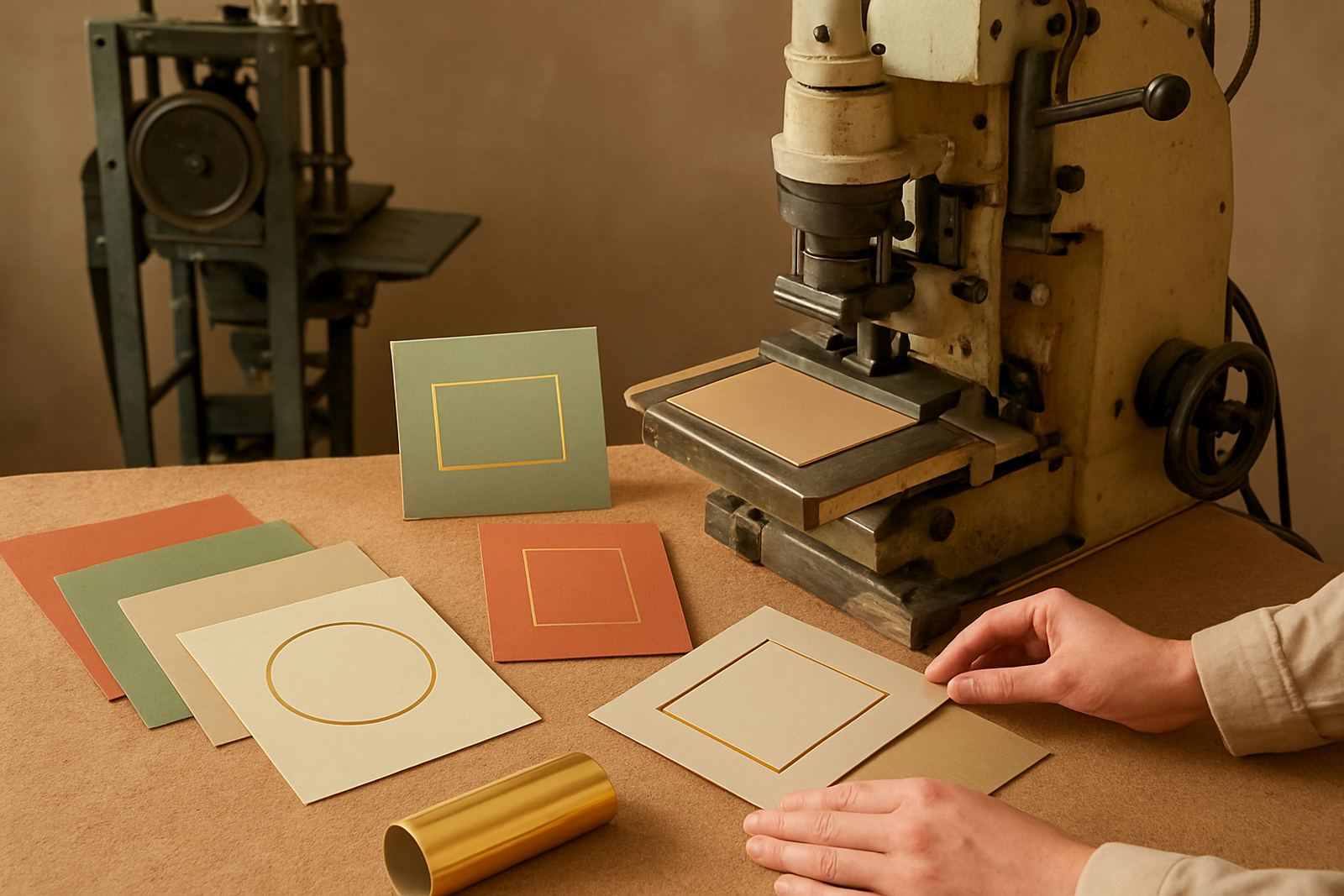
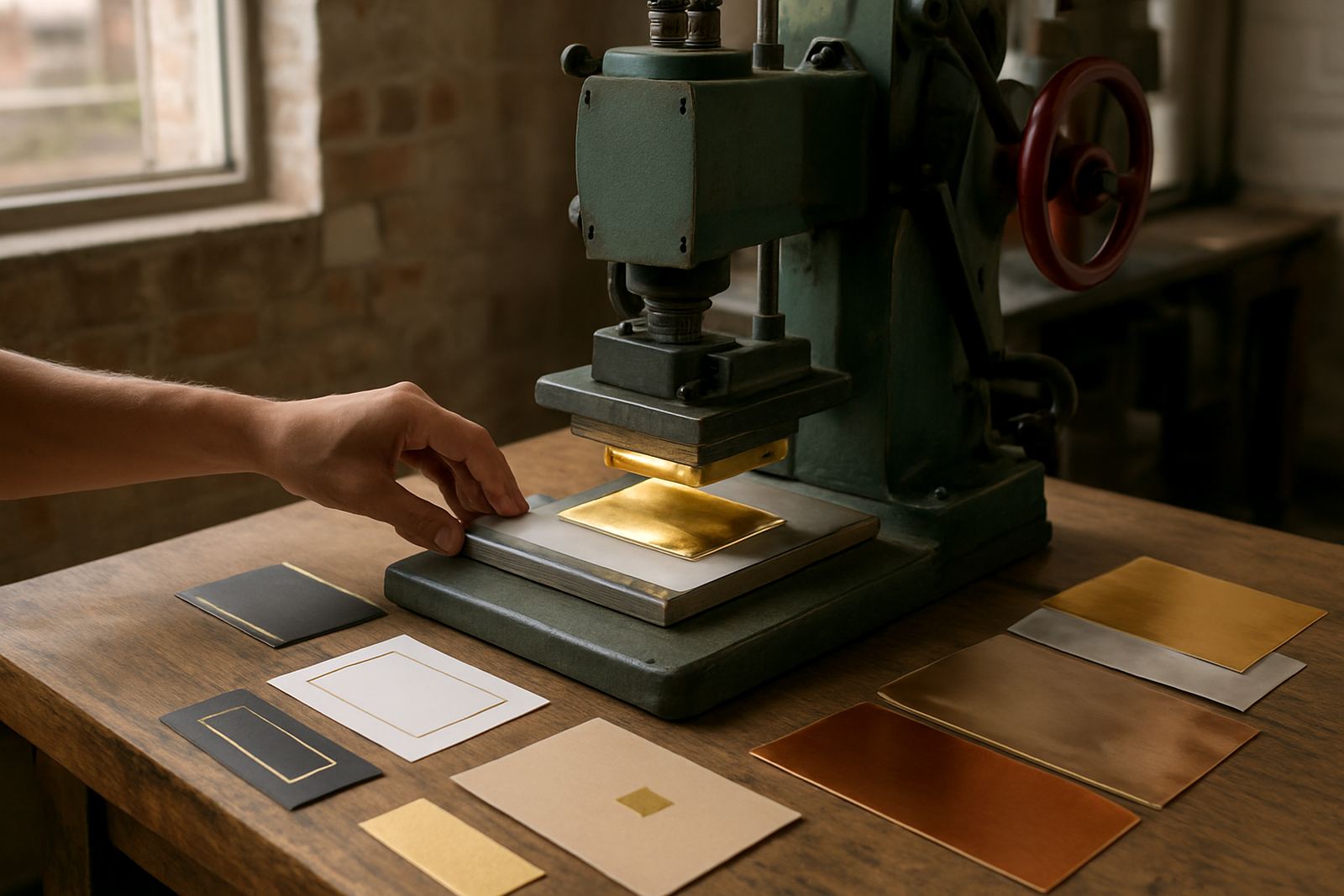
Hot foil stamping is a pressure and heat process. A metal die is heated, then pressed onto foil and the chosen stock. The heat activates the adhesive layer on the foil, the die applies pressure, and the image sticks only where the die touches. What remains behind is a sharp imprint with a bright metallic, matte or coloured effect.
The method works well on many coated papers, uncoated boards, folded cartons and some labels. The key is control. Too much heat can soften the foil and blur the edge, while too little heat gives patchy transfer or missed detail. In practice, good results come from matching the foil type, the die, the board and the machine settings properly.
Why printers use foil in cards and packaging
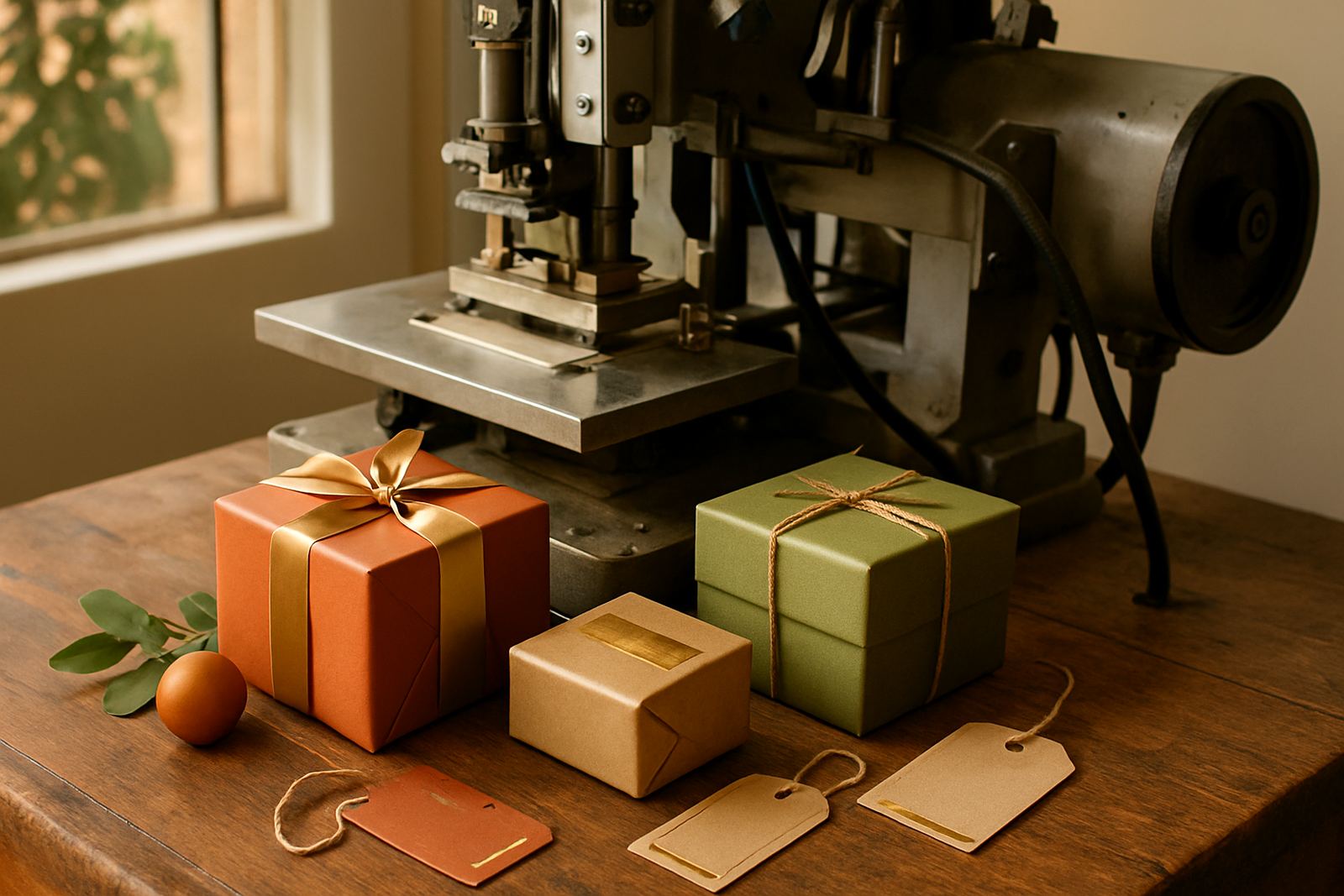
Foil is chosen when a project needs a premium point of difference without covering the whole surface. It can lift a simple box, invitation, swing tag or presentation folder with a neat finish that catches the eye. For South African printers handling short runs and seasonal work, it is also useful because it can add value without changing the full print process.
Common uses include wedding stationery, corporate gifting boxes, cosmetic cartons, wine labels, loyalty cards and book covers. In packaging, foil often highlights a logo, product line or seal, making the pack easier to recognise on shelf.
- Use foil when the job needs strong visual emphasis on one area.
- Choose it for fine typography, borders and logos with clear edges.
- Keep in mind that large solid foil areas can be more demanding than small details.
What makes a good foil result on South African stock
Not every board behaves the same way. Locally sourced paper and packaging boards vary in coating, fibre content and surface smoothness, so testing matters. A rough or very porous sheet may need a different foil grade than a glossy carton board. Coastal humidity can also affect storage and handling, especially in places like Durban or the wet season around the East Rand, so board should be stored flat and dry.
If a shop in Roodepoort or Industria West is running foil on a humid afternoon, static, curl and inconsistent bite can all show up if the material has not acclimatised. Small changes in room temperature and pressure setup can make a large difference to the final finish. It pays to check the stock before the run starts rather than after a few hundred sheets are spoiled.
- Let board acclimatise before production.
- Keep foil rolls or sheets away from dust and direct sun.
- Test small samples before a full production run.
- Match the foil to the coating, texture and intended use.
Where hot foil fits in the finishing sequence
Hot foil stamping sits alongside other print finishing methods, not as a replacement for all of them. A job may be printed first, then foiled, then die cut, creased, folded or packed. In some cases the foil is stamped before another finishing step, depending on the shape of the item and the registration required.
The best time to use foil is when the design needs emphasis that ink alone will not give. It is often paired with embossing, but it also works on its own for a clean and direct look. For card producers, packaging converters and small craft businesses, the decision usually comes down to cost per unit, turnaround time and the standard expected by the customer.
What to check before buying or running a foil press
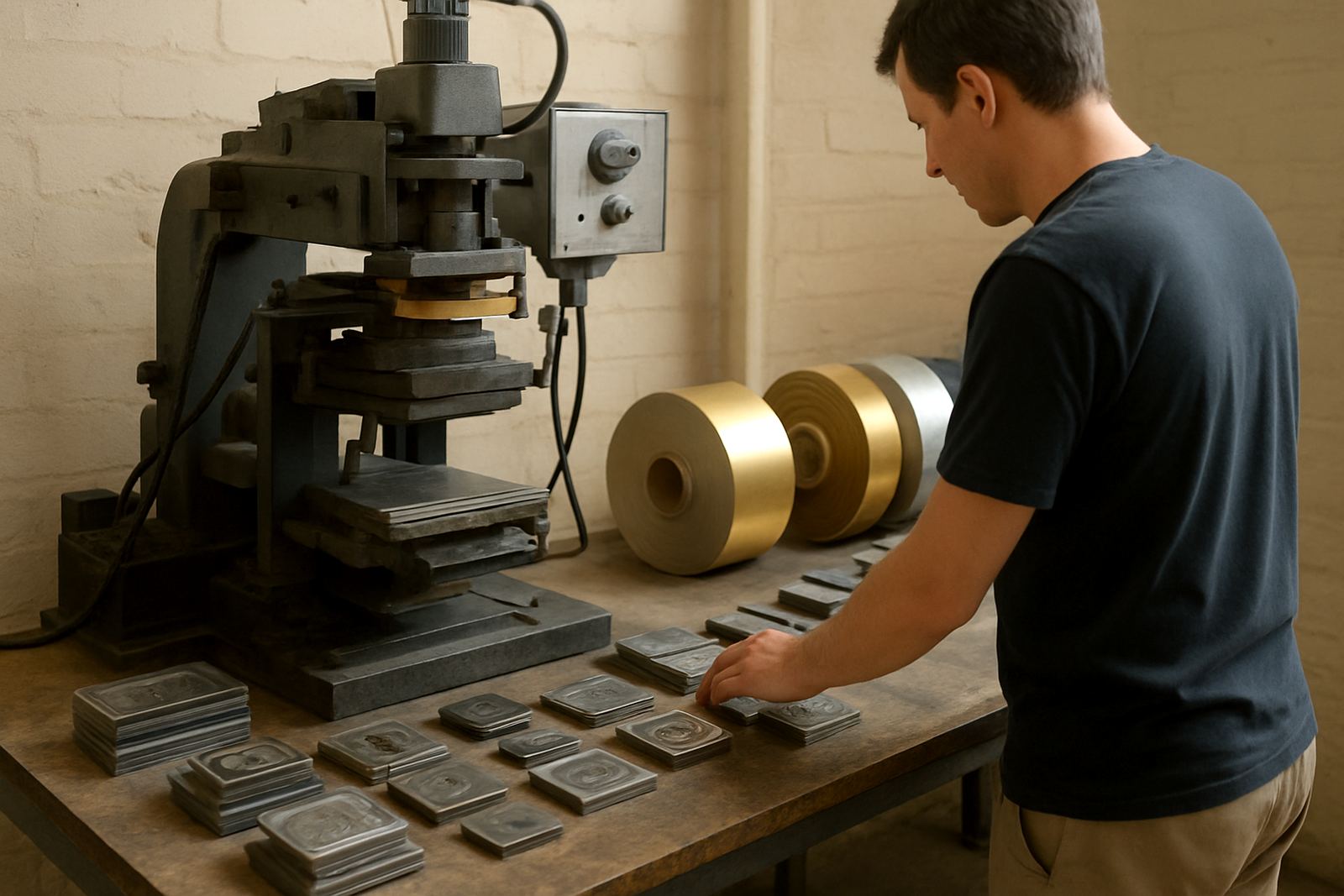
A press is only as useful as its setup. Businesses should check the heating control, pressure consistency, die mounting method and access for maintenance. If a machine is too hard to set up, it slows production and creates waste. In Johannesburg, where many workshops are under pressure from power interruptions and tight delivery windows, simple operation and reliable temperature control matter just as much as output speed.
It also helps to think about support, spare parts and training. A good machine should be backed by practical assistance for installation, operator training, heater calibration, pressure setup and breakdown repairs. That support is especially important for shops that run mixed work, from small presentation folders to larger packaging batches.
- Check that the press reaches and holds temperature evenly.
- Make sure the die area is easy to align and mount.
- Ask how servicing is handled and how quickly repairs can be turned around.
- Confirm that spares and consumables are available locally.
A local example from a City West packaging floor
Take a packaging converter in Industria West producing carton sleeves for a premium food line. The job needs a gold logo on the front panel, with clean edges and repeatable placement across several hundred units. The team sets the board, tests foil choice on a short run, confirms the pressure, then checks the first sheets under good light before moving into production.
That same process could be used in Sandton for corporate stationery, or in Midrand for a product launch pack. The principle stays the same: correct stock, correct settings and proper handling before the full run starts. When the setup is right, hot foil gives a finished result that looks deliberate and holds up well in use.
Simple signs your foil process needs attention
If foil starts looking patchy, lifting at the edges or dull in the middle, the issue is usually one of setup rather than the foil itself. Worn dies, uneven heat, pressure drift and dirty contact surfaces are common causes. Sometimes the answer is as small as adjusting the dwell time. Other times the press needs servicing or the die needs remounting.
Businesses that stamp regularly should keep a close eye on heater performance, machine alignment and foil storage. That is the difference between a job that looks sharp on the day and one that causes rework later. A clean, well set press also helps reduce waste, which matters when stock prices and lead times are tight.