

Foil For Seasonal Runs
Home / Journal / Foil For Seasonal Runs

Journal

Foil For Seasonal Runs

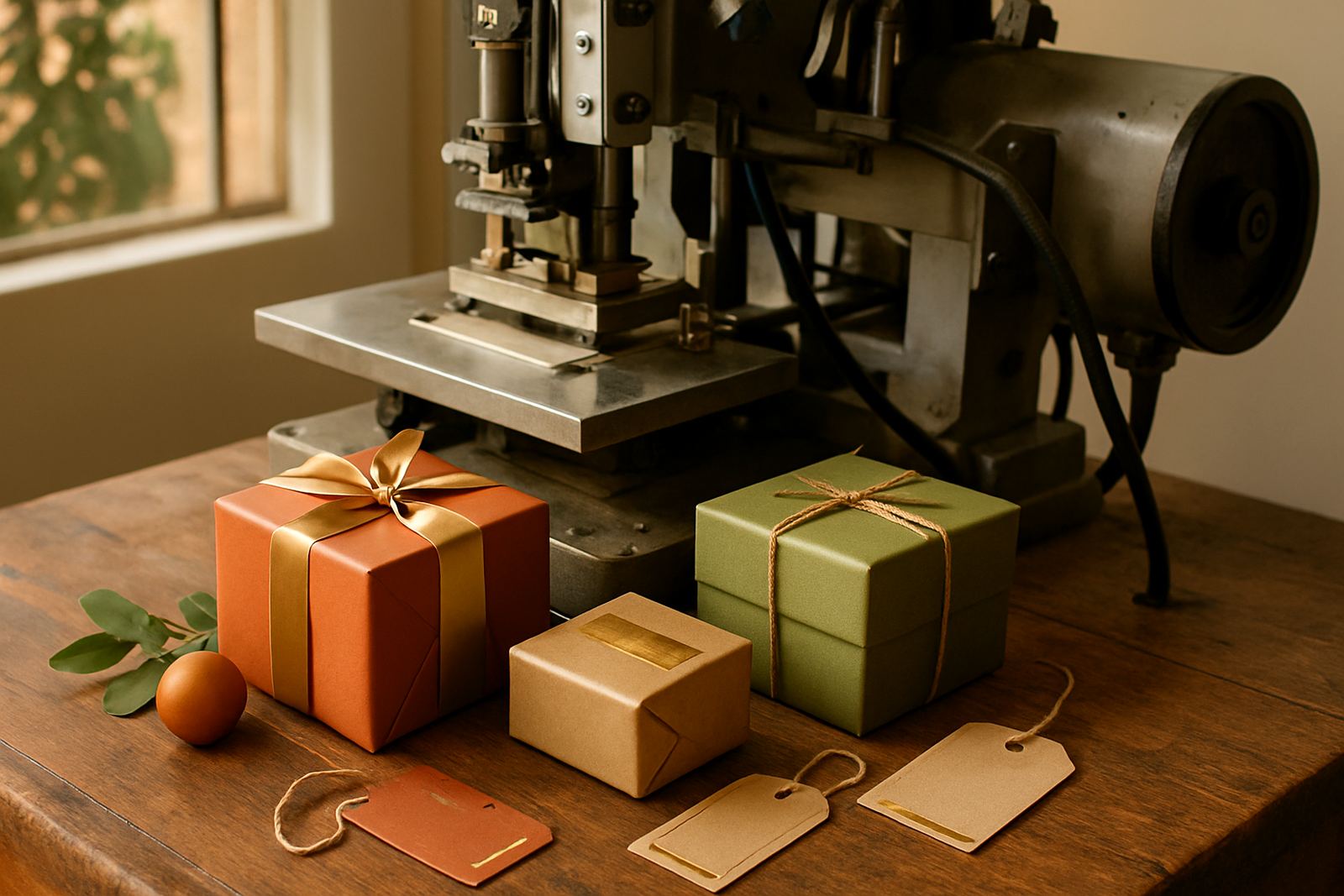
Seasonal packaging needs to move fast, especially when a product must look fresh for a holiday, promotion, or year-end sale. Hot-foil stamping gives card and packaging teams a quick way to change the look without redesigning the whole pack.

Why foil works so well for seasonal packaging

When a product only needs a fresh look for a short trading window, foil is often the simplest way to make the change. A metallic gold on a festive box, a silver logo for winter gifting, or a copper accent for an autumn launch can shift the feel of the pack without changing the carton structure or artwork layout. That means less disruption to print files, less waste and faster approval on the production floor.

For South African producers, seasonal work often comes with tight lead times. Retail buyers may confirm ranges late, while printers still have to get stock out before the next promotion cycle starts. Foil suits that pressure because it can be applied only where it matters most, such as logos, borders, dates or a special message. The base print stays the same and the seasonal detail does the heavy lifting.

  • Useful for gift packs, confectionery, cosmetics, stationery and premium sleeves
  • Works well on short runs where full reprint costs are too high
  • Helps a pack feel current without changing the whole design

Planning a seasonal run before the rush starts

The best foil jobs are planned before the peak season starts, not during it. If you know Christmas, Easter, Valentine’s Day or a retailer promotion will be coming through, build the foil area into the artwork early and allow enough time for die making, press setup and test sheets. A one week delay in the setup stage can affect the entire run when your carton plant is already booked out.

It also helps to think about stock levels. If you are running cartons for stores in Sandton, Midrand or Roodepoort, and the order is going to be repeated across branches, make sure the foil colour and substrate are locked in before you commit to a big batch. Small changes in board finish or ink coverage can affect how clean the foil transfers. On some coated stocks the result is perfect, while on rough or heavily textured material you may need a different approach.

  • Confirm the final substrate before the foil die is cut
  • Allow time for sampling on the actual board or cover stock
  • Keep a small safety margin for rework, courier delays or extra retailer orders

What to check on the press before switching jobs

Seasonal runs often mean quick changeovers. That is where consistent press setup matters. If the heater is running too cool, the foil may not release fully. If pressure is uneven, the image can appear patchy on one side of the sheet and strong on the other. A press that is correctly calibrated will handle short seasonal batches with less waste and fewer stop starts.

Before a run begins, check the die mounting, pressure setting and heat level, then test on the actual production stock. Operators should also watch for foil tracking, especially on narrower repeat jobs where the feed has to stay straight over many sheets. In Johannesburg and the surrounding industrial areas, load shedding can interrupt this process at the worst time, so many teams plan checks before the shift starts and keep backup arrangements ready for warm-up recovery and restart procedures.

A tidy press room makes a difference too. Dust, offcuts and uneven stacking can spoil an otherwise good run. On a busy seasonal schedule, the team at the machine needs a clear work area, labelled foils and a simple sign-off process for each job change.

Matching foil to the season and the product

Not every seasonal pack needs bright metallic coverage. Sometimes the better choice is a finer detail, such as a border line, a small icon or a brand mark with only one foil colour. The point is to create seasonal interest while keeping production efficient. A limited design can also help if the same carton will be used in different regions, because only the outer message needs to change.

Foil matching is where experience matters. Gold can look warm or pale depending on the stock. Silver can read as cool and clean, or it can look dull if the press settings are off. If your seasonal pack is going to coastal areas such as Durban or Gqeberha later in the year, storage conditions matter too because humidity can affect paper and board. Keeping the stock in a controlled area before stamping gives a more consistent finish.

  • Use warmer foils for festive, gift and premium food ranges
  • Use cooler foils for corporate, winter or clean-label packaging
  • Test metallics on the final board, not just on sample paper

How to keep short runs cost effective

Short seasonal runs can become expensive when every changeover takes too long. The aim is to keep the setup repeatable. If the same shape or size returns every year, keep the die record, pressure notes and heater settings together so the next run starts with fewer adjustments. That saves time and reduces the chance of reject sheets at the start of the shift.

Production optimisation also means knowing when not to over-spec the job. A large foil block may look attractive on screen, but if the budget is tight and the deadline is close, a smaller stamped area can still make the pack feel premium. For smaller businesses in Randburg or Germiston, this approach often makes the difference between a viable seasonal offer and one that pushes the margin too far.

It is also worth planning spares and consumables early. A foil run can stall if a heater element, sensor or feed component needs attention. Keeping those parts on hand, and having a support contact who understands the machine, reduces the risk of standing still when the order book is full.

A local example from City West production floors

A packaging team in Industria West may receive a late order for year-end gift cartons and need the job turned around before retail stock takes over the queue. In that situation, foil is a practical choice because the team can keep the main carton artwork stable and only change the seasonal detail. One run might use a bright metallic accent for the festive window, while the following month the same carton carries a simpler winter mark for a new promotion.

That kind of work depends on steady machine support and clear communication between sales, workshop and production. If a press is installed correctly, trained operators know the settings, and servicing is kept up to date, the seasonal job can move through without drama. For businesses serving Johannesburg, Roodepoort, Randburg, Midrand, Sandton and Germiston, this consistency is what keeps the foil line useful all year, not just in December.

  • Keep seasonal artwork files and die notes in one place
  • Schedule preventive servicing before the busy period starts
  • Use the same production checklist for every repeat run

Questions we get asked

Is foil worth using for short seasonal runs?

Yes. Foil is often ideal when you need a pack to look different for a limited period without changing the full print setup.

What type of products suit seasonal foil best?

Carded products, folding cartons, gift packaging, sleeves and premium labels usually benefit most because foil adds impact quickly.

What should be checked before starting a seasonal foil job?

Confirm the board, die, heater settings, pressure and foil choice, then run samples on the actual production stock before full output.

Planning something? Send the team a message.

Contact form