What each foil type is built to do
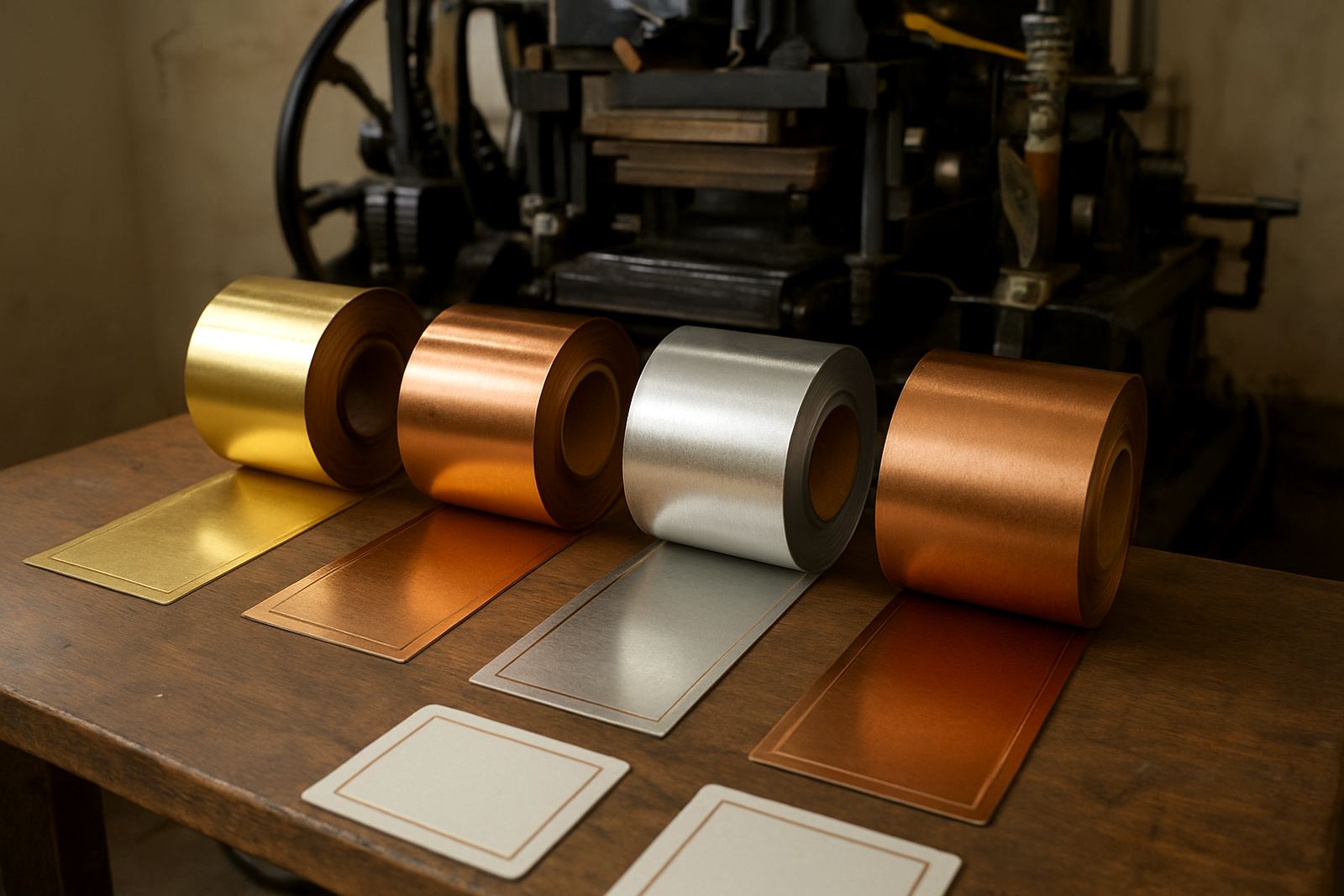
Metallic foil is used when the aim is shine. It reflects light and gives a bright finish in gold, silver, copper and many other tones, which is why it is so common on premium cartons, invitations and product labels. Pigment foil is different. It gives a flat, solid colour with no shine, so it is better when the design needs strong contrast, bold letters or a more muted brand look.
The choice sounds simple but the effect on press setup is real. Metallic foils often show up small pressure changes, uneven heat or rough board more quickly. Pigment foils can be a better choice on work where you need clean blocks of colour, especially on plain card stock or packaging with large printed areas. In a busy Johannesburg workshop, that can mean fewer re-runs and less scrap if the job is set up for the right finish from the start.
When metallic foil gives the stronger result
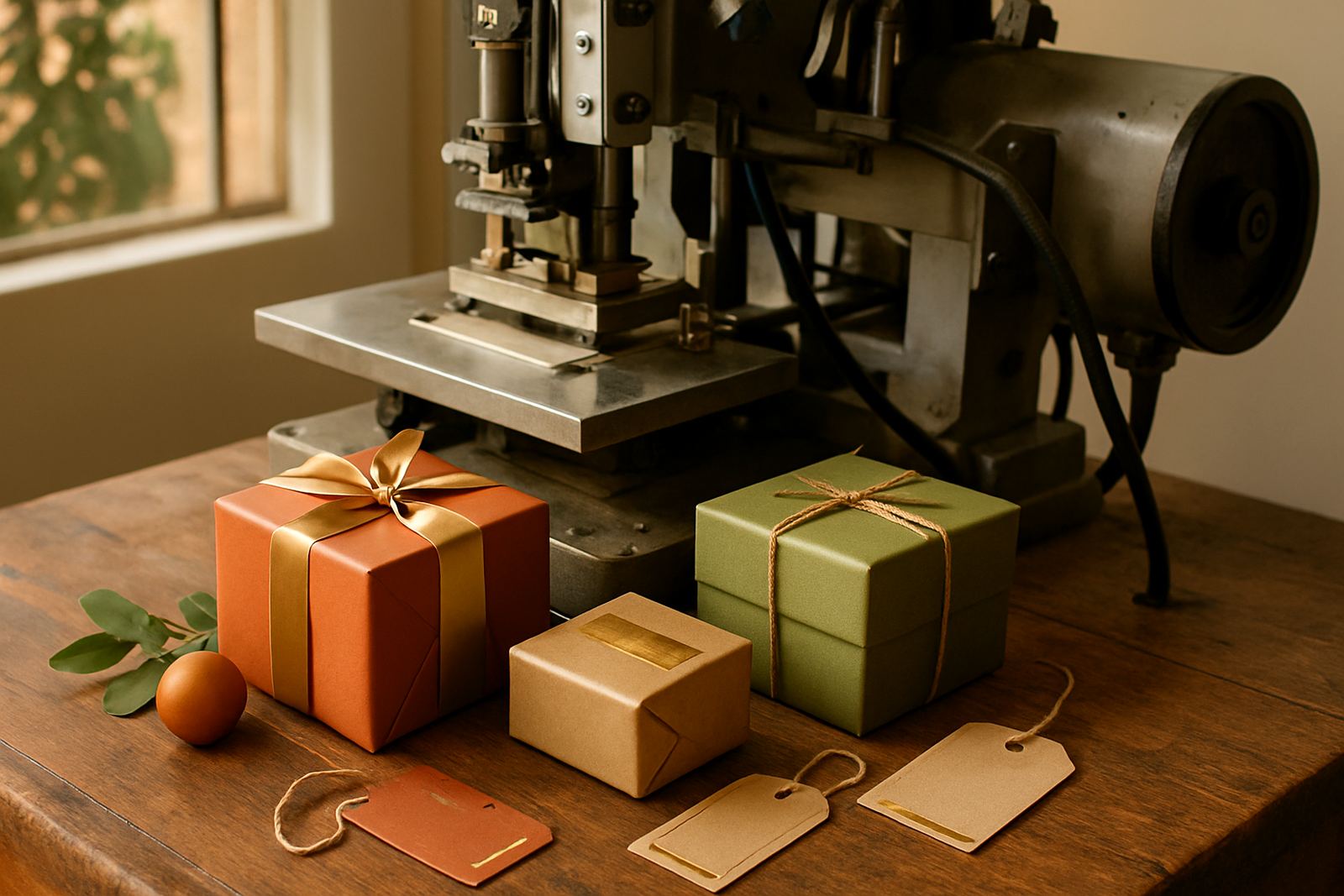
Metallic foil suits jobs where the finish must catch the eye. It is common on wedding stationery, perfume cartons, presentation folders and premium rigid boxes. If the customer wants a high-value feel without adding embossing, metallic foil can carry the job well by itself. On darker substrates it usually stands out more, while on pale stock it gives a cleaner, brighter contrast.
There are a few practical points to watch. Metallic foil often needs careful die mounting and proper heater calibration, because too much heat can soften detail and too little can leave patchy transfer. In humid areas near the coast, foils and board can behave differently from a dry inland site, so storage matters as much as the press settings. Keep rolls in a dry room and let stock acclimatise before running it, otherwise you may see edge lift or uneven adhesion.
- Best for shiny, premium finishes
- Useful on cartons, invitations and labels
- Needs accurate heat and pressure setup
- Works best when the stock is clean and dry
Where pigment foil solves the design problem
Pigment foil is the better option when shine would distract from the brand message. It is often used for strong logos, warning text, simple blocks and packaging that needs a clean colour match without a metallic effect. It is also helpful where the designer wants the foil to look more printed than reflective.
For smaller South African businesses, pigment foil can be a smart way to make short runs look neat without chasing a luxury shine. A craft bakery in Randburg, for example, may want matte black foil on white sleeve packaging because it reads clearly under shop lights and photographs well for online orders. That same job in metallic foil could look too flashy for the brand. Pigment foil also works well on certain coated boards where a shiny finish would show fingerprints or glare.
Keep in mind that pigment foil still needs proper pressure setup. If the die is not level or the press bed is out, solid areas may show gaps at the corners. It is not a soft option, it just gives a different visual result.
- Best for flat colour with no shine
- Good for text, logos and warning marks
- Useful when glare must be avoided
- Can suit food packaging and retail sleeves
Matching foil to board, ink and production volume
The foil type should match the whole production line, not just the artwork. Board thickness, coating, printed inks and run length all affect the result. A thick carton with a rough surface may need a different foil than a smooth card insert. If the job includes heavy ink coverage, the press may need a slightly different temperature window to get reliable transfer.
For short runs, the cost difference between foil types may be less important than setup time and consistency. For longer runs, foil waste and stoppages can become expensive quickly. That is why production optimisation matters. A stable press with correct heater calibration and a well mounted die gives better repeatability, which helps whether you are using metallic or pigment foil. It also matters when power supply is affected by load shedding, because restarting mid-run can change results if the press has not come back to temperature properly.
As a rule, ask three questions before choosing the foil: what should the customer notice first, how much handling will the package get, and how many units must pass through the press in one shift. Those answers usually point to the right finish.
Common mistakes that waste foil and time
The biggest mistake is choosing a foil for the look you want, then trying to force it to work on the wrong stock. A very glossy metallic foil on a rough uncoated surface can break up. A pigment foil on a job that needs sparkle may look dull and underpowered. Another common issue is poor die mounting, which leaves the image slightly off or causes weak edges on fine text.
Too much pressure can be just as damaging as too little. It may flatten detail, create halo marks or wear the die faster than expected. Too little pressure can leave pinholes and incomplete transfer. If the job keeps changing from one press to another, the team should record the correct settings for each substrate so they can repeat the run without starting from zero every time.
- Do not mix up visual effect with press suitability
- Check substrate texture before choosing the foil
- Record heat, pressure and dwell time settings
- Inspect small text and fine rules before full production
How FoilPress supports practical foil decisions
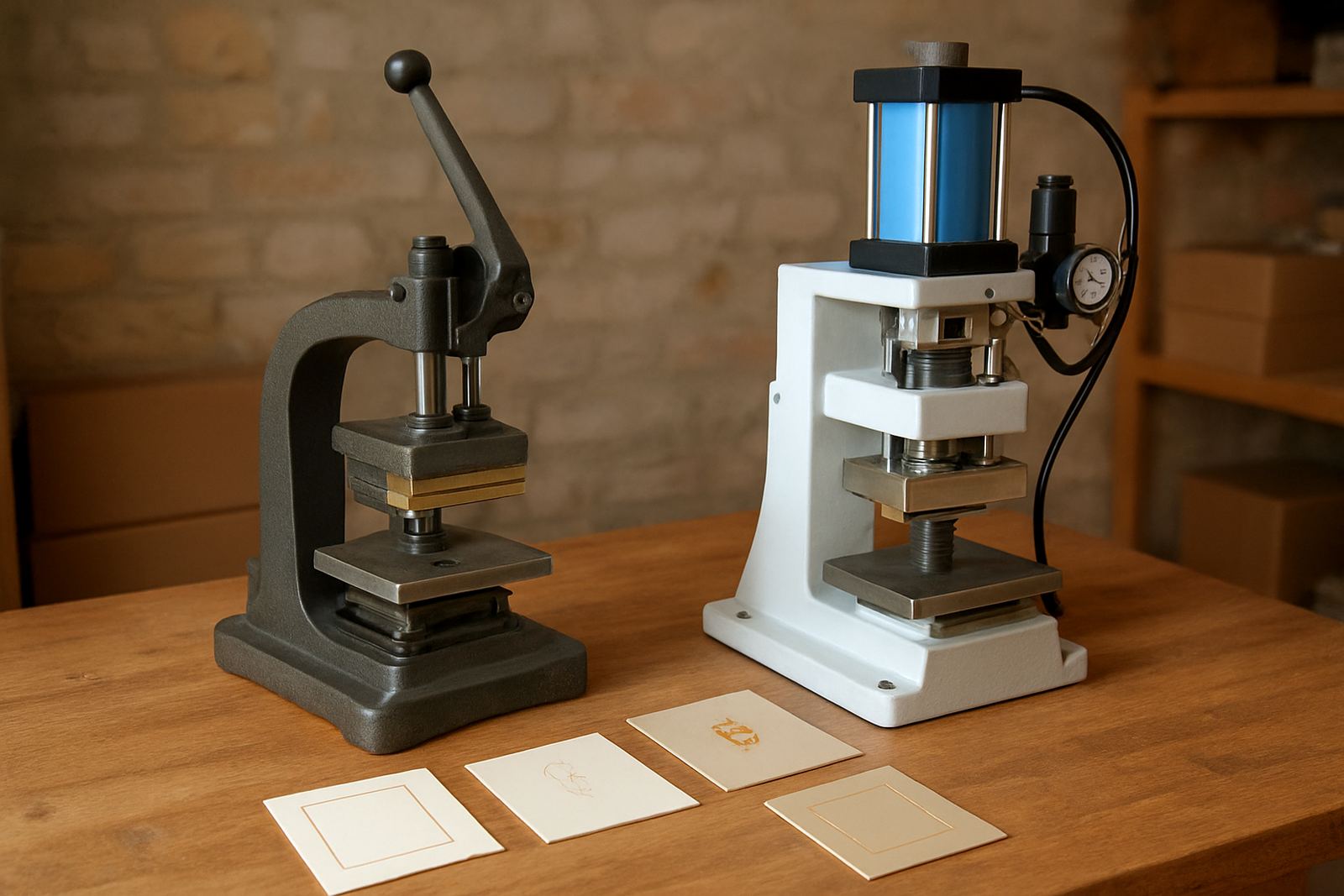
Foil choice becomes easier when the machine, tooling and operator all work together. FoilPress supports card and packaging businesses from Industria West across Johannesburg, Roodepoort, Randburg, Midrand, Sandton and Germiston, with presses and foils supplied nationwide. The team assists with press installation, operator training, preventive servicing, breakdown repairs, heater calibration, pressure setup, die mounting, foil matching, spares supply and production optimisation.
That hands-on support matters when a job must be turned around for a client in a hurry. If a packaging customer in City West needs a strong metallic finish for a product launch, or a print house wants matte pigment foil for a clean branded sleeve, the right setup saves time and keeps the result consistent. Sibusiso Mthembu and the team understand that a foil press is only useful when it gives repeatable work, not just a good first sample.
For many shops, the best way forward is to test both foil types on the final substrate before committing to a full run. That one step often settles the debate quickly.