What registration really means in foil work
Registration is the alignment between the foil image, the die, and the printed or cut area on the substrate. When it is right, the foil lands cleanly on names, borders, fine lines and brand marks without creeping over an edge or missing a key detail. In simple terms, you want every impression to hit the same place, every time.
That matters in South African production because many jobs change hands between design, printing, die making and finishing. A carton may be printed in one part of Johannesburg, foiled in Industria West and then delivered to a converter in Germiston or Randburg. If the setup is even slightly off, the issue shows up across the whole run, not just on one sample.
- Logo outlines stay crisp instead of looking fuzzy or doubled
- Fine text remains readable on cards, sleeves and labels
- Repeat patterns line up across panels and folds
- Less waste is sent back to trimming or rework
Why small errors become costly fast
On a foil job, a tiny shift can create a big problem. A 0.5 mm movement might not sound serious, but on a business card edge or a narrow carton flap it can push the foil out of the print area. On packaging, that can mean a batch that no longer meets the customer spec and has to be sorted, reprinted or scrapped.
Registration trouble also slows the line down. Operators start making constant micro adjustments, the press runs more slowly and the first good sheets arrive later than planned. That adds labour time, heater time and pressure on delivery dates. In busy periods, especially around month-end or before seasonal promotions, those delays hurt more than the foil cost itself.
- Extra set-up time before the first acceptable sheet
- More spoilage during make-ready and mid-run checks
- Higher risk of complaints from printers, packers and brand owners
- Less confidence when repeating the same job later
The workshop factors that decide alignment
Good registration starts with a press that is set up properly and kept in steady working order. Heater calibration, pressure setup, die mounting and foil matching all affect where the image lands. If the platen is uneven, the temperature drifts or the die is not seated squarely, the foil will not behave predictably.
Dust, worn guides and loose fittings also play a part. In places like Roodepoort or Midrand, where workshops can run long shifts and handle mixed production, the machine gets opened and reset often. That means small faults build up quickly if servicing is skipped. A press can still run, but it will not hold the same level of repeatability and that shows in the finish.
- Check die position before every production run
- Confirm temperature across the working area, not just at one point
- Inspect guides, clamps and mounting surfaces for play
- Match foil grade to the substrate and the job speed
How operators keep tight registration through a run
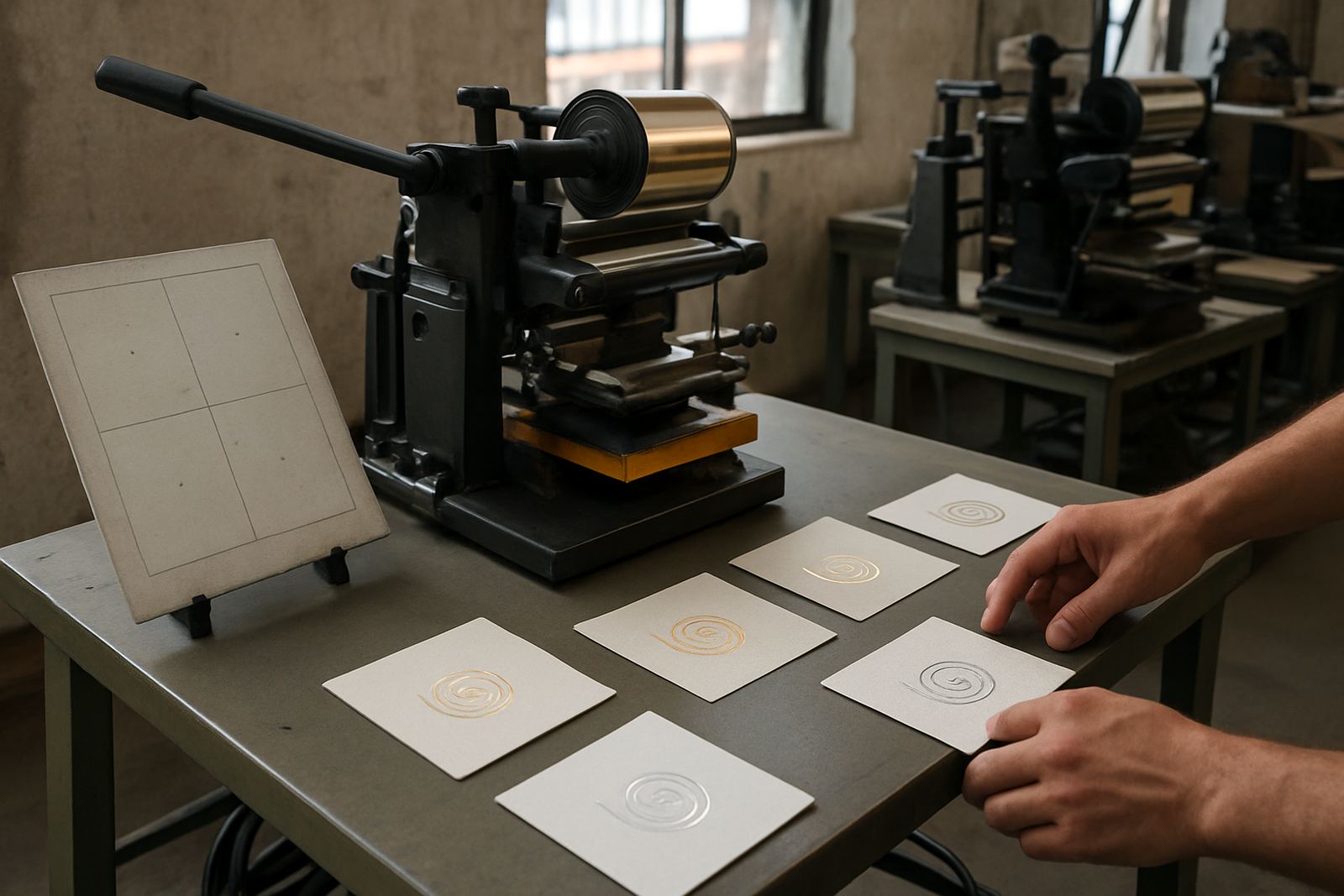
The best results come from a consistent routine. Operators should confirm the make-ready, test a small number of sheets or pieces, then compare the foil against the printed marks and trim lines. Once the job is approved, the same settings must be protected through the run. If the operator keeps chasing each sheet separately, the line slows and the final stack becomes uneven.
Training matters here. A good operator knows when to adjust pressure, when to stop and inspect the die, and when a fault points to the press rather than the material. That judgement saves time and avoids unnecessary damage to paperboard, laminated sheets and coated packaging. It also helps during load-shedding, when a restart can shift heat and pressure settings if the machine is not brought back carefully.
- Use a sample sheet or first-off piece as the control point
- Keep notes on pressure, heat and dwell time for repeat jobs
- Recheck registration after stoppages, power cuts or material changes
- Separate operator error from mechanical drift before changing the full setup
A Johannesburg example from packaging production
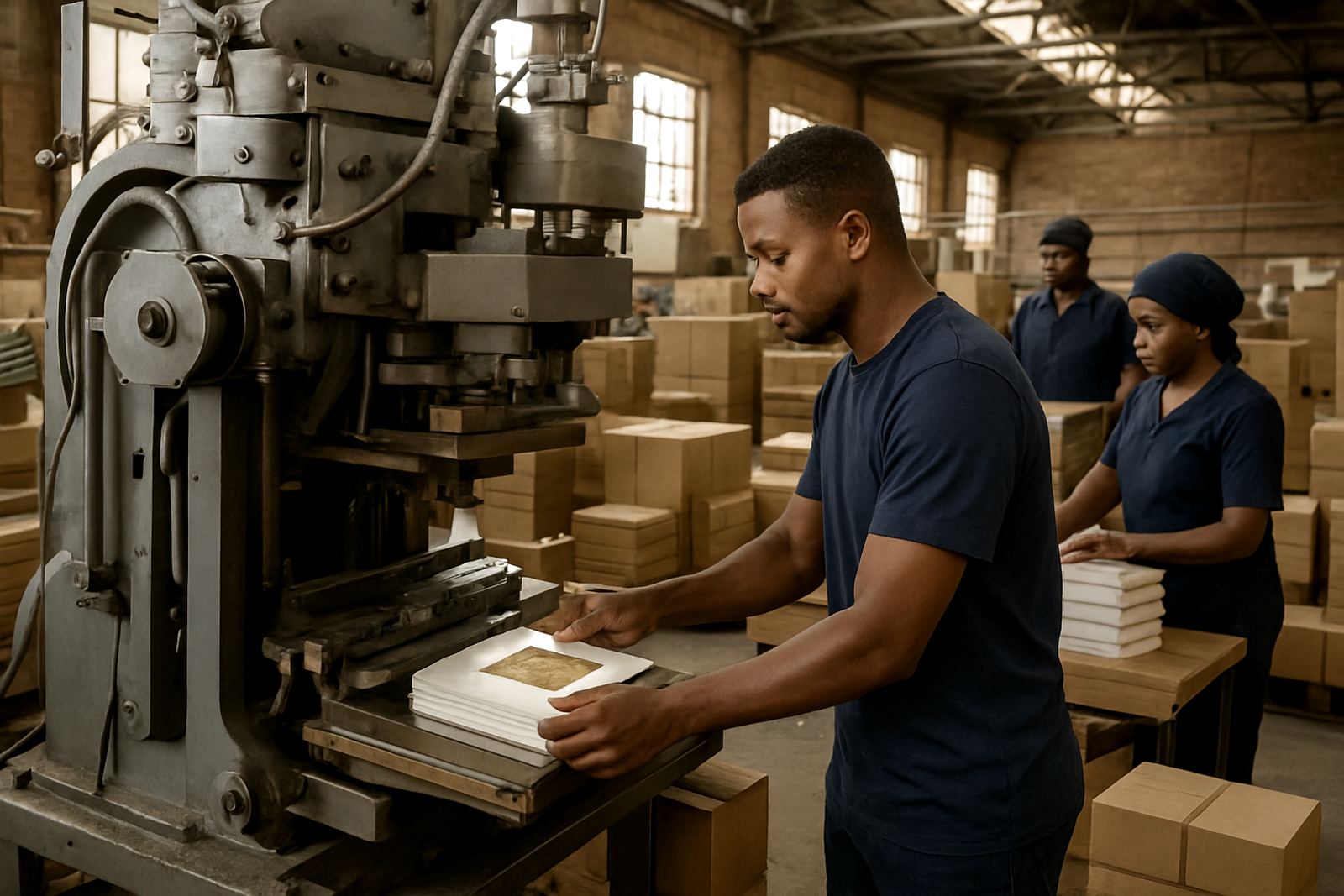
A packaging converter in City West may be running a short carton order with foil on the front panel and a narrow border across the lid. The printed sheet looks fine, but once the foil press starts, the border begins to drift after a few hundred impressions. The cause may be a loose die mount, a heater band that is not holding temperature or a pressure setting that changes as the press warms up.
In that sort of job, the fix is not to keep running and hope for the best. The operator should stop, inspect the alignment marks and check whether the foil feed, heater and pressure are still working together. For many smaller businesses in Johannesburg, that one correction can save a full carton lot and keep delivery on track for a client in Sandton or Germiston.
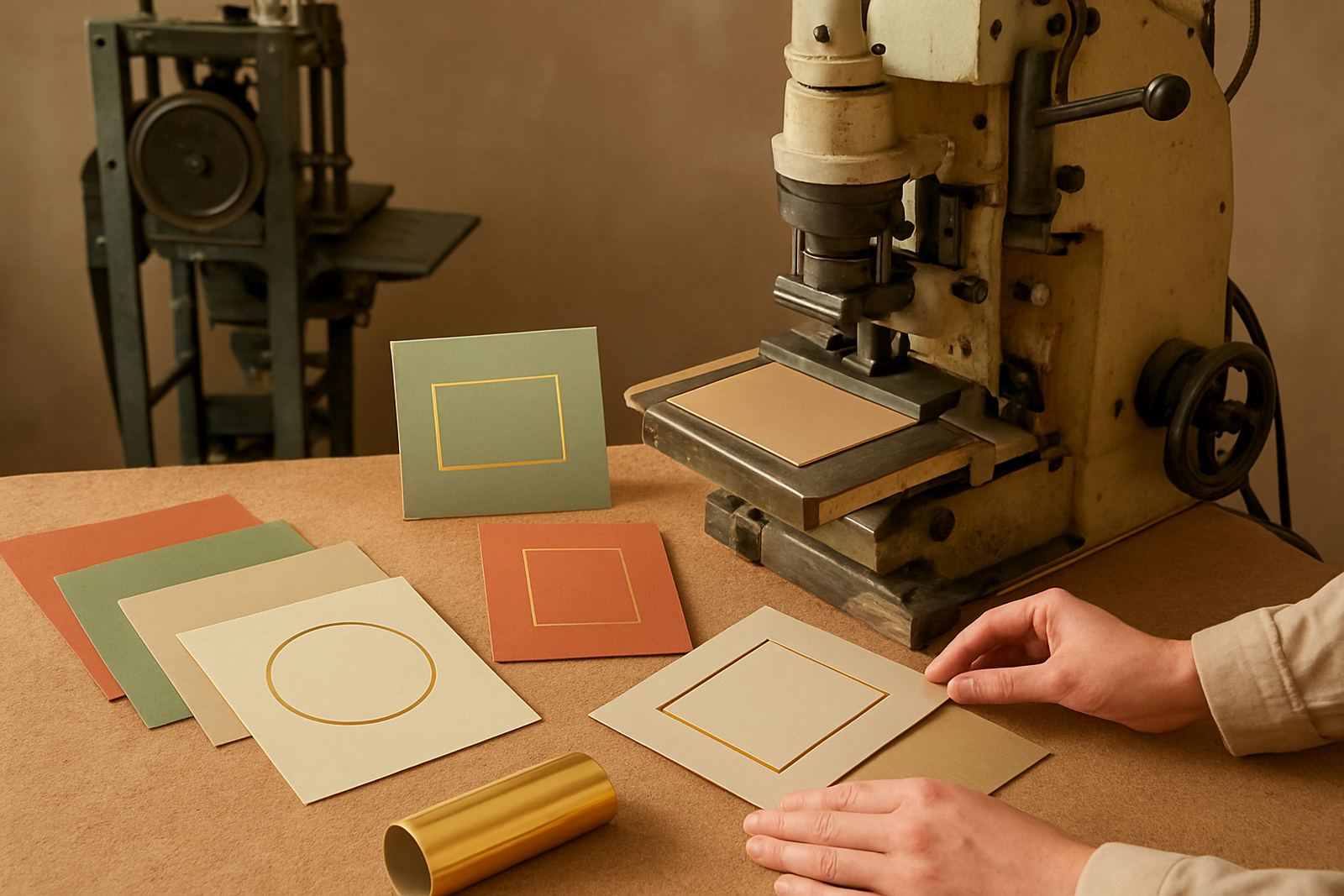
When the process is controlled properly, even simple items like swing tags, folded boxes and presentation cards can carry fine foil details with clean repeatability. That is what buyers notice first, because the finish looks intentional rather than rushed.
Practical habits that protect registration over time
Registration does not stay accurate by chance. It improves when the press, the operator and the maintenance schedule all support the same result. Businesses that run foil work every week should keep a log of jobs, note which dies behave well and record any recurring setup issues. That makes the next run faster and easier to repeat.
Preventive servicing is just as important as daily care. Worn heaters, tired motion parts and small electrical faults can all show up as alignment problems before they become full breakdowns. In humid areas, and even in winter when workshops cool down overnight, machines can shift slightly as materials and components expand or contract. Keeping the press properly adjusted helps reduce that movement.
- Schedule regular checks instead of waiting for visible defects
- Keep spare consumables and critical parts on hand
- Store foil correctly to avoid curl, contamination and feed trouble
- Review repeat jobs so the good setting is captured for next time
Why FoilPress treats registration as a production issue
Tight registration is not only about looks, it is about throughput, waste control and dependable delivery. That is why press installation, operator training, preventive servicing and breakdown repairs all sit together. If the machine is set up properly and the team knows what to look for, the foiled result stays cleaner and the business spends less time correcting avoidable faults.
For card and packaging producers across Johannesburg, Roodepoort, Randburg, Midrand, Sandton and Germiston, the aim is simple: keep the foil where it belongs and keep the run moving. With the right setup and support, fine details stay sharp, batches stay consistent and customers get work that looks finished properly, not patched at the last minute.