Start with the numbers that actually limit output
Before adding shifts or extra presses, map what slows the line down today. In foil work, the bottleneck is often not the pressing itself but the setup before each run, the hand matching of material, or waiting on operators to clear the previous job. If you do not measure those pauses, you can spend money on equipment and still miss your monthly target.
A practical review should cover pieces per hour, average run length, the time lost between jobs, and how often the same size or format comes back. A carton plant in Industria West may only need one new press if its repeat folders are steady, while a craft packaging shop in Randburg might need better scheduling first because every order is a different size and finish. Growth planning works best when it starts with real job data, not guesswork.
- Count finished pieces per hour on your main products.
- Record setup time for each recurring size.
- Separate machine time from handling time.
- Note where jobs wait for labour or materials.
Look hard at labour before you add machinery
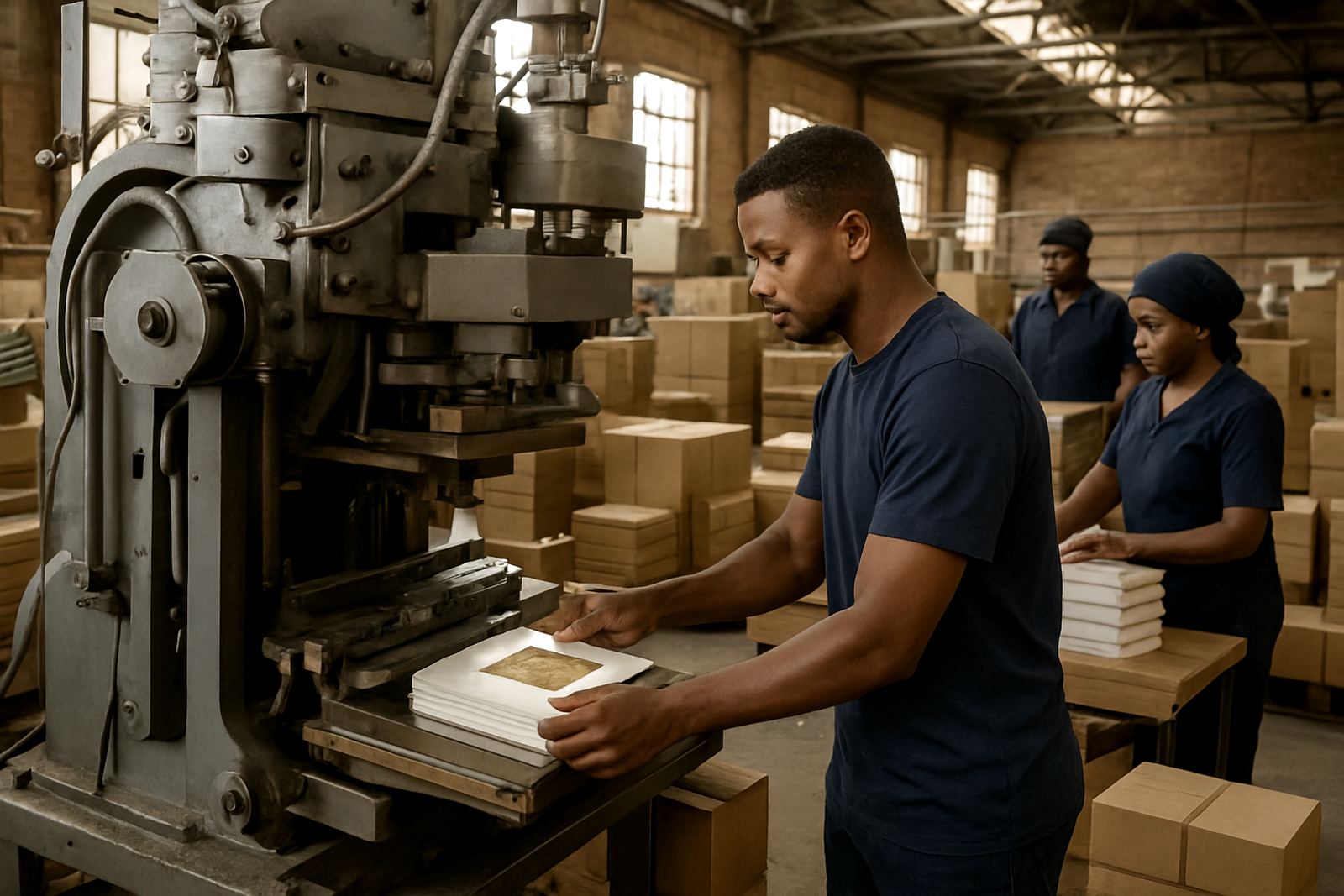
Extra presses do not help if one trained operator is already stretched across feeding, alignment, inspection and packing. On a busy day, that is where quality slips in. A second machine can even slow things down if the team has not been trained to move work between stations cleanly.
For businesses in Johannesburg, Roodepoort, Sandton or Germiston, labour planning should include who can run which press, who handles die mounting, and who checks foil match before the order goes live. It also helps to keep a backup person who can step in during leave, sick days or power interruptions. Load-shedding still affects many production schedules, so a team that can reset quickly after a stop saves a lot of wasted material.
- Cross-train at least two people on each critical machine.
- Assign setup, running and checking roles clearly.
- Keep a shift handover sheet for unfinished orders.
- Build time for power cuts and restart checks into the day.
Cut changeover time before chasing bigger orders
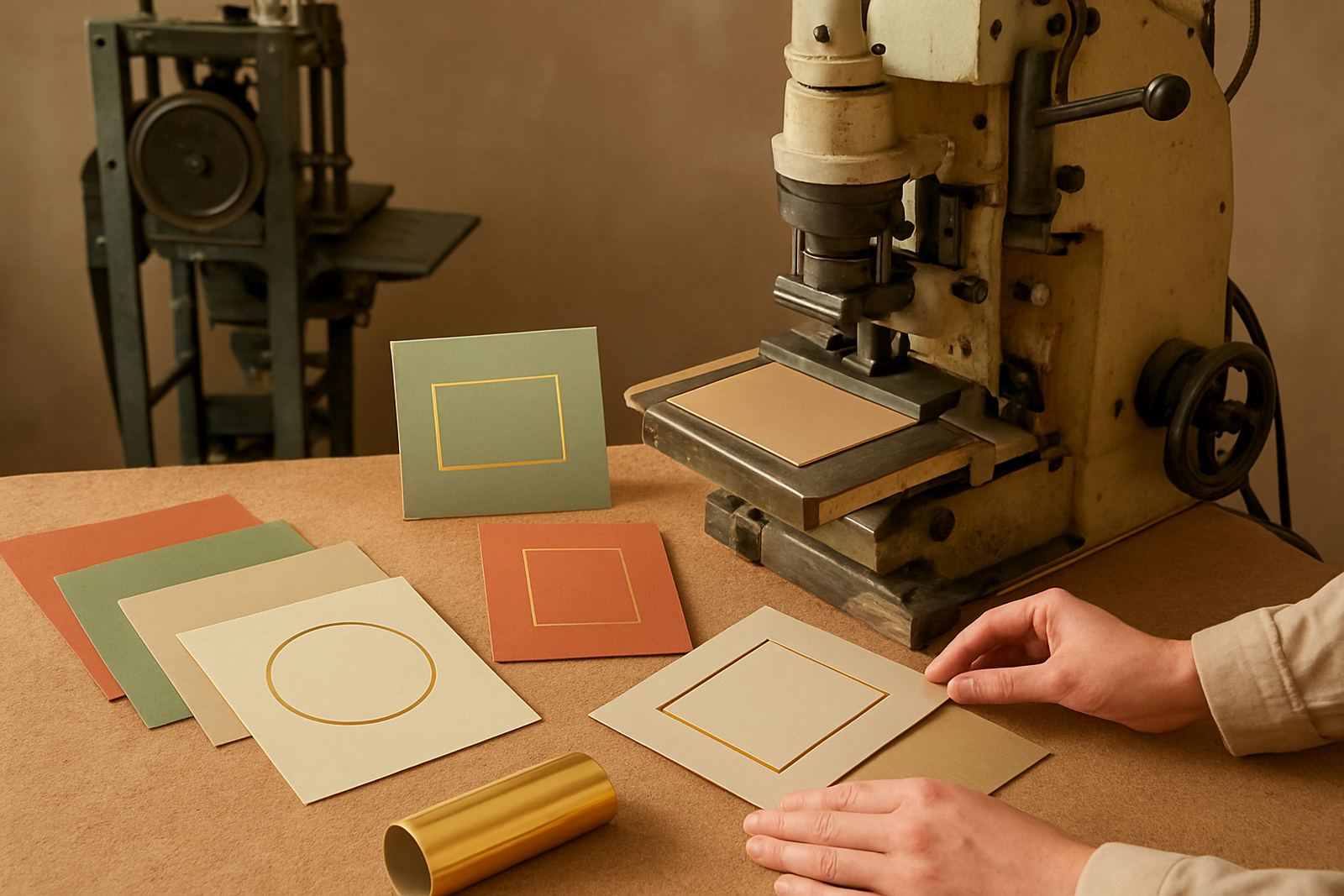
Many businesses think scaling up means longer runs only. In practice, it often means fewer changeovers and a tighter product range. If your press spends too much time switching between foil colours, die sizes or heat settings, capacity disappears fast. That is especially true when you handle mixed packaging orders for different clients in the same week.
Good changeover control starts with standard settings for the most common products. Keep notes on pressure, temperature, dwell time and mounting position for recurring work. If a product comes back every month, it should not feel like a fresh experiment each time. This is where a technical team can make a real difference by setting repeatable parameters and checking the first off samples before full production starts.
- Group jobs by foil colour, material thickness and size.
- Store approved settings for repeat work.
- Prepare dies and foils before the press is free.
- Inspect the first pieces before the full run starts.
Recurring product sizes are the easiest way to scale
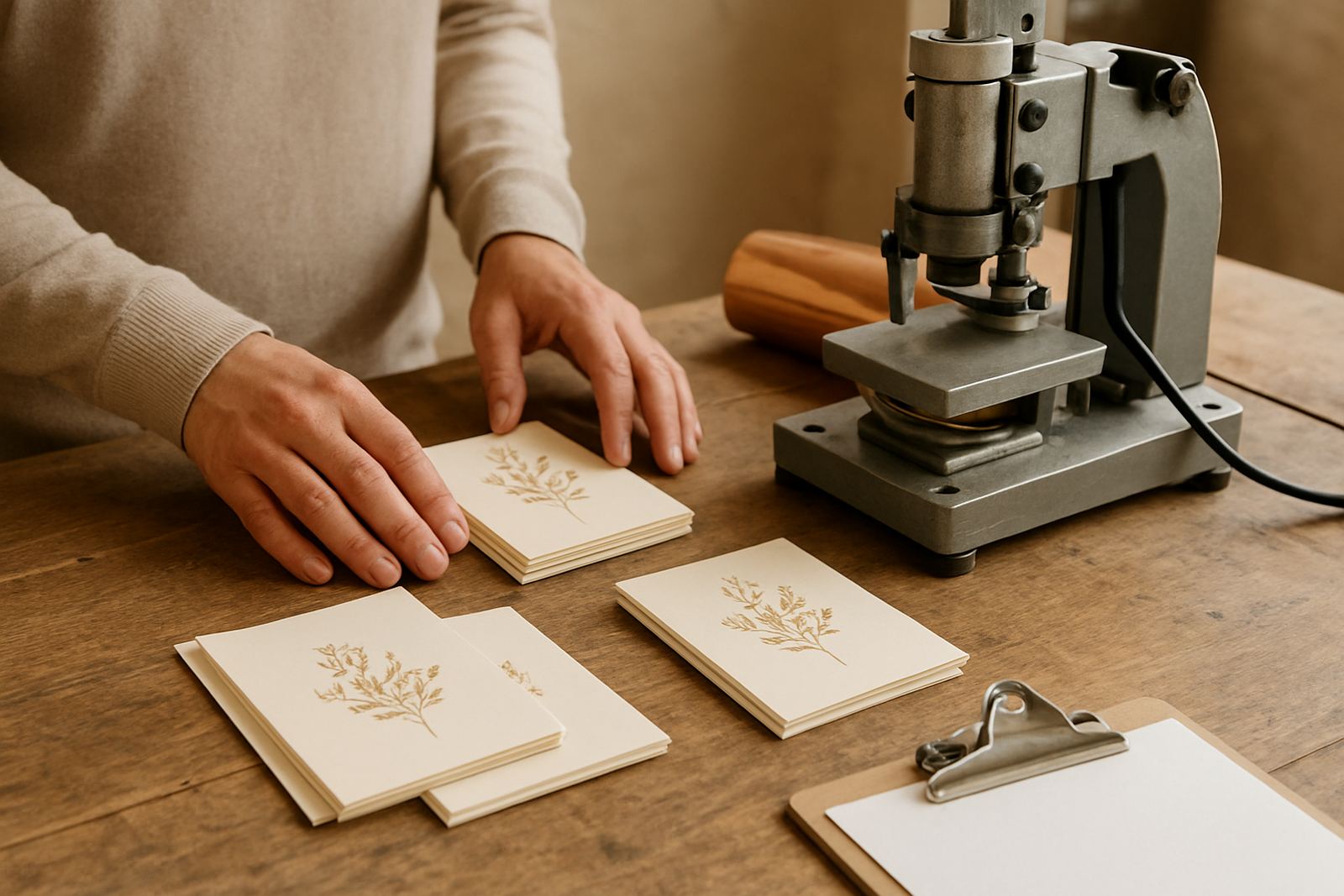
One of the simplest ways to grow is to focus on the sizes that come back again and again. If a customer orders the same folder, sleeve, label or carton format every month, that job is easier to price, plan and produce. It also makes foil matching, die mounting and operator training far more efficient.
This matters for South African businesses because local buyers often want short lead times and consistent finish quality. A packaging converter in Midrand supplying retail promotions cannot afford to rework every repeat batch. If the job specs are locked down properly, the press crew can move faster without sacrificing finish. That gives you more room to take on new work without overloading the floor.
Keep a product register with the following details:
- Finished size in millimetres.
- Substrate type and thickness.
- Foil colour and finish.
- Standard temperature and pressure settings.
- Average run quantity and repeat frequency.
Maintenance planning protects growth more than emergency repairs do
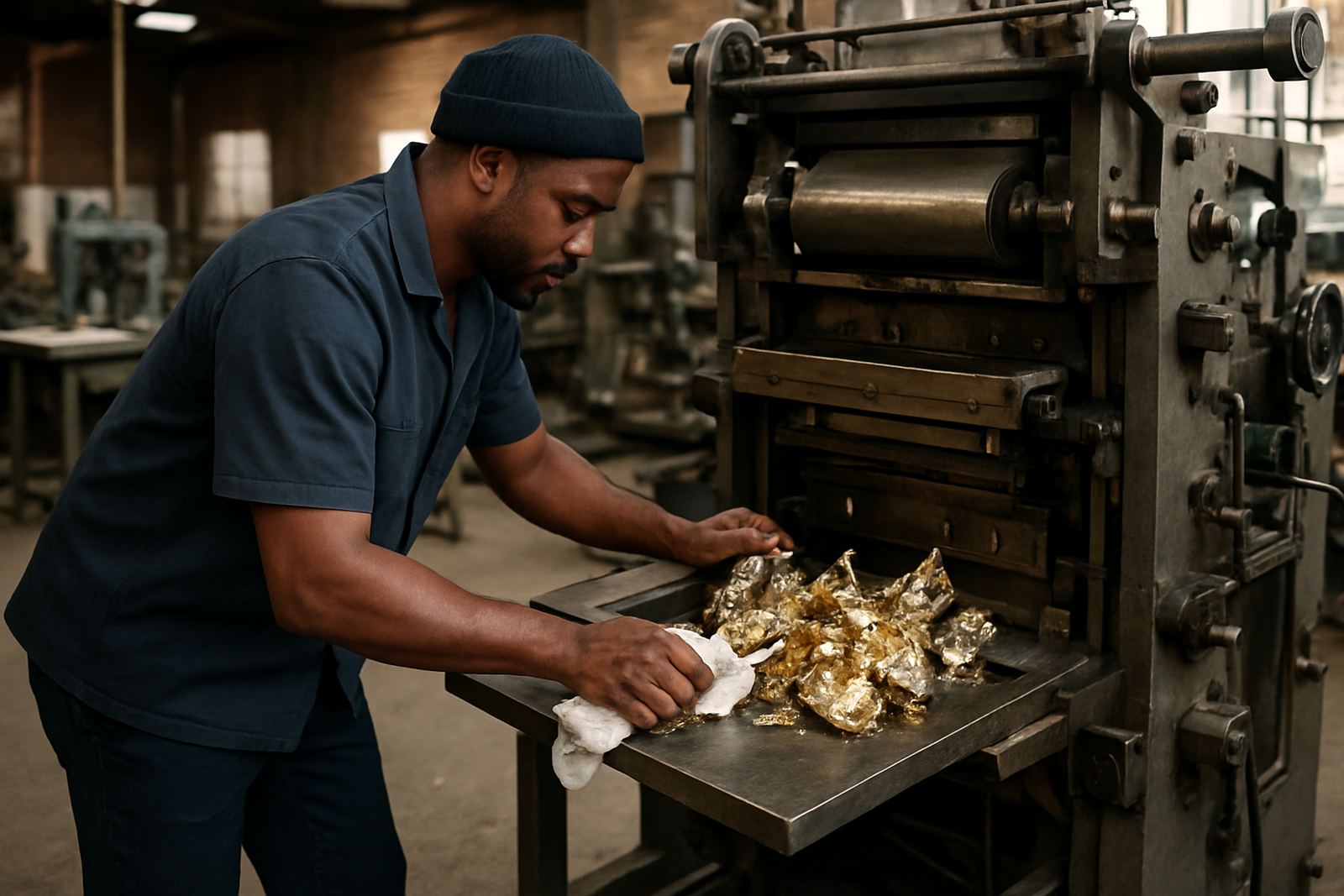
When production is busy, servicing is often the first thing pushed aside. That usually costs more later. Heat inconsistency, worn guides, pressure drift and misalignment all reduce output before the machine fully fails. By the time staff are calling for breakdown repairs, the damage is already on the schedule and the order book.
A proper preventive servicing plan keeps the press in steady condition, especially in coastal humidity where stored consumables can be affected and in industrial areas where dust and heat build up quickly. For businesses around Industria West, Sandton and Germiston, a monthly check on heaters, pressure setup, die mounting surfaces and moving parts can save a lot of stoppages. It also helps to keep spares on hand for the items that are most likely to wear during normal use.
- Schedule heater calibration and pressure checks.
- Inspect moving parts before peak season.
- Keep a spare parts list for common wear items.
- Log every stop, fault and corrective action.
A Johannesburg example of scaling the sensible way
Take a packaging operation in City West supplying small runs to craft brands and larger batches to commercial clients. At first, the team may be tempted to buy a bigger press because orders are piling up. But after checking the workflow, they may find the real issue is that every job is being set up from scratch, the same foil colours are being reordered one at a time, and operators are losing half an hour between batches.
In that case, the better answer is a mix of operator training, standard settings for repeat products, and a servicing schedule that keeps the machines accurate. Once those foundations are in place, throughput rises without adding the same level of labour cost. That is the difference between being busy and being ready for proper growth. It also makes planning for new clients in Roodepoort or Randburg much easier because the team knows what the line can really handle.
Scaling up production should always be practical. If the workflow is organised, the equipment is calibrated, and the most common sizes are treated as standard work, the business can take on more volume with less waste and fewer surprises.