Why a sample run saves money before the first full sheet
Foil jobs look simple when you see the finished card or carton, but the result depends on more than the artwork. Pressure, heat, dwell time, foil type, substrate finish and even the room conditions can change the final effect. A sample run gives you proof of what the press will actually do on your material, not just what the file looks like on screen.
For South African businesses, that early check matters because material lead times, transport delays and power interruptions can already squeeze a schedule. If you approve the wrong finish after the full run is under way, the cost is not only the wasted foil and board. It is also the time lost while the job is stopped, reset and tested again. Sampling before production helps avoid that chain reaction.
It also gives the client a clear point of sign-off. Once the sample is approved, the job team can work from a physical reference instead of a general instruction like “make it a bit shinier”. That kind of clarity cuts arguments later and makes the production floor faster.
What should be checked in a pre-production foil sample
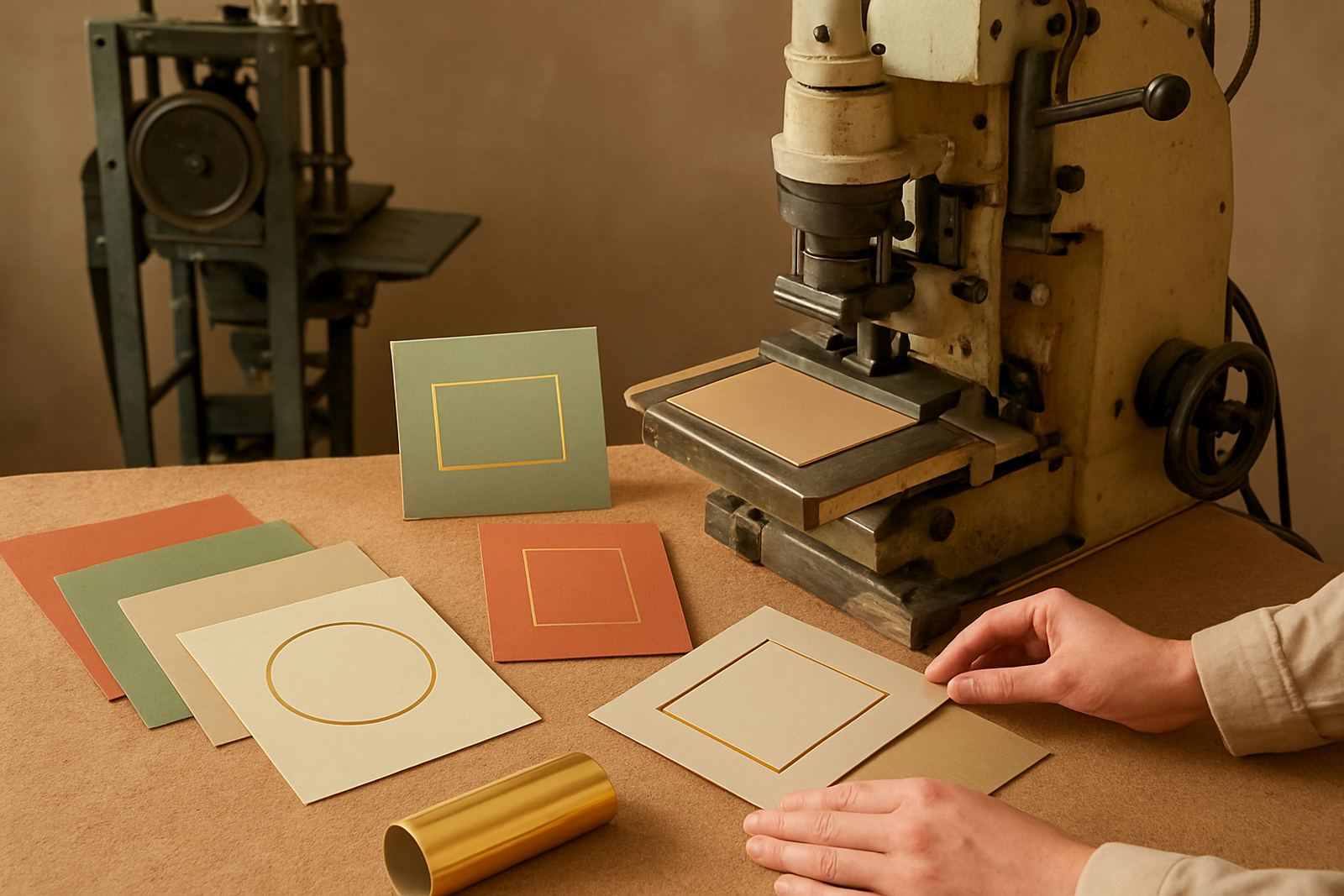
A good sample should answer practical questions, not just look attractive. The sample needs to show whether the foil transfers cleanly, whether fine type stays sharp, whether solid areas fill properly, and whether the finish suits the board or printed surface. If the piece includes creases, folds or edges, those areas must be checked too.
- Foil colour and reflectivity under indoor and daylight conditions
- Registration against printed artwork, logos and small text
- Coverage on coated, uncoated or textured stock
- Pressure marks, pinholes, blisters or ghosting
- Suitability for later varnish, lamination or die cutting
Some jobs also need a check on readability. Metallic foil can look excellent but still reduce contrast on small wording. That is why a sample is useful for pack labels, gift boxes, presentation folders and premium cards where the message must stay clear from arm’s length. A lovely finish that hides the information is not a good result.
How sampling helps with card and packaging work in Johannesburg
In Industria West and surrounding areas like Roodepoort, Randburg, Midrand, Sandton and Germiston, many print and packaging teams work on tight deadlines for corporate launches, retail packaging and seasonal promotions. A sample run is especially helpful when different people are involved in approval. The designer may want a strong mirror effect, while the packer needs the job to survive folding, gluing and transport.
Take a local example. A packaging converter in Johannesburg might be preparing 5,000 cartons for a cosmetics client. The artwork looks correct on the proof, but the first foil sample shows slight spread on a warm, coated board. With that information, the team can adjust heater settings, pressure and die alignment before the main run. That small correction protects the whole batch and avoids a disappointing finish on the shelf.
Sampling also helps when the final product will move through South African conditions. Coastal humidity can affect storage and board behaviour, while dry inland conditions may change static and transfer behaviour. A sample gives the press team a chance to set realistic conditions for the actual job rather than assuming every material behaves the same way.
Using a sample to set heat, pressure and foil choice correctly
Hot-foil work depends on fine control. If the heat is too low, the foil may not release properly. If the pressure is too high, the image can blur or leave marks. A sample lets the technical team balance those settings for the exact board, die and foil combination.
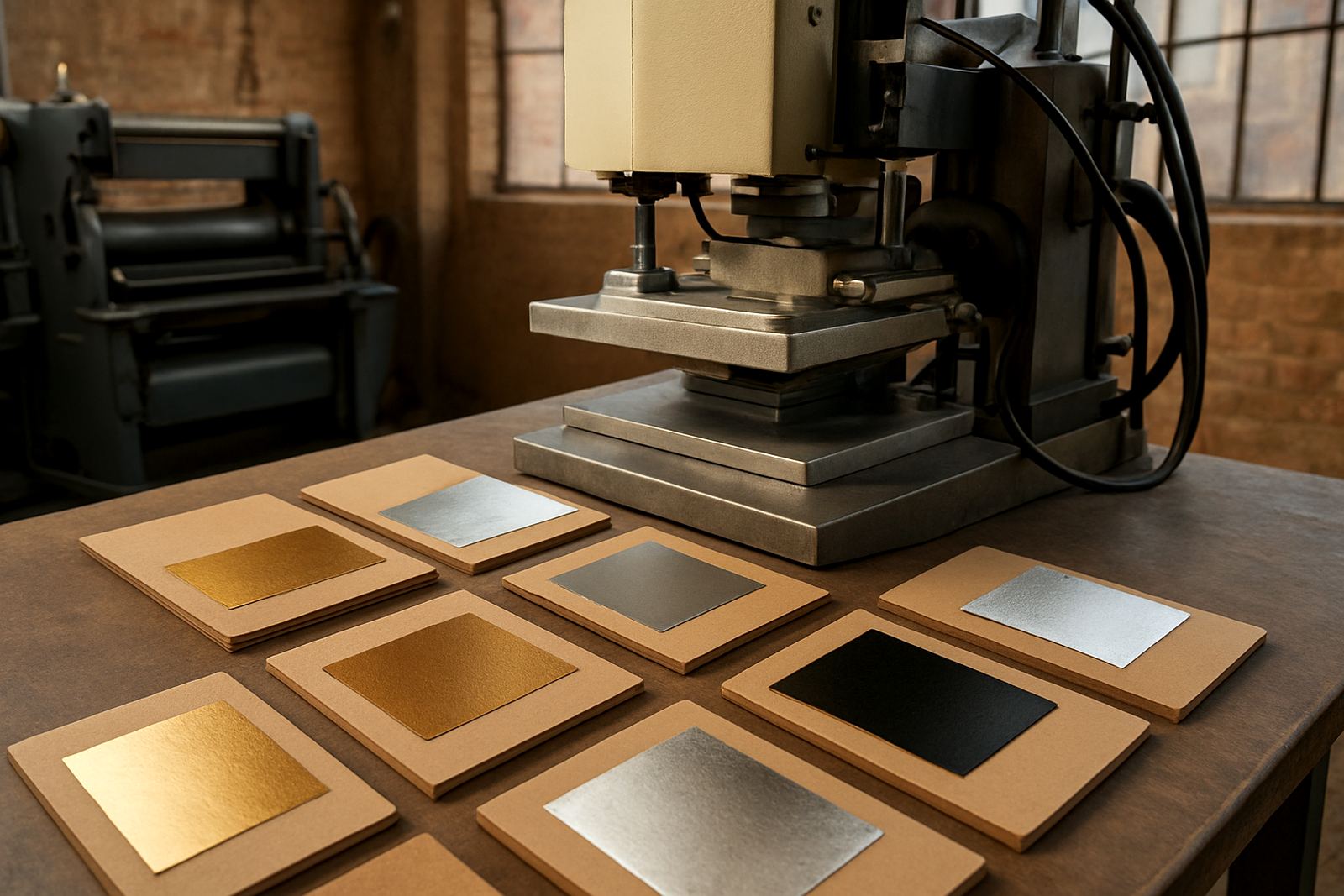
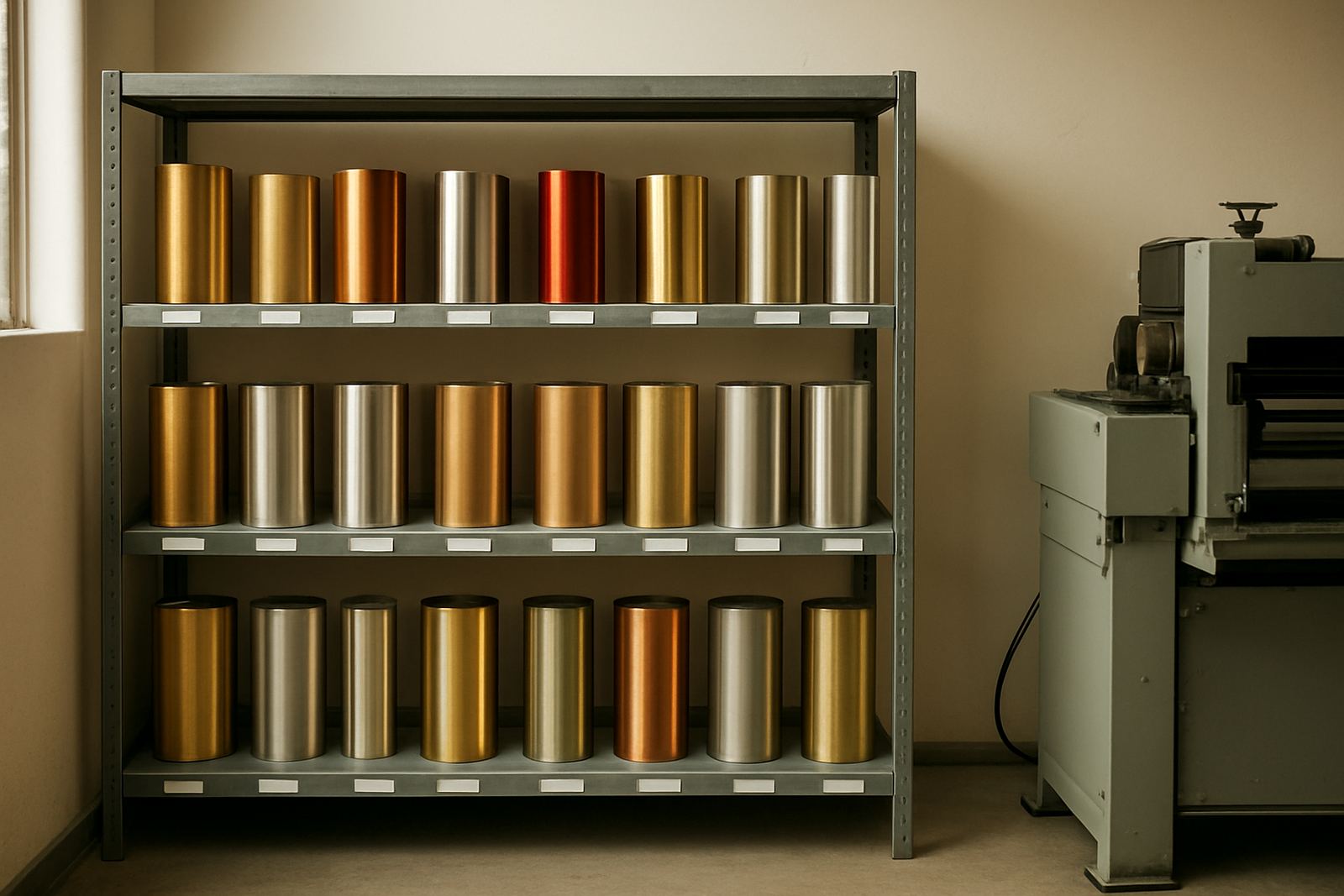
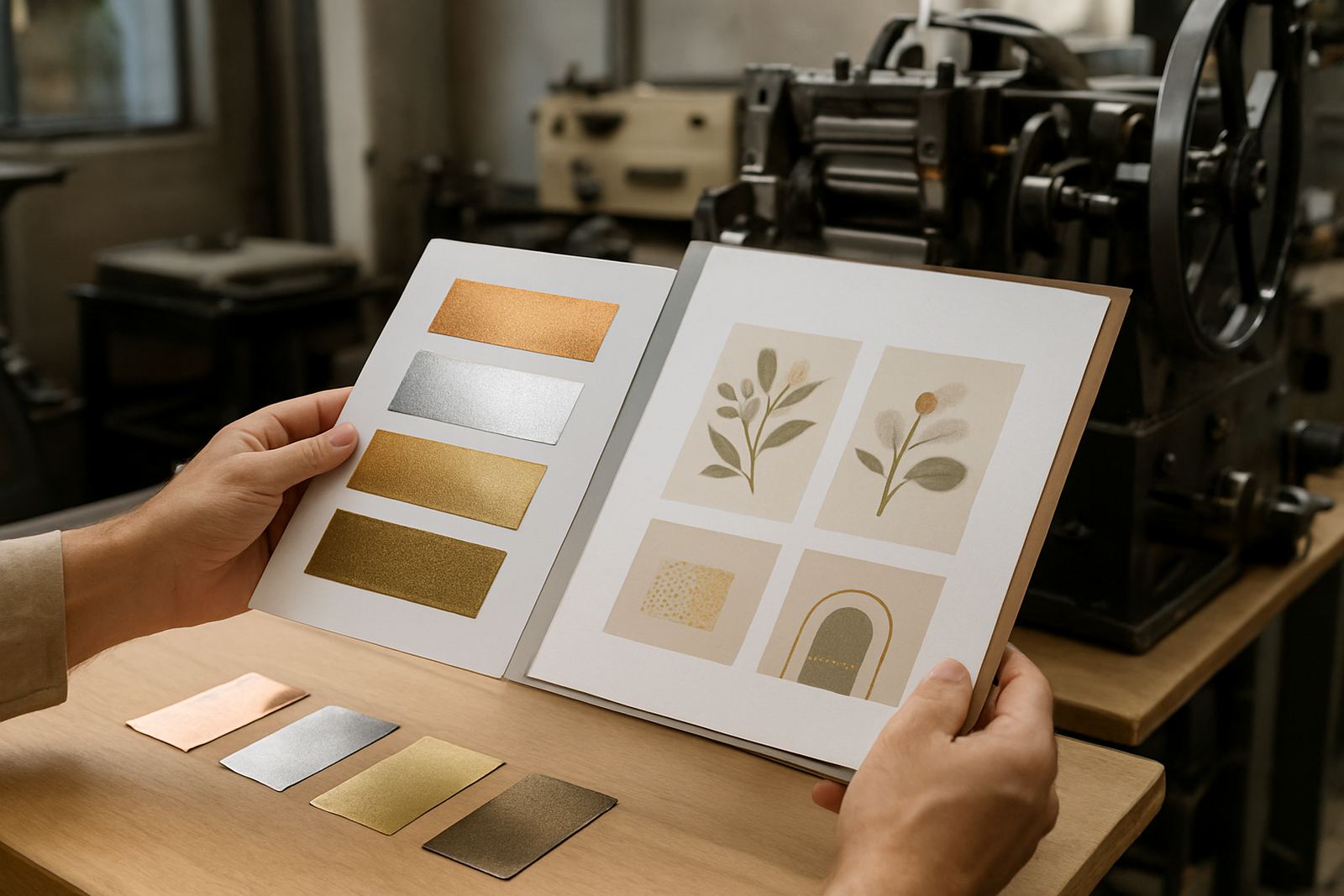
It also helps with foil matching. A gold finish, for example, can range from soft and warm to bright and sharp. Silver can read cool or almost chrome-like. Sampling allows the client to choose the right tone early instead of discovering too late that the finish is not the one they had in mind.
- Confirm heater calibration before the main run starts
- Check die mounting and image position on the sheet
- Test several foil shades on the same substrate
- Adjust pressure setup for fine detail or solid areas
- Record the approved setting for repeat jobs later
That record is valuable for reorders. When the next batch comes in, the team can return to the approved settings with less setup time and fewer test sheets. For busy production schedules, that is a real saving.
Why samples matter even more during load-shedding and stop-start production
Local production does not always run in one perfect stretch. Load-shedding, machine stoppages and short power dips can interrupt a shift and affect temperature recovery. After a restart, a press may need a few sheets to settle back into the right operating window. If a sample was not approved properly before production, it becomes much harder to know whether a problem is caused by the settings or the restart itself.
A pre-production sample gives the workshop a clean reference point. If the result changes later in the day, the team can compare it with the approved sample and identify whether the issue is foil tension, heater stability, material change or operator adjustment. That saves time and helps keep the batch consistent.
For businesses in Johannesburg and surrounding industrial areas, that consistency matters on every order, whether it is 200 high-end invitation cards or several thousand cartons. Sampling is not a luxury step. It is part of proper production planning.
A practical approval process for better results
The best sampling process is simple and disciplined. Start with the correct artwork file, the actual substrate and the intended finish. Produce a sample on the same type of press setup that will be used for the run, then review it under the lighting where the product will most likely be seen. Office lights, warehouse lights and retail lighting can show the foil differently.
Once the sample is approved, keep a physical reference and a written note of the settings. Include the foil type, substrate, heater range, pressure and any special handling notes. If the job must be repeated later, the team will have a clear starting point instead of guessing again. That is especially helpful for repeat packaging lines, seasonal card ranges and short promotional runs.
Sampling also supports better customer communication. When everyone sees the real result before production, decisions are quicker and mistakes are easier to prevent. It is a small step that protects the whole order.