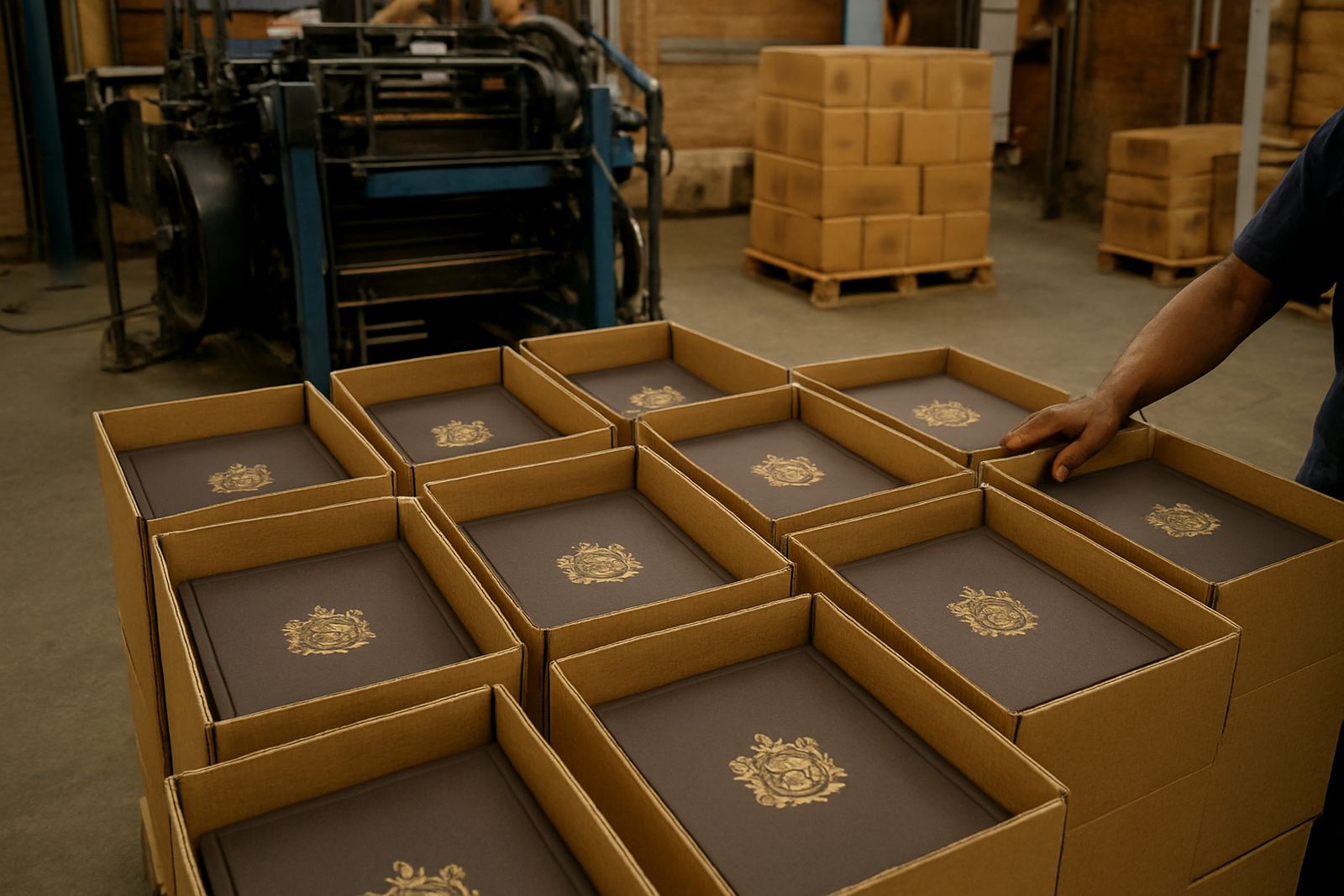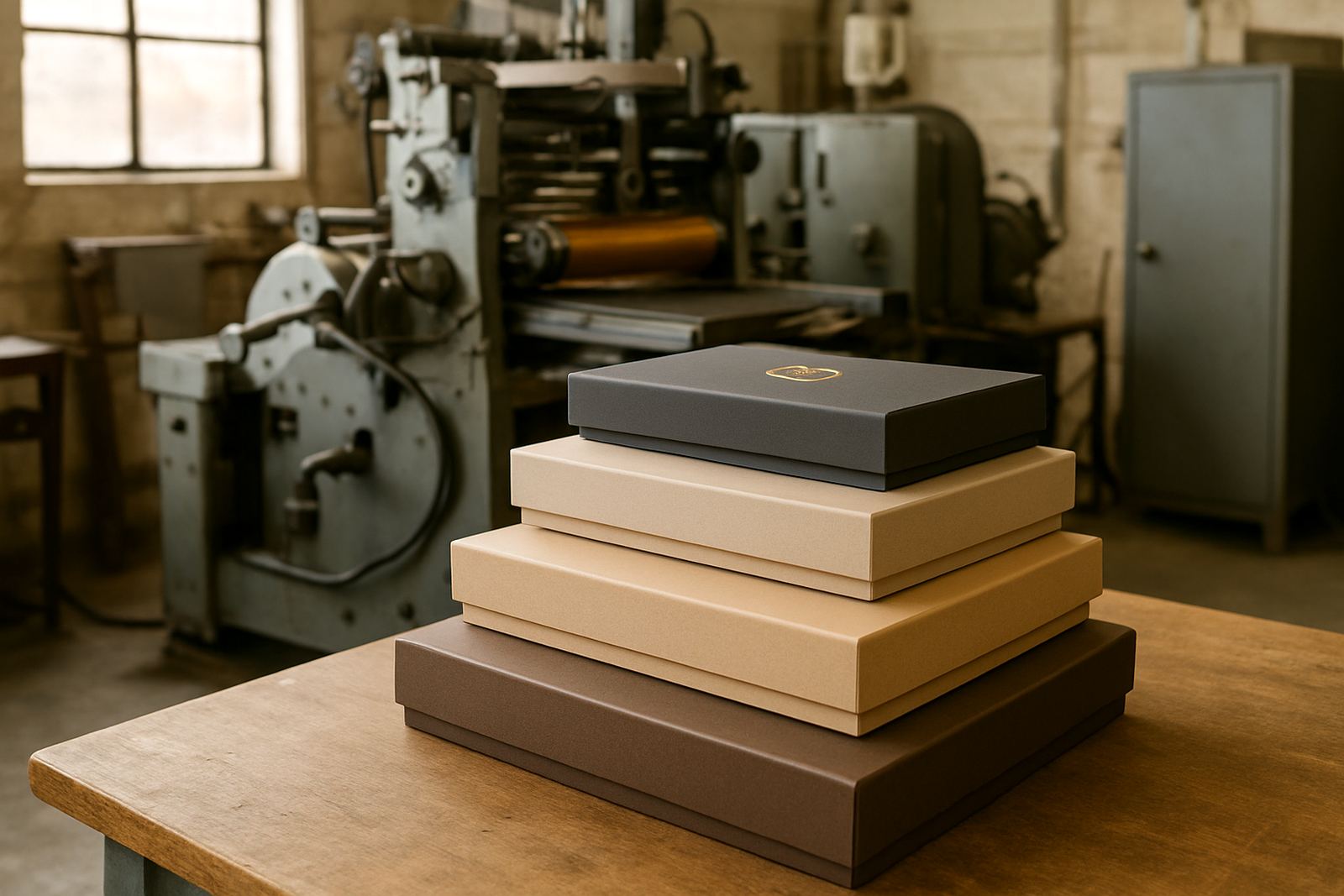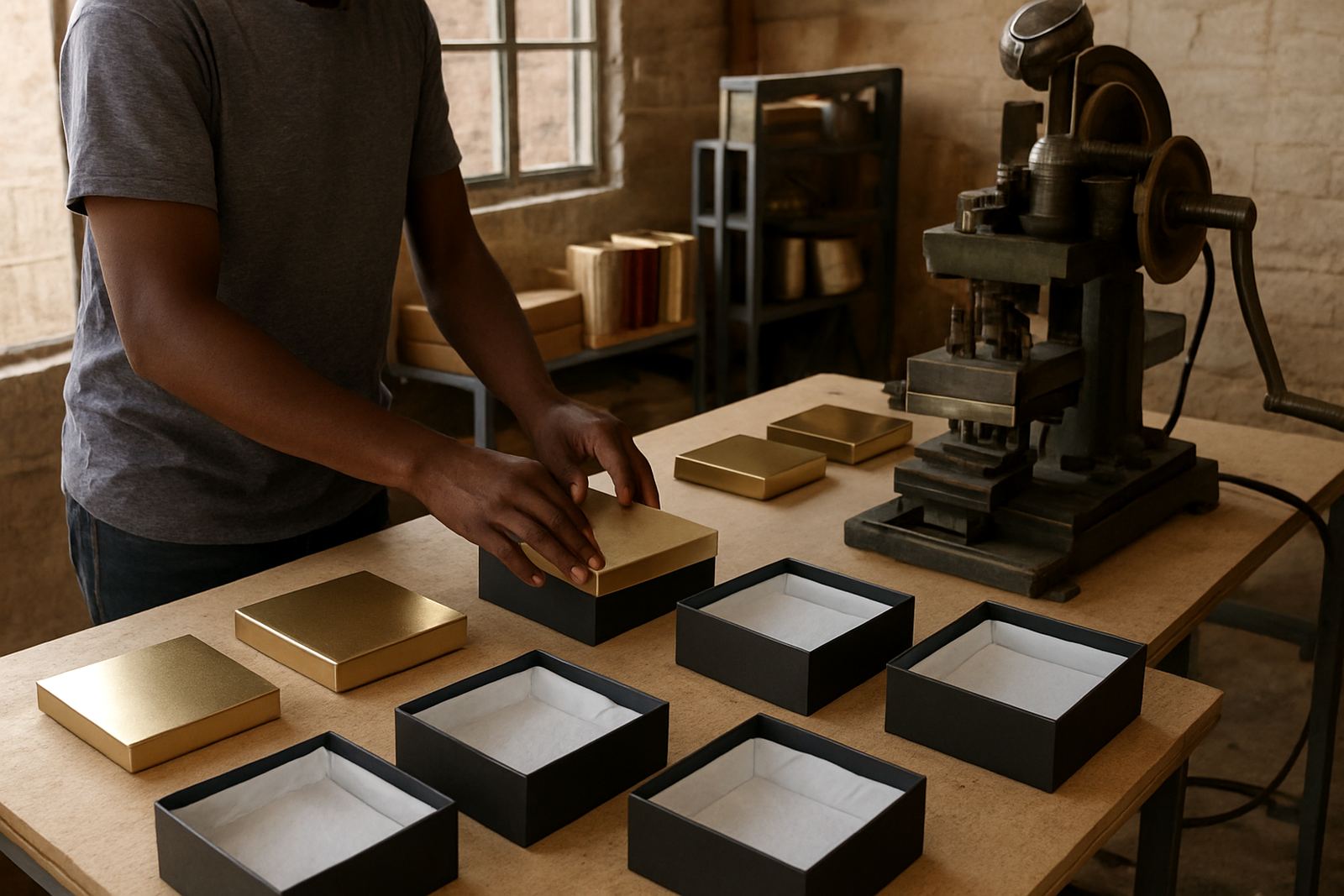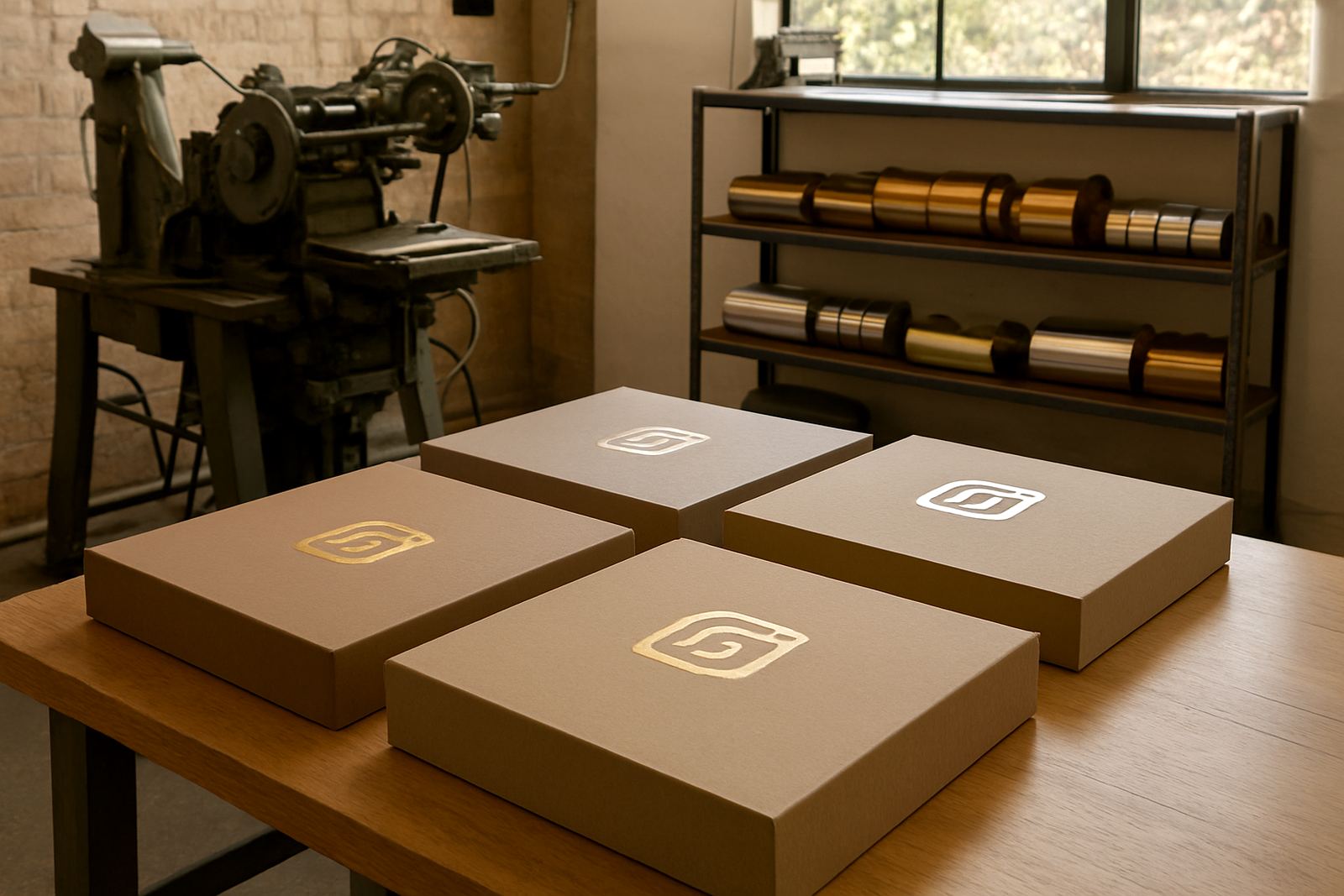
What the Sandton packaging team needed
The client was a premium box supplier in Sandton serving gift packaging, rigid cartons and presentation lids for retail and corporate work. Their old setup handled standard sizes well enough, but once larger branded lids started coming through the job list, the press area became a bottleneck. The foil was clean on smaller pieces, but wide panels showed uneven pressure at the edges and the team was spending too much time on test pieces.
The brief was simple: increase usable platen width, keep registration accurate on oversized lids, and make the setup practical for operators working to tight dispatch times. They also wanted a solution that could cope with Johannesburg winter dryness, summer humidity spikes, and the reality of load-shedding without constant rework.
- Job type: premium packaging and box finishing
- Town: Sandton, with production and dispatch tied to Johannesburg City West support
- Main issue: wider foil areas on branded lids
- Priority: cleaner coverage and faster changeovers
Constraints on the production floor
The workshop had limited floor space and the press had to fit around cutting, folding and packing benches. The client also runs mixed jobs, so the machine could not be set up for one box size only. Operators needed a platen that was wider, but still easy to manage for shorter runs of 50 to 300 units, not just long industrial batches.
Another constraint was consistency. On packaging work, a small shift in heat or pressure shows immediately at the lid edge and around logo details. The client was also concerned about electrical stability during power interruptions, because a cold restart in the middle of a run can waste foil and mark stock. We planned the installation around those points and kept the first setup focused on stable output rather than maximum speed.
- Restricted floor area in a working packaging line
- Mixed box sizes and short production runs
- Need for stable heat recovery after outages
- Fine detail work on premium lids and sleeves
The wider platen press we supplied
FoilPress supplied a hot-foil stamping press with a wider platen suited to larger branded lids and oversize carton faces. The machine was configured for accurate heat distribution across the working area and even pressure from edge to edge. We matched the setup to the client’s most common lid sizes first, then allowed for margin on larger seasonal packs.
Key machine details included a wider heated platen, adjustable pressure control, precise temperature setting, and a mounting arrangement that allowed the team to swap dies without losing too much time between jobs. We also checked foil pull and release on both fine text and solid logo blocks, because packaging work often combines both on one panel.
- Wider platen for oversized lids and carton faces
- Temperature control set for repeatable foil release
- Pressure adjustment for fine detail and solid fills
- Die mounting checked for quick changeovers
- Suitable for card and premium packaging stock
Installation, calibration and operator training
The installation took place over two weeks, starting with offload and positioning at the Sandton site, then level check, electrical connection and safety testing. Once the press was in place, Kagiso Molefe and Willem Coetzee handled the calibration work. That included heater calibration, pressure setup and test impressions across the full platen width. We did not rush the first day, because a press like this has to be right before it becomes part of production.
Anika van der Merwe and Lerato Ndlovu worked with the production team on operator training, covering temperature changes, foil matching, die mounting and basic daily checks. The team also went through a practical changeover routine so they could move from small packs to larger lids without wasting material. Sibusiso Mthembu checked the final sign-off with the client once test runs were stable.
- Week 1: site assessment, machine positioning and utility checks
- Week 2: calibration, test runs and operator training
- Focus areas: heater calibration, foil matching, die mounting
- Hand-over included daily startup and shutdown steps
Results on larger branded lids
After commissioning, the packaging team had a wider working area that matched the size of the new lid range and reduced the need for awkward multi-pass foiling. Coverage became more even across the full panel and the edge fade that had been causing rejects dropped away. The operators also found that setting the right pressure took less trial work once the press had been calibrated properly.
The practical result was faster production on premium runs, cleaner presentation for retail customers and less foil waste on setup sheets. The client could now take on larger branded lids with confidence, which helped with seasonal campaigns and corporate orders. In a business where appearance matters, that gave them a proper advantage without complicating the floor.
- Better foil consistency across wider lid surfaces
- Fewer rejected pieces during setup
- Shorter changeovers between small and large jobs
- Improved presentation on premium packaging
Why this suited Sandton work
Sandton packaging buyers expect neat finish quality, quick turnaround and repeatable output from one order to the next. A wider platen only helps if the heat stays stable and the pressure holds from the first lid to the last one. That is where proper setup matters. The client needed a machine that would work in a real production environment, not just on a sample bench.
We also planned for local realities. Johannesburg weather can shift quickly, and humidity changes can affect how foil lands on coated board and laminated stock. By keeping the press settings documented and showing the team how to adjust for stock variation, the workshop gained a process they could rely on. It was practical, not complicated.
- Useful for premium packaging buyers in Sandton and nearby business districts
- Handles stock variation from coated board to heavier carton material
- Supports reliable output during busy retail periods
- Easy for the client to maintain in-house
What we would repeat on the next job
We would follow the same approach again: inspect the client’s most common pack sizes first, choose the platen width around real production needs, and schedule the installation so the team can learn the machine while it is being commissioned. That keeps the setup honest and saves time later.
For premium box suppliers, the biggest gains usually come from the basics done properly. Good machine alignment, correct heater calibration, and hands-on training make more difference than chasing speed too early. If the client expands into another lid size or a new foil finish, FoilPress can return to review die mounting, pressure balance and production settings so the press keeps earning its place on the floor.
- Start with actual job sizes and sample stock
- Calibrate before pushing production speed
- Train operators on daily checks and changeovers
- Review settings again when new pack sizes are added
Key facts
| Project type | Wider platen upgrade for premium box and lid foiling |
|---|---|
| Client location | Sandton, Johannesburg |
| Machine supplied | Hot-foil stamping press with wider working platen |
| Main use | Large branded lids, carton faces and presentation packaging |
| Timeline | 2 weeks from installation to hand-over |
| Support included | Press installation, heater calibration, pressure setup, die mounting, foil matching and operator training |