Fourways brief: short run, sharp detail, no wasted sheets
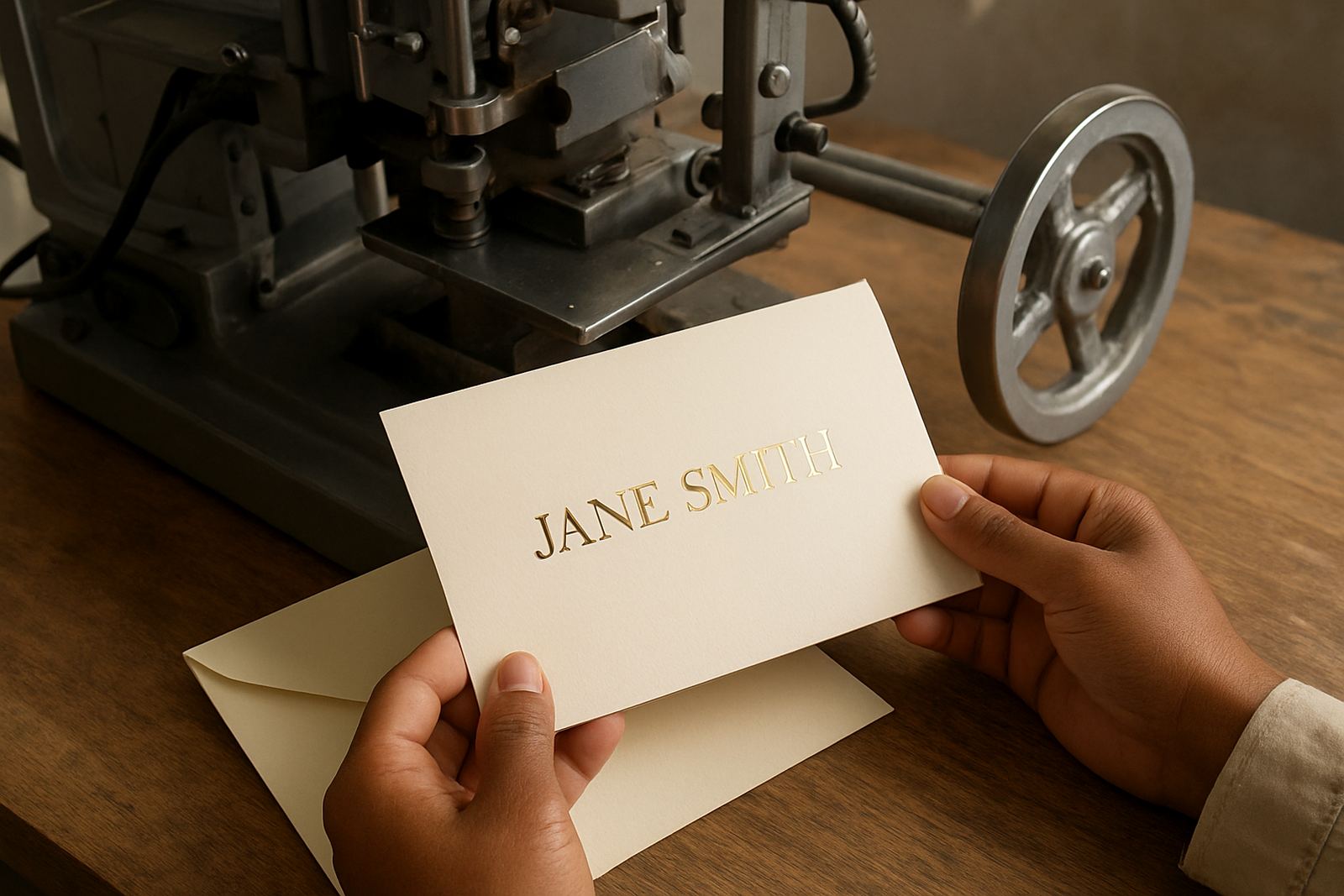
The client was a small design studio in Fourways producing bespoke invitations for a private event series. The brief was simple on paper but exacting in practice: bring in a premium foil finish, keep every name and detail readable, and hold registration on lightweight stock without crushing the paper. The studio wanted a result that looked hand-finished, but needed the consistency of a press run.
They were working to a fixed event date and could not afford reprints. The artwork carried fine type, bordered elements, and a few dense areas where foil can pick up unevenly if the setup is off. We reviewed the artwork, the stock choice, and the required batch count before any pressing started, so the job could move quickly once approved.
- Client type: design-led invitation studio
- Town: Fourways, Johannesburg
- Application: personalised event invitations
- Run size: short run, mixed personalised set
The press setup for clean foil and exact registration
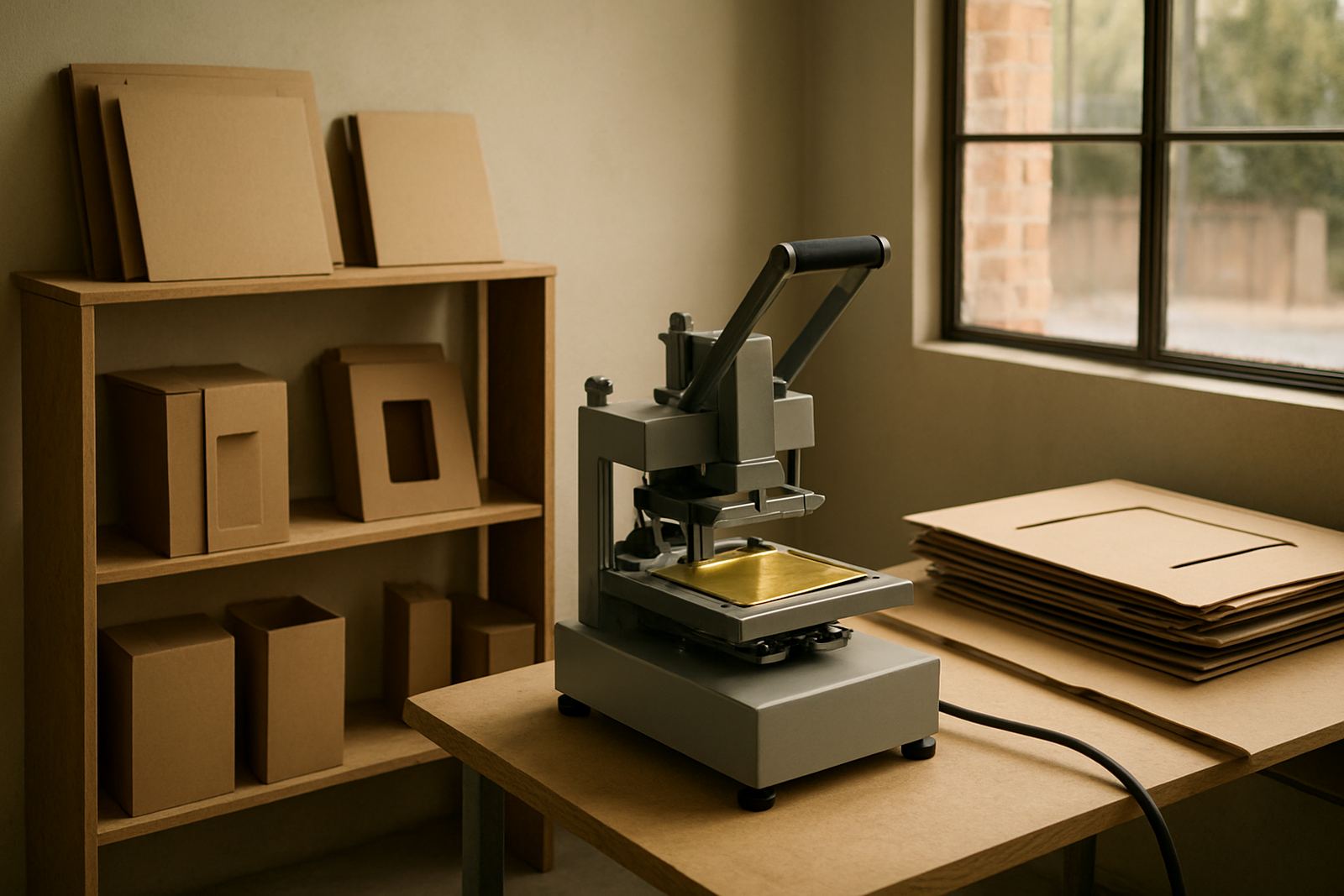
For this job we supplied a press setup suited to small-format, detail-heavy work. The main requirement was accurate repeatability on a short run, with enough control to deal with foil laydown on coated invitation board. Because the sheets carried personalised text, the team needed clean positioning and steady pressure across the full stack.
We set the press for the chosen stock thickness, checked heater response, and matched the foil to the coverage areas on the artwork. The press bed and die mount were checked for alignment before production. That preparation matters on invitations, where even a small shift can show up immediately in the final pack.
- Press configuration checked for short-run invitation stock
- Heater calibration confirmed before production
- Die mounting set for repeatable registration
- Foil matching done against artwork coverage and paper tone
Working through the constraints on site
The main constraint was time. The studio had a compact production window and needed the invitations packed in sequence, with names and foil details matching the approved proof. There was also the usual pressure of a small run: too much setup and the margin disappears, too little and you risk spoilage. We kept the process tight, with the operator and client side checking first-off sheets together before the full batch continued.
Another factor was the paper itself. Invitation stock can vary a lot in fibre, coating, and moisture levels, especially when it has been stored in offices or studios with air-con and load-shedding interruptions. That can affect bite and registration. We made minor pressure adjustments and kept an eye on sheet feed consistency, which helped avoid edge scuffing and patchy foil transfer.
Because the job was personalised, the team also had to stay methodical with sorting. It sounds basic, but on a short run with multiple names, one wrong sequence can waste a lot of time. We kept the workflow clean and the packing order matched to the final list, so the handover to the studio was straightforward.
What we supplied and handled during the job
FoilPress supplied the practical support needed to get the job over the line without drama. Our technical team handled the setup checks, the first-off approval, and the adjustments needed to keep registration true. The studio’s operators then continued the run with confidence, which is usually the best way to keep a small project moving.
We also worked through the finishing details that make a foil invitation feel properly finished instead of just metallic. That included matching the foil tone to the printed artwork, checking the pressure against the stock, and confirming the die seated properly before the run continued. Nothing flashy, just the right steps in the right order.
- Press installation and setup support
- Operator guidance on first-off approval
- Pressure setup matched to invitation board
- Foil matching for clean visual contrast
- Production support until the batch was complete
Timeline and outcome for the Fourways run
The project moved from brief review to completed production in two weeks. Week one covered artwork review, stock confirmation, and press setup planning. Week two covered the press run, checks on registration, and finishing. That pace suited the client, who needed enough room to review samples but did not have time for a long back-and-forth.
The result was a consistent foil finish across the full invitation series, with clean names, sharp edges, and no visible drift in registration. The studio had the look it wanted for a premium event pack, and the batch was delivered in a form that made packing and distribution easier. It was a good example of how short-run foil work can look high-end when the setup is done properly, not rushed.
The client also appreciated that the job was handled with a practical eye. When a studio is balancing design work, client approvals, and a deadline, it helps to have a supplier who knows how to keep the press side calm and predictable. That saves time and reduces waste, simple as that.
What we would do again on a similar invitation job
We would handle a similar project the same way again: confirm the stock early, test the foil against the artwork, and lock in registration before running the full set. For invitation work, that sequence is usually the difference between a smooth job and an expensive re-run. A short run gives you very little room for error, so the setup has to be right from the start.
If the same client came back with another personalised series, we would keep the process lean and repeat the parts that worked. That means a proper first-off check, operator guidance on feed and pressure, and enough time to sort the pack order before dispatch. It also means being honest about the limitations of the stock, especially in warmer months or where sheet storage has been affected by humidity or power cuts.
- Confirm paper stock before print finishing starts
- Test foil and pressure on an approved sample first
- Keep personalised sheets in a fixed packing order
- Allow for a short setup window before the full run
Key facts
| Project type | Personalised foil-stamped event invitations |
|---|---|
| Client location | Fourways, Johannesburg |
| Run length | Short-run production |
| Finish | Clean foil detail with tight registration |
| Timeline | 2 weeks from review to completion |
| FoilPress support | Setup, calibration, matching, and production guidance |