Start with the finish the customer actually wants
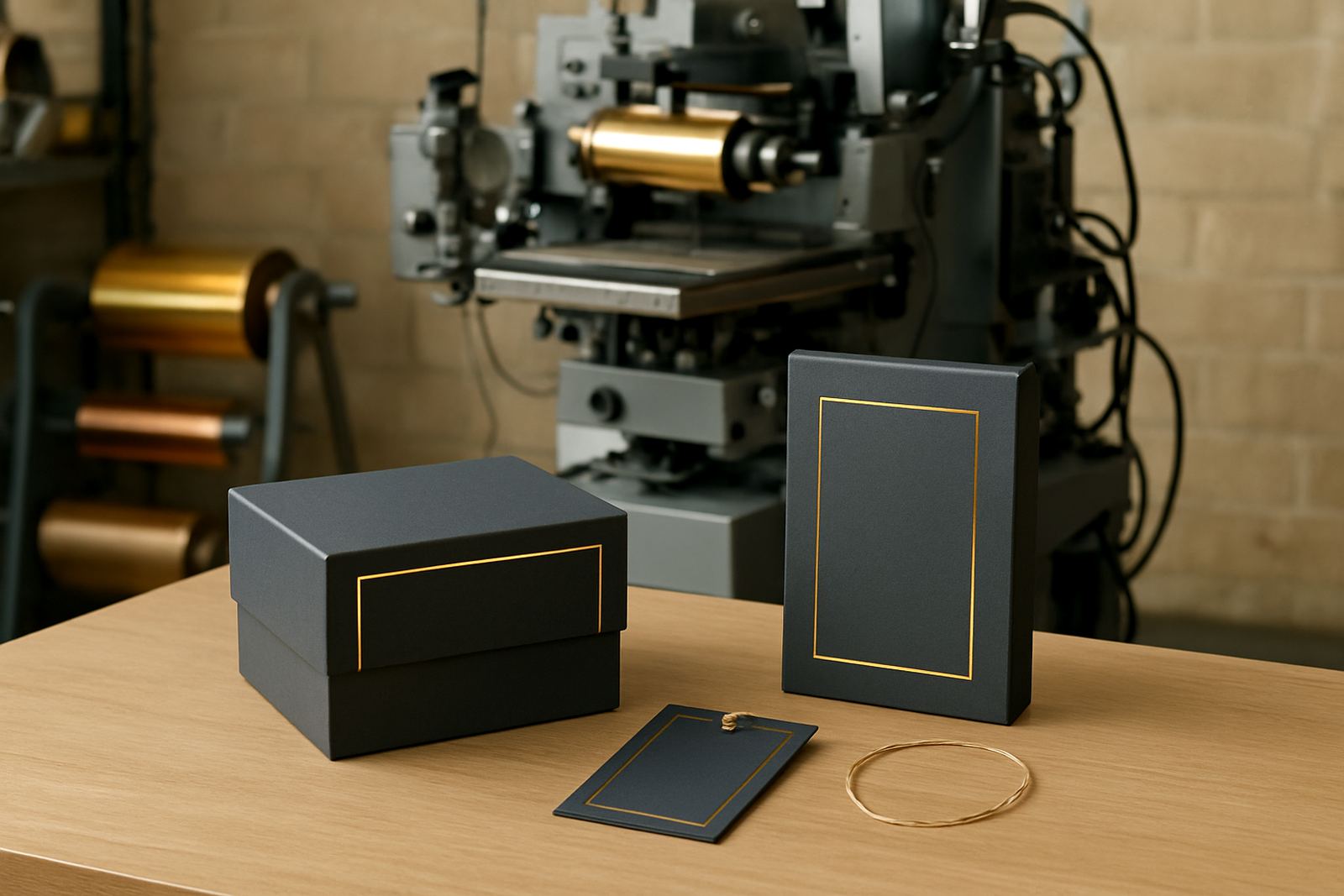
Before you look at colour charts, decide what the job must do on the shelf or in the hand. A luxury invite needs crisp shine and fine detail, while a carton may need stronger coverage and good scuff resistance. If the brief says premium, ask whether that means mirror gloss, soft satin, metallic colour or a subtle mark that sits back on the stock.
In Johannesburg, Pretoria and the wider Gauteng market, many jobs run in short batches with mixed stock types. That makes the finish choice even more important because there is less room for trial and error. A foil that looks perfect on coated card may not hold the same look on textured board or fibre-rich packaging. Start with the effect, then match the material and process around it.
- Define the required look: bright, matte, coloured, holographic or subtle branding.
- Check whether the foil must carry sharp fine type or larger solid areas.
- Ask if the job needs strong shelf impact, handling durability or both.
- Confirm if the finish must suit post-print work like varnish, lamination or die-cutting.
Match foil type to the stock on the press
Stock type changes how foil transfers. Smooth coated paper and board usually give the easiest release and the cleanest edges. Uncoated board, textured card and some packaging grades often need more heat, more pressure or a slower run to get a complete image. If the stock has a rough surface, you may need a foil that is more forgiving rather than one that is only suited to high-gloss work.
For local production in humid coastal areas like Durban or Port Elizabeth, the stock can carry more moisture and this affects transfer. In dry winter conditions around Gauteng the opposite can happen, with stock becoming more brittle or shifting slightly. Keep the reels or sheets in the production room long enough to settle, and avoid opening packed stock too early in a hot workshop. A little prep now can save a lot of rework later.
- Coated stock: best for fine detail and high shine.
- Uncoated stock: test for adhesion and coverage before full production.
- Textured stock: allow for deeper impression and slightly looser detail.
- Laminated stock: confirm the surface can take foil without lifting or cracking.
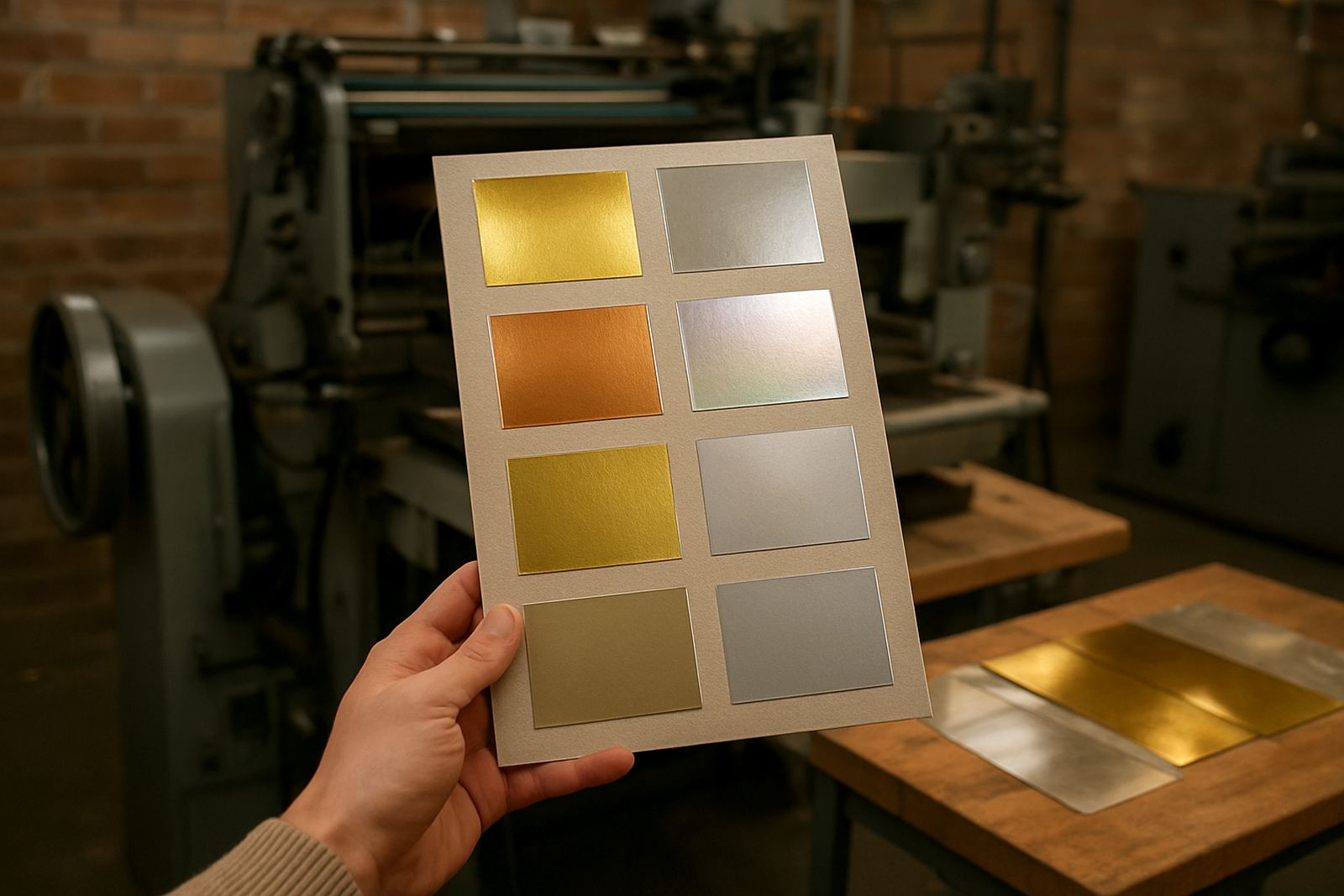
When in doubt, run a small sample on the actual production stock rather than guessing from a catalogue swatch. That one test sheet can show you how the finish will behave under real heat and pressure.
Check the press settings before you choose the foil
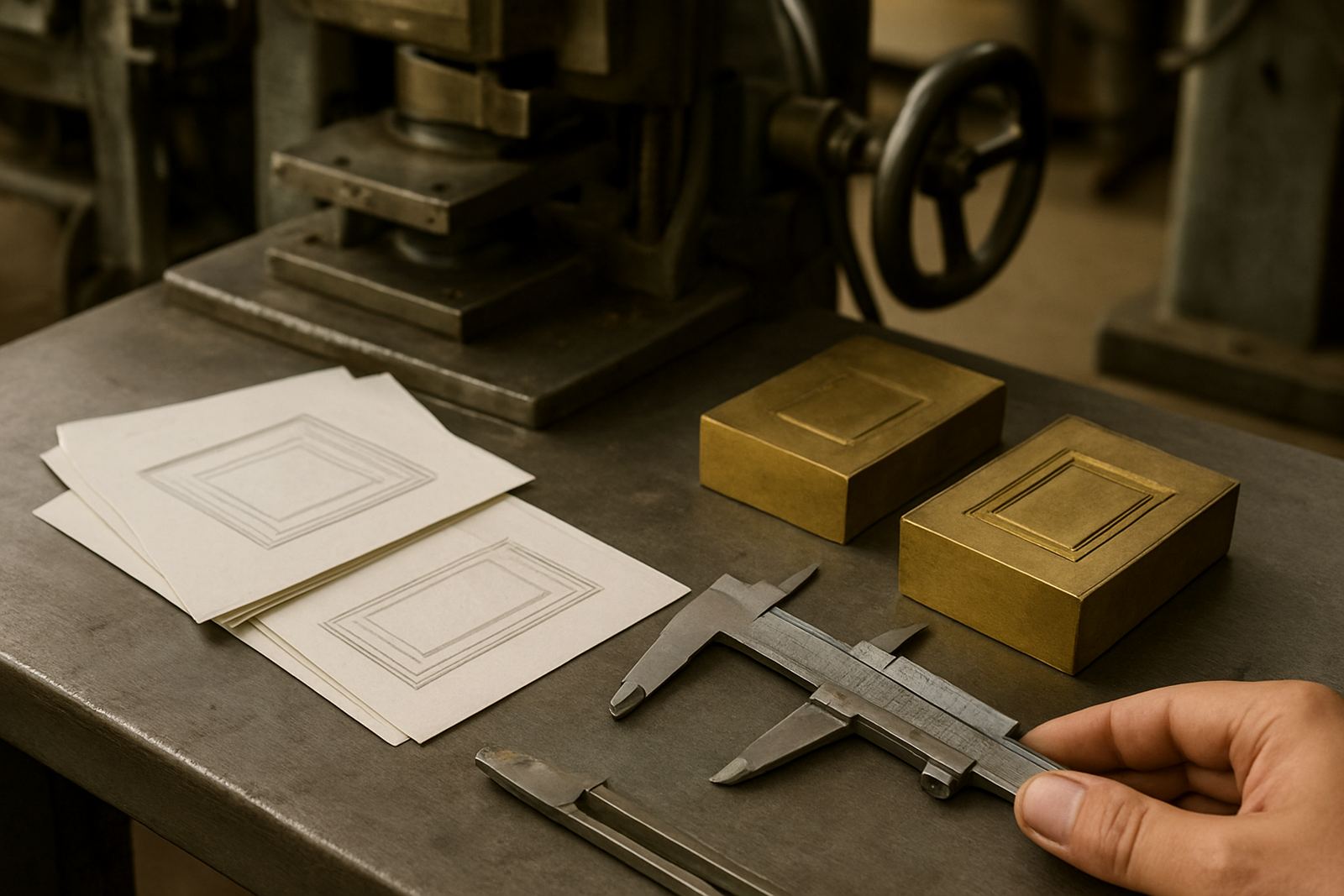
The right foil is only one part of the result. Press temperature, dwell time and pressure all need to suit the material and the image size. A narrow line logo and a broad solid panel do not always need the same settings. If the machine is under pressure, you may see patchy transfer, edge breakout or a dull finish. If it is too hot, the foil can blur or mark the stock.
FoilPress works with businesses that run from small craft batches in Randburg to larger production loads in Germiston and Midrand. In both cases, the same rule applies: match the foil to what the press can repeat all day, not just what works once on a test run. If the machine needs heater calibration or pressure setup, fix that first. Then judge the foil properly.
- Test temperature across the full plate area, not only in one corner.
- Check if the image needs short dwell time or a slower, cleaner pull.
- Look for signs of uneven pressure, especially on larger dies.
- Make sure the press and die mounting are aligned before final selection.
Choose finish level based on the job size and quantity
Small runs can often use a more specialised foil because setup time is spread over fewer units. Larger production runs usually need a foil that gives consistent release and lower waste over many impressions. If you are doing seasonal packaging, short-run promotional work or craft stationery, the finish can be more expressive. If you are supplying retailers or repeated carton orders, repeatability becomes the priority.
In a busy Johannesburg workshop, production planning often changes quickly, so it helps to select foil with the full run in mind. A foil that looks impressive on the first 20 pieces but slows the machine later may cost more in the end. Ask how much waste is acceptable, what the target output per hour is and whether the team has time for more frequent adjustments.
- Small runs: choose for appearance and easy changeover.
- Medium runs: balance finish, speed and stability.
- High volume work: prioritise repeatability and lower spoilage.
- Mixed job lists: keep a few proven foil types for common stock grades.
That simple planning step can keep production moving even during load-shedding recovery periods, where every minute on the machine counts.
Use a simple foil trial checklist before ordering
A structured test saves money and keeps the team consistent. Rather than judging by eye alone, record the stock, machine settings and result each time. If the foil performs well on one stock but fails on another, you will spot the pattern faster. This is especially useful for teams serving clients across Sandton, Roodepoort and the broader Gauteng area where order mixes change week by week.
Keep a small sample file in the workshop and note what worked. Over time, your team will build a practical reference that cuts down on guesswork and supplier calls. It also helps when a customer asks for the same effect again six months later.
- Stock name and thickness.
- Surface type: coated, uncoated, textured or laminated.
- Press temperature, pressure and run speed.
- Visual result: gloss, coverage, edge sharpness and adhesion.
- Any issues: picking, smudging, poor release or dull spots.
Keep the foil room and workshop conditions under control
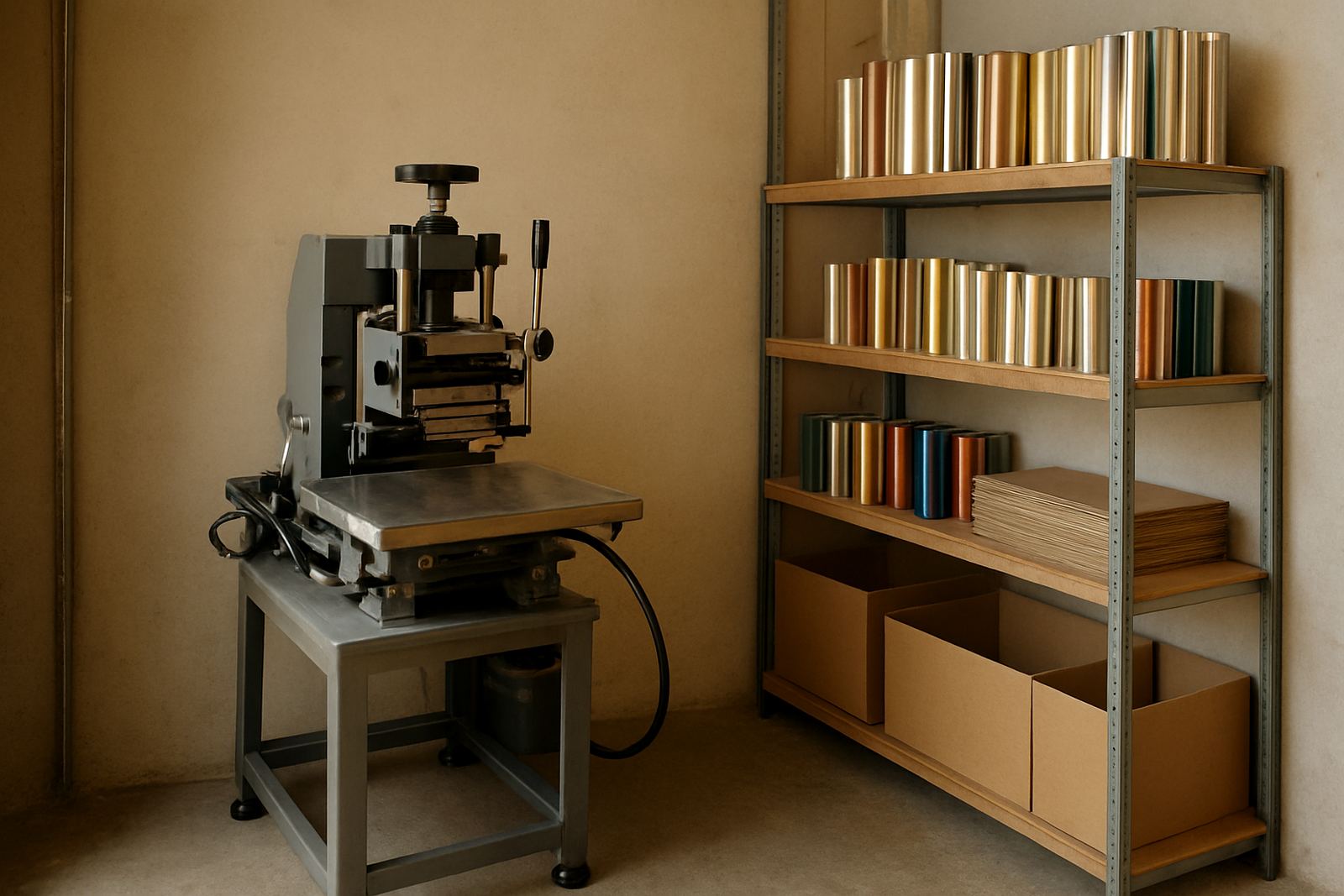
Foil storage and workshop conditions matter more than many operators expect. Excess heat, dust and damp can affect release and handling. Keep foils in a dry room, away from direct sun and not too close to heaters or open doors. In older industrial areas around Industria West, where workshops can get dusty, sealed storage makes a real difference. Coastal humidity can also affect both stock and foil, so careful storage is worth the effort.
For day to day use, rotate stock so older rolls are used first and keep a clear record of colour, width and batch if you have it. Clean handling means less waste and more dependable output. If your team needs support with spares, servicing or production optimisation, it is easier to solve a problem early than after a full run has been lost.
Good foil selection is not only about colour. It is about stock, settings, storage and repeatable results, which is what keeps customers coming back.