Start with the product you will make most often
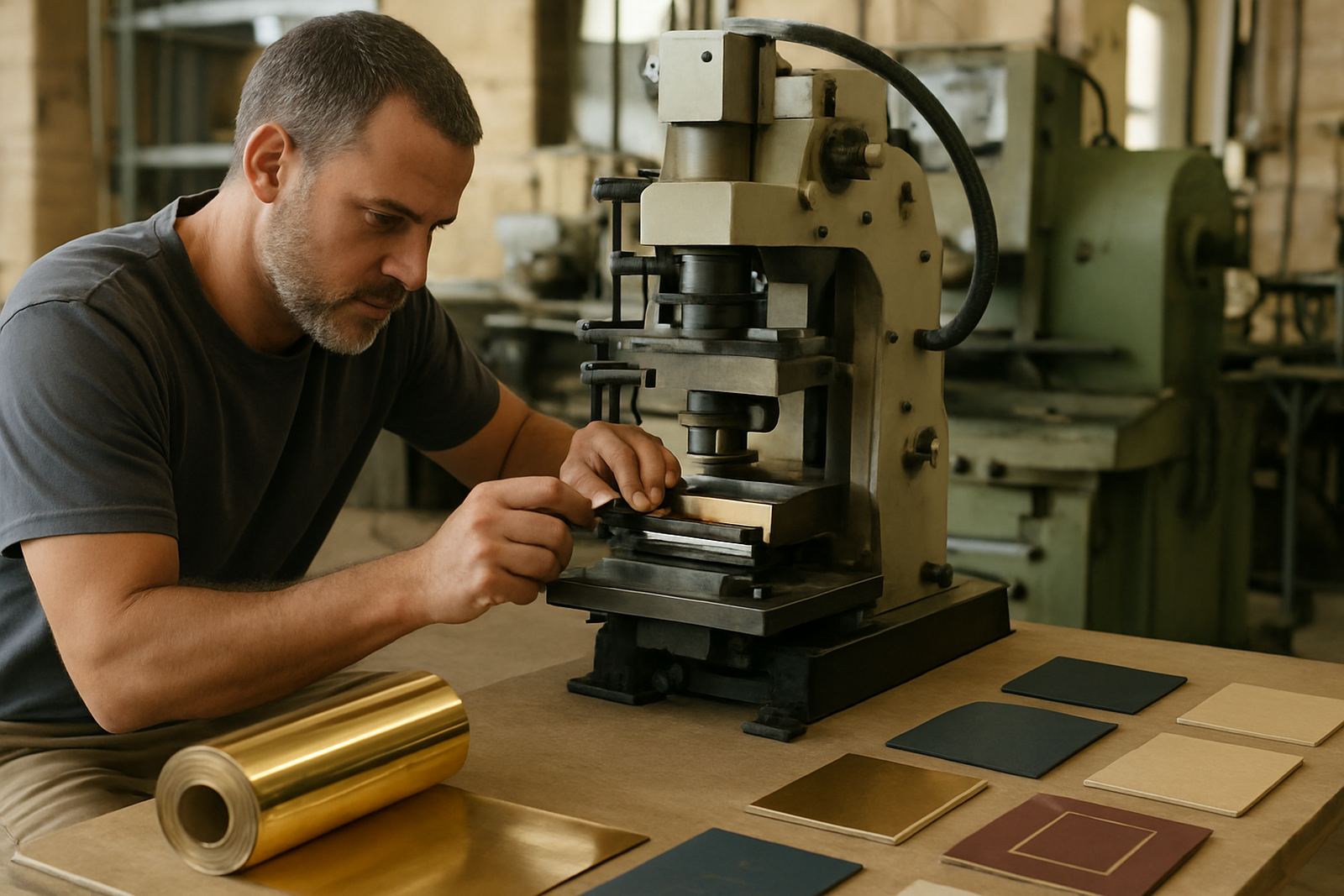
Before you look at pressing force or heater size, look at what you plan to produce every week. A business that makes wedding invites, luxury labels and short-run carton packaging needs a different setup from a craft shop doing small batches of personalised cards. The first press should suit your main product mix, not the biggest job you hope to land one day.
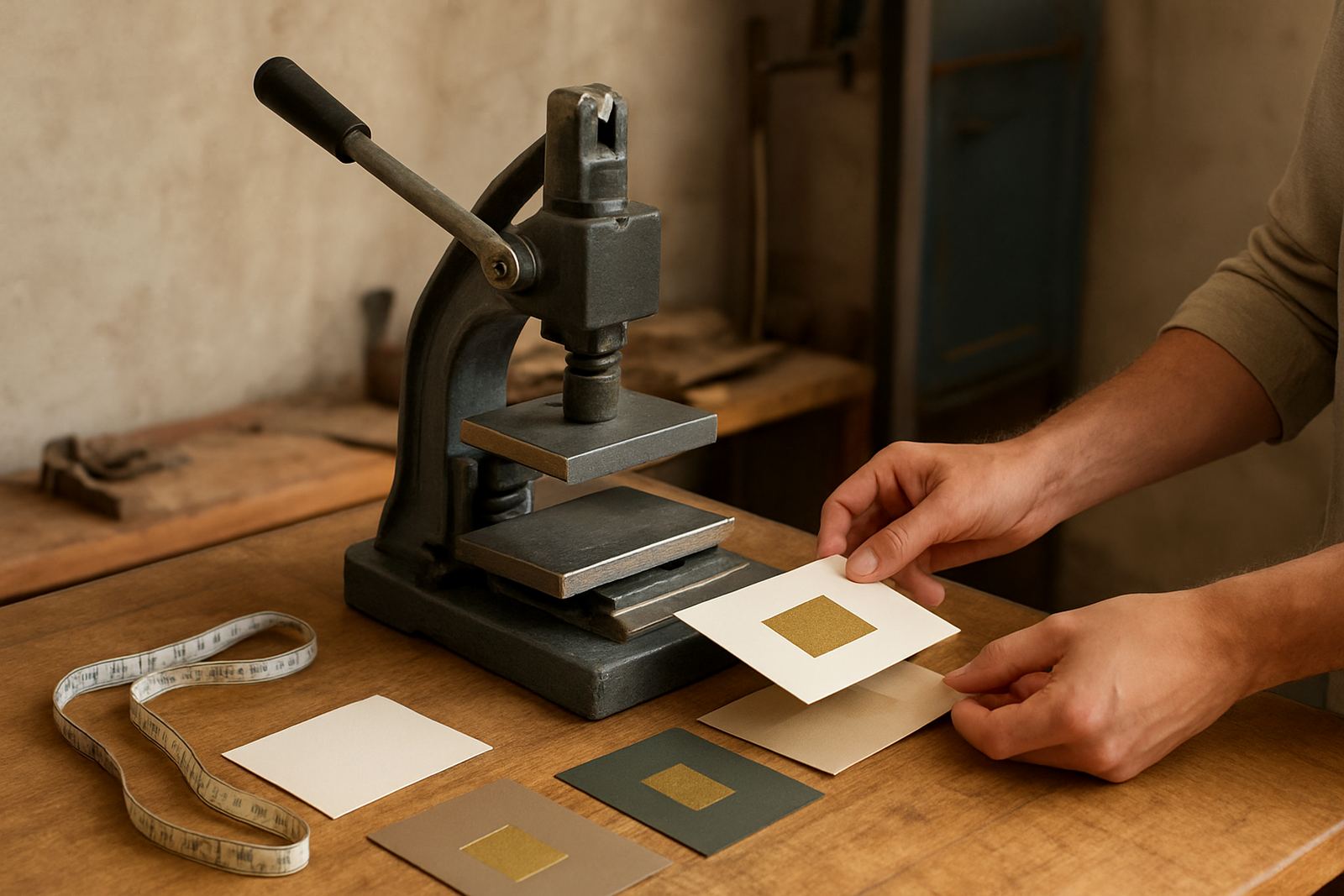
Write down the common foil sizes, the type of material you print on, and whether you need flat work only or more detailed registration. If you are mainly running paper and board, you can keep things simpler. If you plan to stamp heavier packaging board, synthetic stock or coated papers, you need a press that holds heat well and gives steady pressure across the full area.
- List your top 10 products by volume
- Note the material thickness for each one
- Record the size of the foil area you use most
- Check whether you need repeatability for longer runs
Set a budget that includes setup, not only the machine
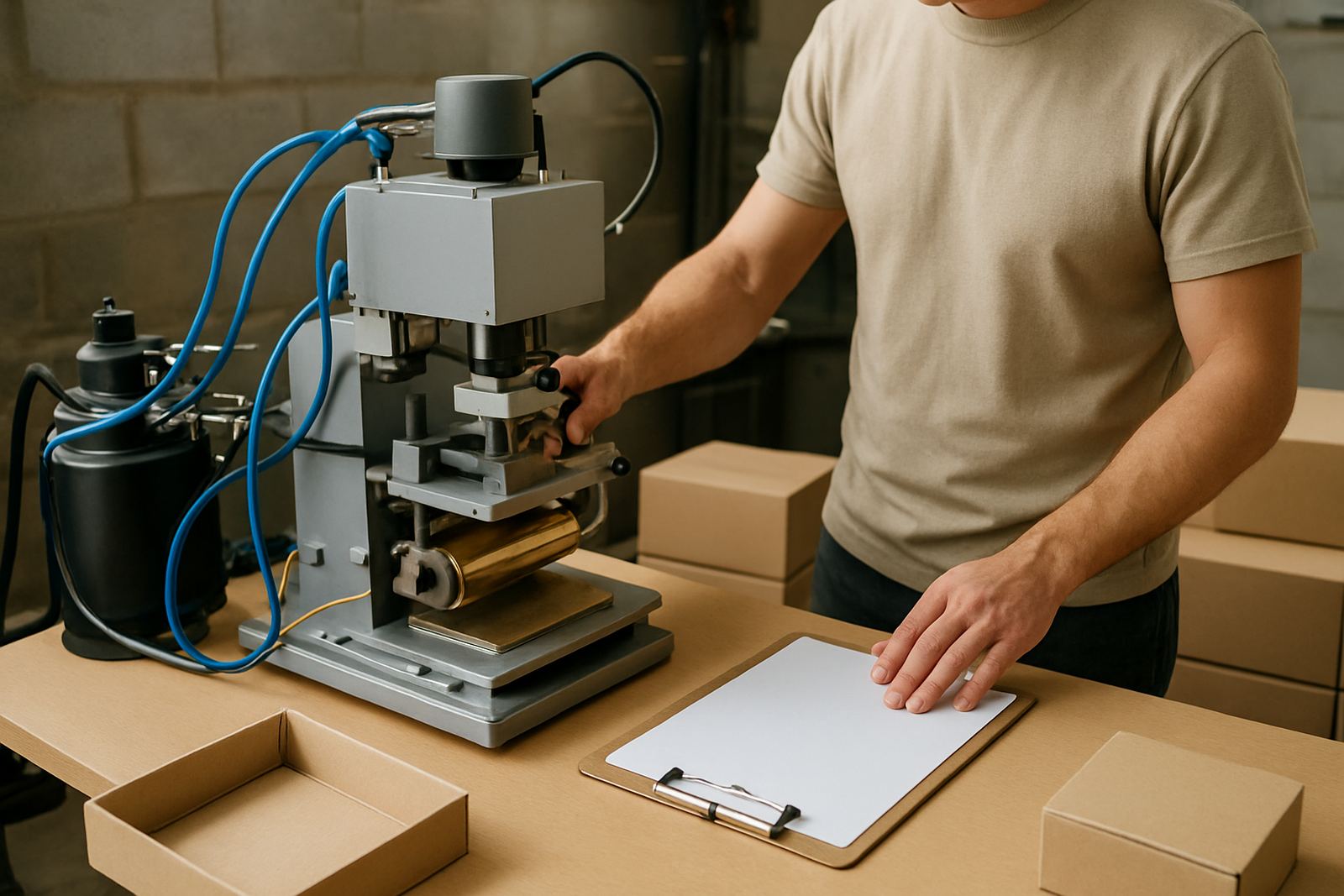
Many first-time buyers plan for the machine price and forget the extras that get you running. You should allow for installation, die mounting parts, operator training, foil stock, calibration and a few spare items. In Johannesburg and across Gauteng, moving and positioning the press can also add cost if the machine must go upstairs, through a narrow door or into a work area with poor floor access.
A proper budget should include the first three months of running costs as well. That means power use, foil waste during setup, tooling changes and any servicing callouts. If your site is affected by load-shedding, ask how the press behaves after power cuts and what restart checks are needed. A machine that is easy to reset saves time, and time is money when you have deadlines for corporates or local print buyers.
- Machine purchase price
- Installation and commissioning
- Training for at least one backup operator
- Foil, dies and basic spares
- Service allowance for the first year
Measure the space before you sign anything
Space is often the first thing that causes trouble in a small workshop. Measure the floor area, ceiling height, doorway widths and the path from the delivery point to the final position. In Industria West, Roodepoort or Randburg, many workshops share space with cutting tables, packing benches and storage racks, so you need a clear route for both delivery and daily use.
Do not forget heat, ventilation and access around the machine. A press needs working room for the operator, the foil roll and the stack of material. Leave enough space to inspect heaters, clean the area and carry out minor adjustments. In coastal areas the challenge can be humidity, while in Gauteng dust and temperature swings can affect consistency, so the machine should sit in a clean dry place with stable power where possible.
If you are fitting out a new area, think about the floor loading, nearby plugs and whether your electrical supply can handle the press together with lights and finishing equipment. A neat installation is easier to maintain and safer for staff.
Choose a press that matches your output, not just your ambition
It is tempting to buy for future growth, but a first press should help you learn the process properly. If the machine is too large for your current orders, you may spend too much on foil, power and floor space before you have the volume to justify it. If it is too small, you will outgrow it fast and struggle with repeat jobs.
Ask about pressure control, heater stability, die mounting ease and how simple it is to change between jobs. For card work, quick turnaround matters. For packaging, consistency across a longer run matters more. You should also ask how the machine handles the kind of paper or board you buy locally, because some materials mark easily and some need more careful setup.
- Check the largest job size you expect in year one
- Ask how long changeovers usually take
- Confirm whether the press can handle your main substrates
- Find out what happens when the power goes off mid-job
Ask for support you can actually use
Support is not just a promise on paper. For a first-time buyer, the real test is what happens when the foil is not transferring cleanly or the temperature drifts during a run. You need a supplier who can help with installation, operator training, heater calibration, pressure setup and practical advice on foil matching. That matters even more in the first few months while your team is learning the process.
Look at the support arrangement in plain terms. Who answers the phone, how fast can they visit, and can they help with spares if something simple fails? If your business is in Midrand, Sandton or Germiston, local response time can make a big difference when a job is due the next morning. Good support should help you reduce waste, not just fix breakdowns after the fact.
At FoilPress, that means matching the machine to the work, then helping your team get steady results from the start. The goal is not only to sell a press, but to help you produce clean foil from day one.
Use this first press checklist before you buy
Once you have narrowed down your choice, run through a final checklist with the actual job in mind. Ask yourself whether the press fits your product mix, your space and your budget after setup. Then check the practical details that keep production moving.
- Do I know my most common material sizes and foil areas?
- Have I measured the room, access points and power supply?
- Have I allowed for installation, training and spares?
- Will the press handle load-shedding recovery and daily start-up?
- Do I know who to call for servicing, repairs and calibration?
If you can answer yes to those points, you are far closer to a sensible first purchase. A well-chosen first press should give you clean results, manageable running costs and a clear path to growth without putting pressure on cash flow. That is the kind of start most small and growing businesses need.