Start with the product and the finish you actually need
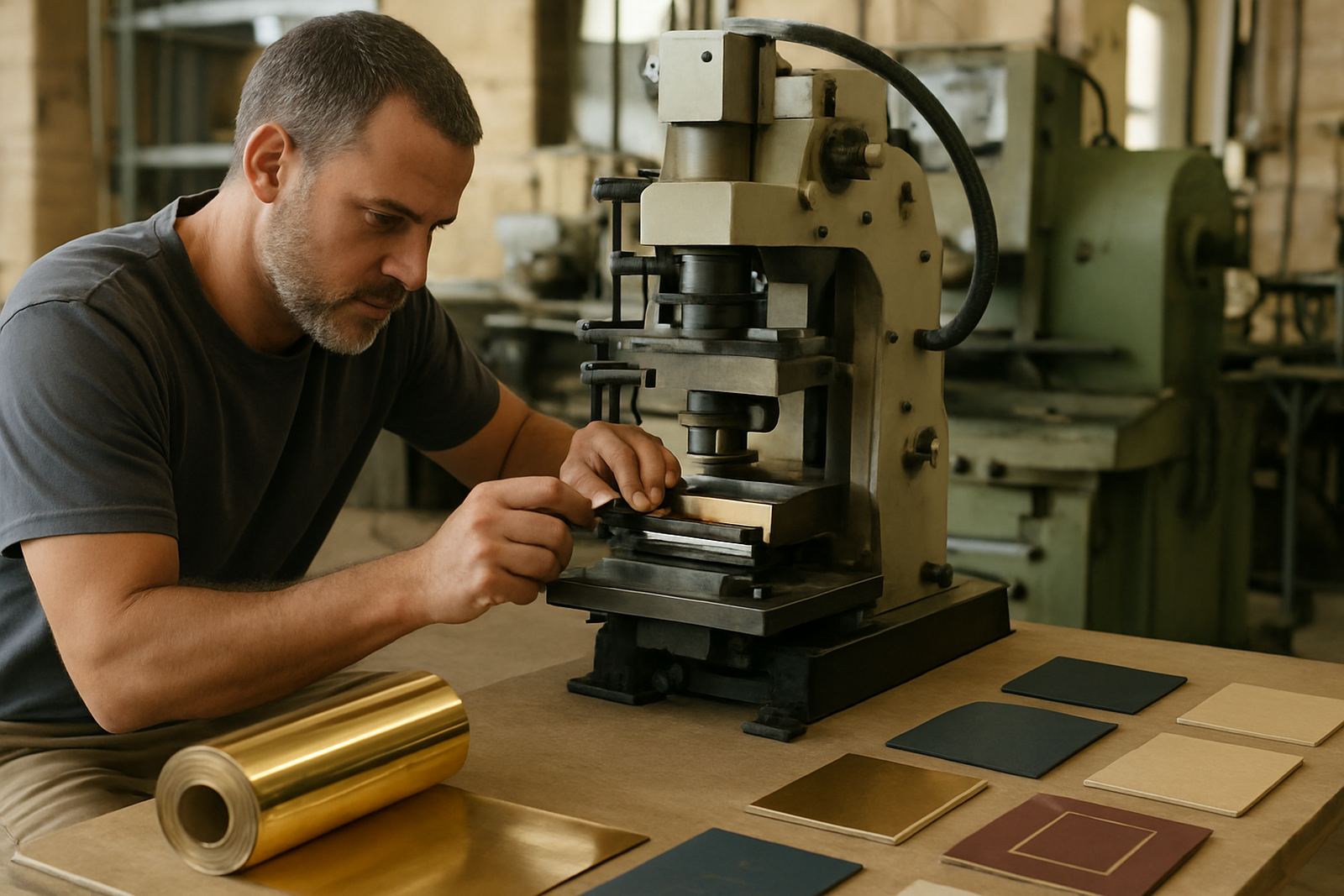
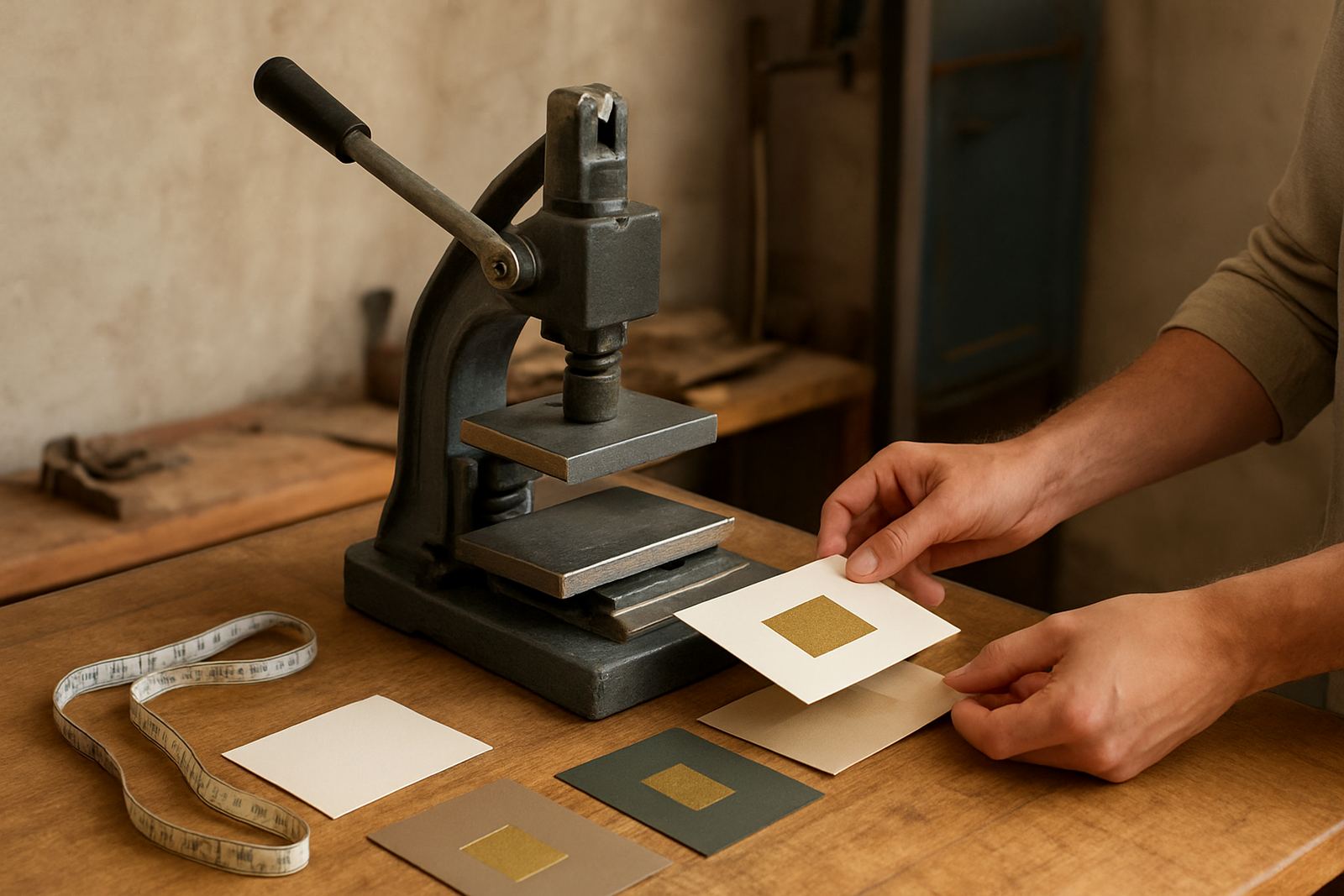
Before looking at machine size, define what you are pressing. Card sleeves, cartons, tags, folders and short run packaging all behave differently, and the press must match the material thickness, stamp area and finish quality you want. A small craft business in Randburg may only need short runs with frequent artwork changes, while a packaging line in Germiston may need repeatability across bigger volumes.
Ask yourself how often you change dies, how many pieces you need per shift and whether you are pressing flat work or items with a slight profile. If the work includes fine text, thin lines or tight registration, the press needs stable pressure control and accurate heat recovery. If the job is mainly bold logos on board, speed and consistent alignment may matter more than ultra fine detail.
- What material are you pressing, and what is its thickness?
- What is the largest press area you need today?
- How often do artwork or die changes happen?
- Do you need short runs, higher output or both?
Check the air supply before you buy the press
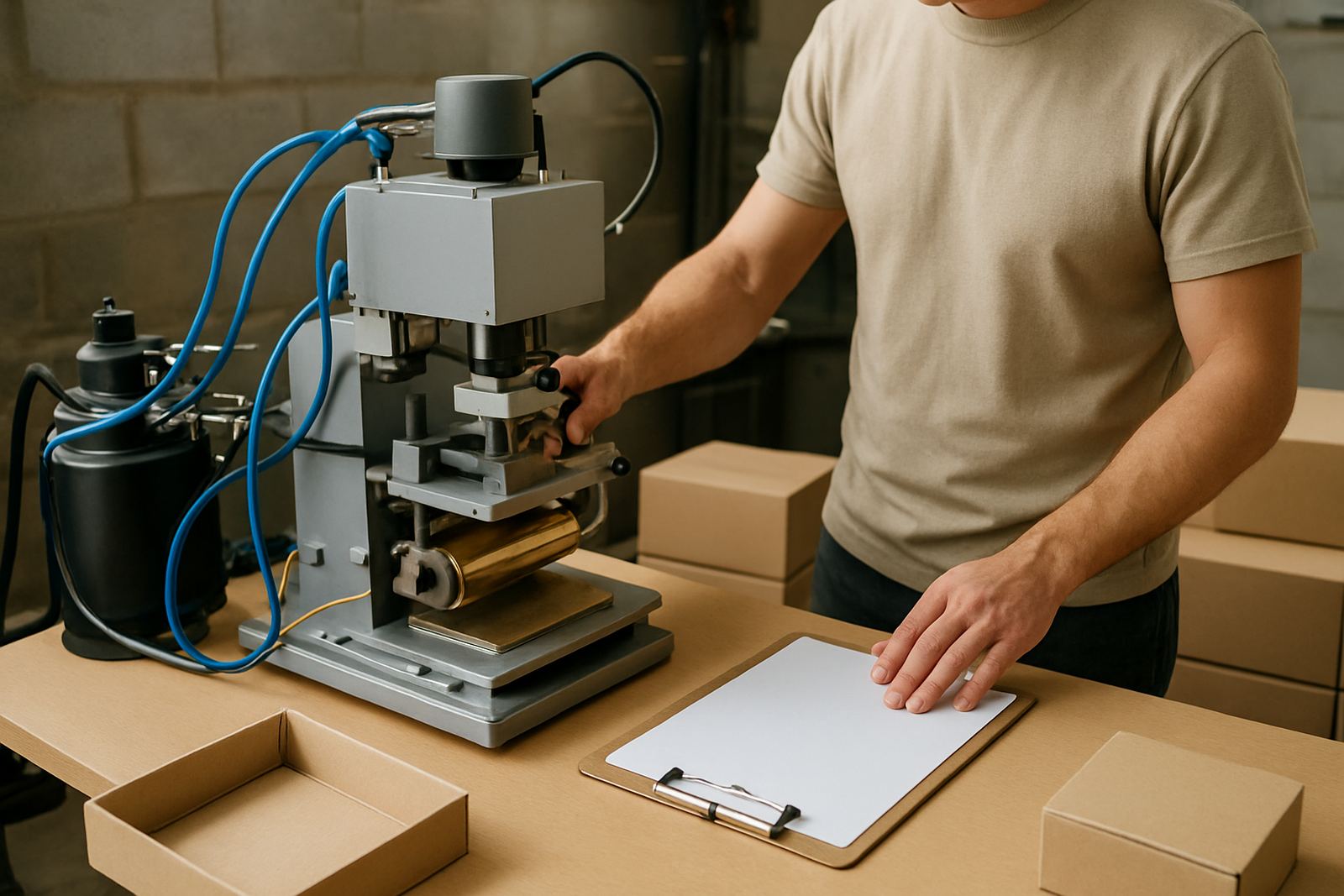
Pneumatic equipment depends on reliable compressed air, so the air system should be checked before the machine is ordered. Many production problems come from poor air quality or undersized compressors, not the press itself. In Johannesburg industrial areas, power cuts and shared workshop air lines can also affect pressure stability, so it is worth planning properly from the start.
Confirm the operating pressure range the press needs, then compare that with your compressor output, tank size and pipe run length. Long runs, leaks and water in the line can cause slow stroke response and uneven pressure. If your workshop is close to the coast or stores stock in humid conditions, moisture control becomes even more important because it can affect valves, seals and foil handling.
- Does your compressor deliver enough air per minute for continuous work?
- Is the line pressure stable at the point where the press will stand?
- Do you have filtration, drainage and moisture control in place?
- Will other machines share the same air line?
Confirm electrical supply and load-shedding readiness
Heat, controls and timed pressing cycles depend on electrical supply, so do not treat power as a minor detail. Check the voltage, phase and current draw, then compare that with your board capacity and backup arrangements. A press that is fine on paper can become a problem if the workshop already runs heaters, cutters and compressors from the same supply.
In areas affected by load-shedding, ask how the press behaves after an outage. Will settings be lost, will warm-up take long, and can the job restart without wasting foil and board? If you use a generator or inverter system, make sure it can handle the start-up load and the heater recovery time. This is especially important for production in Midrand, Sandton and other busy commercial areas where downtime quickly turns into missed delivery dates.
- What power supply does the press need?
- Can your backup power carry the heater and control load?
- How long does the machine take to reach working temperature?
- Does it keep settings after a power interruption?
Match output targets to cycle time and setup speed
Output is more than a sales promise. It depends on stroke speed, setup time, die change time and how steady the operator can keep the press running. If you produce short batches of wedding stationery or custom cartons, setup speed may matter more than maximum hourly output. If you run longer packaging orders, cycle consistency and operator comfort become more important.
Ask for a clear idea of the press performance with your type of work. A machine that reaches a high cycle rate may still slow down if the die takes long to mount or if pressure settings need constant adjustment. Production teams in Roodepoort or Industria West often need equipment that can move between jobs without taking half the shift to reset. That is where practical layout and easy controls pay off.
- How many finished pieces per hour do you need?
- How much time is lost during die changes?
- Can one operator manage the machine safely and consistently?
- Is the work mix short run, long run, or mixed?
Test heat, pressure and foil matching on real jobs
Foil quality depends on the full chain of heat, pressure and timing. The press should hold temperature accurately and apply pressure evenly across the die area. If either one drifts, you get patchy transfer, fuzzy edges or foil that looks fine on one side and weak on the other. That becomes expensive fast when you are working with premium packaging or customer-facing card work.
Bring samples from your actual jobs when you test the machine. Use the paper or board grades you buy regularly, not only a sample sheet that looks perfect in the showroom. Check whether the press can handle metallic foils, pigment foils and fine detail without constant fiddling. Good foil matching also means the machine should make it easy to repeat a setting after a good run, so the next batch starts quickly and cleanly.
Plan for servicing, spares and breakdown support
A press is only useful if it stays in production. Ask what maintenance is needed weekly, monthly and annually, and confirm whether the parts that wear out are easy to access. Heaters, seals, valves, switches and control components should not turn into a long wait every time something small fails. In a production environment, a simple breakdown can stop a full shift.
Preventive servicing matters because dust, foil residue and air moisture all build up over time. A workshop in Germiston may handle heavy use and need tighter service intervals, while a smaller studio might just need regular checks and clean operating habits. Make sure you know how to monitor pressure setup, heater calibration and die mounting, because those are the jobs that keep output steady and reduce rework.
- Which service tasks are recommended each month?
- Are spares kept locally or ordered as needed?
- Can faults be diagnosed quickly on site?
- Who trains the operator if settings need to be changed?
Use a final buying checklist before you place the order
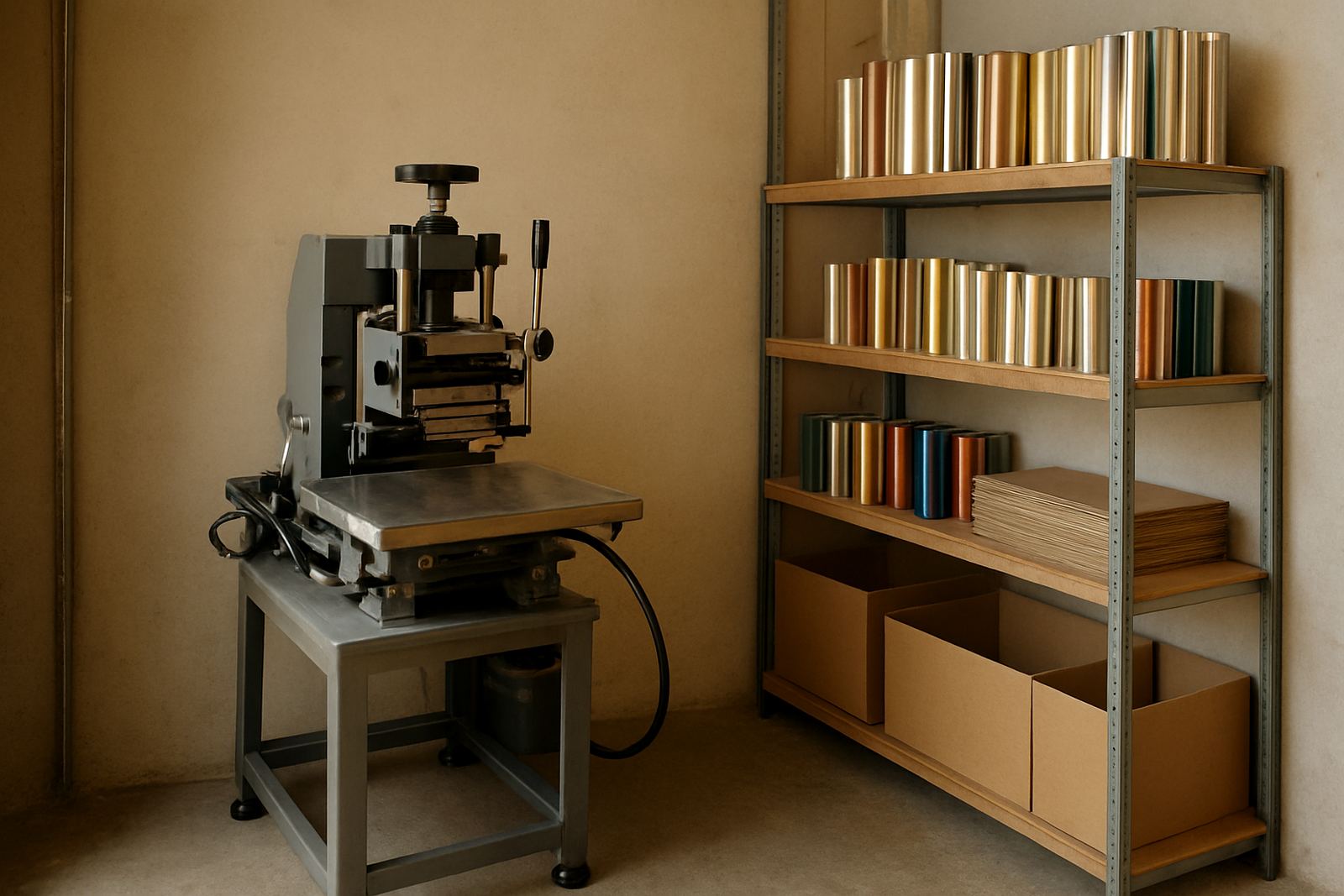
Once the machine is selected, go through the practical checklist one more time. This helps avoid surprises after delivery and installation. Measure the floor space, confirm access through doors and loading areas, and check whether the workshop needs a dedicated air line or electrical point. If the press is going into a live production area, think about safe operator movement, material storage and ventilation as well.
Before approval, ask for a clear answer on installation, operator training and after sales support. That gives you a better picture of true ownership cost, not just the purchase price. A press that is easy to run, easy to service and suitable for your air and power setup will save time, foil and frustration over the long term.
- Measured space and access confirmed?
- Air and power supply checked on site?
- Training and servicing plan agreed?
- Spare parts and support contacts recorded?