Start with your real daily output, not your best day
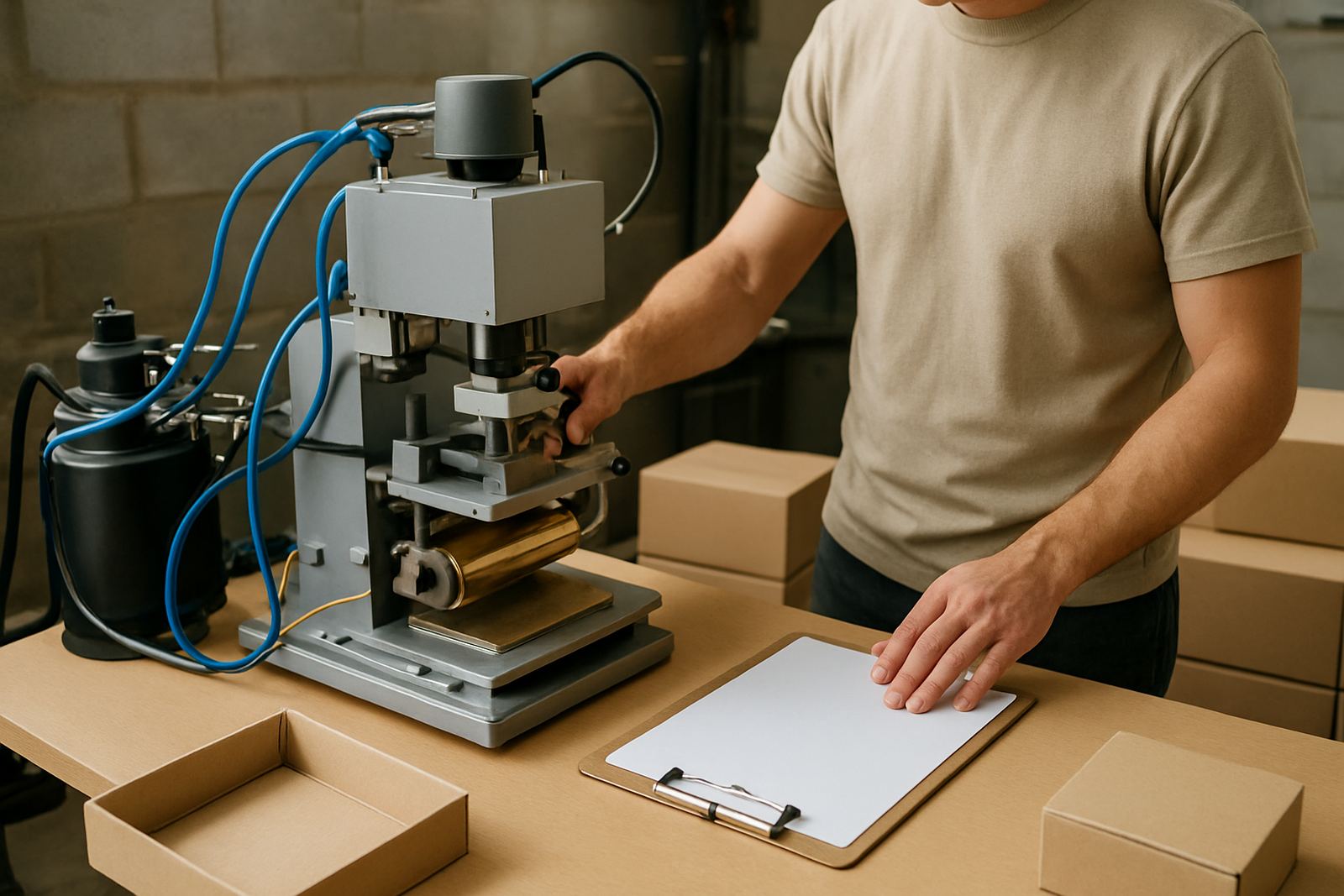
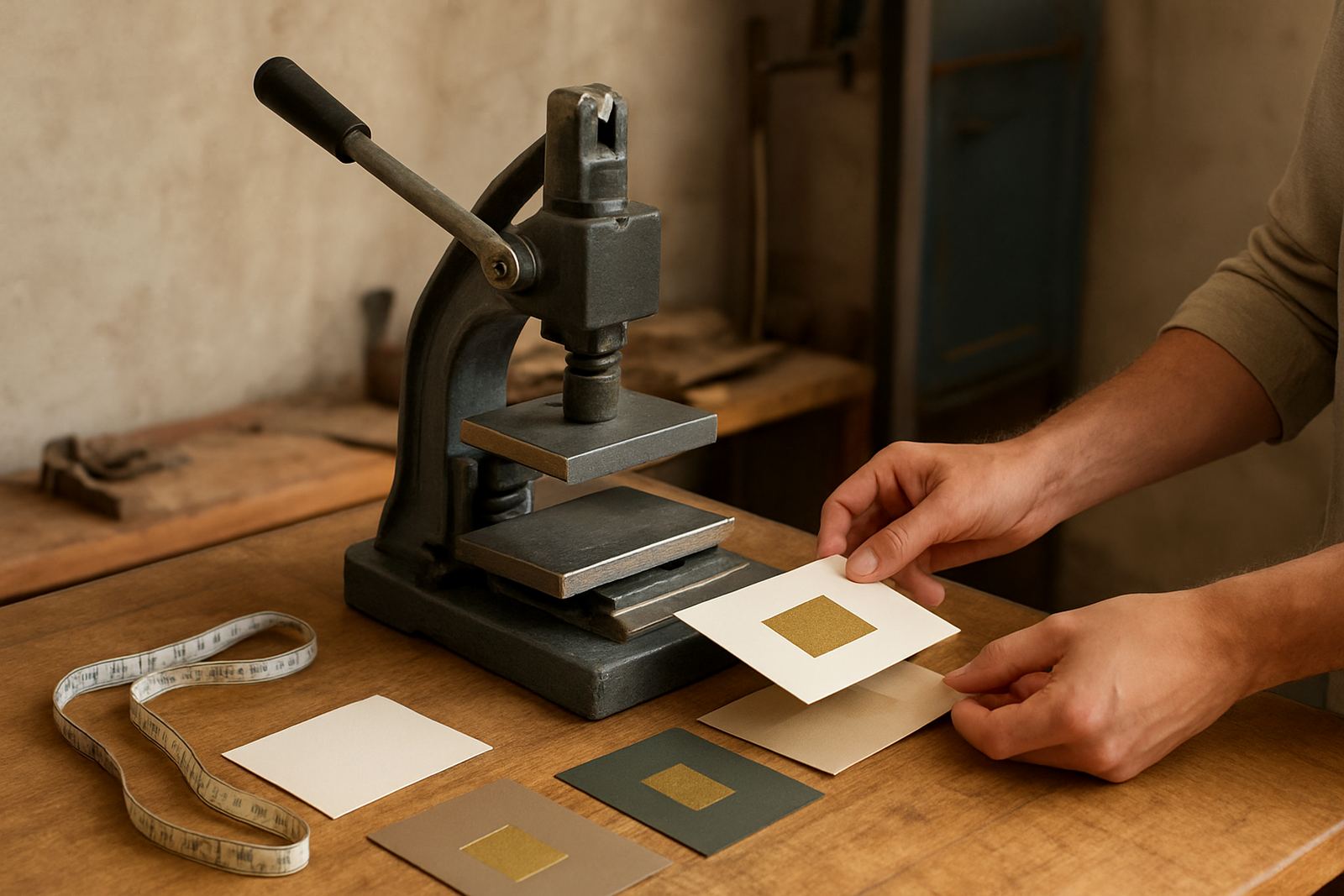
Before you look at machine size or finish options, count what leaves your shop in a normal week. A manual unit works well for short runs, samples, artisan packaging, wedding stationery and limited production where the operator can stay close to the job. It is less suitable when every order needs high repeat speed across long shifts.
Write down your average run length, the number of jobs per day and how often you change plates or dies. If you are in Industria West, Roodepoort or Randburg and your work comes in batches, a manual press may be the right fit. If your team is already chasing deadlines for Sandton or Midrand clients, you need to know whether the extra handling time will slow the line.
- Average pieces per job
- Number of artwork changes per day
- How often the press must be moved or re set
- Whether the same operator can stay on one machine
- How many urgent reprints you handle in a week
Check the operator skill level on your floor
A manual press depends on judgement. The operator must judge pressure, heat, foil pull and paper feed with consistency, and that takes training. If your team has mixed experience, factor in supervision time and the cost of mistakes. A small craft shop in Johannesburg City West may have one skilled person doing multiple roles, while a larger packaging plant in Germiston may need a process that different staff can follow after handover.
Ask whether your team can recognise when the foil is too hot, the die is not square, or the substrate is too soft for the job. If the answer is no, plan for training before the first production run. FoilPress supports operator training, die mounting and pressure setup so your team is not learning through wasted material.
- Can one person set up the press without help?
- Do staff know how to align artwork before heat is applied?
- Is there a backup operator for leave, sick days or shifts?
- Can the team record settings for repeat orders?
Match the press to your materials and foil finish
Not every board, carton or sleeve behaves the same under heat and pressure. A proper checklist should include the substrates you use most often, such as coated board, uncoated card, laminated packaging, labels and specialty presentation stock. If you work with humid storage conditions near the coast or in premises with poor ventilation, you may also see changes in how materials take foil from one season to the next.
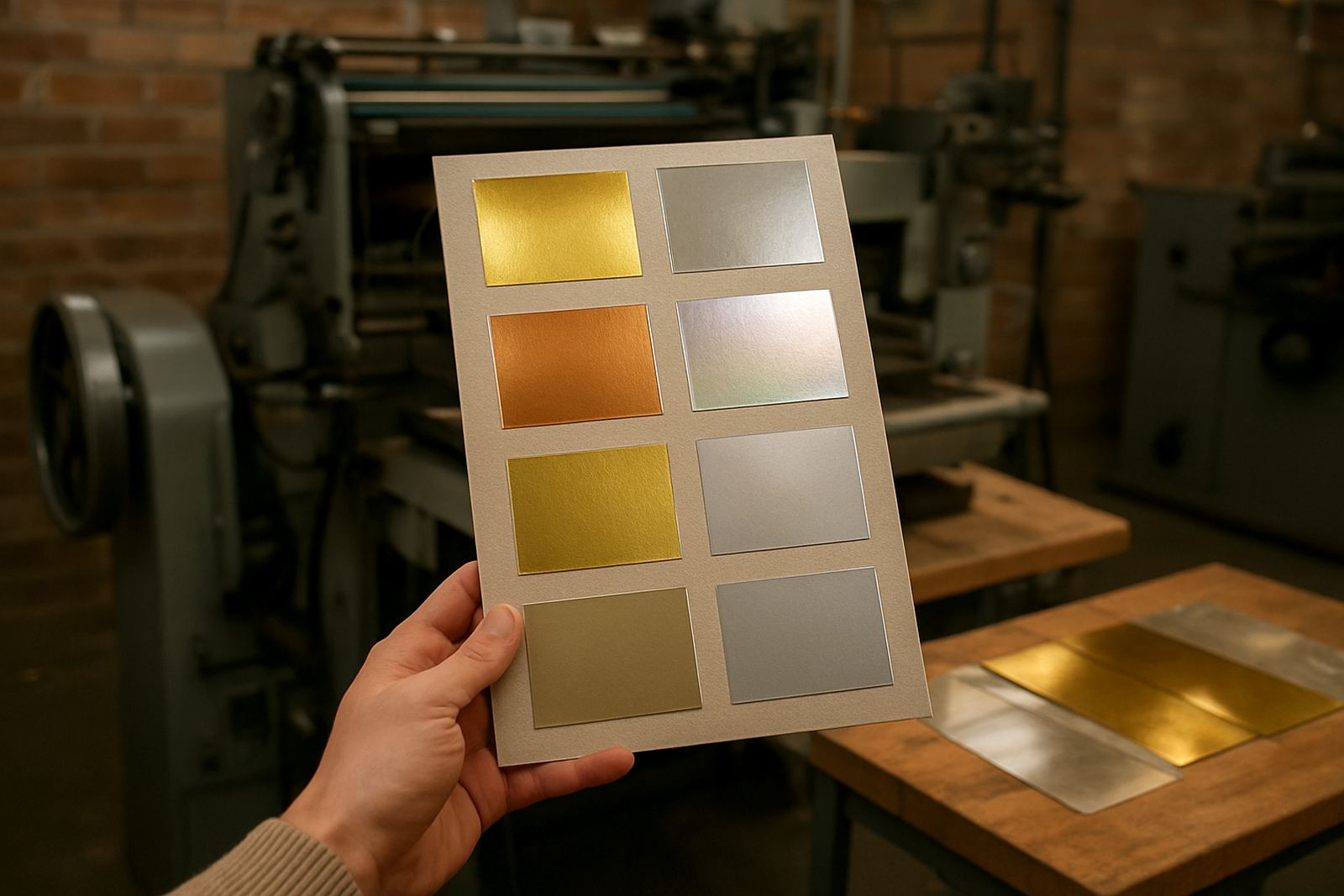
Look at whether the press can hold stable temperature and whether the pressure system gives enough control for fine detail. Foil matching matters too. Some jobs need a bright metallic finish, while others call for a duller tone or better adhesion on textured stock. Test the finish on your standard material, not only on a sample sheet.
- What substrate thickness do you use most often?
- Do you need fine text, solid blocks or both?
- Will the foil hold on coated and uncoated stock?
- Does the finish stay clean after folding, scoring or cutting?
Measure setup time against the job value
A manual machine can be a smart choice when the setup is quick enough to protect your margin. If every changeover takes too long, the labour cost rises fast. This is where many smaller businesses lose money without realising it. A run of 50 premium cartons for a boutique client may justify the setup time, but the same machine can become costly on a stream of tiny orders if the operator is stopping every few minutes.
Track the time needed for heater warm up, die fitting, foil threading, first pull and final approval. Include the time spent cleaning, recording settings and resetting for the next job. In areas with load-shedding or unstable power, add recovery time after interruptions, because a half finished run can affect both alignment and output quality.
If your numbers show that setup eats too much of the day, you may still keep the manual press for samples and special jobs, while sending higher volume work through a different process.
Inspect the workshop before installation day
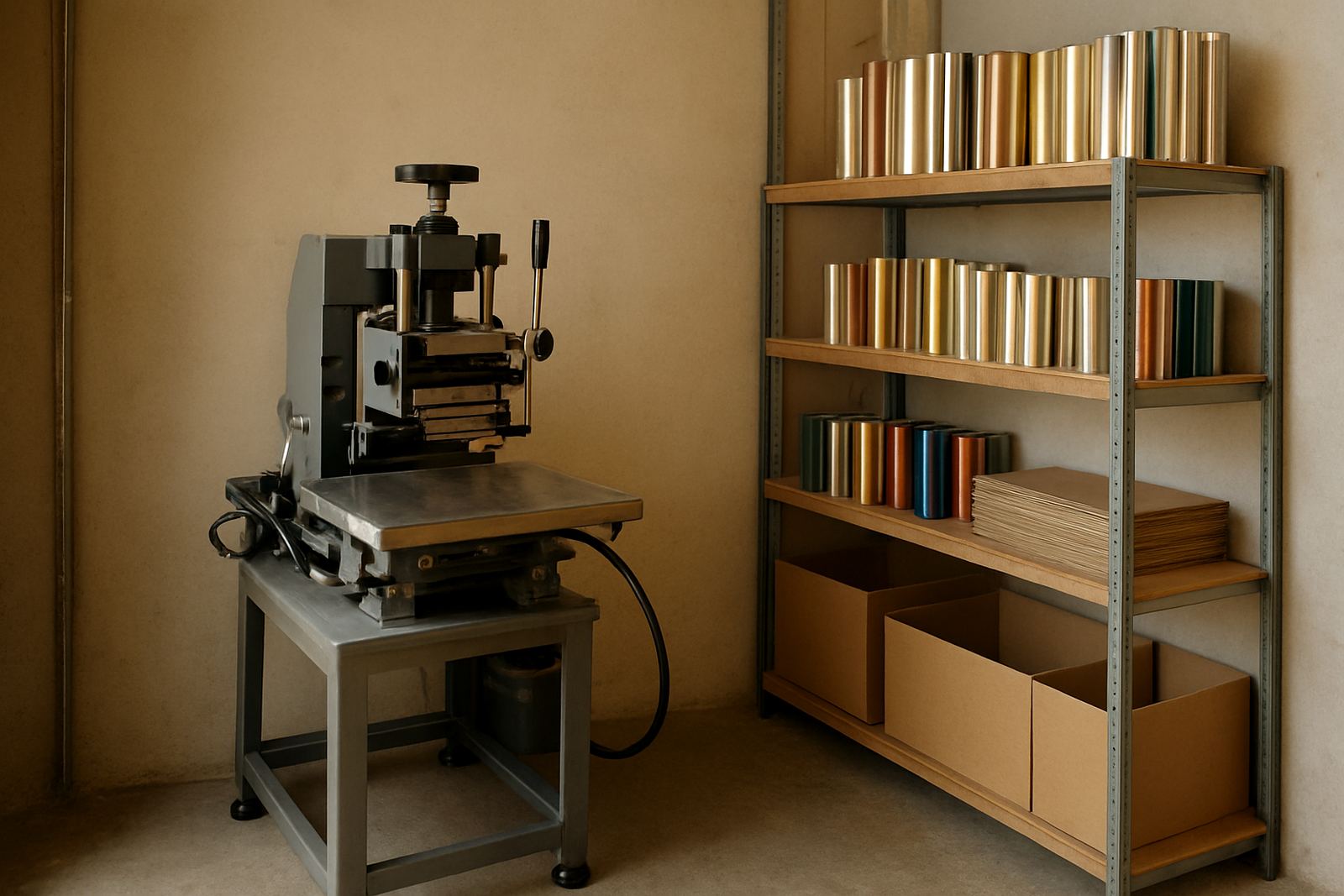
The best press in the world will underperform if the room around it is wrong. Check floor space, bench height, ventilation, power supply and access for moving material in and out. In Industria West and nearby industrial areas, older buildings sometimes have limited electrical capacity or uneven floors, so it helps to measure everything before delivery. You also need enough clear space for foil rolls, dies, cartons and finished stock.
Think about safety and handling. Operators should not have to stretch across hot parts or lift heavy packs from awkward positions. If the press sits near a cutting table or packing line, make sure there is room for one clean workflow. Good layout reduces mistakes and keeps the team moving without unnecessary strain.
- Is there enough clearance around the machine?
- Is the floor level and able to carry the load?
- Can you store foil and dies close by without clutter?
- Is there safe access to power and emergency shut off points?
Plan for servicing, spares and breakdown response
Manual presses still need proper care. A good checklist includes heater calibration, pressure checks, moving part inspection and preventive servicing. If you skip this, small issues turn into downtime. That matters when your client in Sandton wants a rework by Friday or a packaging order from Midrand must leave the same week.
Ask who will handle breakdown repairs, how fast spares can be supplied and whether the workshop can support the machine over time. Keep records of service dates, settings and any recurring faults. If the machine is part of a busy line, one missed day can affect cutting, finishing and dispatch. Regular attention keeps the press predictable and reduces waste.
Use this final yes or no checklist before you buy
Once you have tested the numbers, use a simple final check. If you answer yes to most of these points, a manual press may suit your operation. If not, you may need a different capacity or more support around production.
- Our average job size suits manual handling
- We have a trained operator or a clear training plan
- Our materials have been tested on the press
- Setup time still leaves room for profit
- Our workshop has enough space and power
- We can manage servicing and spare parts properly
If you want help comparing the checklist against your workload, FoilPress works with businesses across Johannesburg, Roodepoort, Randburg, Midrand, Sandton and Germiston, with presses and foils supplied nationwide. A short review now can save weeks of trial and error later.