A compact press for controlled foil work
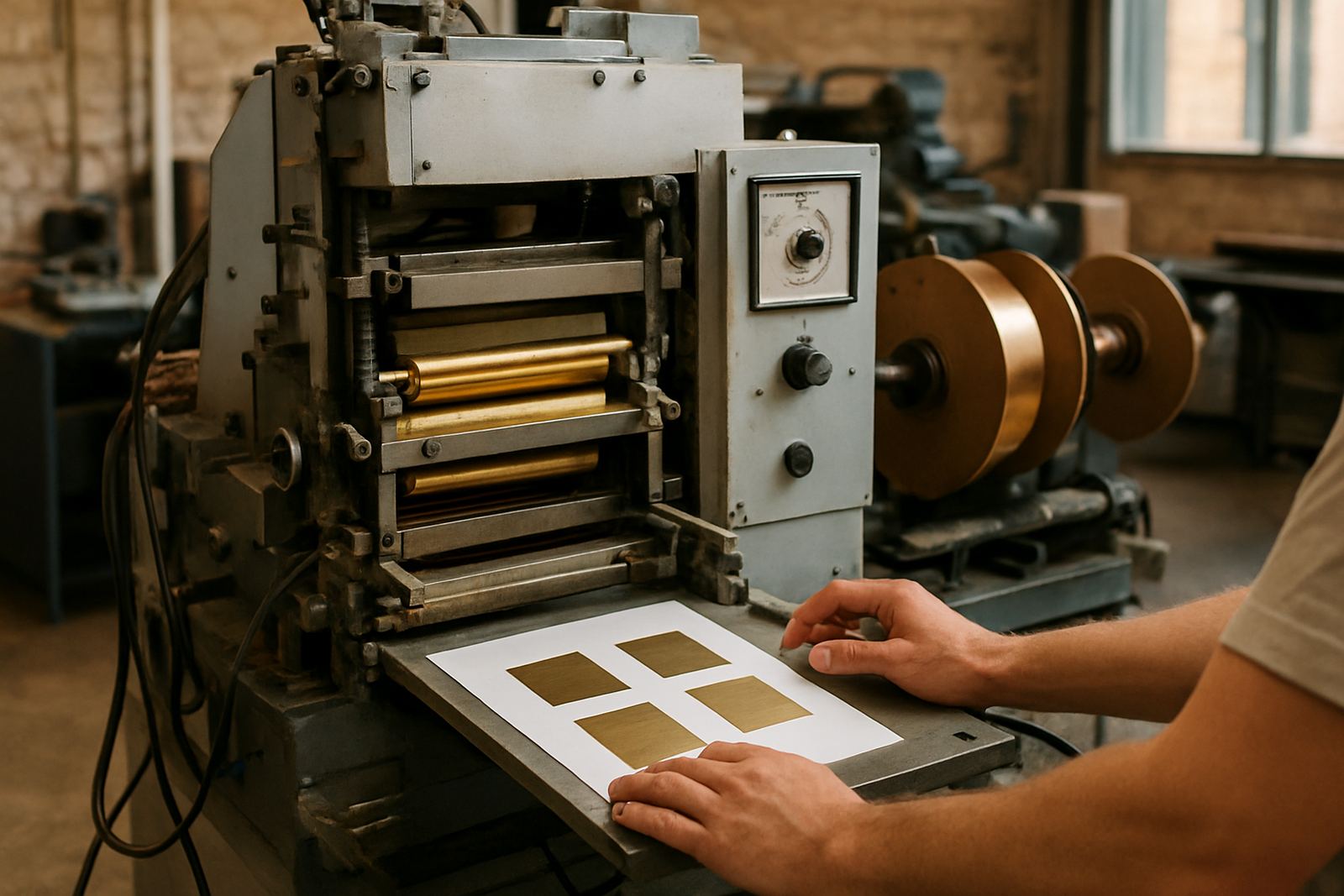
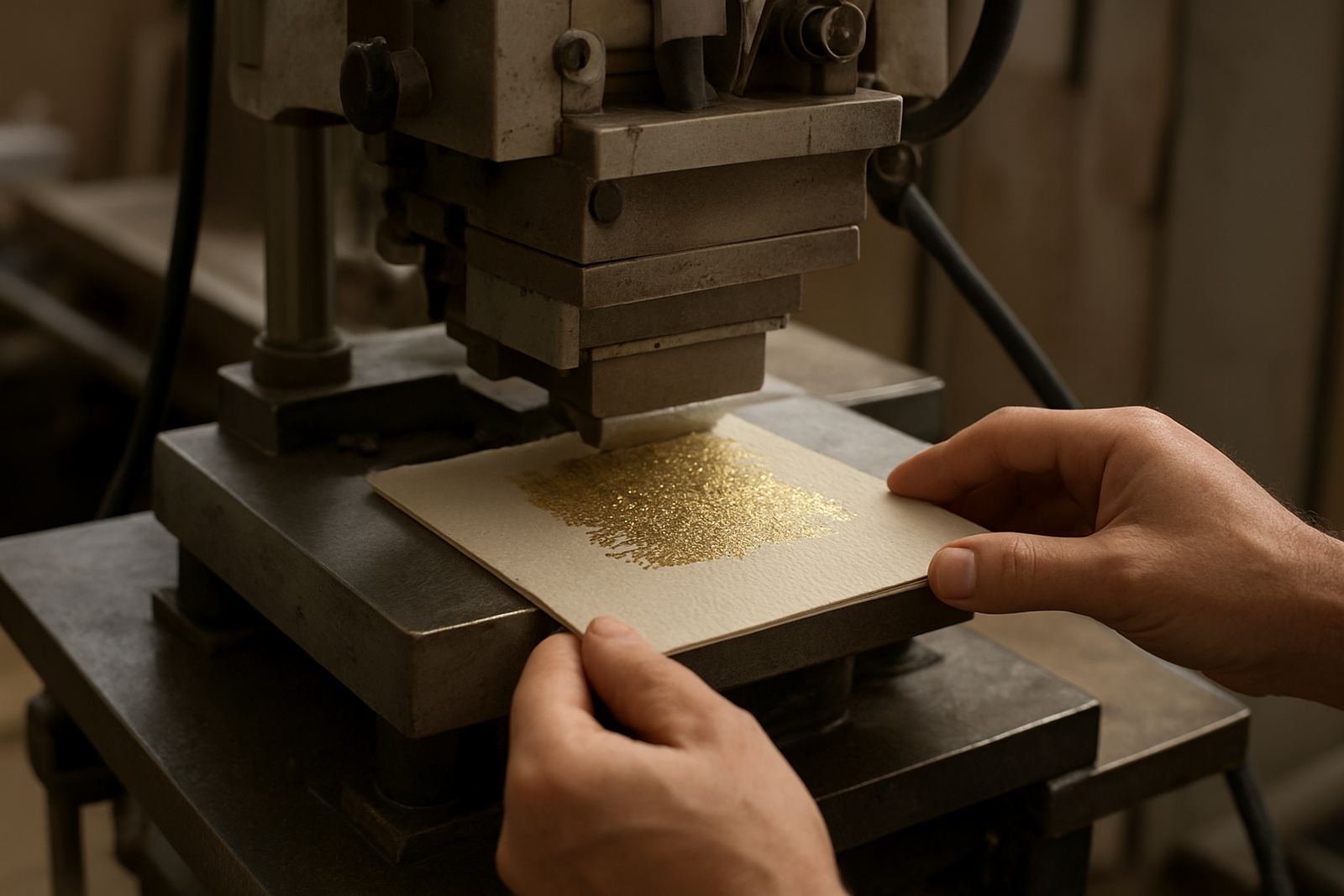
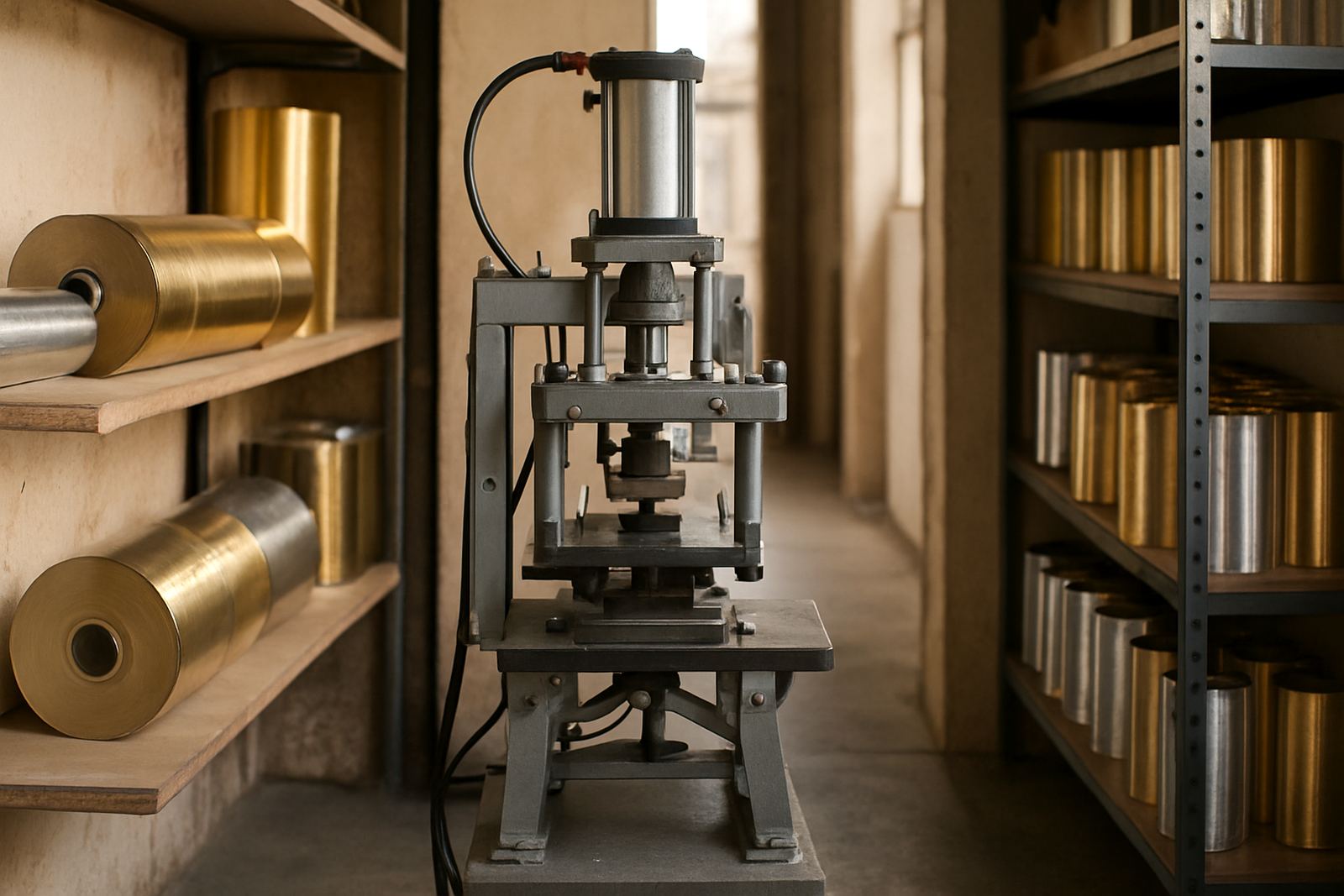
The Compact Pneumatic Press is designed for businesses that need dependable hot-foil stamping without giving up floor space. It uses air pressure to keep the stamping action even, which helps on repeated runs where consistent foil laydown and registration are important. For cardmakers, carton converters and finishing rooms in Johannesburg, Midrand, Roodepoort and beyond, it offers a practical way to add foil detail to labels, sleeves, invitation stock and packaging components.
Because the footprint is modest, the press can fit into smaller production areas, shared workshop spaces or a finishing bay beside cutting and binding equipment. It is also a useful machine for businesses that are growing from manual foil methods and need better output control, less operator strain and more repeatable results. The unit is suited to regular daytime production, but it also helps when power interruptions call for a machine that can resume set-up quickly after load-shedding.
Typical sizes and setup options
FoilPress supplies compact pneumatic units in configurations that can suit different product sizes and output needs. Depending on the application, the machine can be set up for small card work, medium format packaging pieces or mixed finishing jobs. The press bed, platen size and working area should always be matched to the largest item you want to stamp, with allowance for die placement and safe operator handling.
Common options are chosen around job size, pressure range and table layout. If your work is mostly small cards and tags, a tighter working area may be enough. If you handle folded cartons, sleeves or layered board, a wider bed and stronger support table may be better. The exact spec should be confirmed before ordering so the machine fits your workflow and the foils you use day to day.
- Small format option for cards, tags and labels
- Medium format option for folding carton pieces and sleeves
- Adjustable working table for repeat set-ups
- Pressure and dwell controls for different stock thicknesses
Where this press suits best
This model suits businesses that want clean foil finishes on short to medium runs, with enough flexibility to handle different papers and boards. It is a strong fit for craft studios, print finishing rooms, packaging workshops and manufacturers doing branded presentation items. In coastal areas it also helps to keep production moving on humid days, provided foil and stock are stored correctly and the machine is cared for regularly.
It works well for businesses producing business cards, invitation covers, presentation folders, carton sleeves, swing tags and premium promotional pieces. If your team needs a press that can give steady results without needing a large industrial floor area, this is a sensible option. It is not only about size, it is about getting repeatable pressure and heat where it counts.
- Card and invitation work
- Short-run packaging and sleeves
- Premium tags and labels
- Workshop spaces with limited floor area
Installation, air supply and power needs
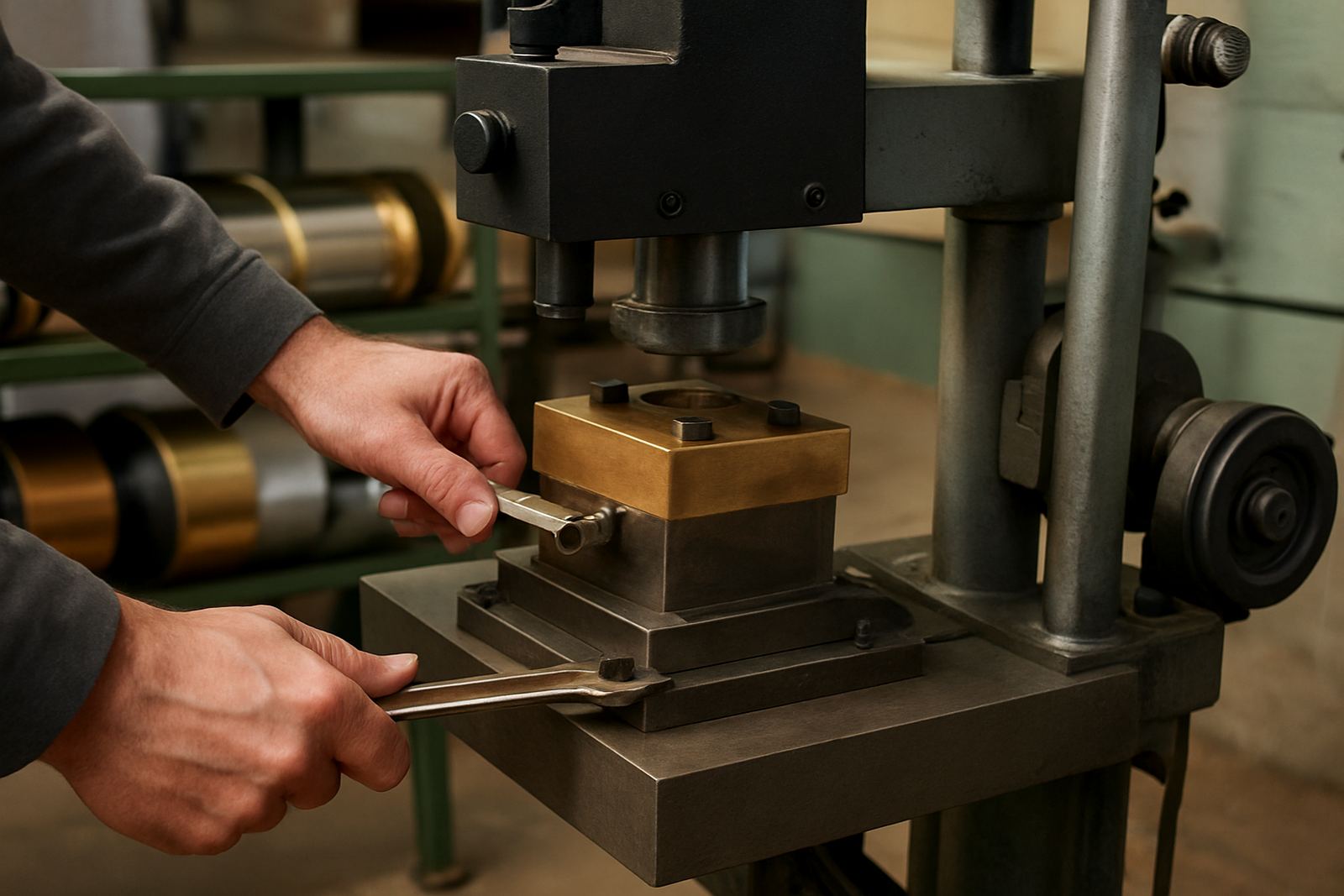
Proper installation matters for both performance and safety. The press should sit on a level surface with enough clearance around the sides and rear for maintenance and operator movement. A trained installer should check the electrical supply, heater settings, air line connections and working height before the machine enters production. In premises with shared electrical loads, it is worth planning the install around the rest of the workshop equipment so you avoid nuisance trips.
As a pneumatic press, it needs a reliable compressed air supply of the correct pressure and flow. The compressor should be sized to keep up with the duty cycle of the press, not just the startup demand. Clean, dry air is important because moisture can affect valves and controls. Where air lines run long distances, pressure drop should be checked. The heater and control system must also be matched to the site supply, especially where voltage variation or load-shedding recovery can affect start-up.
- Level, stable installation surface
- Correct compressed air supply with dry filtration
- Suitable electrical supply for heater and controls
- Enough clearance for safe access and servicing
Care, servicing and production uptime
Regular care helps the press keep its accuracy and reduces avoidable stoppages. Operators should keep the platen, die area and foil path clean and free from paper dust, adhesive residue and loose offcuts. Heater calibration should be checked at service intervals because heat consistency has a direct effect on foil transfer and finish quality. Pressure setup also needs review when you change stock thickness or move from one job type to another.
Preventive servicing is especially useful for busy shops in areas like Industria West, Sandton and Germiston where the machine may run across different shifts or on mixed jobs. Worn seals, air leaks, loose fittings and tired heating components can all lead to uneven output if left too long. A planned service schedule gives you a better chance of avoiding breakdown repairs during a rush order.
- Keep the die area clean after each run
- Check air lines, filters and fittings regularly
- Review heater calibration on a set service cycle
- Replace worn spares before they affect output
What to confirm before you order
Before placing an order, it helps to confirm the exact job sizes, stock types and production volume you need to handle. The right press for a small craft line may be different from the one needed for a packaging plant. You should also confirm the die size, the foil type, how often the machine will run, and whether your team needs training on set-up and daily checks. If you are working with coated board or heavier packaging stock, mention that early so the pressure range and working area can be matched properly.
It is also worth checking the site conditions in advance. Measure the access route into the workshop, confirm the power point location, and make sure the compressor can be positioned without causing noise or heat problems. If you are replacing an older unit, note the old machine's working size and the issues you want to fix. That information helps with foil matching, spares planning and production optimisation from day one.
- Largest item size to be stamped
- Stock types and thicknesses
- Daily or weekly production volume
- Available power and air supply
- Operator training and servicing needs
Key facts
| Press type | Compact pneumatic hot-foil stamping press |
|---|---|
| Working use | Card, packaging and short-run finishing |
| Footprint | Small footprint for tighter production spaces |
| Control | Heat and pressure settings for repeatable output |
| Utilities | Electrical supply and compressed air required |
| Support | Installation, training, servicing and spares from FoilPress |