Built for repeatable foil work on smaller production lines
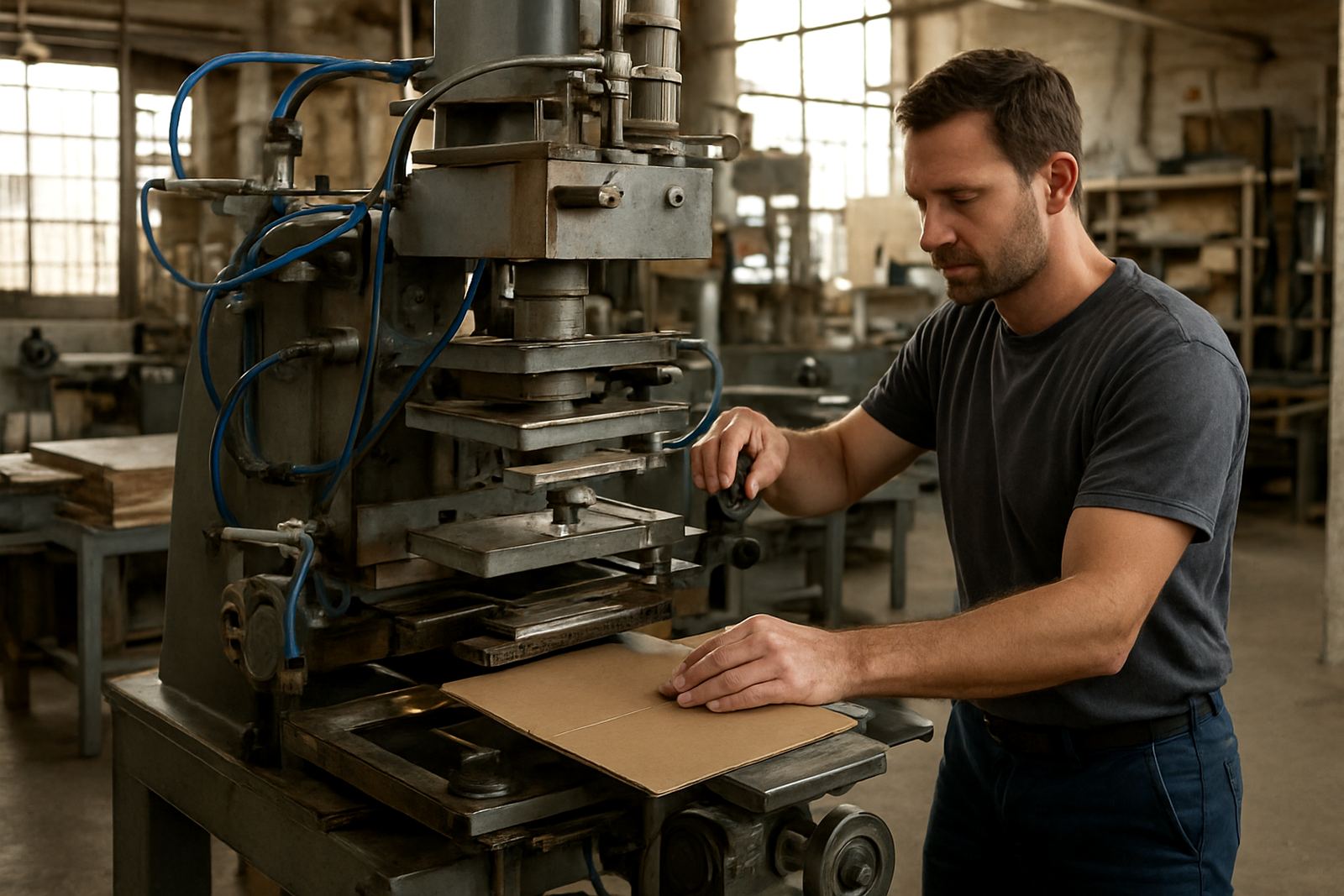
An entry pneumatic press uses compressed air to drive the stamping cycle, which gives steadier pressure than a purely manual setup. That matters when you are running short packaging runs, wedding stationery, labels, swing tags or carton accents and need the same finish from the first sheet to the last. The machine is suited to operators who want better control without moving straight into a large-format system.
For many Johannesburg and Gauteng shops, this is the point where foil work starts becoming a proper production line rather than a once-off job. It helps reduce hand fatigue, improves alignment and makes it easier to keep quality up when orders grow and deadlines tighten.
Typical sizes, working area and practical options
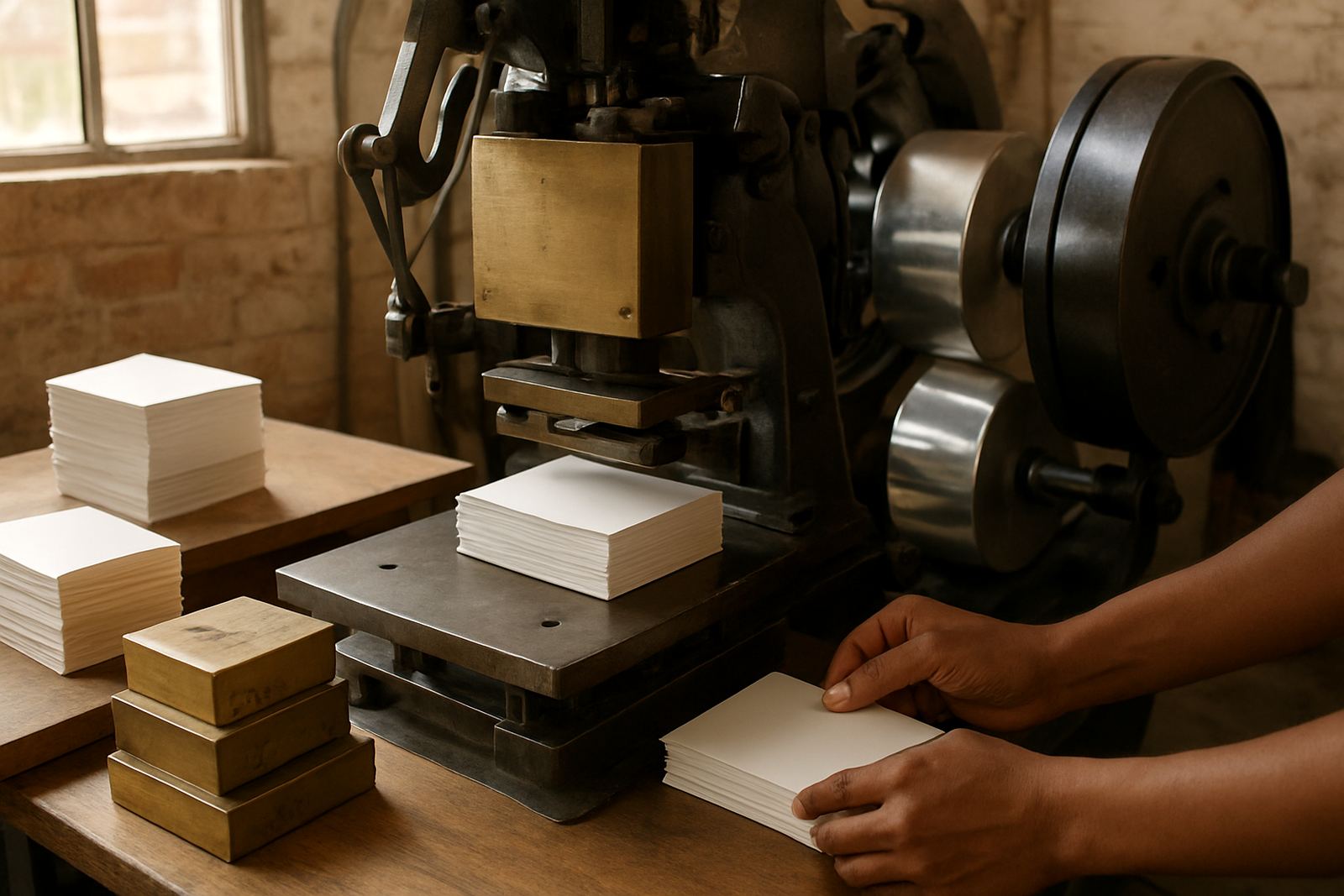
Entry pneumatic presses are usually chosen for compact footprints and manageable tooling changeovers. The working area can suit smaller dies or mid-sized artwork, depending on the job mix. On most orders, customers ask for a press that can handle common card stock, coated board, folding carton work and selected synthetic materials with the right heat and pressure settings.
- Compact working sizes for small to medium foil jobs
- Adjustable temperature control for different foils and substrates
- Pressure regulation for lighter papers and heavier board
- Timer control for more consistent dwell time
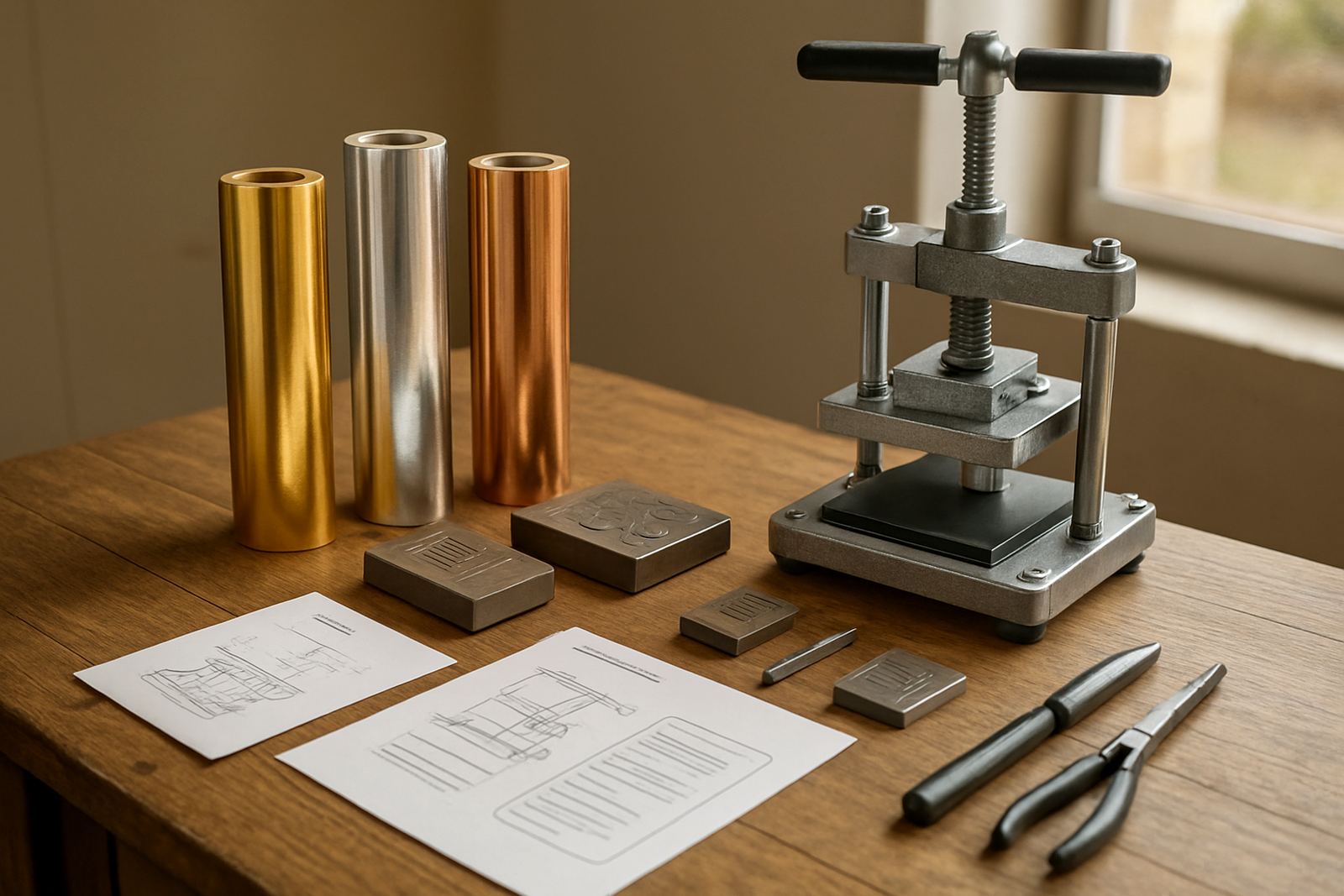
- Optional interchangeable platens or fixture plates for repeat jobs
If your work includes seasonal packaging, short runs for local brands, or mixed stationery orders, it helps to match the platen size to the biggest repeat job rather than the smallest one. That avoids squeezing work onto a press that is too tight for proper registration.
Where an entry pneumatic press suits best
This type of press suits businesses that need cleaner repeatability but are still watching power use, floor space and operating costs. It works well for print and packaging workshops in Industria West, Roodepoort, Randburg, Midrand, Sandton and Germiston, as well as regional operators supplying nationwide. Craft studios and contract finishers also use it where foil detail adds value without needing a fully automated line.
It is a good fit for shops producing invitation cards, premium swing tags, cosmetic cartons, gift packaging, presentation folders and short-run promotional pieces. If your team already understands registration marks, foil selection and substrate preparation, the press can lift output noticeably without a steep learning curve.
Installation, power supply and compressed air needs
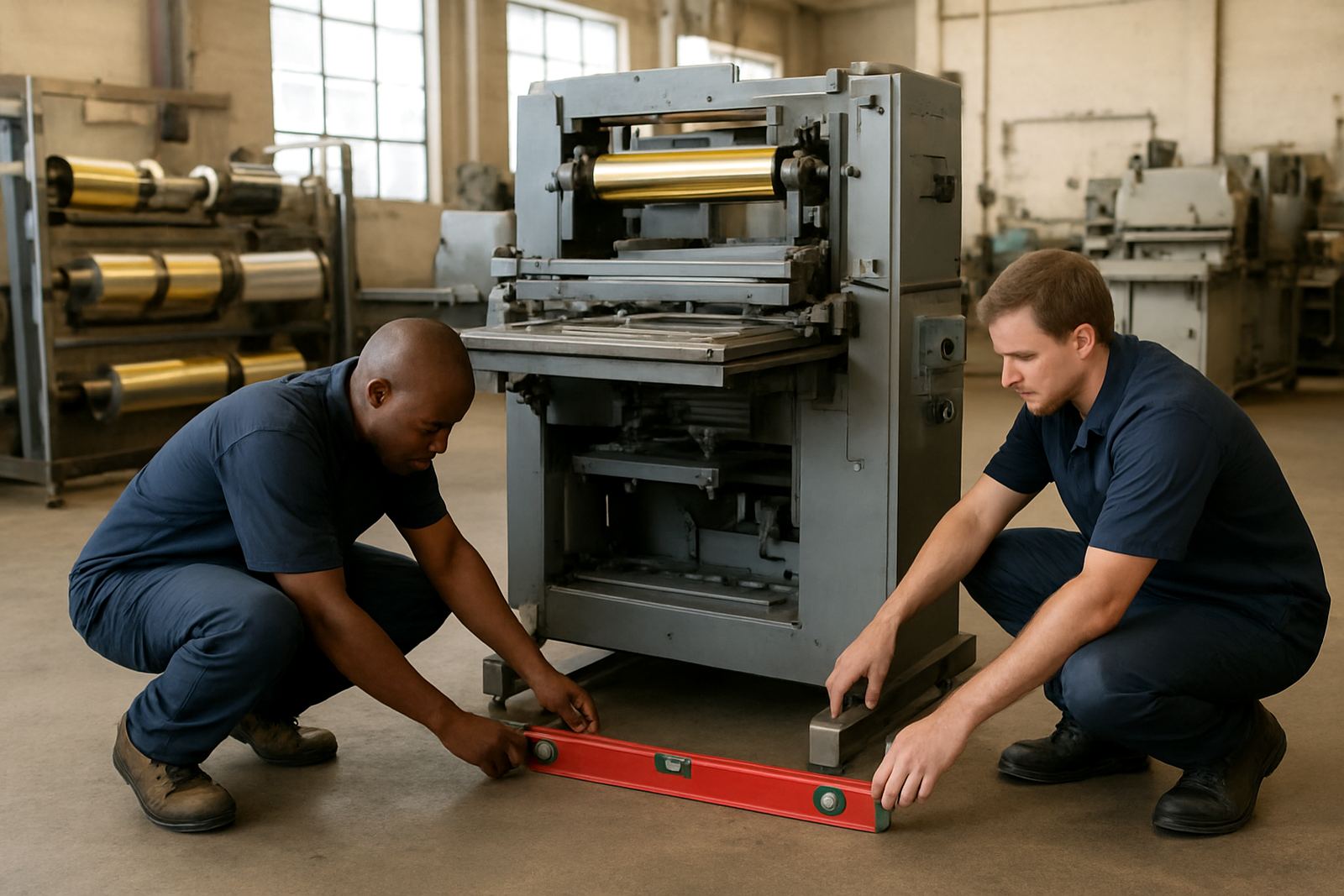
Before installation, check floor space, access for lifting, electricity supply and air availability. Pneumatic presses normally need a stable compressed air supply and a suitable electrical feed for heat control and controls, so site prep should be done properly before delivery. In many South African workshops, it also helps to plan around load-shedding by confirming what can restart cleanly after power is restored.
- Level floor with enough space for operator movement and material handling
- Single-phase or three-phase supply depending on the selected model
- Dry, filtered compressed air to protect valves and improve consistency
- Safe clearance around heaters and moving parts
- Ventilation for heat and foil fumes in enclosed rooms
On coastal sites, humidity can affect foil release and paper condition, so storage and conditioning matter. In Pretoria or the Highveld, the air is drier but dust control becomes important. A proper install should take both into account, not just the machine itself.
Care, servicing and day-to-day checks
Like any press that runs heat, pressure and moving parts, this machine needs regular attention. Keep guides clean, check air lines for leaks, inspect heaters and wiring, and make sure the pressure settings stay within the range recommended for the job. Small changes in temperature or dwell time can show up as patchy foil, weak transfer or over-pressed board.
We recommend planned servicing rather than waiting for a breakdown. That usually includes heater calibration, pressure setup, die mounting checks and inspection of seals, cylinders and safety controls. For busy workshops, a short weekly check and a fuller service at set intervals can save time and waste later. It also helps the operator log common settings for each substrate, so the next run starts from a known point.
What to confirm before you order
Before placing an order, it helps to confirm the real job profile rather than only the brochure size. A press should suit the biggest repeated job, the foil types you use and the level of finishing you expect. Ask about spare parts, operator training and whether the machine can be set up for your current workflow without major changes.
- Largest die size you plan to run regularly
- Substrates used most often, including coated board or carton stock
- Preferred voltage and available compressed air supply
- Required output per shift and typical run length
- Whether you need setup help, training, or maintenance cover
- Space for material infeed, offload and finished stacking
If you are not sure, send through sample sizes and photos of the current setup. That makes it easier to match the press to the actual job, not just the idea of the job. A quick check now can prevent costly changes later on, especially where floor space is tight.
Key facts
| Type | Entry pneumatic hot-foil press |
|---|---|
| Use | Card, stationery and light packaging |
| Pressure | Air-driven, adjustable by job |
| Temperature | Heat-controlled for foil and board |
| Power | Depends on selected model and site setup |
| Support | Installation, training, servicing and spares supply |