What a large format press does on the production floor
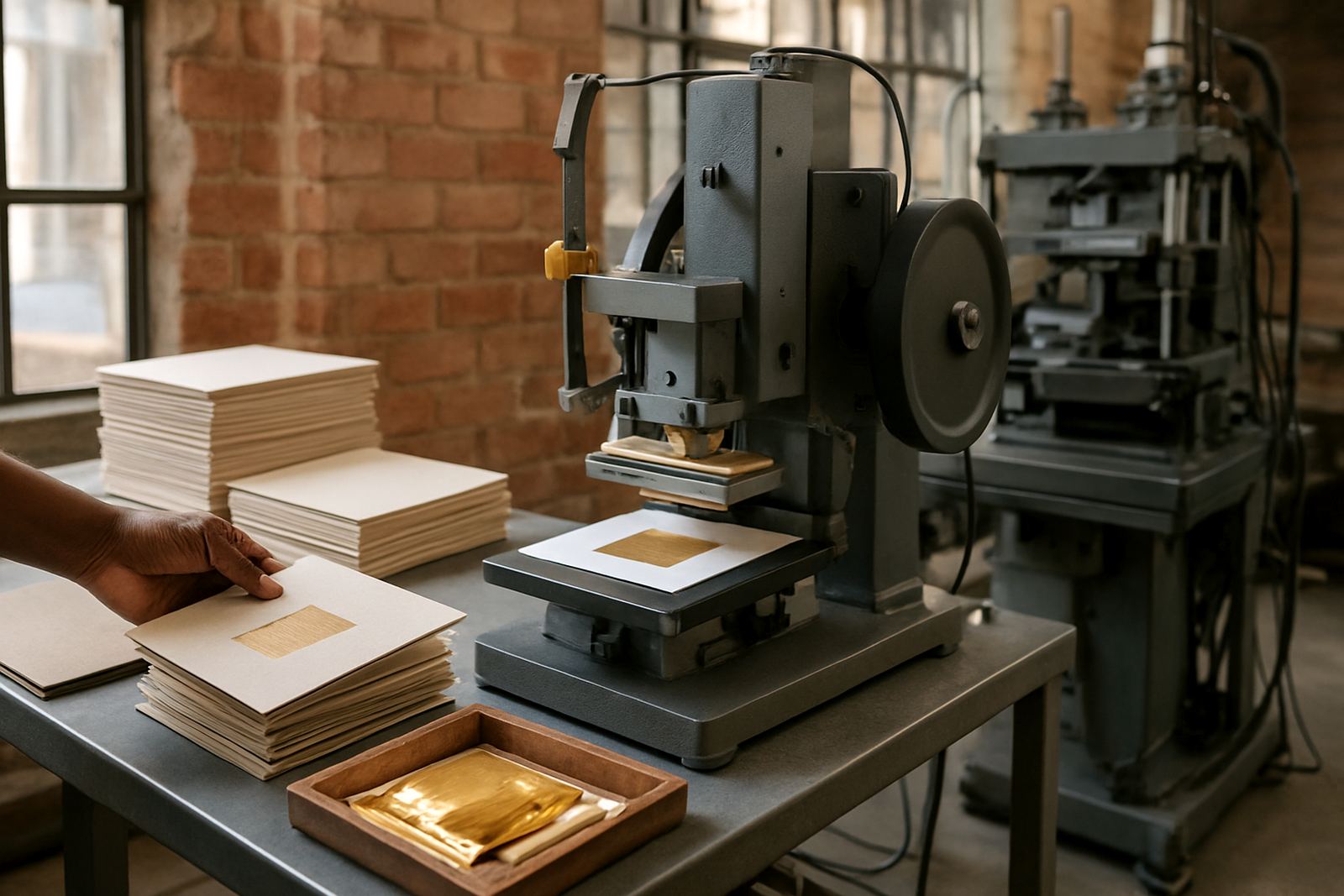
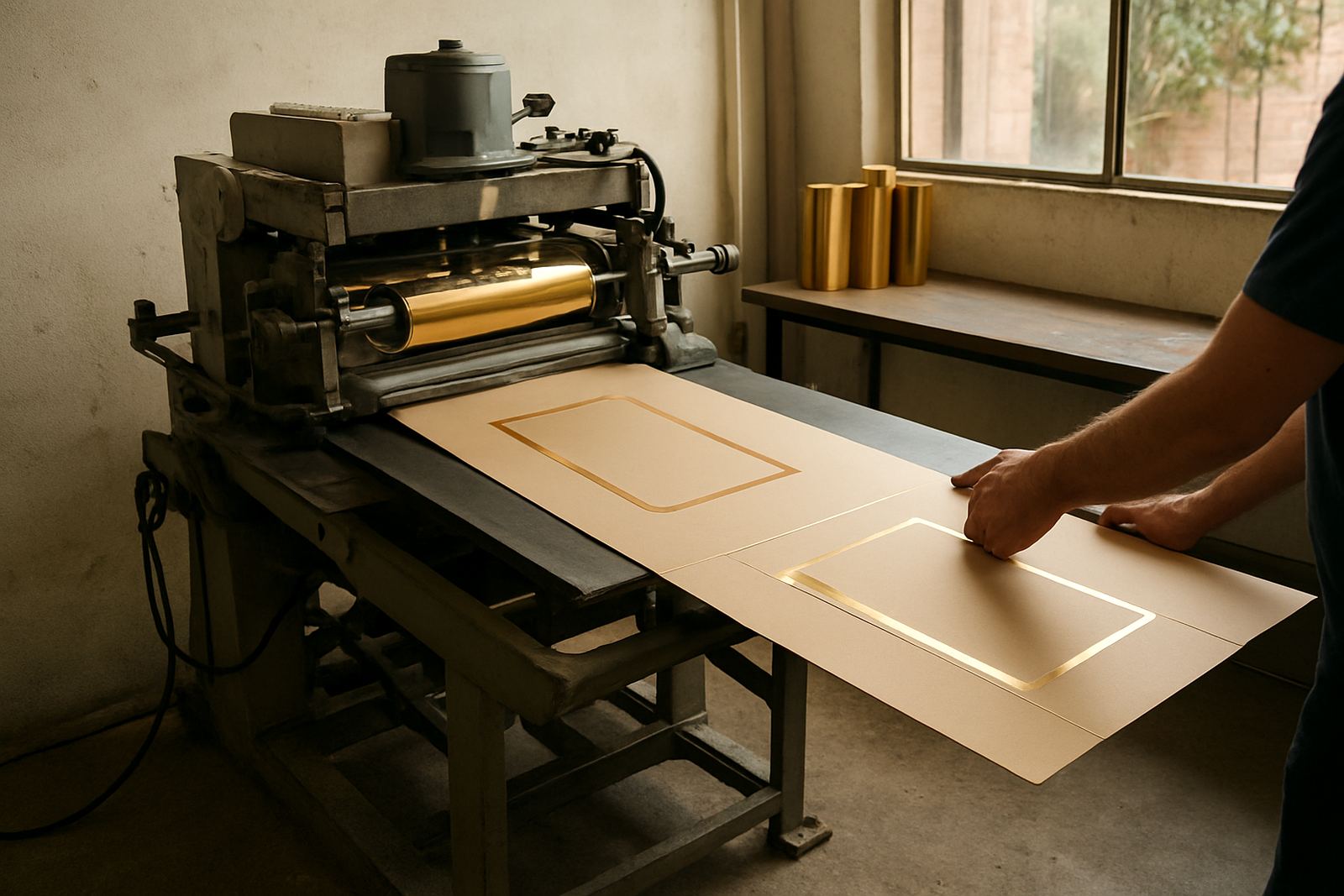
A large format hot-foil press is built for bigger workpieces than a standard foil stamper can handle. The wider bed and larger platen give you room for carton fronts, sleeve wraps, cover panels, display pieces and promotional items that need clean foil placement across a larger area. For packaging work, that extra space matters because it reduces the need to split artwork into smaller sections and helps keep registration under control.
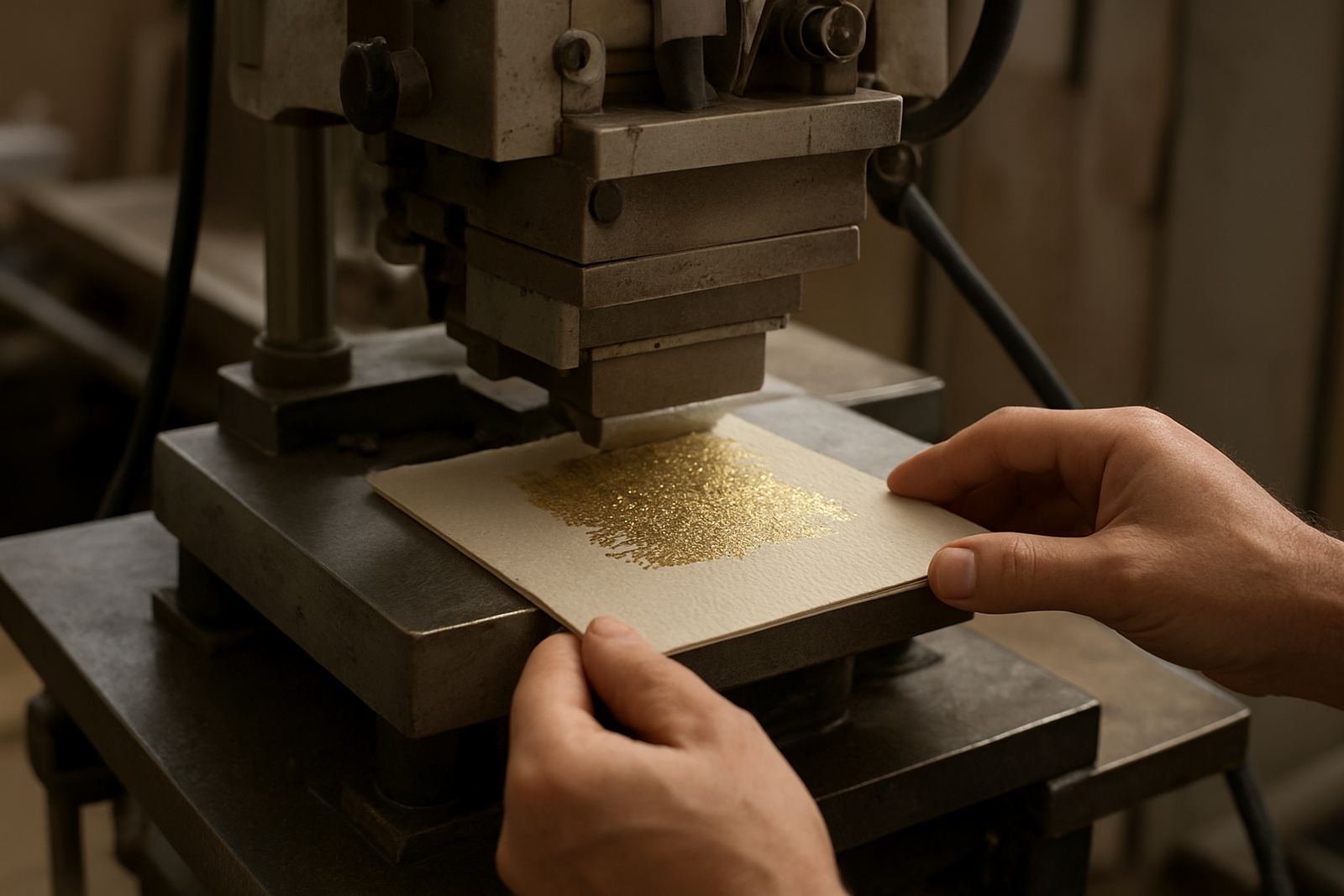
FoilPress large format machines are used where the finish must stay sharp across a broad surface. That includes short runs for craft packaging, medium runs for print finishing teams, and higher volume output for manufacturers that need dependable turnaround. In practice, the machine needs to heat evenly, hold pressure across the full bed and recover quickly between cycles, especially when the workshop is under load during peak season.
- Designed for oversized cartons, sleeves, folders and promo items
- Suitable for foil only, or foil with embossing where the job allows it
- Built for repeat work where colour, pressure and position must stay consistent
Sizes, bed options and working area choices
Large format presses are usually selected by working area first, then by output speed and tooling needs. A business making small luxury boxes may not need the widest bed, but once you start handling larger packaging panels or display boards, the extra room saves time and reduces handling errors. We help clients compare the actual usable area, not just the outer machine size, because clamping space and platen travel affect what you can really run.
Common options include flat-bed machines with extended platen sizes, heavier frames for continuous production, and heated systems that keep foil transfer stable over wide areas. Some users also need deeper throat clearance for shaped packaging parts or thicker board stacks. If you are running mixed jobs, it is worth checking whether the press can take both fine detail and larger solid areas without losing definition at the edges.
- Extended bed sizes for larger sheets and panels
- Heated platen control for even foil transfer
- Options for deeper clearance on thicker material stacks
- Manual or assisted feed arrangements depending on output needs
Where a large format press suits best
This type of press works best in packaging plants, print finishing workshops, sign and display production, and any operation that regularly handles bigger decorative pieces. In Johannesburg, Roodepoort and Midrand we see strong demand from packaging teams working on presentation boxes, food and gift cartons, and branded inserts. In Sandton and Randburg, the same machine often goes into promotional production where presentation quality matters on event pieces and corporate sets.
Coastal humidity is also a factor for some clients outside Gauteng, especially when foil stock is stored for long periods. A well set press helps, but the material still needs proper storage in a dry area. If your site handles municipal or export packaging, consistent finishing helps keep the brand look tidy across batches, which is important when the artwork must match from one run to the next.
- Packaging converters and carton makers
- Print finishers handling presentation pieces and sleeves
- Promotional product manufacturers and contract finishers
- Plants needing steady foil results across larger surfaces
Installation, power supply and workshop setup
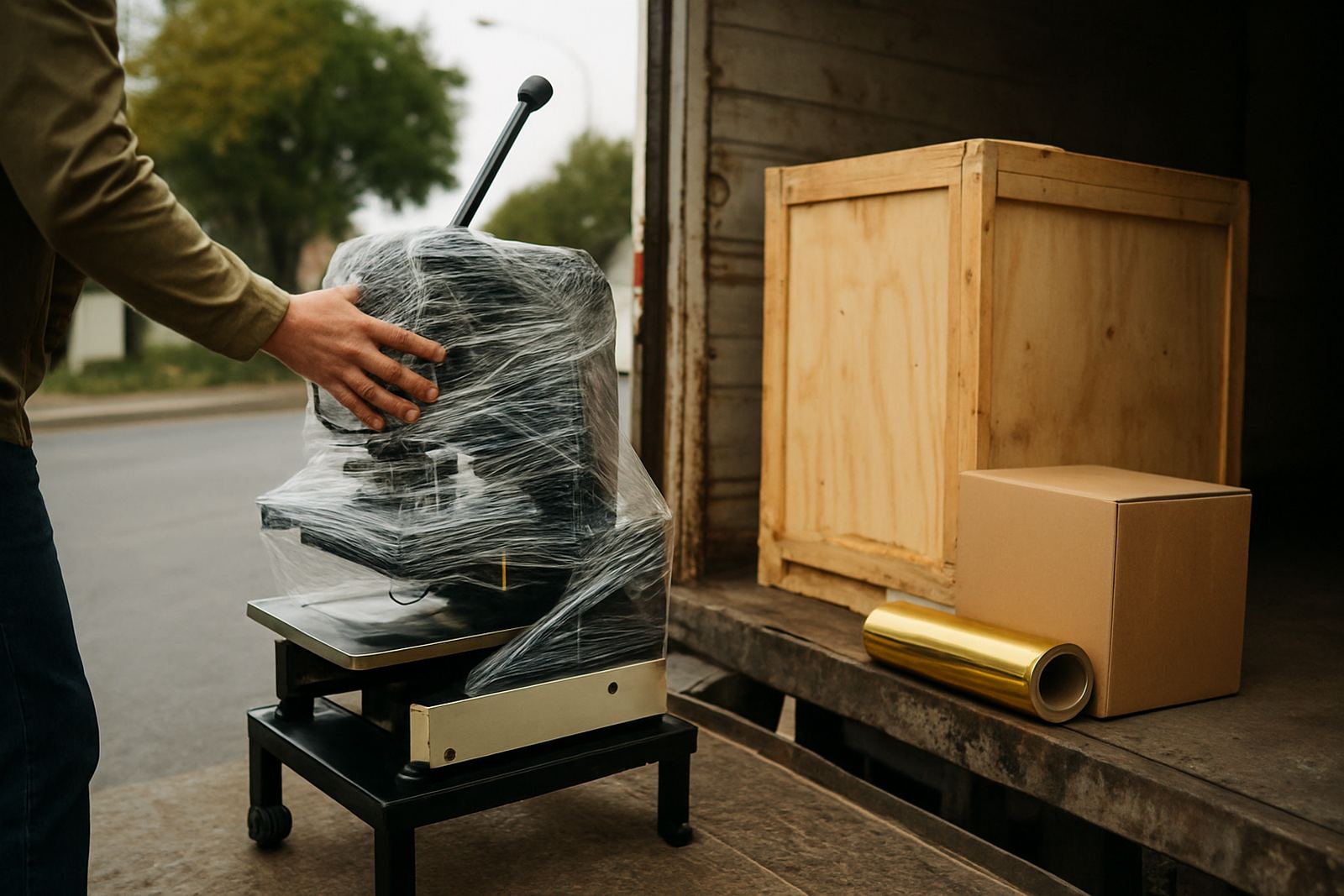
Large format presses need proper floor space, safe access around the machine and a power supply that matches the heater load and control system. Before installation, we check the site layout, the access route for moving the machine in, and whether the workshop floor can take the weight without issue. If the unit must be placed near other finishing equipment, allowance should be made for loading space, die handling and operator movement.
Power requirements vary by model, but most sites should plan for a stable electrical supply and surge protection, especially in areas affected by load-shedding or voltage dips. Some clients also ask about compressed air for auxiliary functions, depending on configuration. Good installation work starts with level mounting, correct heater calibration, pressure setup and a first-run test on the actual material you use. That saves trouble later and keeps the press from working against bad setup conditions.
- Check floor space, access doors and turning space before delivery
- Confirm electrical capacity and surge protection for the heater load
- Plan for any air supply needs if the selected model uses it
- Use a proper test run on your board, foil and tooling before production starts
Keeping pressure, heat and foil release under control
Like any finishing machine, a large format press works best when the settings stay stable. Heat should be checked across the platen, pressure must be even from side to side, and the die must sit correctly so the image transfers cleanly. If one side of the bed runs hotter or tighter than the other, you can get weak foil, patchy coverage or edge marks on wider sheets. That is why regular servicing matters on bigger machines, not only when something stops working.
Foil matching also affects results. Different substrates, coatings and line weights need different foil grades and release behaviour. A job that works well on coated board may need a different setup on uncoated stock, soft touch laminate or printed film. Good workshop practice means keeping notes on successful settings, then repeating those settings when the same pack comes back for another run.
- Check heater calibration at planned service intervals
- Inspect pressure points, guides and moving parts for wear
- Keep die mounting surfaces clean and flat
- Store foil in a dry room away from dust and direct sun
What to confirm before you order
Before ordering, it helps to confirm the product sizes you print most often, the thickness of the board or packaging, the finish you want, and the volume you need per shift. A small craft business may need a wider bed for special orders, while a larger manufacturer may care more about cycle stability and service access. You should also confirm whether your artwork uses fine lines, solid blocks or a mix of both, because that changes the die and foil setup.
It is also worth checking who will use the machine each day. If the operator team is changing often, training becomes part of the buying decision. FoilPress assists with installation, operator training, preventive servicing, breakdown repairs, spares supply and production optimisation from Industria West in Johannesburg, with support across Roodepoort, Randburg, Midrand, Sandton and Germiston. If you need help matching a machine to your job list, send the sheet size, material details and monthly run numbers before making the final call.
- Sheet and panel size you need to cover
- Material type, coating and thickness
- Expected output per shift or per week
- Power supply and floor space at your site
- Need for embossing, foil only, or mixed work
Key facts
| Product type | Large format hot-foil stamping press |
|---|---|
| Typical use | Oversized packaging panels, cartons, promotional pieces and presentation work |
| Working area | Extended bed sizes available, selected to suit the job and material format |
| Heating | Controlled platen heating for consistent foil transfer |
| Installation support | Site check, positioning, setup, heater calibration and first-run testing |
| Service support | Preventive servicing, operator training, repairs, spares and production optimisation |