Foil selection that suits the board, not just the artwork
Foil selection starts with the substrate. A smooth coated card will take a different foil to an uncoated kraft board, and a packaging board with a light lacquer behaves differently again. We look at the actual material you are running, the press type, the impression pressure and the sort of edge definition you need before recommending a foil grade.
For clients in Johannesburg, Roodepoort, Randburg, Midrand, Sandton and Germiston, we often test for board caliper, surface porosity and coating release. That is where many foil jobs go wrong. A foil that looks perfect on a sample sheet can lift, haze or lose detail when you move into full sheet production or longer runs. We help prevent that from the start.
- Board type checks: coated, uncoated, textured or laminated
- Artwork review: solid coverage, fine type, borders and small logos
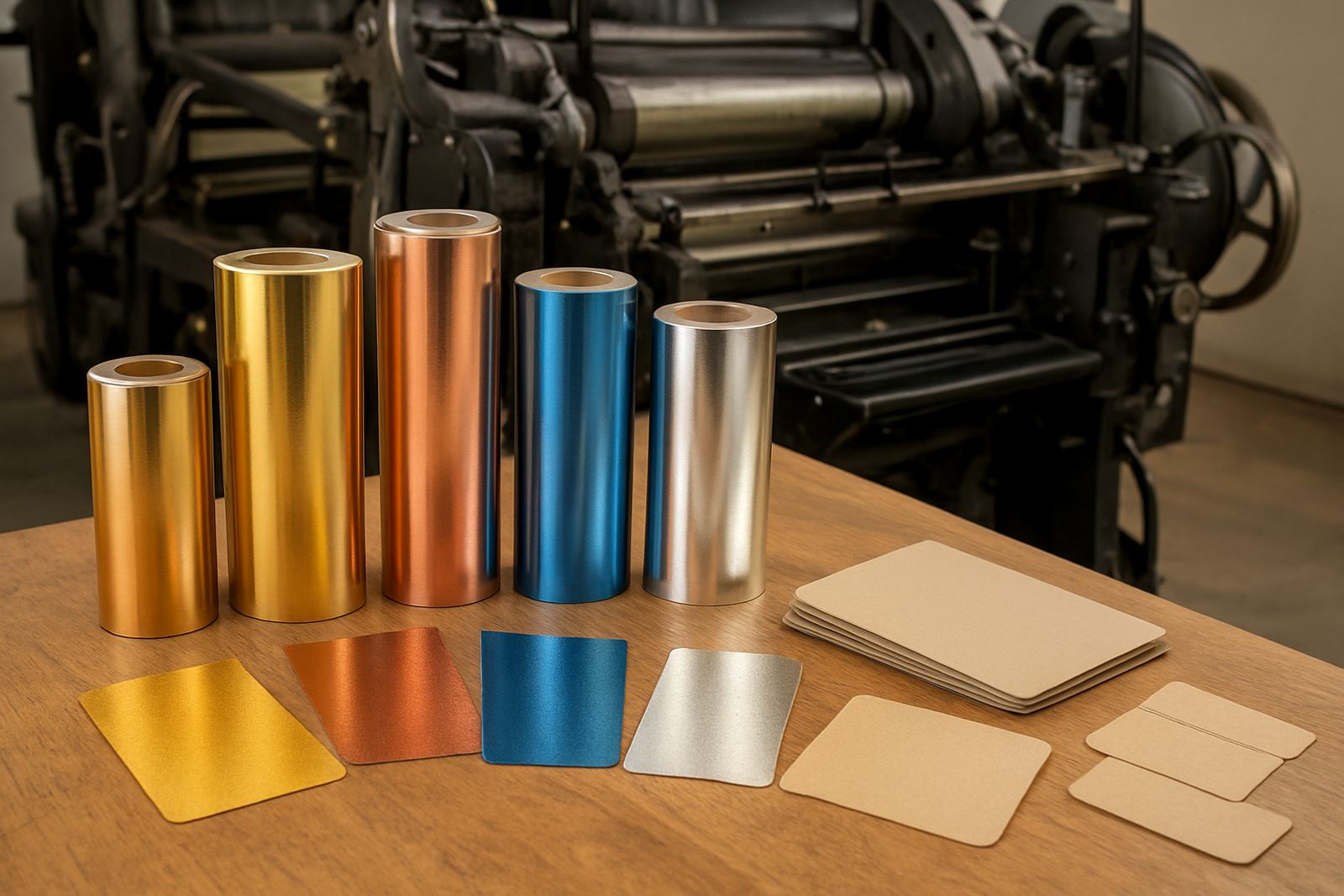
- Finish goals: metallic shine, matte look, holographic effect or tinted foil
- Run conditions: short craft batches or repeated production work
What FoilPress includes in a foil matching session
Our foil matching service is practical and production focused. We do not just point to a colour chart and send you on your way. We assess the job, suggest the right foil family and where useful, compare a few options on real sample pieces before you commit to a full order. That saves time, foil waste and rework on press.
Depending on the job, we can also advise on die detail, required release, pressure setup and heat settings. If the board has a heavy coating or the design carries large solid areas, a slightly different foil grade may give better consistency and less picking. For packaging clients, that can make a noticeable difference to line speed and the final look of the pack.
- Sample review and foil recommendation
- Test pulls on supplied board or sample stock
- Advice on die depth, line weight and coverage
- Matching for brand colours, special effects and premium finishes
- Guidance for repeat orders and consistent batches
Our matching process from enquiry to approved sample
We keep the process simple. Send through your artwork, board details and target finish, then we narrow down suitable foils and test where needed. If you are not sure what foil you need, we will ask for the basics: board type, coating, intended press, job size and whether the job is for a one-off craft item or ongoing production. Small details matter here.
After the first assessment, we can recommend a foil direction and advise whether a quick sample run is enough or whether the job needs tighter trial work. In some cases we will ask for the actual stock, because a sample on plain paper does not tell the whole story. Once the result is approved, we guide you on re-ordering the same foil for future production.
- Step 1: job details and artwork review
- Step 2: board and coating assessment
- Step 3: foil option selection and sample pull
- Step 4: approval, ordering and production advice
Turnaround times and what affects them
Turnaround depends on how much information we receive upfront and whether sample testing is needed. Straightforward foil matching enquiries can often be handled quickly, especially when the board type and finish target are clear. More involved packaging work, or jobs with several substrates, may need extra testing before a final recommendation is made.
We work with clients across the City West area and nationwide, so we plan around courier lead times and production deadlines. If you are coming from a busy workshop in Industria West or sending samples from another province, the cleanest route is to package the sample board flat and note the running conditions. That helps us avoid back and forth and gets the right answer faster. A little prep up front saves a lot of time later.
- Fastest jobs: clear specs, known stock, simple artwork
- Longer jobs: new board, special coating, heavy coverage or fine detail
- Courier-friendly: flat samples, labelled sheets and reference images
Pricing approach for matching, samples and repeat supply
We price foil matching according to the time spent on assessment, sample work and the level of technical support required. A simple recommendation for a standard board is priced differently to a job that needs multiple test pulls, special release checks or close colour and finish comparison. That keeps the cost fair and tied to the work involved.
For regular customers, we can also help standardise the foil spec so repeat orders stay consistent. If your business produces the same card or pack every month, getting the matching right once can reduce waste and make purchasing much easier. We will also flag where a foil may need to be kept in stock because lead times, demand or batch availability can affect supply.
- Assessment-based pricing, not guesswork
- Quoted sample work where testing is required
- Repeat-order support for ongoing production lines
- Advice on stock holding for regular users
Keeping results steady between runs and seasons
Foil matching is not only about one successful pull. Heat, humidity and storage conditions all affect the finish over time. In Gauteng dry winter air and summer humidity can change how a foil behaves, while coastal clients may see different performance because of moisture in the board. If the press settings drift or dies are not maintained, the same foil can start giving uneven transfer or dull patches.
We recommend checking matching notes at regular intervals, especially on repeat jobs. That can be every few months for busy packaging lines, or after any change in board supplier, coating, artwork coverage or press condition. If a job starts to lose sharpness, first look at heat, pressure and die mounting before changing the foil spec. Often the foil is still right, the setup just needs attention.
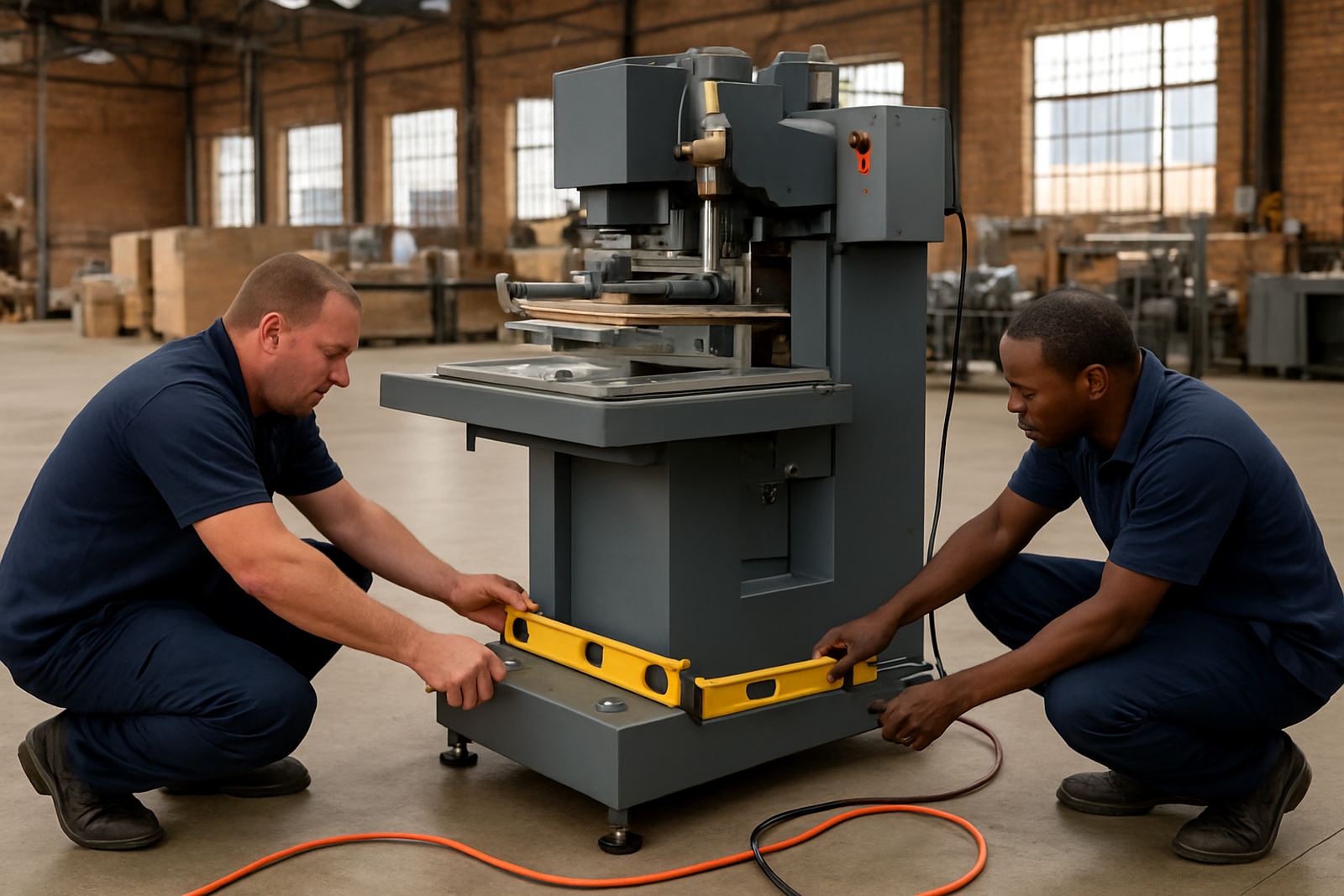
For clients using presses through load-shedding periods, stable warm-up and correct heater calibration are especially important. An inconsistent platen temp can make a good foil look poor. We can help you keep the settings recorded, so the next run starts from a known point and not from memory.
Key facts
| Board compatibility | Coated card, uncoated board, textured stock, laminated stock |
|---|---|
| Foil types | Metallic, matte, tinted, pigment and effect foils |
| Typical detail range | Suitable for fine type, borders and solid coverage |
| Run sizes | Short craft batches to ongoing production volumes |
| Support area | Johannesburg City West and nationwide |
| Service contact | Our contact form | Industria West, Johannesburg |