What our operator training covers on the press floor
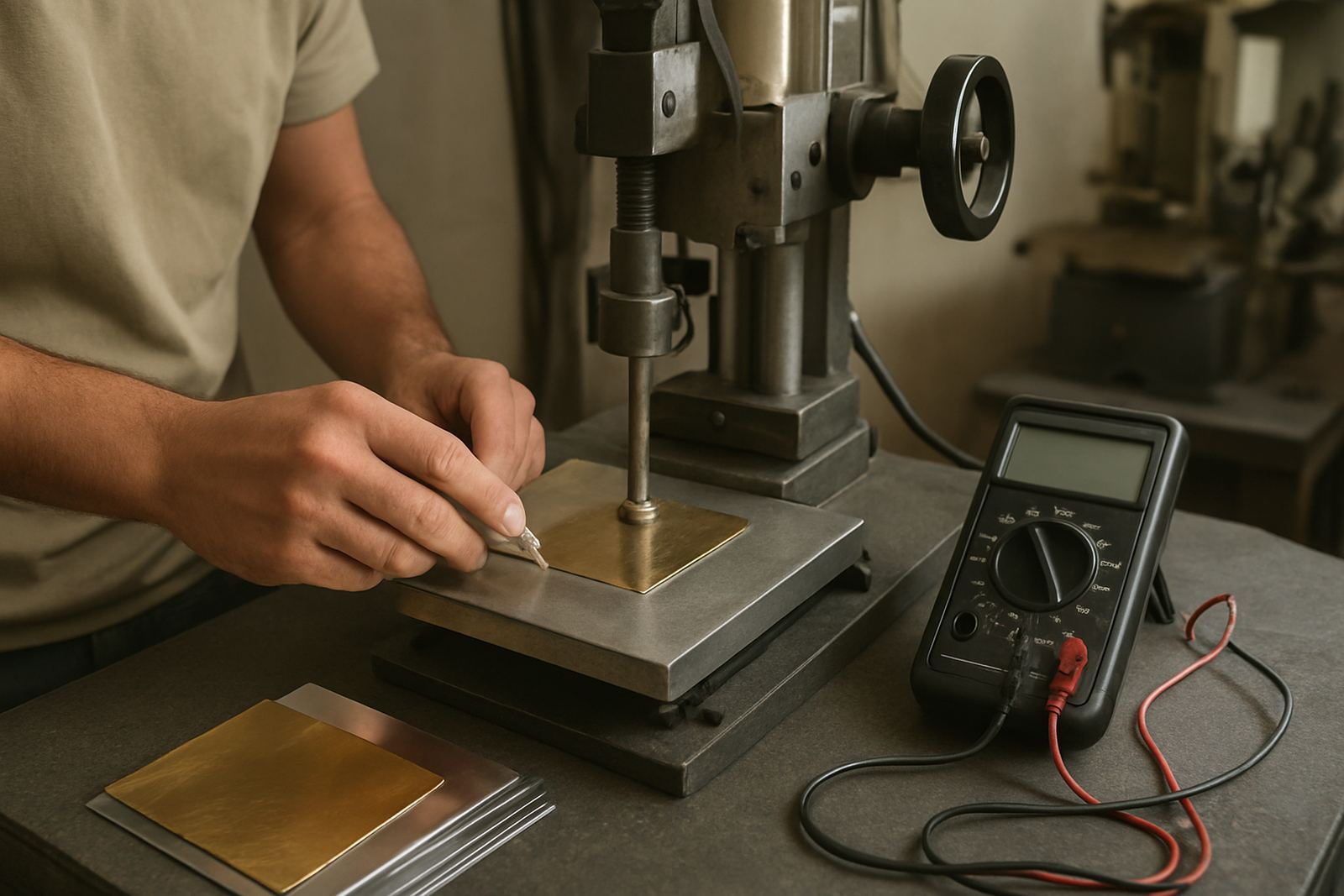
Our operator training is practical, not classroom-heavy. We work directly on your press so your team learns the same steps they use on production jobs. The aim is simple: safer operation, fewer stops, cleaner foil transfer and better control on each run.
Training suits small craft businesses, commercial print rooms and packaging teams working with folding cartons, sleeves, tags, gift boxes and short-run promotional pieces. We cover both manual and semi-automatic presses, and we adjust the session to the foil widths, die sizes and substrate types you use most often.
- Safe start-up and shut-down routines
- Temperature, dwell time and pressure settings
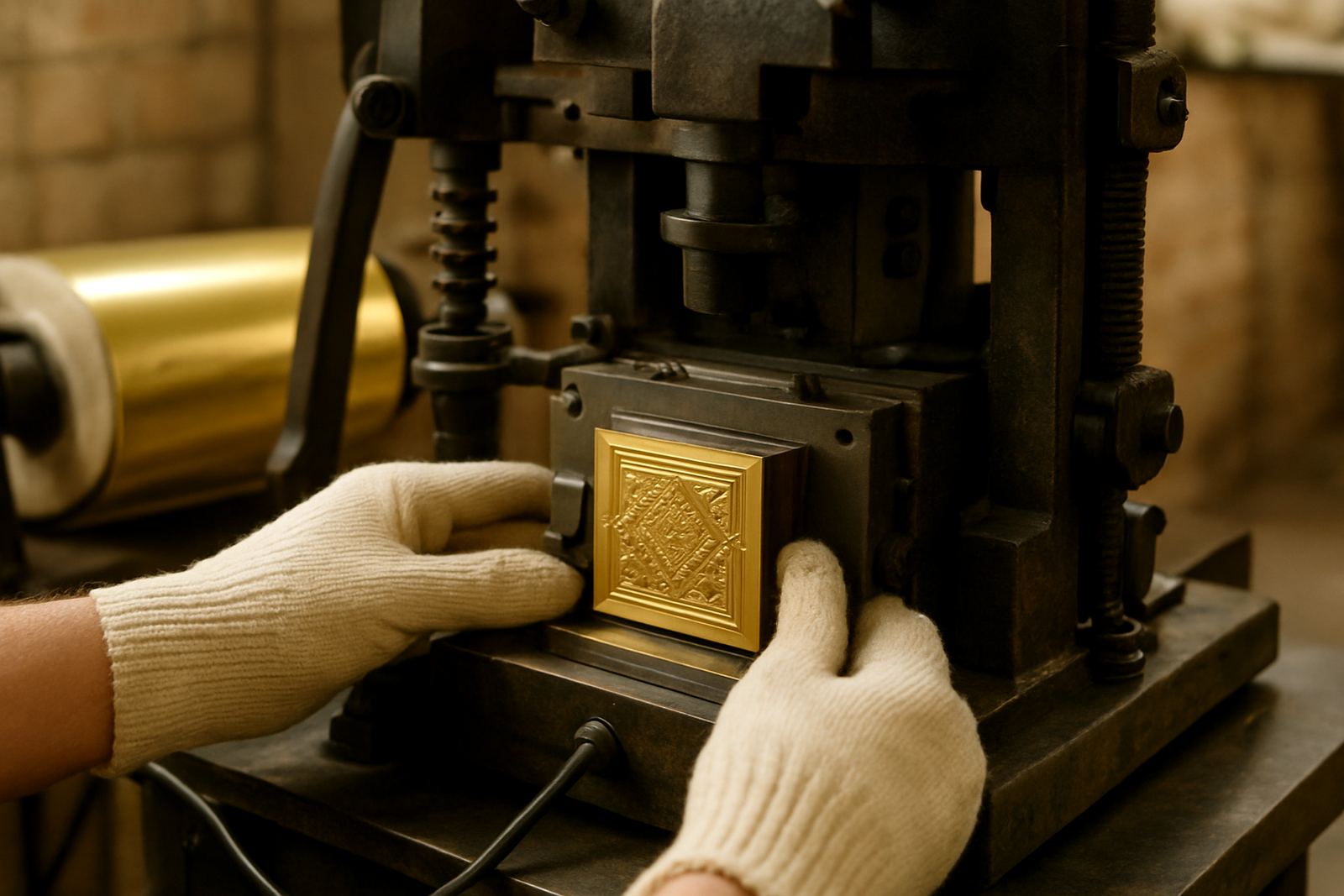
- Die mounting and alignment checks
- Foil feeding and tension control
- Basic troubleshooting for common print faults
- Daily cleaning and end-of-shift checks
A simple training process that suits busy production teams
We keep the process straightforward so your staff can get back to work quickly. Before the visit, we ask about your press model, materials, foil grades and the problems you are seeing on press. That gives us a clear starting point and avoids wasted time.
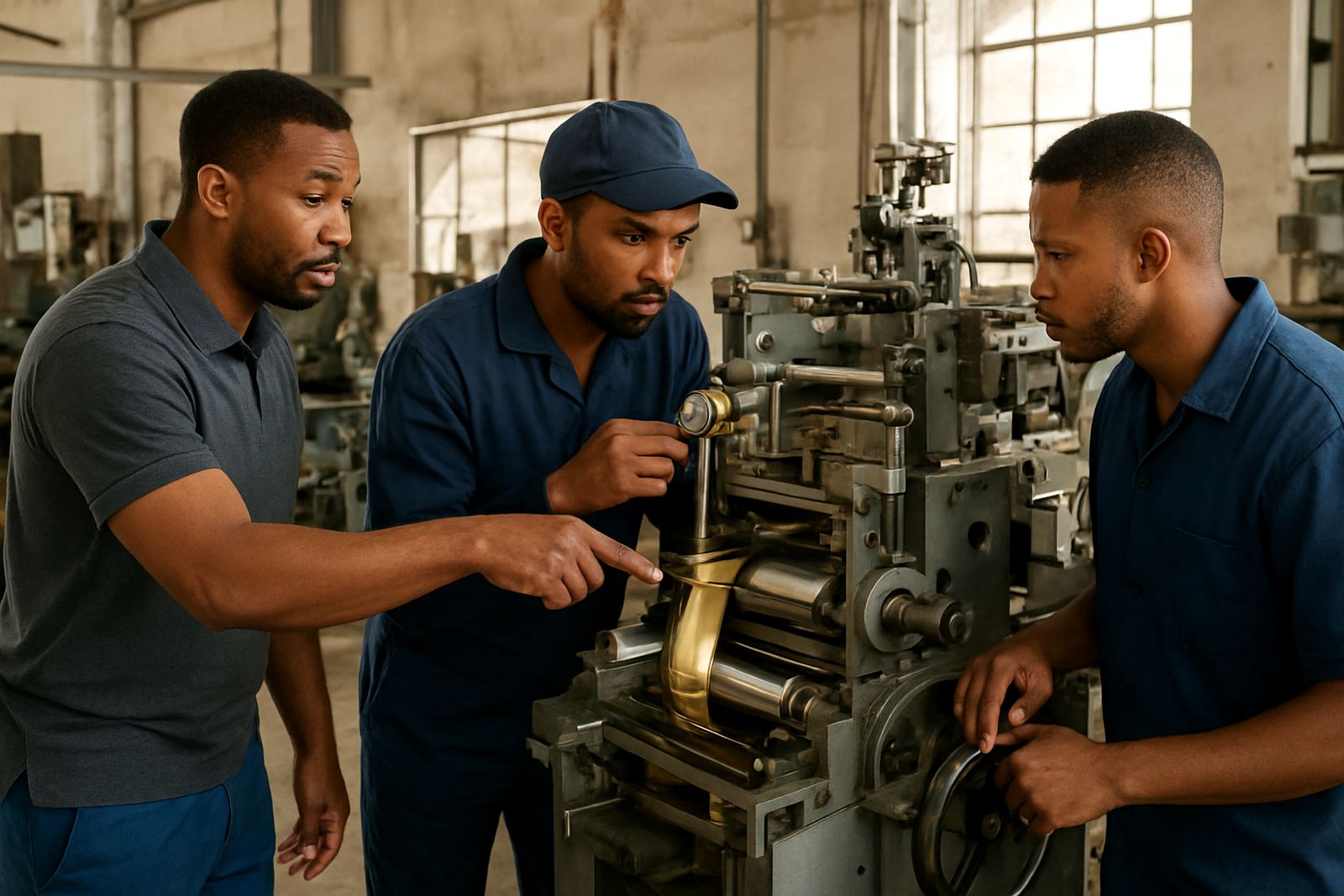
On site, we begin with a short walk-through of the machine and the job setup. Then we move into guided operation. Your operators handle the controls while our technical team corrects technique, explains the reason behind each adjustment and shows how to repeat the setup next time. This approach works well for teams in Industria West, Roodepoort, Randburg, Midrand, Sandton and Germiston, as well as sites further afield.
- Pre-visit review of your press and job mix
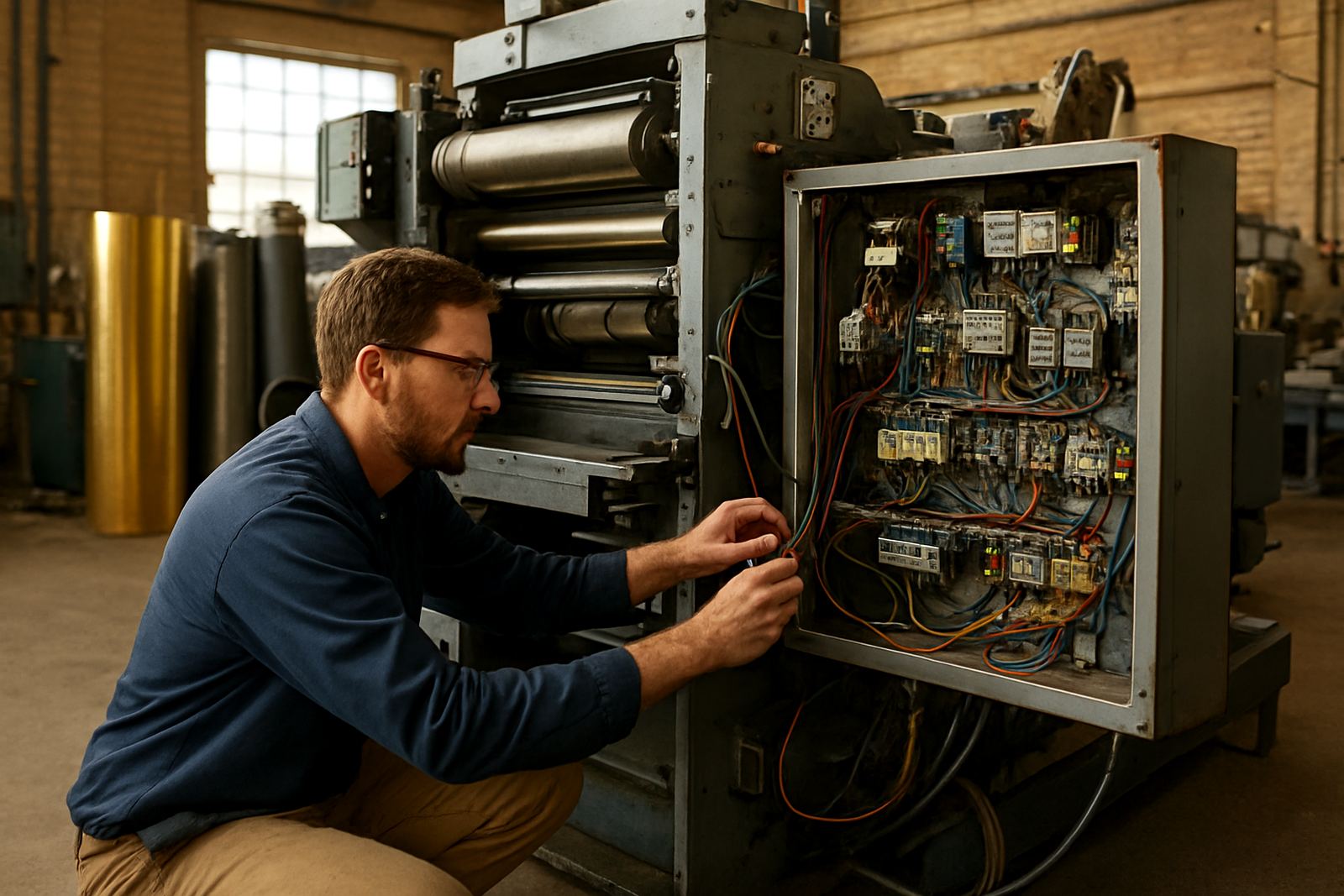
- On-site inspection of heater, pressure and foil path
- Live demonstration using your own tooling
- Operator practice with supervised corrections
- End-of-session checklist for repeat runs
Training topics that reduce waste and improve foil finish
A good operator can save a business a lot of foil, time and rework. We focus on the details that affect output every day, especially where humidity, paper fibre, board coating and load-shedding interruptions can upset a setup. In Johannesburg and coastal deliveries alike, those small changes matter.
Our sessions cover how to read the sheet, how to spot signs of poor heat transfer and how to respond before the run starts drifting. We also show staff how to handle coated board, uncoated board, laminated stock and packing materials with different surface tension. If your work includes fine type, small logos or close registration, we pay extra attention to pressure balance and die temperature.
- Recognising under-heated and over-heated foil transfer
- Controlling pressure on fine detail and large solids
- Managing substrate changes between jobs
- Reducing ghosting, smudging and uneven pickup
- Handling power interruptions and safe restart checks
Turnaround times, team size and where we train
Most operator training sessions are completed in half a day to one full day, depending on the press type and the number of staff on site. For teams with several shifts, we can split the training so each operator gets time on the controls without slowing down production more than necessary.
We train at your premises from Industria West and the wider City West area through to the East Rand and northern suburbs. We also travel nationwide for presses and foils, especially where a customer needs follow-up support after installation or a new die programme. If there is a breakdown issue at the same time, we can often combine the visit so your team gets both repair support and training on correct handling.
- Half-day or full-day sessions
- Single operators or full shift teams
- On-site training at your factory or workshop
- Nationwide support by arrangement
How we price operator training
Pricing depends on the machine type, number of operators, travel distance and whether the session is part of a new installation, a follow-up visit or refresher training. We quote clearly before work starts so you know what is included. There are no surprises on the invoice.
For many customers, operator training is most cost-effective when done alongside preventive servicing or heater calibration. That lets us correct machine settings, show the team how to keep them stable and leave the press ready for the next production run. Where you need spare parts, die mounting support or foil matching during the same visit, we can include those items separately in the quote.
- Quoted according to site, machine and team size
- Travel charged only where applicable
- Discounts may apply with installation or servicing
- Parts and consumables billed separately if used
Maintenance intervals and follow-up refresher sessions
Even well-trained teams benefit from follow-up. We recommend refresher operator training every 6 to 12 months, or sooner if you have staff changes, new substrates, new dies or a change in production speed. Where a plant runs two or more shifts, a short refresh every quarter can help keep standards steady.
During follow-up visits we review the basics again, check for operator drift and look at wear points that affect output. That may include heater stability, platen cleanliness, pressure settings and foil path wear. Regular attention here helps prevent bad batches and keeps the press working within the settings your team already understands.
- Refresher training every 6 to 12 months
- Quarterly check-ins for high-volume sites
- Extra sessions after staff changes or new product lines
- Best paired with preventive servicing and calibration
Key facts
| Service area | Johannesburg City West and nationwide |
|---|---|
| Base | Industria West, Johannesburg |
| Typical session length | Half-day to 1 full day |
| Training format | On-site, hands-on with your own press |
| Recommended refresh interval | Every 6 to 12 months |
| Contact | Our contact form |