What heater calibration covers on your press
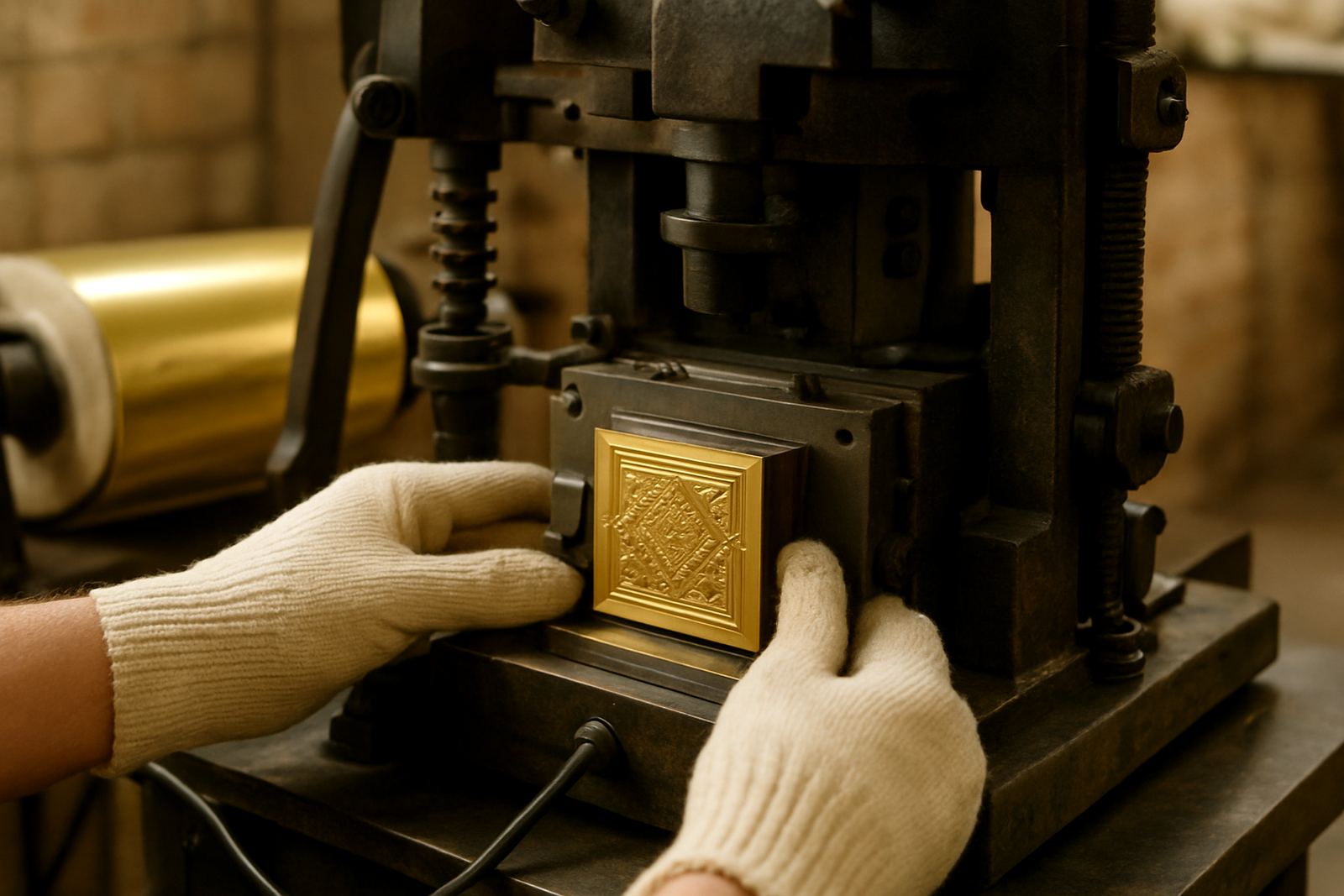
Heater calibration is more than checking whether the machine is hot enough. We inspect the full heating setup, compare the actual platen temperature against the set point, then adjust the control settings so the press holds a more accurate and stable working range. On foil work, even a small drift can affect release, clarity and edge detail.
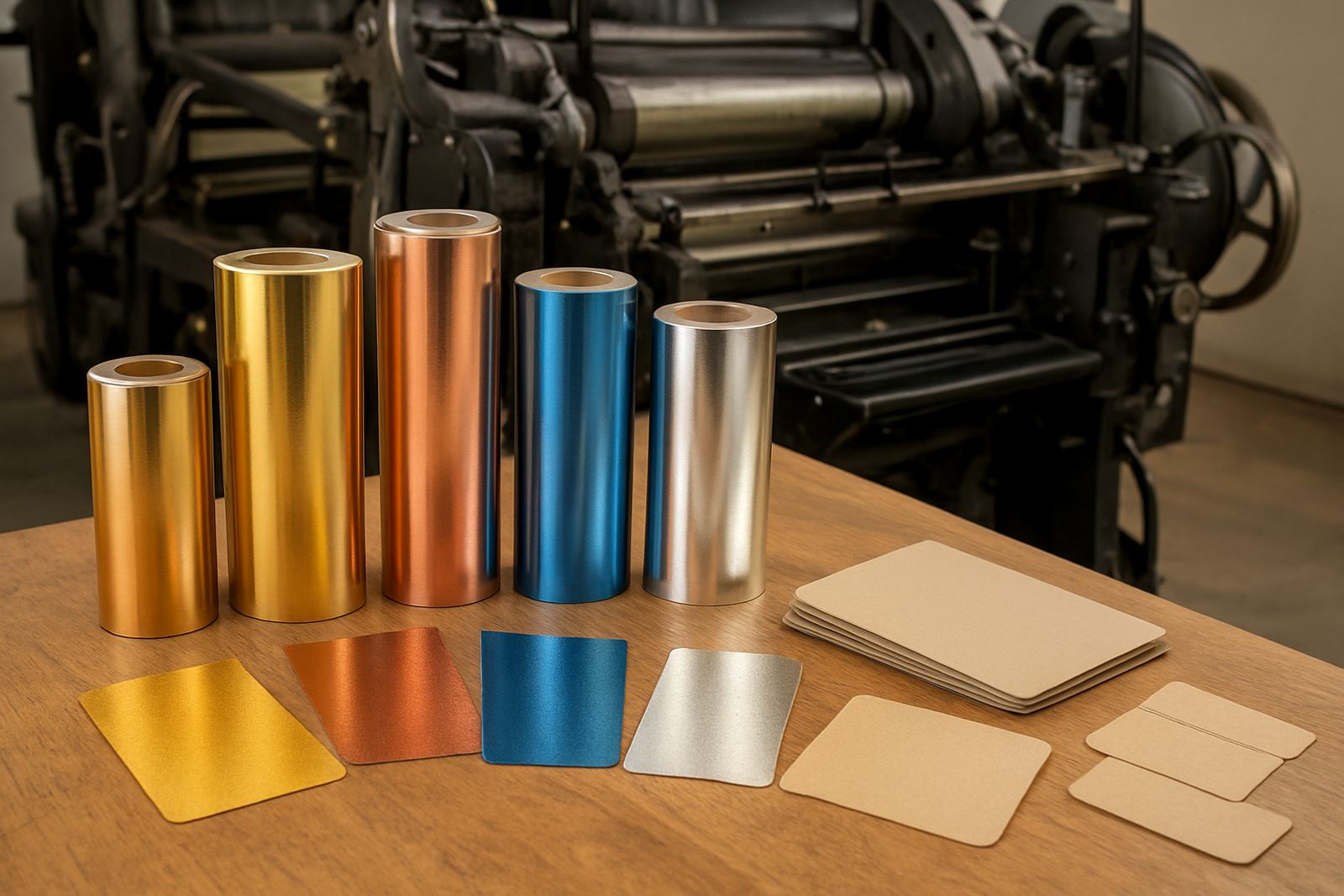
We handle calibration for presses used on cartons, labels, sleeves, presentation boxes and short-run packaging in Johannesburg, Gauteng and nationwide. If you run mixed materials, the right temperature profile matters. Paper board, laminated stock and coated substrates each react differently, and coastal humidity can also shift the way foil transfers from day to day.
- Temperature verification with reference equipment
- Controller adjustment and sensor check
- Platen heat spread inspection
- Heat-up time and recovery review
- Practical testing on your own stock where possible
Signs your press needs a fresh calibration
If foil starts looking dull in some areas and heavy in others, the heater may be drifting. The same applies when you need to run the machine at higher settings than before just to get a clean image. That usually points to a sensor issue, uneven heating or settings that no longer match the actual platen temperature.
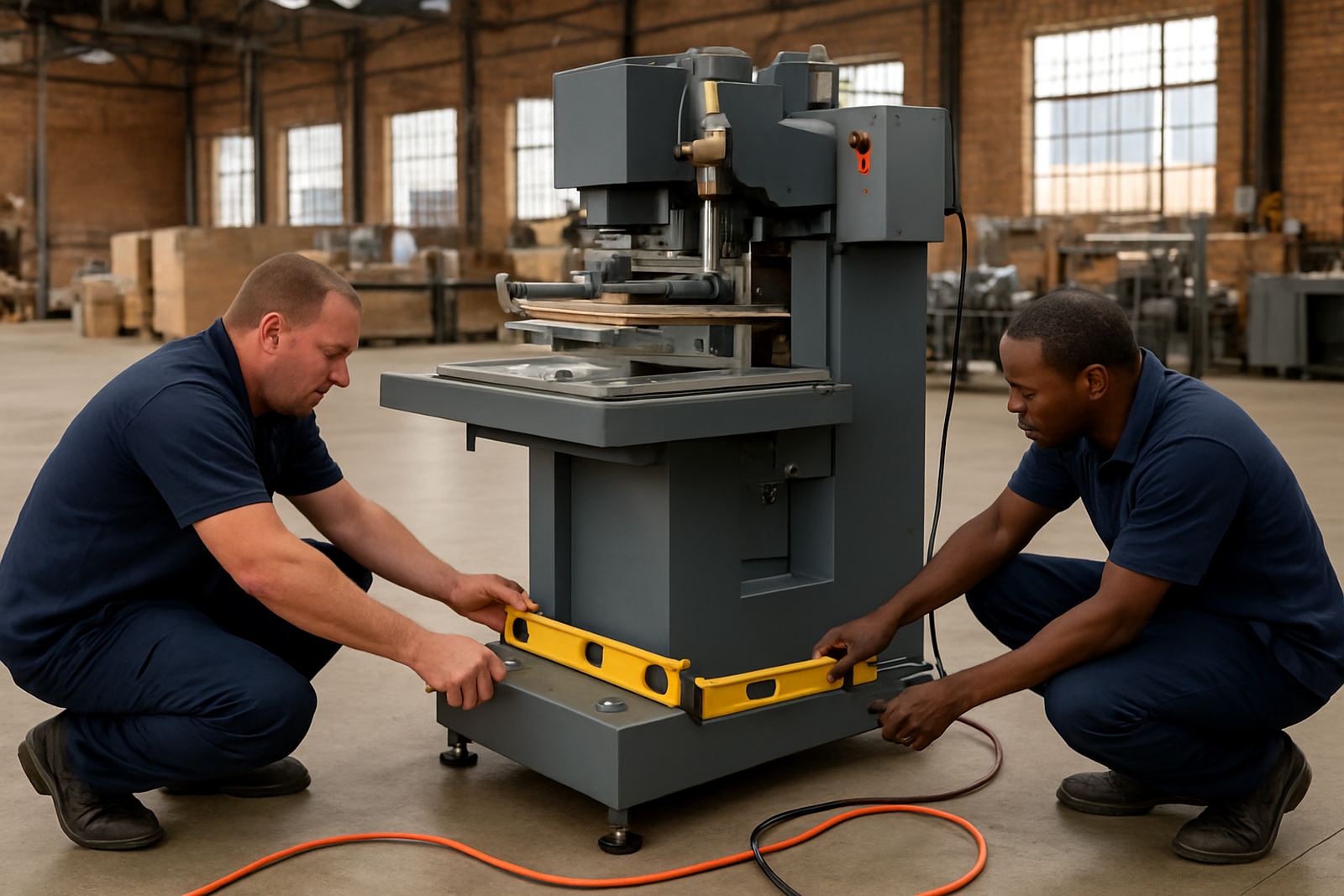
We are often called when shops see extra rejects after a power cut, after moving a press between sites, or after months of heavy use. In and around Industria West, Roodepoort and Midrand, many businesses also ask us to check machines before a busy season so they can avoid stoppages.
- Patchy foil release or weak detail
- Overheating, scorching or stock distortion
- Longer warm-up times than normal
- Temperature readings that do not match the job result
- Repeated operator adjustments during a run
Our calibration process from check to sign-off
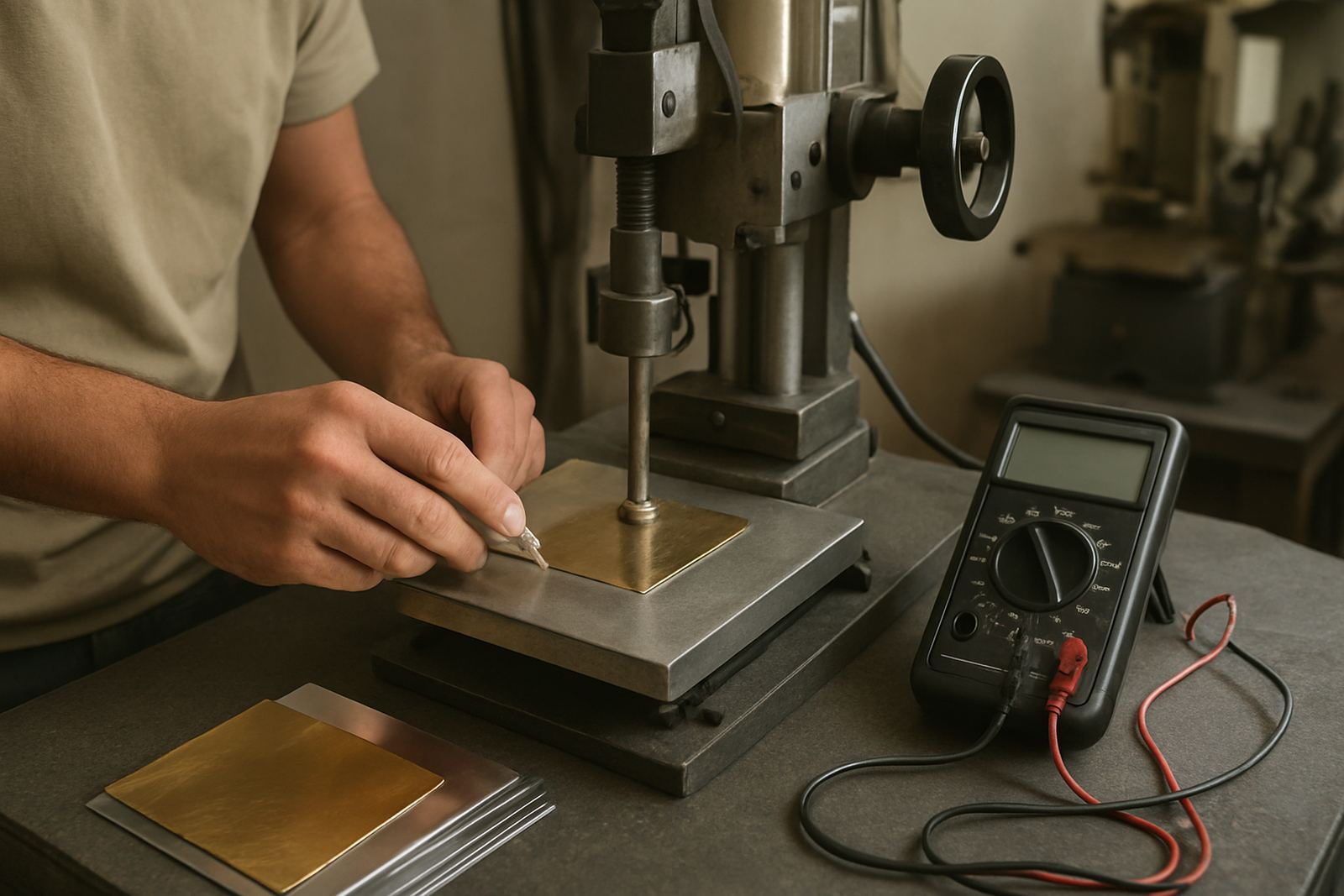
We start with a basic inspection of the heater, sensor, controller and wiring. Then we measure the actual platen temperature at set intervals while the press warms up and stabilises. This shows whether the press is reaching target heat properly and whether there is a difference between the display reading and the real surface temperature.
Once we have the readings, we correct the settings and test the press again under working conditions. Where needed, we also review pressure and dwell time because heat alone does not fix a poor transfer. If the job stock is available, we test on the same material your team uses on the floor.
- Initial inspection and fault finding
- Temperature measurement across the platen
- Sensor and controller correction
- Live test on selected stock or sample material
- Handover with recommended set points
Press specifications we work with
FoilPress services a wide range of hot-foil equipment used by small craft operators and larger packaging plants. We work on compact bench units through to heavier production presses, including single-station and multi-station systems. The aim is the same, accurate heater control for repeatable work.
Typical calibration checks cover machines with platen sizes from about 150 mm by 200 mm up to large-format systems used on cartons and sleeves. We also deal with common working temperature ranges between 80°C and 180°C, depending on stock, foil and die size. In some production settings, operators may run lower or higher than that, and we will confirm whether the machine is holding steady at the required level.
- Single and multi-station hot-foil presses
- Heated platen systems for card and packaging
- Digital temperature controllers and sensor probes
- Working heat ranges commonly used in foil transfer
- Support for both manual and semi-automatic presses
Turnaround times and pricing approach
Turnaround depends on whether the issue is a simple setting correction or a more involved sensor, controller or wiring fault. Basic calibration work can often be completed the same day or within 24 to 48 hours if the machine is brought to our Industria West workshop early in the day. On-site work in Johannesburg and nearby areas is arranged by appointment and may take longer if the press needs testing under live production conditions.
Pricing is based on the machine type, the amount of testing required, and whether any parts must be replaced. We quote clearly before work starts. If a job needs additional repairs, we explain the options first so you can decide whether to proceed, especially if you are balancing downtime against production targets.
Recommended maintenance intervals for steadier production
Most presses benefit from a calibration check every 6 to 12 months, depending on how hard they are used. High-volume packaging work, frequent temperature changes and long daily running hours can shorten that interval. Presses that are moved between sites or exposed to dust should be checked more often.
Load-shedding also matters. Repeated power interruptions can affect controller memory, heater performance and recovery time after restart. If your site has had voltage swings or generator changeovers, it is worth booking a check before the next heavy production run. That small step can save a lot of spoilage later.
- Every 6 months for heavy daily use
- Every 9 to 12 months for lighter production
- After relocation or workshop moves
- After electrical work or repeated outages
- Before peak seasonal runs and large print jobs
How to book a heater calibration
Send us the press model, the fault you are seeing, and the type of stock or foil you are running. If possible, include a photo of the controller display and a note on the temperature range your operators use. That helps us prepare the right test setup before the machine arrives.
We support businesses across Industria West, Roodepoort, Randburg, Sandton, Midrand and Germiston, with presses and foils supplied nationwide. For workshop bookings or site visits, contact the FoilPress team and we will advise the best next step. In many cases, a proper calibration is the quickest way to get cleaner transfer and fewer rejects without replacing the full machine.
Key facts
| Service type | Hot-foil press heater calibration |
|---|---|
| Typical temperature range | 80°C to 180°C, depending on stock and foil |
| Platen sizes | From compact bench units to large-format production presses |
| Turnaround | Same day to 48 hours for standard workshop calibration |
| Coverage | Johannesburg City West and nationwide support |
| Booking contact | Our contact form |