Why correct pressure matters on foil work
When pressure is too light, foil does not bond evenly and you get pinholes, patchy blocks and incomplete letters. When pressure is too heavy, the die can crush stock, mark coated boards and force foil where it should not go. On cards, sleeves, cartons and folded packaging, the right setting is the difference between a neat finish and a pile of rejects.
FoilPress checks pressure against the actual stock, die type and press condition, not just a general setting on the machine. We look at the full setup because pressure changes with board caliper, fibre direction, die height, silicone blankets, platen alignment and even room temperature in a workshop that sits near open loading doors. In humid coastal stock transit conditions or dry inland winter air, the same job may need a small adjustment to stay consistent.
What we check during pressure setup
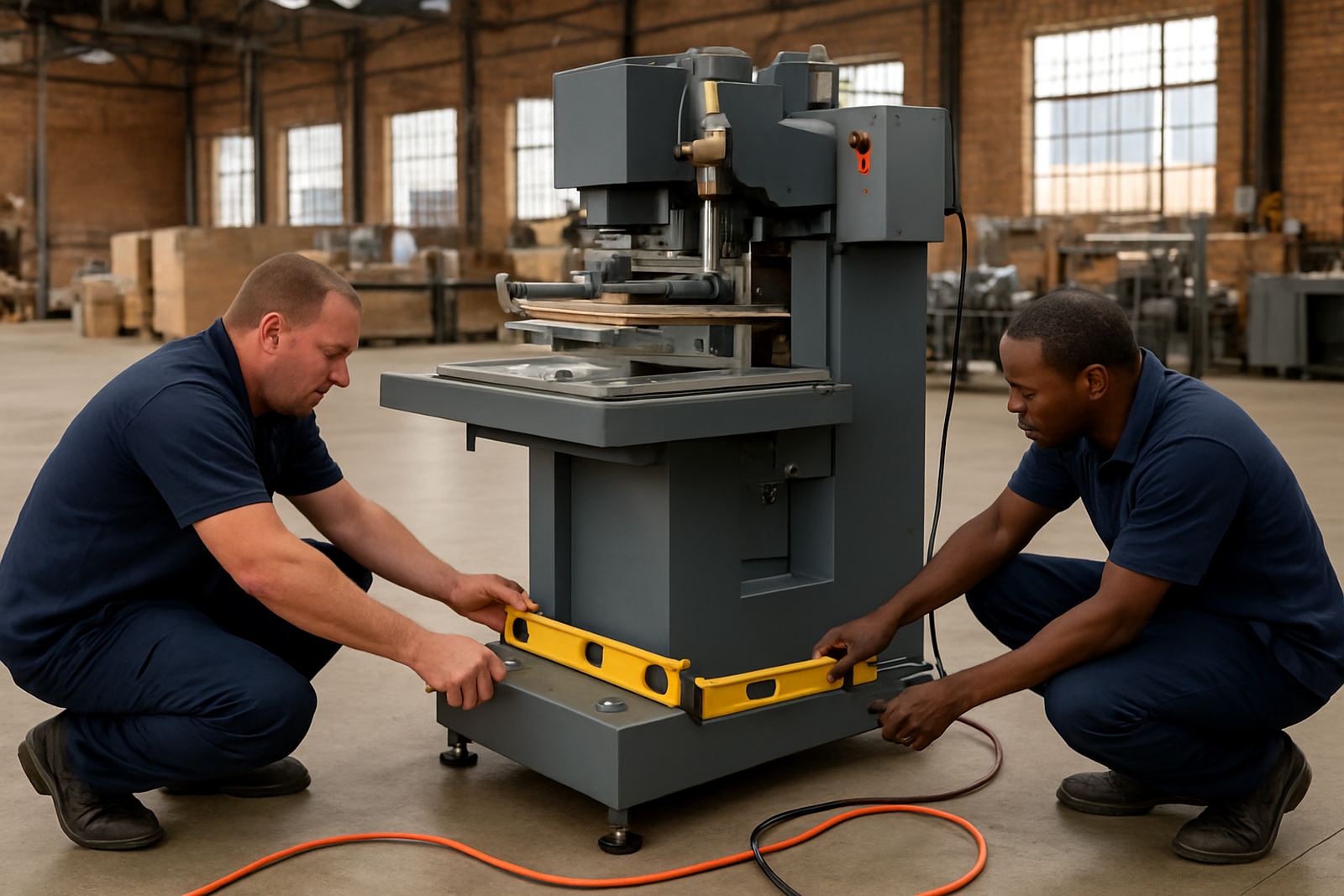
Our pressure setup service is practical and measured. We inspect the press bed, platen movement, die mount height and contact pattern before making changes. If the machine is drifting, out of level or showing wear on one side, increasing pressure is not the answer. The real fix is to set the contact correctly so the press closes evenly across the full area.
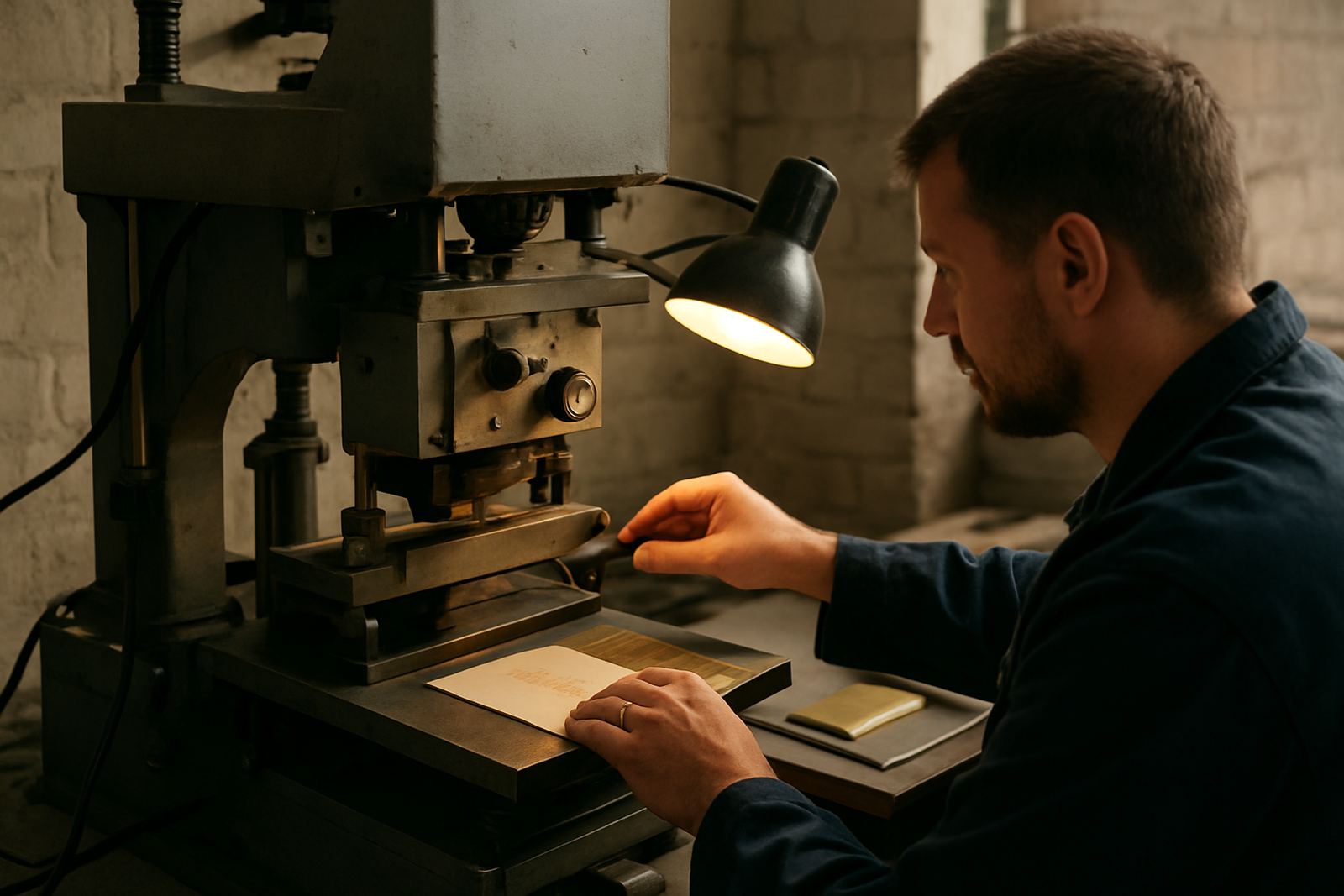
For card and packaging lines we also check how the foil behaves at speed. Some jobs need a firmer initial hit for large solids, while fine detail needs a lighter, cleaner contact to avoid edge spread. We set the press for the actual product, not only for a sample that looked good in the test bay.
- Press contact pattern and evenness across the platen
- Die height, packing and mounting stability
- Stock thickness and surface coating behaviour
- Foil release quality, coverage and edge definition
- Signs of overpressure such as crushing or embossed distortion
How the setup process works
We keep the process straightforward so your team can get back into production quickly. In most cases we start with a site check in Industria West, Roodepoort, Randburg, Midrand, Sandton, Germiston or at your factory anywhere in South Africa. We then test the current settings, make controlled changes and run sample pieces until the pressure is balanced.
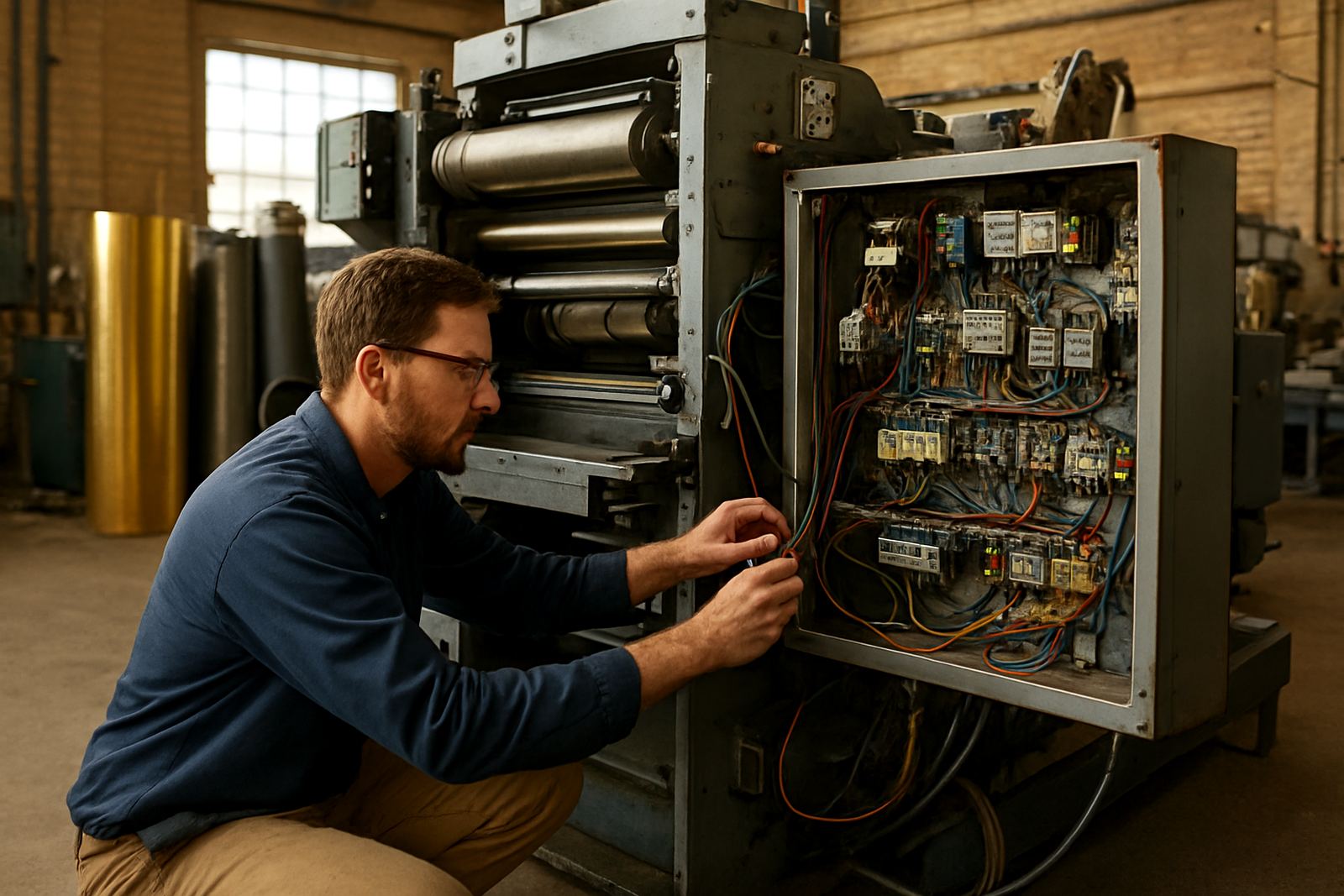
If the press is affected by load shedding, low voltage or recent relocation, we factor that in as well. Machines can behave differently after transport or after being powered on and off through an unstable supply. Where needed we will advise on warm-up time, heater stability and the best way to bring the press back into a reliable working range.
- Inspect the press, die and stock specification
- Check platen contact, level and closing action
- Adjust pressure in controlled steps and test output
- Confirm transfer on solids, fine detail and repeated impressions
- Hand over the working settings and record them for future runs
Turnaround for urgent production jobs
Pressure faults usually show up when a job is due and there is no time to waste. We aim to respond quickly for customers in the Johannesburg City West area, with support arranged nationwide for scheduled work and urgent breakdown attendance where feasible. Small setup jobs may be completed in a single visit if the machine is in good condition and the die is suitable for the stock.
For presses that need a deeper check, such as worn guides, uneven packing or repeated crushing on one side, we may recommend a follow up visit after the first correction. That gives your team a clean baseline and avoids chasing the same issue from run to run.
- Simple pressure correction: often same day, depending on access and machine condition
- More complex setup with alignment issues: typically one to two visits
- New installation or relocated press: allow extra time for full calibration
- Emergency support can be arranged around production deadlines
Pricing approach that suits short runs and full production
We price pressure setup according to the machine size, location, condition and whether the visit is part of a larger installation or repair. A short correction on one press is not billed the same way as a full recalibration on a line that has been out of service. Where possible, we quote after a brief phone assessment so there are no surprises on site.
For factories with regular foil work, we can also group pressure setup with preventive servicing, die mounting or heater calibration. That usually lowers the cost per visit and helps keep the press stable through the year. It is especially useful for clients running multiple SKUs, since each stock type may need its own recorded setting.
- Single machine or multiple press assessment
- Site visit or workshop-based adjustment
- Combined service pricing for repeat customers
- Spare parts and consumables quoted separately when needed
Recommended maintenance intervals for stable pressure
Pressure does not stay fixed forever. Vibration, wear, packing compression and routine cleaning all change the way a press closes. For most card and packaging operations, we recommend checking pressure every 3 to 6 months, and sooner if the machine runs heavy solids, large dies or mixed stock weights. If the press is working in a warm workshop or near constant dust from board trimming, intervals may need to be shorter.
After a major production shift, new die, relocation or electrical interruption, it is worth rechecking the setup before the next long run. That small check can save a lot of wasted foil and avoid damaging expensive stock.
- Every 3 months for high-volume production lines
- Every 6 months for lighter or seasonal use
- After machine relocation or transport
- After die changes, repeated setup drift or unexplained crushing
Who benefits most from pressure setup support
Pressure setup is useful for craft businesses, print finishers, carton makers and packaging plants that need cleaner foil results without slowing production. It also helps teams that are using new operators, changing stock suppliers or adding a new die range. If your foil looks good on the first few sheets then starts going patchy, the cause is often pressure drift rather than a foil fault.
FoilPress supports businesses across Johannesburg, from Industria West and Roodepoort through to Sandton, Germiston and Midrand, and we supply presses and foils nationwide. If your line needs a pressure reset, we can help you bring it back into a proper working range and keep it there.
Key facts
| Supported press types | Manual, semi-automatic and production foil stamping presses |
|---|---|
| Pressure control range | Adjusted in measured steps for fine detail, solids and carton work |
| Typical stock range | Approx. 180 gsm card to 700 micron packaging board, subject to press type |
| Service area | Johannesburg City West, Gauteng and nationwide |
| Turnaround | Same day for simple corrections where scheduling allows |
| Maintenance interval | Every 3 to 6 months, or after relocation, die changes and repeated drift |