Why chocolate boxes benefit from foil finish
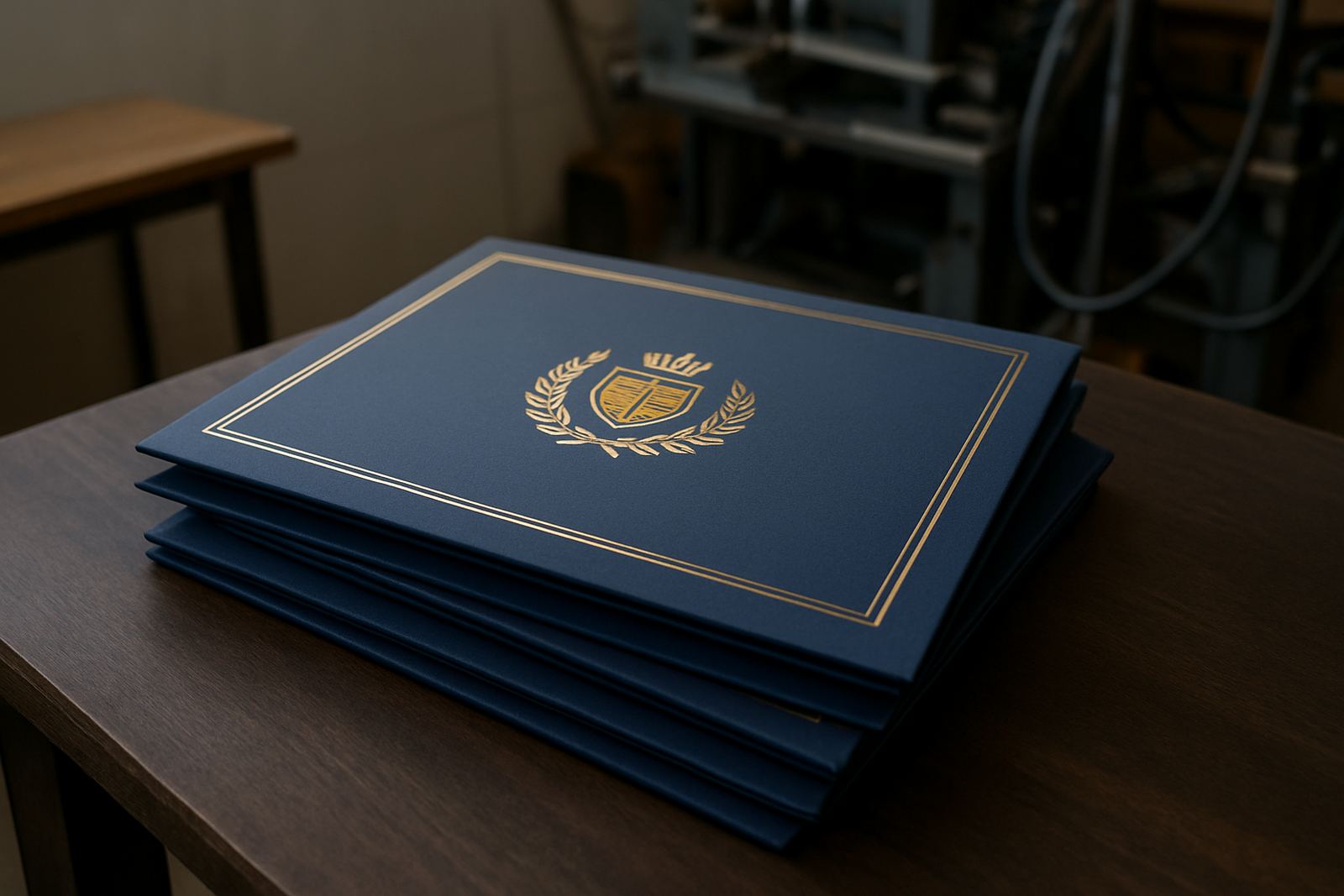
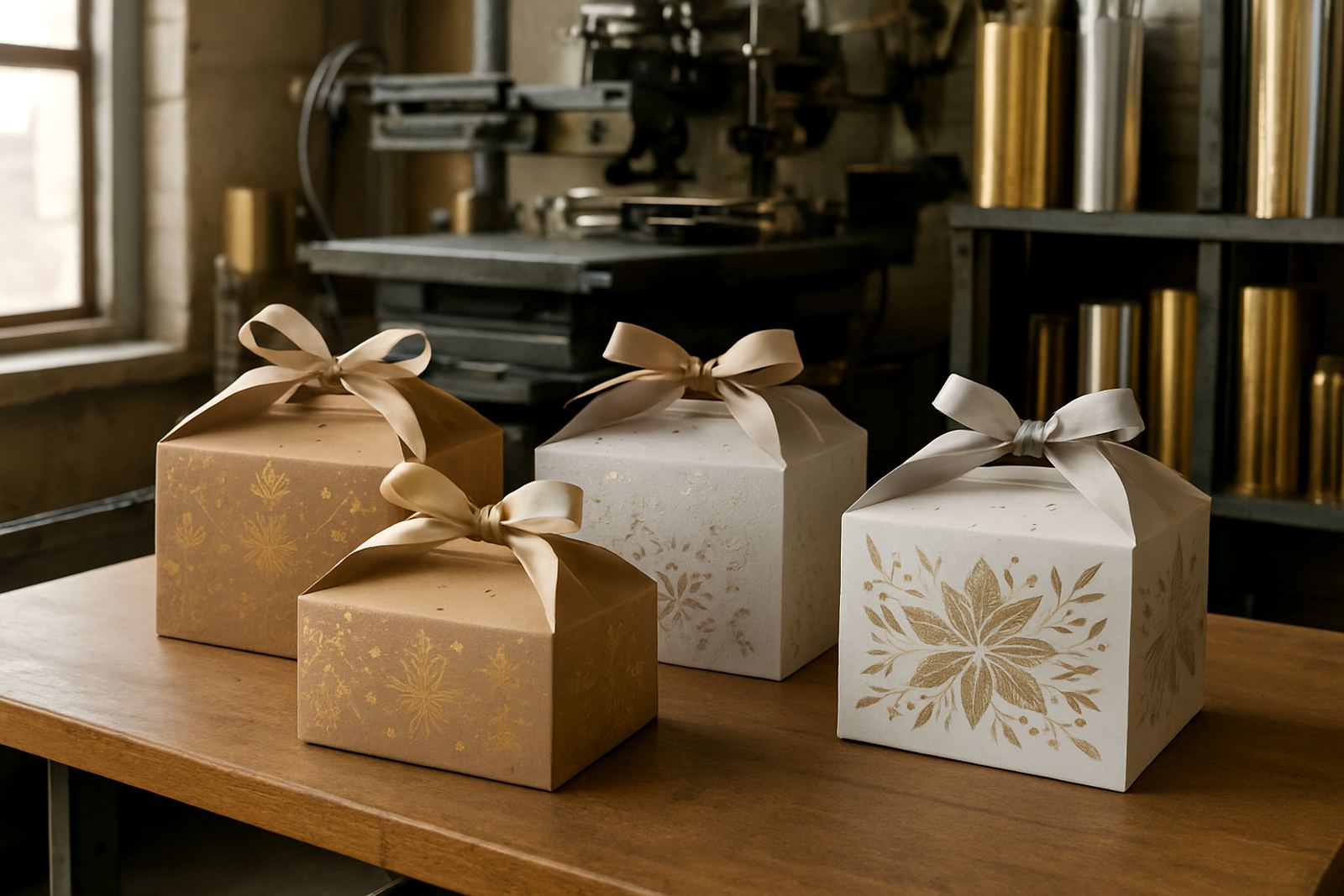
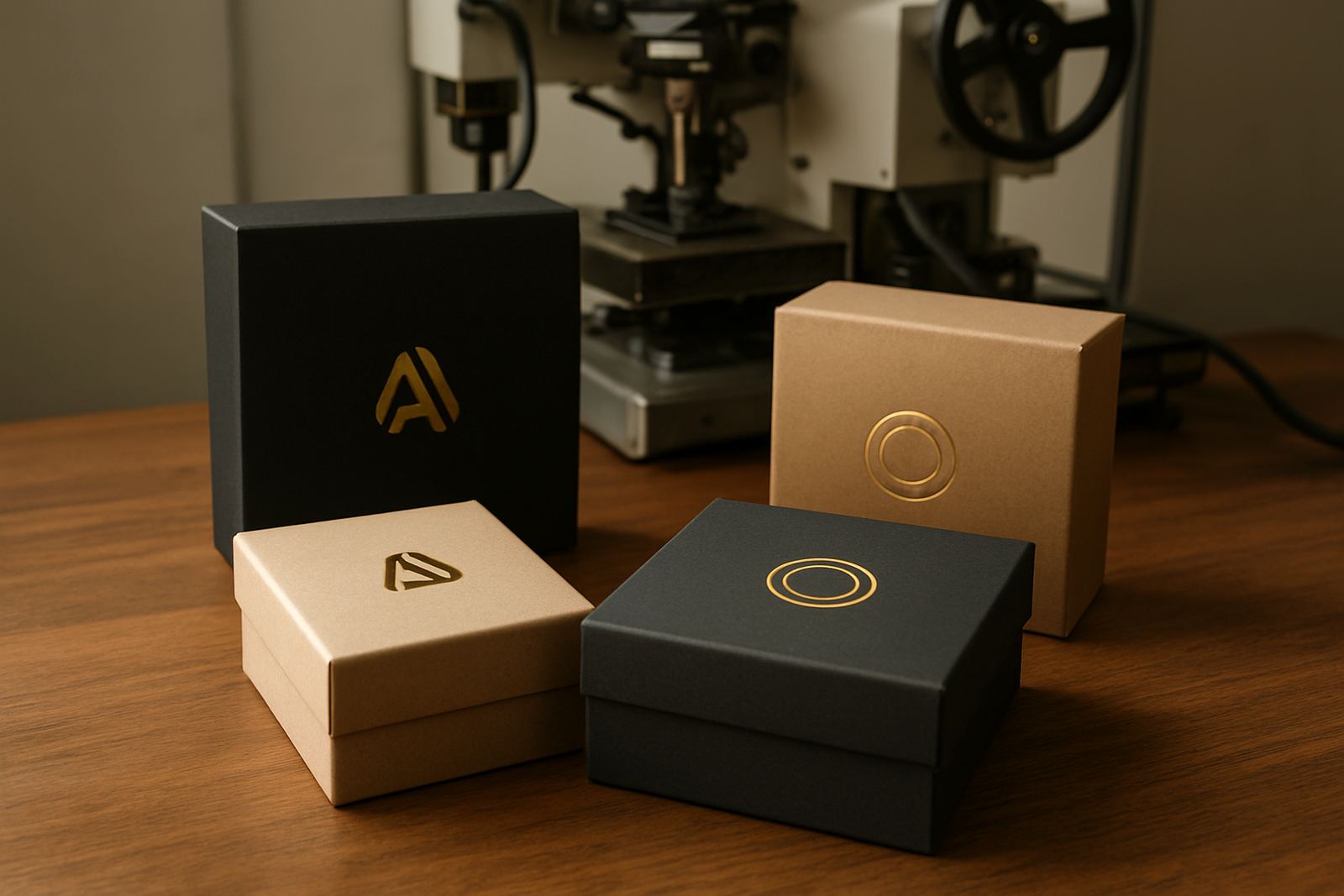
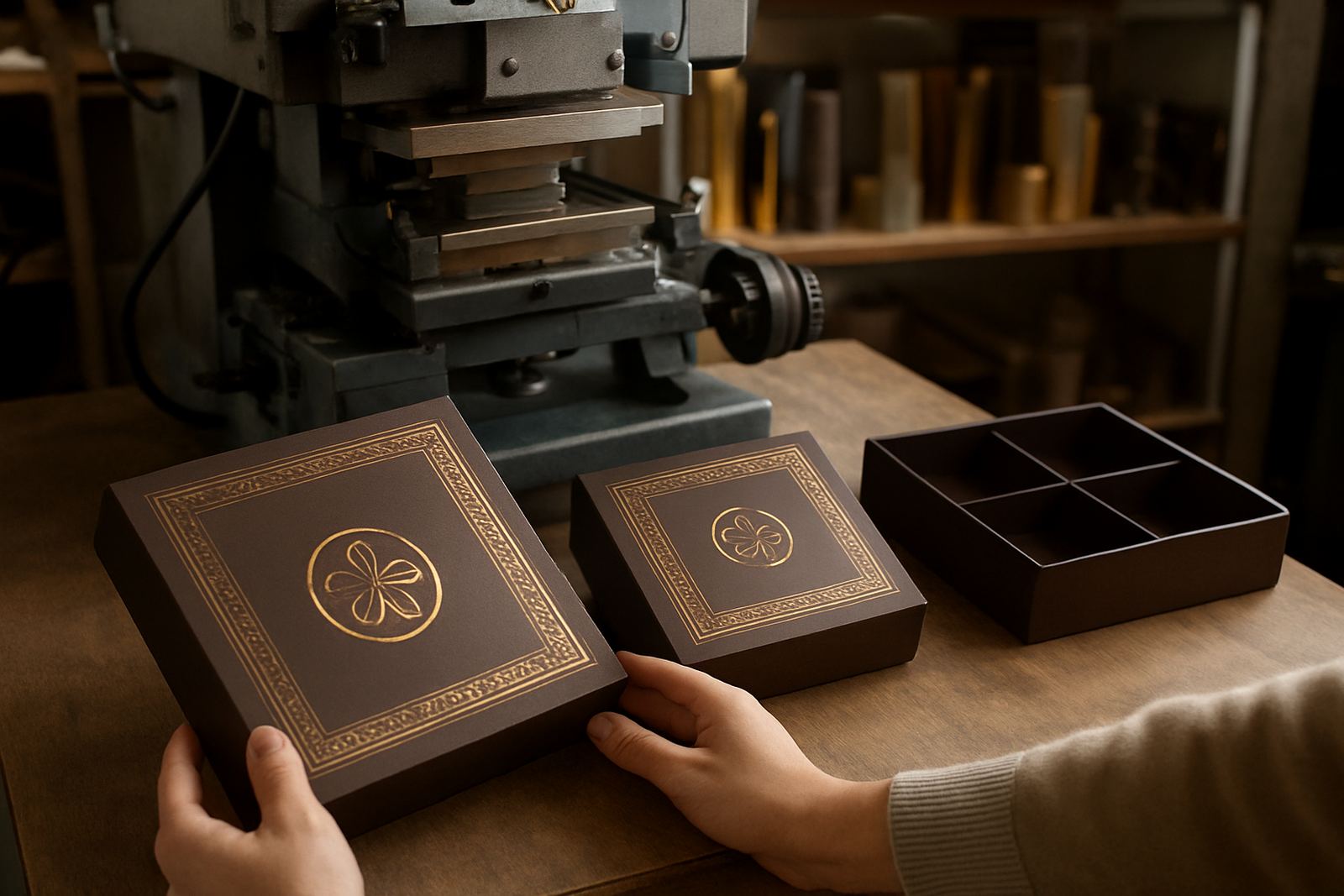
Chocolate boxes are often bought with the eyes first. In shops around Sandton, Rosebank, Fourways and the airport retail channels, a box has only a few seconds to make a good impression before the customer picks it up or moves on. Foil stamping helps with that by giving the pack a polished, high-value look without changing the whole print process.
For confectionery, the finish needs to do more than look good. It has to hold up during handling, stacking, delivery and storage in warm conditions. A well set press can put foil on lids, sleeves, belly bands and inserts with neat edges and consistent pressure. That matters for short-run seasonal boxes as much as it does for larger retail volumes.
Many chocolate box jobs use a mix of small logo marks, seasonal wording, pattern borders and batch-specific messages. The trick is to keep the design simple enough for clean transfer while still giving the pack a strong visual cue. On coated board and laminated cartons, foil gives a sharper result than many clients expect, even on smaller boxes made for artisanal ranges.
Typical press setup for carton and lid work
The right equipment set depends on the box size, board thickness and production speed. For chocolate boxes, FoilPress commonly supplies presses suited to small craft runs, mid-volume packaging lines and contract packers that need repeatable setup. The machine needs accurate heat control, even pressure and a stable platen so the foil bonds cleanly without crushing the carton.
- Flatbed hot-foil presses for lids, sleeves and carton faces
- Temperature control for coated board, foil board and laminated stock
- Adjustable pressure for light cartons and heavier folding boxes
- Die mounting support for logos, borders and panel artwork
- Foil feed alignment for narrow text and fine detail
For most chocolate box work, the die size is modest, but the registration tolerance is tight. A 1 mm shift can make a border look off-centre. That is why heater calibration and pressure setup are important on every new run, especially when a factory changes board supplier or shifts to a different laminate finish.
Planning the layout so the box still closes properly
Chocolate packaging has its own practical limits. A box can look beautiful on screen, but once folds, glue flaps and internal trays are added, there is less flat space than expected. Before foil stamping starts, the artwork should be checked against the finished dieline, not just the outer panel size. This avoids placing foil too close to folds, cut lines or embossed edges.
Good planning also takes local production into account. In Johannesburg and the surrounding areas, many converters work on mixed shifts and some production runs are interrupted by load-shedding. A foil layout that requires frequent machine stops can create waste if the job is not planned properly. It helps to group foil areas so the operator can keep a steady rhythm once the press is up to temperature.
- Keep foil at least a safe margin from score lines and glue zones
- Allow for board stretch on larger cartons and wraps
- Use clear artwork layers for foil, print and die-cut positions
- Check that the box still opens and closes neatly after finishing
- Plan the run size around seasonal demand and shelf dates
Common mistakes on chocolate packaging jobs
One of the most common mistakes is choosing a foil area that is too fine for the artwork size. Thin script, tiny icons and very close line work can blur if the die is not cut properly or if the pressure is uneven. Another issue is using the wrong foil type for the stock, which can lead to patchy transfer or poor adhesion on glossy laminates.
Too much heat can also cause trouble. The board may scorch or the laminate may bubble, especially on lighter cartons. Too little heat gives a dull finish and missing patches. On production lines in the West Rand and Germiston areas, we often see problems caused by rushed setup after a stock change or by a die being mounted slightly off level, which is easy to miss until the first cartons come off the press.
Moisture is another factor. Chocolate boxes stored in humid conditions, especially near the coast on distribution routes, can behave differently from boxes kept in dry inland stores. Board can curl a bit, and that affects pressure. It is worth testing the exact stock before committing to a full run rather than assuming last month’s settings will still work, they often dont.
Budget ranges for foil stamping chocolate boxes
Budget depends on box style, run length, number of foil positions and whether the work is a one-off seasonal pack or a regular production line item. For smaller craft and boutique orders, setup costs can be the main factor because the press has to be prepared, the die mounted and the foil matched before the first good sheet is produced. Larger volumes spread that cost over more units.
As a broad guide, South African clients often plan around the following ranges:
- Small logo or single-panel foil setup: about R2 500 to R6 500
- Medium pack job with multiple panels or borders: about R6 500 to R15 000
- Custom die and setup for a new chocolate box range: about R8 000 to R20 000+
- Ongoing production runs once set up: pricing depends on quantity, stock and speed
These figures change with die complexity, turnaround time and whether the job needs matching across several box sizes. A simple seasonal gift box for Valentines or year-end retail may be very different from a premium export carton with multiple colourways. It is best to quote from the actual dieline and sample stock, not only from a photo or flat mockup.
What FoilPress supports on confectionery runs
FoilPress works with packaging businesses that need dependable machine setup and practical support, not guesswork. For chocolate boxes, that usually means installation, operator training and follow-up servicing so the press keeps producing accurate results during busy periods. Where a line has already been running for years, preventative servicing can help reduce breakdowns during peak holiday orders.
Our team also handles heater calibration, die mounting, foil matching and pressure setup for different box materials. If a press slows down or starts marking the carton unevenly, breakdown repairs and spares supply help get production moving again. For Johannesburg City West clients, the base in Industria West makes it easier to support nearby workshops and packaging plants, while we also serve Roodepoort, Randburg, Midrand, Sandton and Germiston.
For businesses making gift boxes, retail confectionery packs or contract packaging for local brands, the main aim is simple: the foil should look sharp, run consistently and suit the box without causing waste. That is where careful setup and proper training make a real difference.