Built for thicker board and firmer foil pickup
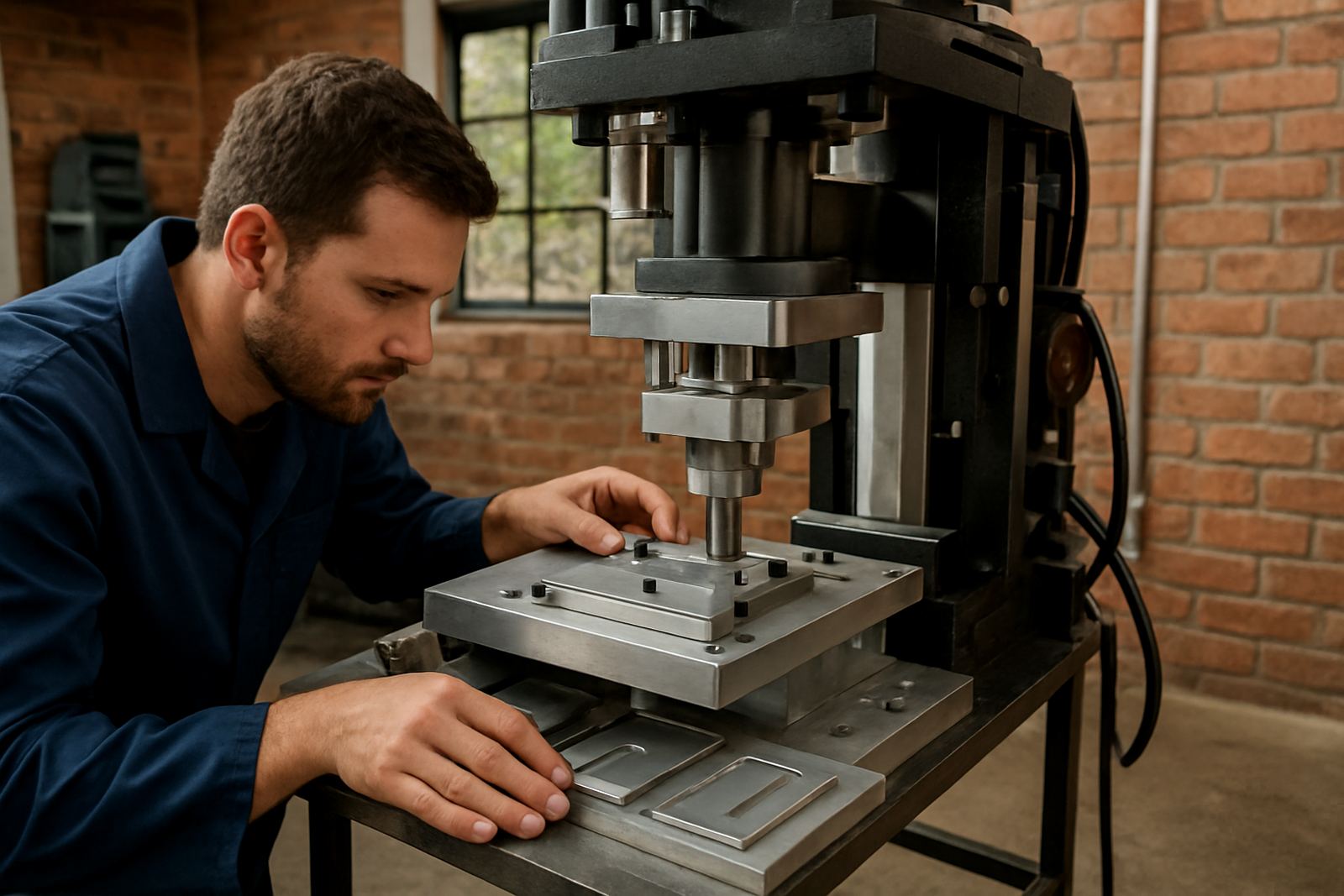
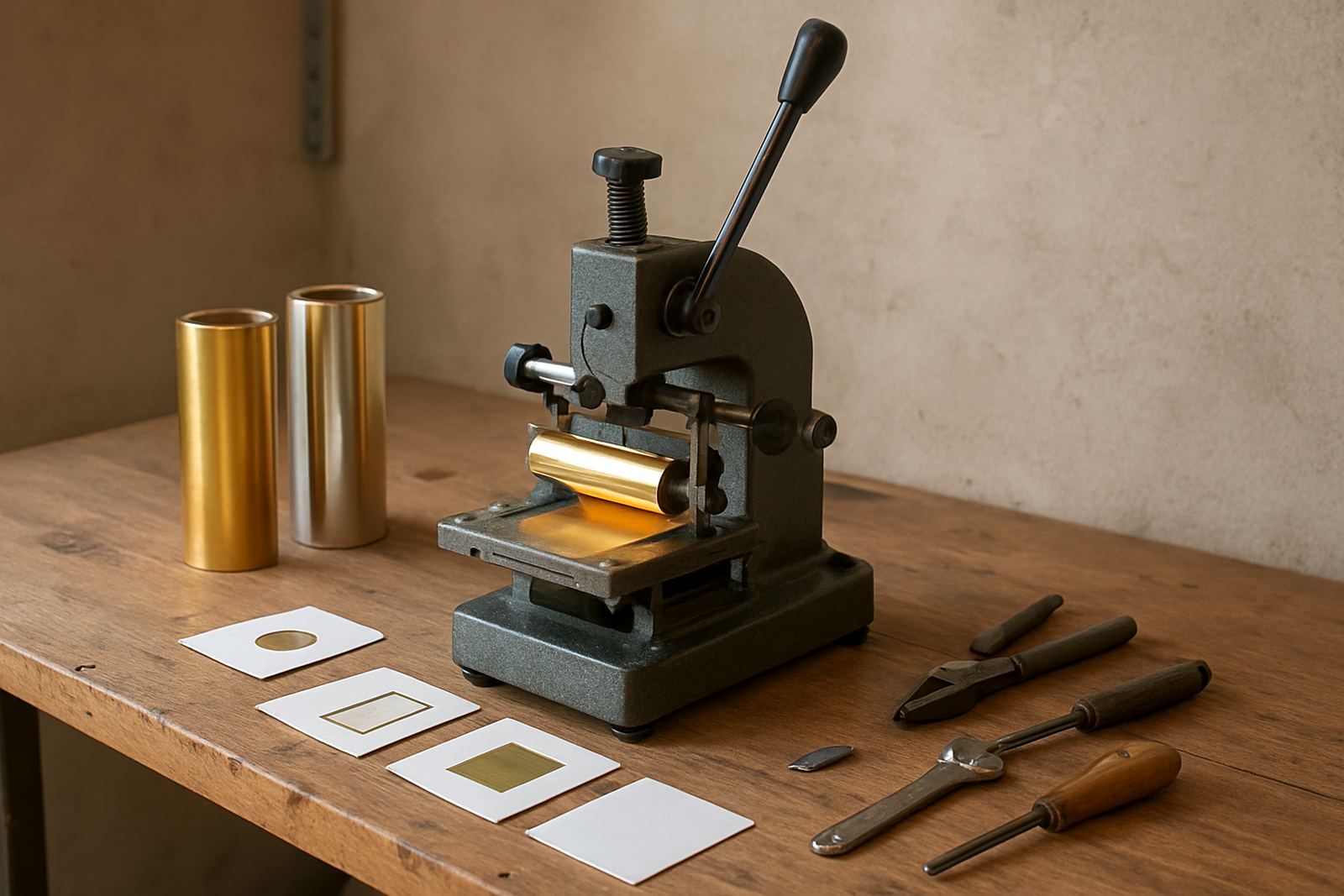
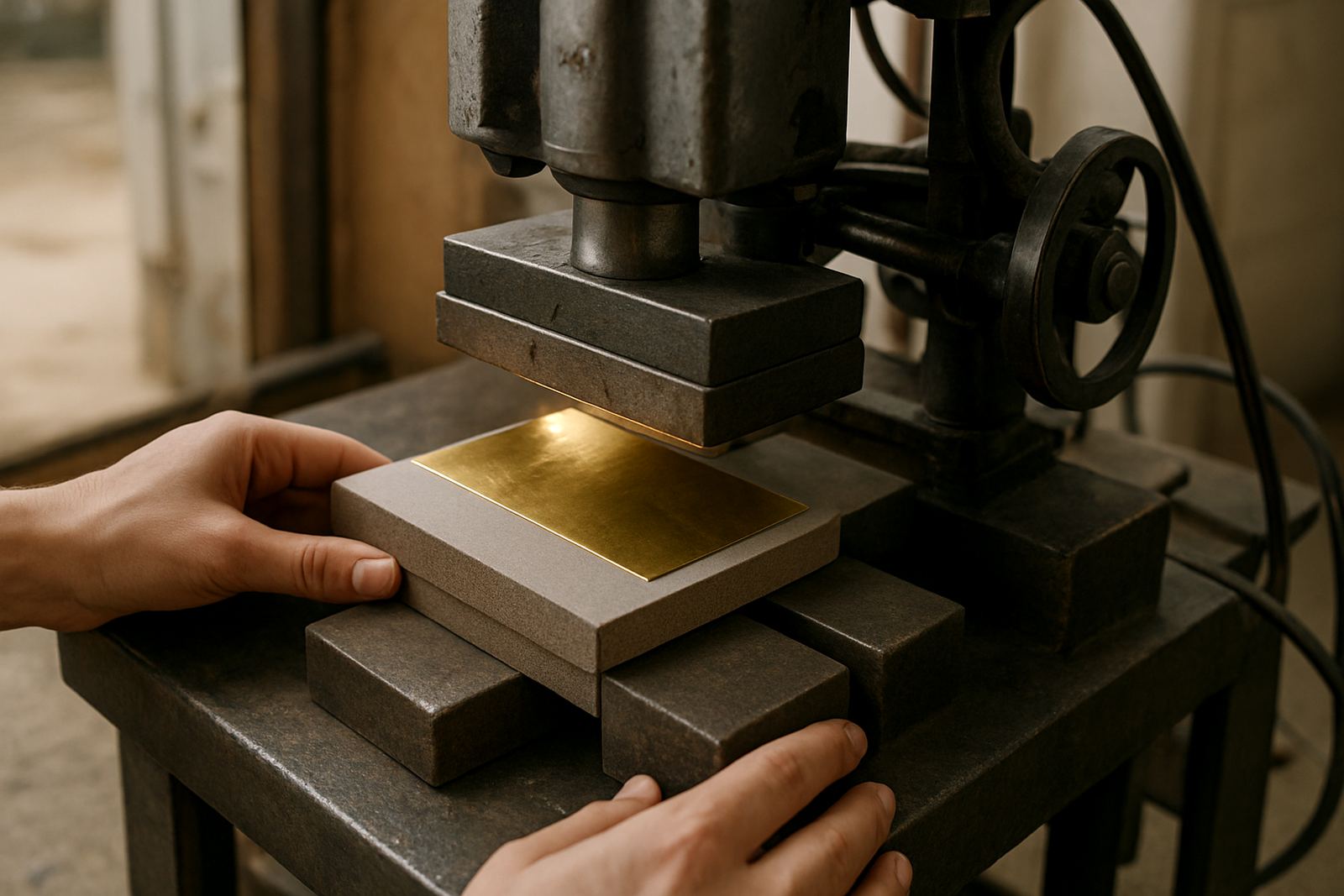
A heavy board press is made for jobs where standard light-duty equipment starts to struggle. When you are working with thick board, duplex carton, rigid covers or packed sheets with a deeper grain, you need a machine that keeps temperature steady and delivers pressure evenly across the whole die area. That is what gives you a crisp foil pull instead of patchy transfer or dull edges.
In practical terms, this press is used when the board thickness, texture or production pace calls for more control. It suits packaging producers, premium stationery makers, display manufacturers and short-run converters who want cleaner output on heavier stock. The frame, heater system and pressure assembly are set up to handle repeated use without drifting off setting after a few cycles.
FoilPress supplies this class of press for South African workshops that need dependable output in Johannesburg, Roodepoort, Randburg, Midrand, Sandton and Germiston, with supply and support available nationwide.
Sizes and configuration choices for your line
Heavy board presses are supplied in a range of bed sizes and press formats so the machine can match the product line. Smaller units suit sample packs, luxury tags and short board runs, while larger beds are better for carton lids, rigid presentation covers and wide packaging panels. The main thing is choosing a platen size that gives enough working area around the die without wasting space or heat.
Options usually include manual, semi-automatic or production-focused setups, depending on the output you need and the space available in the workshop. Some clients need a compact unit for a smaller print room, while others need a floor-standing machine that can take more frequent loading and heavier daily use. If your work changes often, it is worth planning for adjustable pressure and accurate heater control from the start.
- Bed sizes for small, medium and larger board formats
- Temperature control for stable foil release on thick stock
- Adjustable pressure for different board grades and die depths
- Suitable for flat sheets, covers, cartons and selected packaging parts
Where heavy board presses suit best
This type of press is used where the substrate is thick enough to absorb more heat and require a firmer closing force. That includes rigid presentation boxes, premium folders, heavy cartons, book covers, sample packs and point-of-sale packaging. It is also useful for jobs with fine detail, because the added stability helps the foil sit cleanly on sharp lines and small type.
It works well in busy Gauteng production spaces, but the same unit is suitable for coastal and inland sites too, provided the machine is kept clean and protected from dust and humidity. In Durban or Gqeberha, for example, foil storage and heater settings need attention because moisture can affect the material. In Johannesburg, load-shedding planning matters more, so many workshops ask about power recovery and safe restart procedures before placing an order.
- Card and packaging businesses handling thicker stock
- Short-run premium print jobs and sample production
- Book cover and rigid board finishing
- Packaging workshops needing repeatable results day after day
Installation, power and workshop setup
Correct installation makes a direct difference to performance. The machine needs a level floor, enough working clearance for loading and safe operator movement, and a stable electrical supply sized for the heater and drive system. If the press is going into an older workshop, we will often check the incoming supply, earthing and socket arrangement before commissioning.
Most heavy board presses are installed on a dedicated circuit with proper protection and a suitable isolation point. If the site uses backup power during load-shedding, the inverter or generator must be sized carefully so the press heats properly and does not trip under start-up load. Some sites also need compressed air for related workshop equipment, so it helps to confirm the full set-up in advance. We can advise on the practical requirements before delivery so there are no surprises on installation day.
Our team handles press installation, pressure setup, heater calibration and operator training. That means your staff can start with the right settings and avoid the wasted board that comes from guessing at heat or force.
Care, servicing and day-to-day upkeep
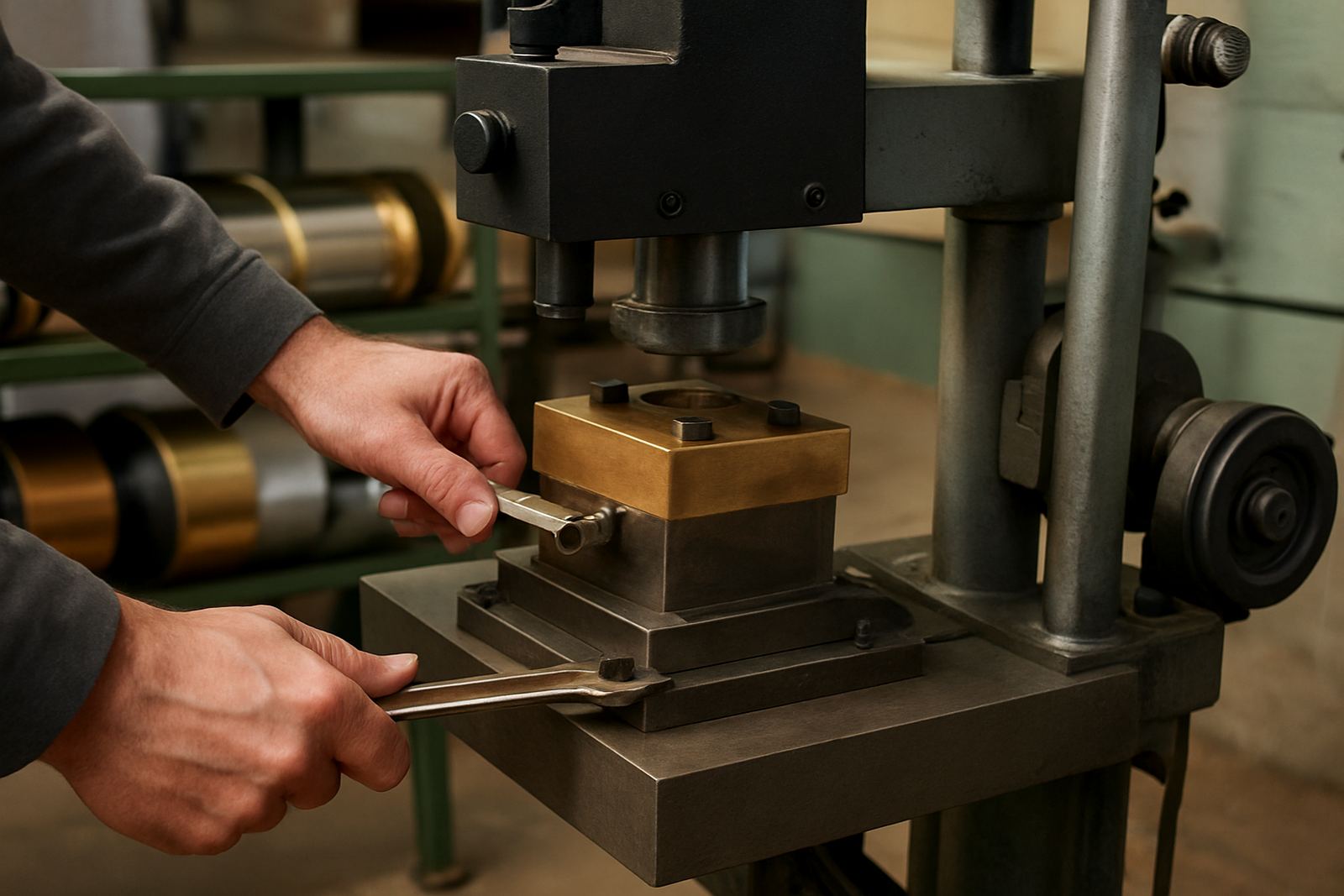
Heavy board pressing is not a machine you can ignore between jobs. Heat plates need to stay clean, pressure guides must move freely, and the press should be checked for uneven wear on the mounting area. On thicker board work, small setup changes show up quickly in the finish, so regular monitoring saves both foil and substrate.
A good maintenance routine includes preventive servicing, die mounting checks, heater calibration and inspection of moving parts. If the press starts giving weak transfer on one side, it may be a sign of pressure imbalance, temperature drift or a worn mounting face. Catching that early is cheaper than running a full batch with poor results. We also keep spares supply moving for common wear items, which helps reduce downtime when a workshop is under pressure.
- Wipe down heated surfaces after use
- Check foil tracking and die alignment before each run
- Keep board dust away from guides and control areas
- Book servicing before the machine starts losing consistency
What to confirm before you place an order
When ordering a heavy board press, the most useful information is the stock type, finished board thickness, foil area and daily output target. If you are stamping one large carton style all week, the right specification will be different from a workshop that changes between 3 or 4 products every day. It helps to know whether the machine must handle deep embossing, fine type or broad coverage areas.
Also confirm the available floor space, power supply, whether you run on municipal power only or also on generator backup, and whether any compressed air is already available in the workshop. If your operation is in a humid area, foil storage matters too because poor storage can affect release and finish. For buyers in Johannesburg City West and across the country, we can talk through the application and match the press to the work rather than forcing the work to fit the machine.
- Board thickness and material type
- Maximum foil area and die size
- Available power supply and backup arrangements
- Workshop space, operator flow and daily production volume
Key facts
| Application | Heavy board, carton and rigid packaging foil work |
|---|---|
| Press type | Hot-foil stamping press for thicker stock |
| Bed options | Multiple sizes available to match sheet and die format |
| Temperature control | Adjustable heat settings for stable transfer |
| Pressure setup | Fine adjustment for different board grades and die depths |
| Support | Installation, training, servicing and spares supply from Johannesburg |