A small press made for careful foil work
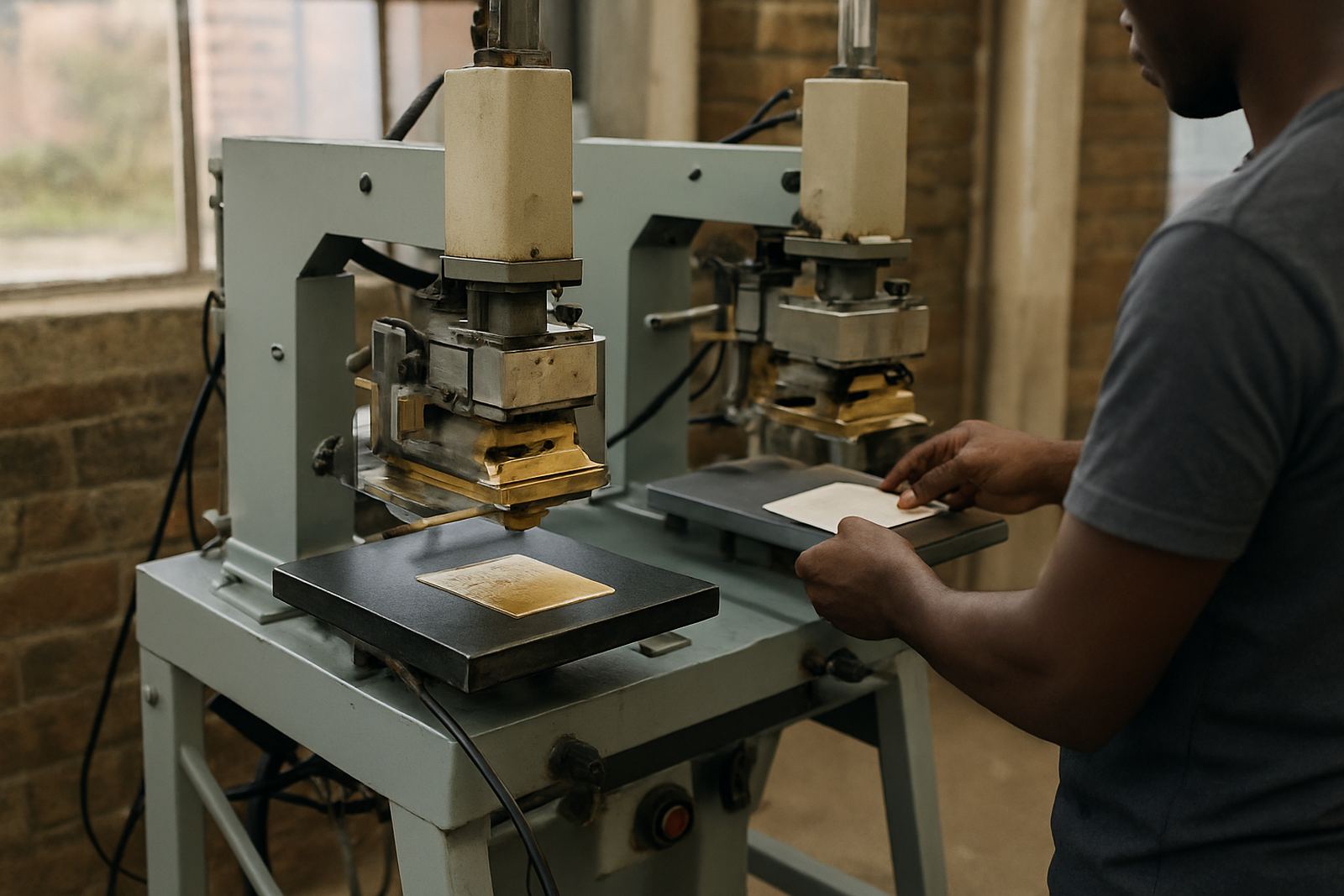
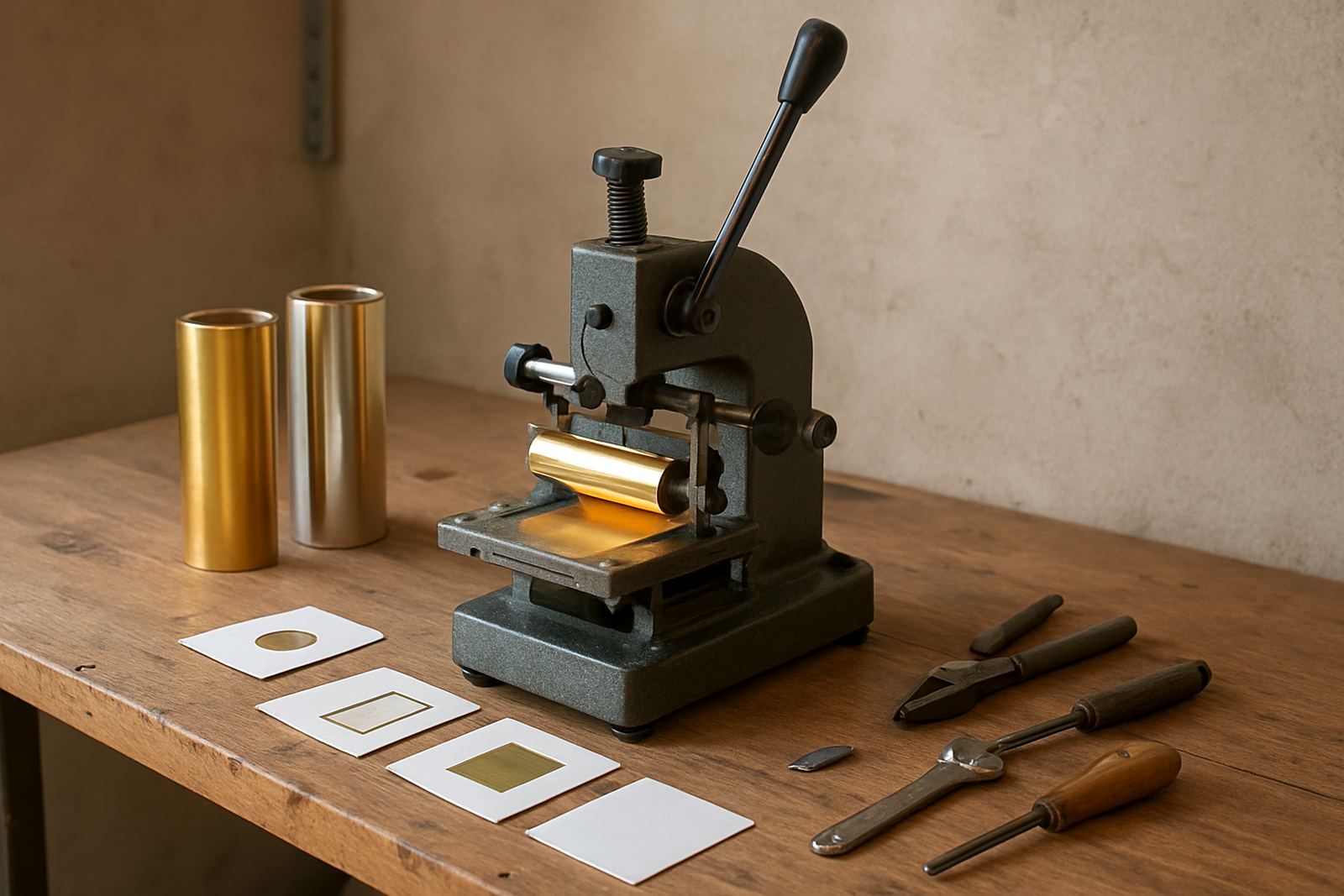
The Mini Manual Press is a hand-operated machine for applying foil to flat or lightly textured items in short runs. It gives you controlled pressure and clean registration on business cards, invitation cards, tags, labels and compact packaging parts. For businesses in Johannesburg, Roodepoort, Randburg and nearby areas, it is often the first press bought when production starts in a spare room, workshop corner or small studio.
Because it is manual, the operator sets the job, lowers the head and works at a steady pace. That keeps it simple to use and easier to place in a smaller space. It is a practical choice for sample making, proofing and low to medium volume work where you want to test artwork, foil colour and die depth before moving to a larger press.
The machine is suited to South African conditions where workshop space may be limited and power cuts can interrupt fully automated equipment. A manual press lets you keep going with the right heating arrangement and sensible workflow, which can help when load-shedding or unstable supply is part of the day.
Typical sizes, bed options and job fit
Mini Manual Press units are normally supplied in compact bed sizes for small-format work. The right size depends on the largest artwork area you expect to stamp, how many pieces you produce per day, and how much room you have for stock, foil rolls and finishing tools. A larger bed gives more flexibility but needs a stronger bench and more reach from the operator.
- Small bed: ideal for cards, tags, labels and proof samples
- Medium bed: useful for small cartons, sleeves and flat inserts
- Raised or adjustable plate options: helps with different substrate thicknesses
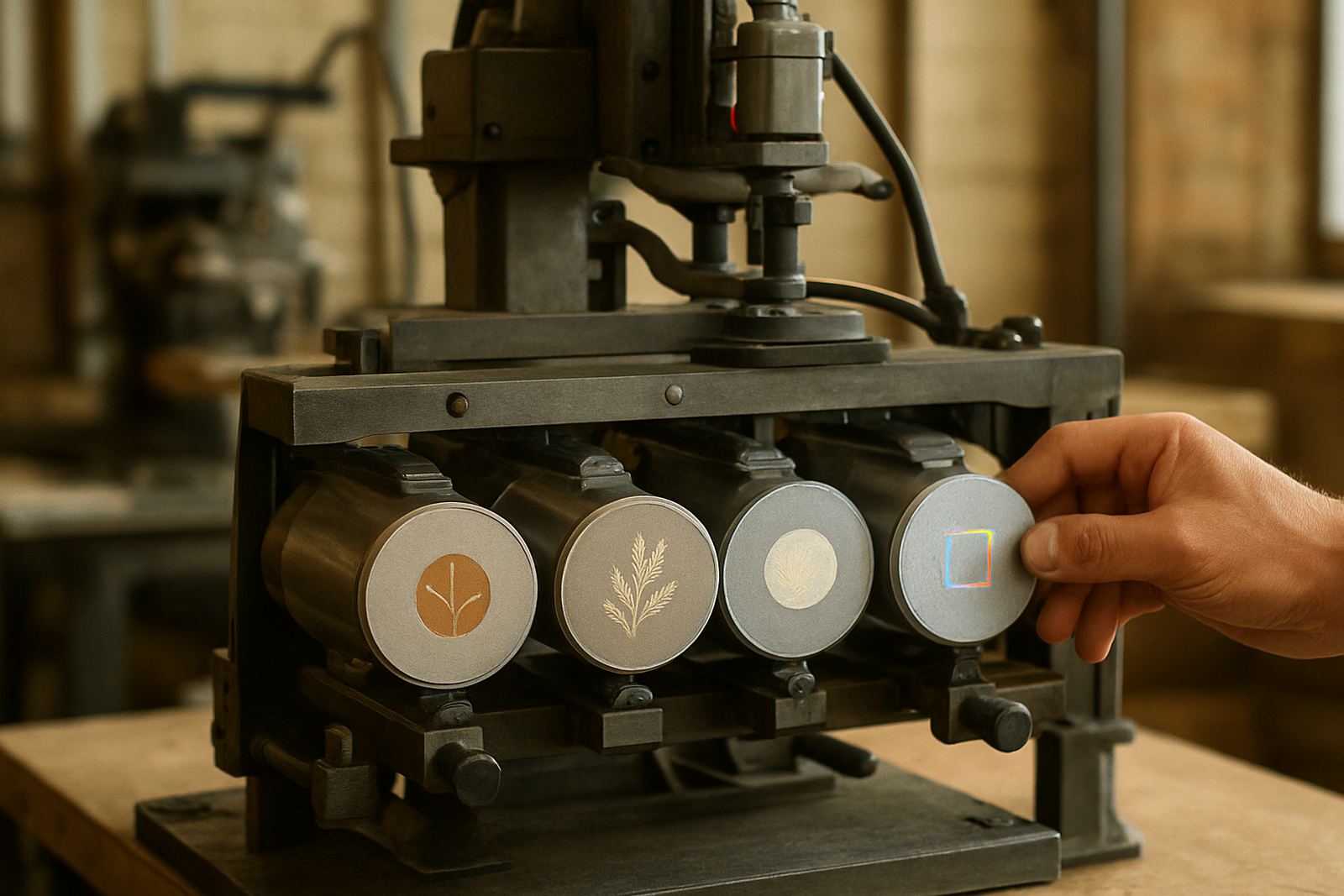
- Single or twin guide setup: supports better alignment on repeat jobs
For packaging businesses, the Mini Manual Press suits short runs with frequent artwork changes. For craft studios, it works well on wedding stationery, boutique labels and personalisation jobs. It is also useful in print shops that need a backup press for urgent sample approval, especially when a bigger machine is tied up on production.
What it can stamp and where it works best
This press is made for flat products with a defined foil area and a properly prepared die. It works best on paper board, printed card, laminated sheets and many packaging papers. With correct setup it can also handle some synthetic stocks and coated materials, although adhesion and release should always be tested before a full job starts.
Foil results depend on substrate, die quality, heat and pressure. In hot humid areas such as Johannesburg and the eastern suburbs, stock handling matters because moisture in the board can affect foil transfer. Keep materials sealed and let them acclimatise in the room before production. That small step can save time and wasted foil.
The press is commonly used for:
- Business cards and invitation cards
- Small carton panels and sleeve fronts
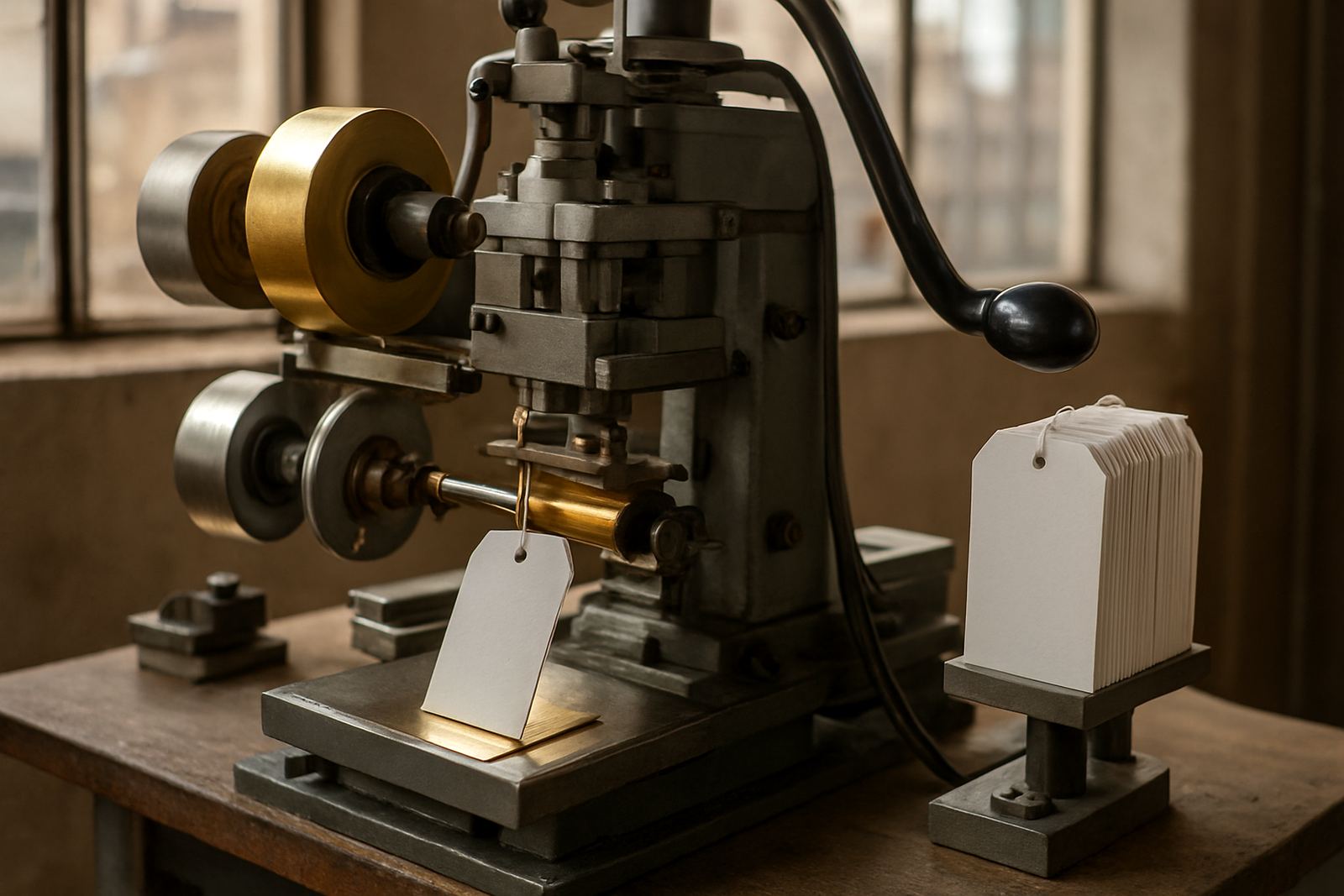
- Gift tags, seals and labels
- Short promotional runs and sample approvals
- Custom foil accents on craft and packaging items
Installation, heating and workshop needs
Installation is straightforward, but the machine should still be placed on a firm bench with enough working space around the sides and rear. The operator needs room to load the substrate, position the die and check alignment without stretching or lifting awkwardly. A level surface also helps with repeatable pressure and cleaner stamping.
Most Mini Manual Press setups need single phase electrical power for the heating system, if fitted, and a stable plug point close to the bench. A dedicated supply is preferred where possible. No gas supply is required for standard use. If your workshop in Industria West, Germiston or Midrand has frequent voltage dips, it is worth planning backup power or surge protection so temperature stays steady and the heater does not cycle badly.
Keep the unit away from damp corners, open dust sources and direct sunlight. In coastal shipments heading to Durban, Gqeberha or elsewhere, allow the machine and dies to settle in the room before use. Sudden temperature swings can affect setup and foil behaviour, so a bit of patience at start-up helps a lot.
Care, servicing and day to day upkeep
A manual press is simpler than a larger automated unit, but it still needs regular attention. Wipe down the bed after each shift, check moving parts for wear, and keep foil scraps away from heaters and guides. If pressure starts to vary, do not keep forcing the same setting. Check alignment, die mounting and the condition of the substrate first.
Basic servicing should include heater calibration where applicable, pressure setup checks, lubrication of moving pivots, and inspection of cables, switches and fasteners. In busy studios, a quick weekly check can prevent bigger stoppages later. Preventive servicing also helps maintain foil finish consistency, which matters when a client expects every card to match the approval sample.
- Clean the bed and surrounding area daily
- Check die fixing before every run
- Store foil rolls flat and dry
- Keep spare pads and consumables on hand
- Book servicing before peak season or year end rushes
FoilPress supports servicing and breakdown repairs from Johannesburg City West across surrounding areas, with practical help for operators who need the machine back in production quickly. That includes production advice when a job is giving trouble and the issue is not immediately obvious. Small adjustments can make a big difference, even on a compact press.
What to confirm before you place an order
Before ordering, check the largest finished size you need, the type of material you stamp most often and how many impressions you expect in a normal day. Also confirm whether the job needs a heated setup, the thickness of your substrate, and the amount of bench space available. If you are planning to foil both card and packaging, it is sensible to ask about the range of dies and plate options that suit your work.
You should also confirm the electrical supply available at your premises, the foil colours you use most, and whether you need operator training for more than one staff member. Many small shops grow faster than expected, so it helps to choose a press with a little room for expansion rather than buying only for the first month’s volume.
If you are comparing options, ask for guidance on foil matching, pressure setup and die mounting before the machine is dispatched. That support can save time on commissioning and help your first jobs run properly instead of being trial and error. For businesses in Sandton, Randburg, Roodepoort and beyond, the right setup from day one often pays for itself in reduced waste and fewer reworks.
Key facts
| Type | Hand-operated mini hot-foil stamping press |
|---|---|
| Typical use | Cards, tags, labels, small cartons and sample runs |
| Working size | Compact bed sizes for short-run and small-format work |
| Power needs | Single phase electrical supply for heating, if fitted |
| Installation | Bench mounted on a level, stable surface |
| Support | Installation, training, servicing, repairs and spares supply |