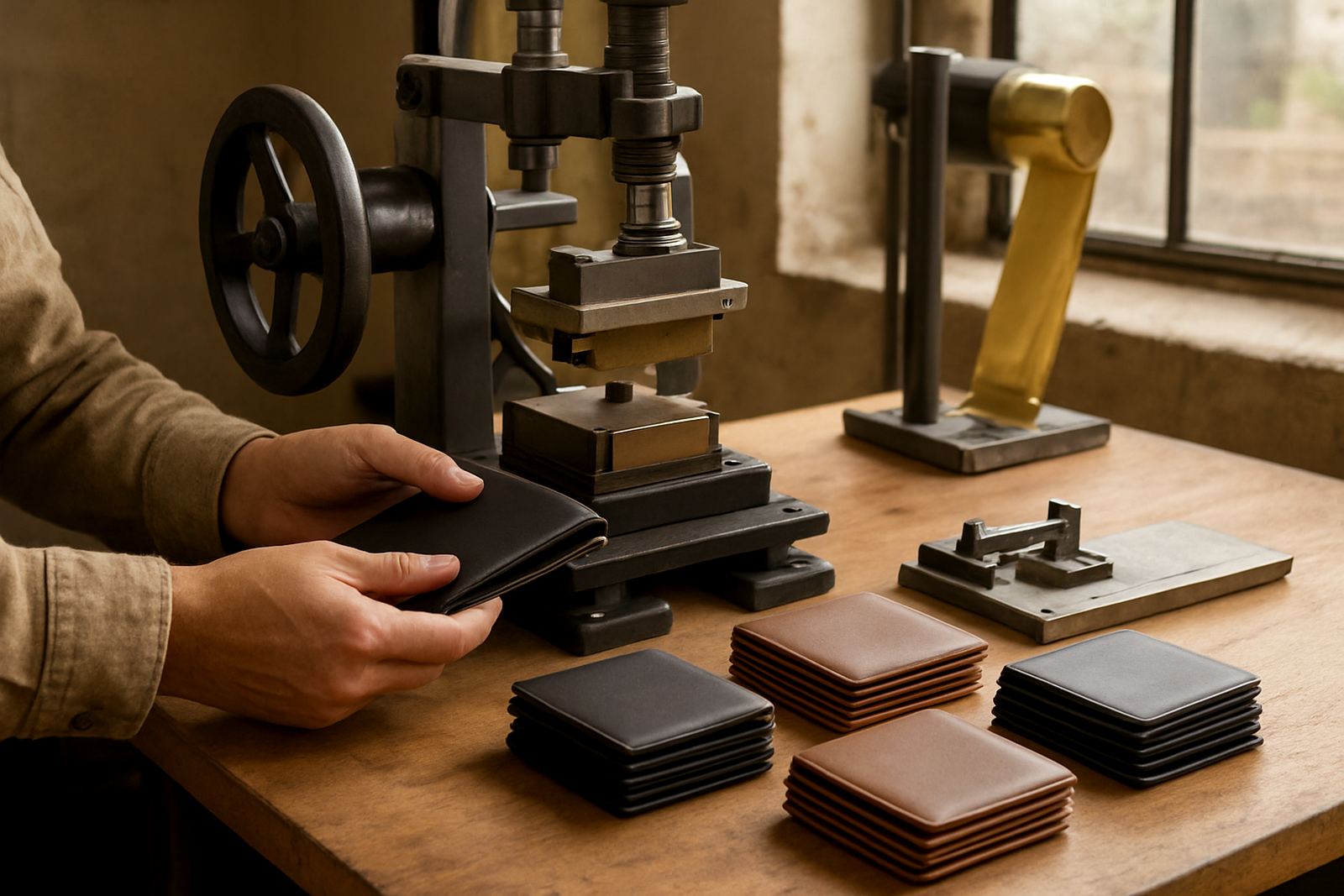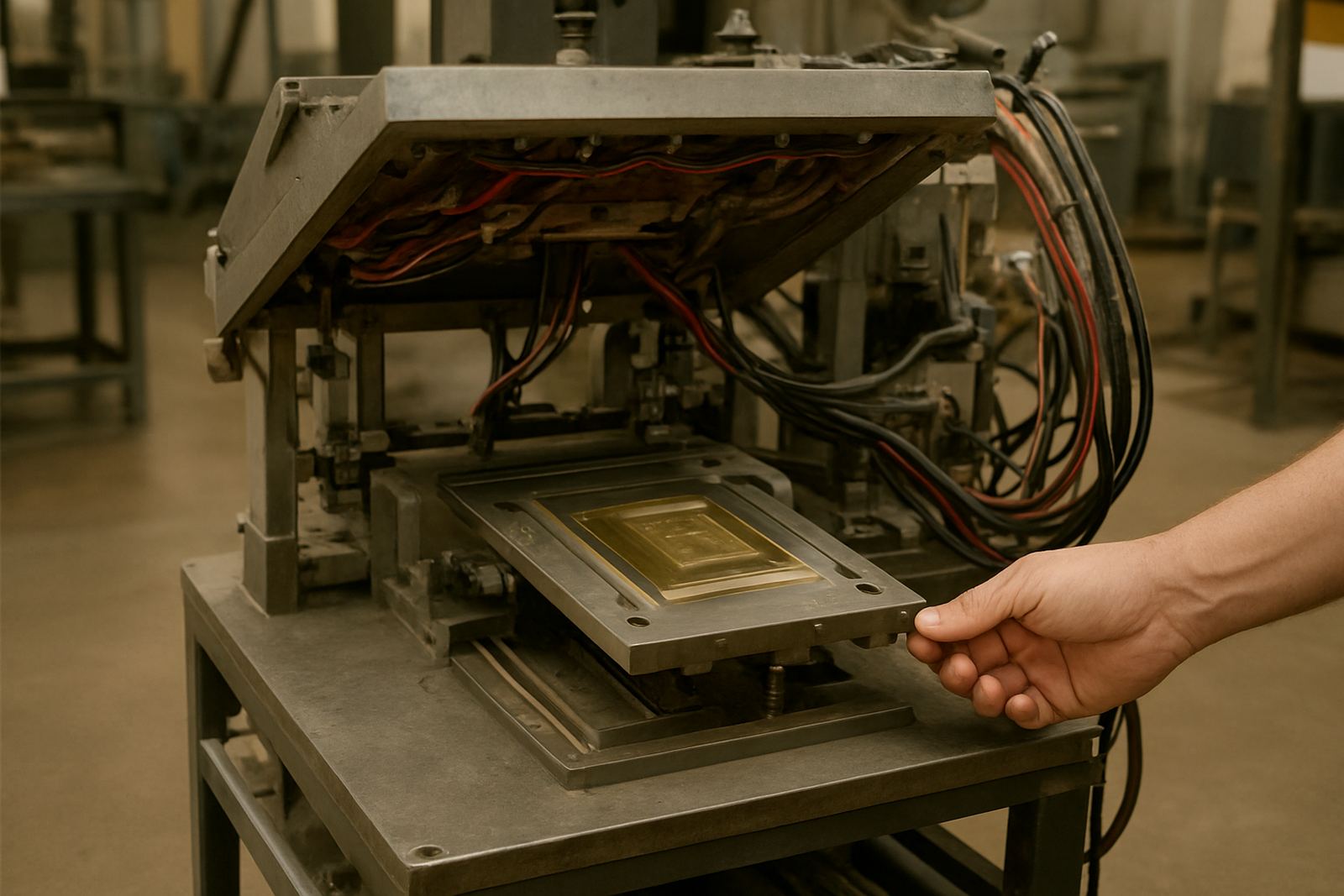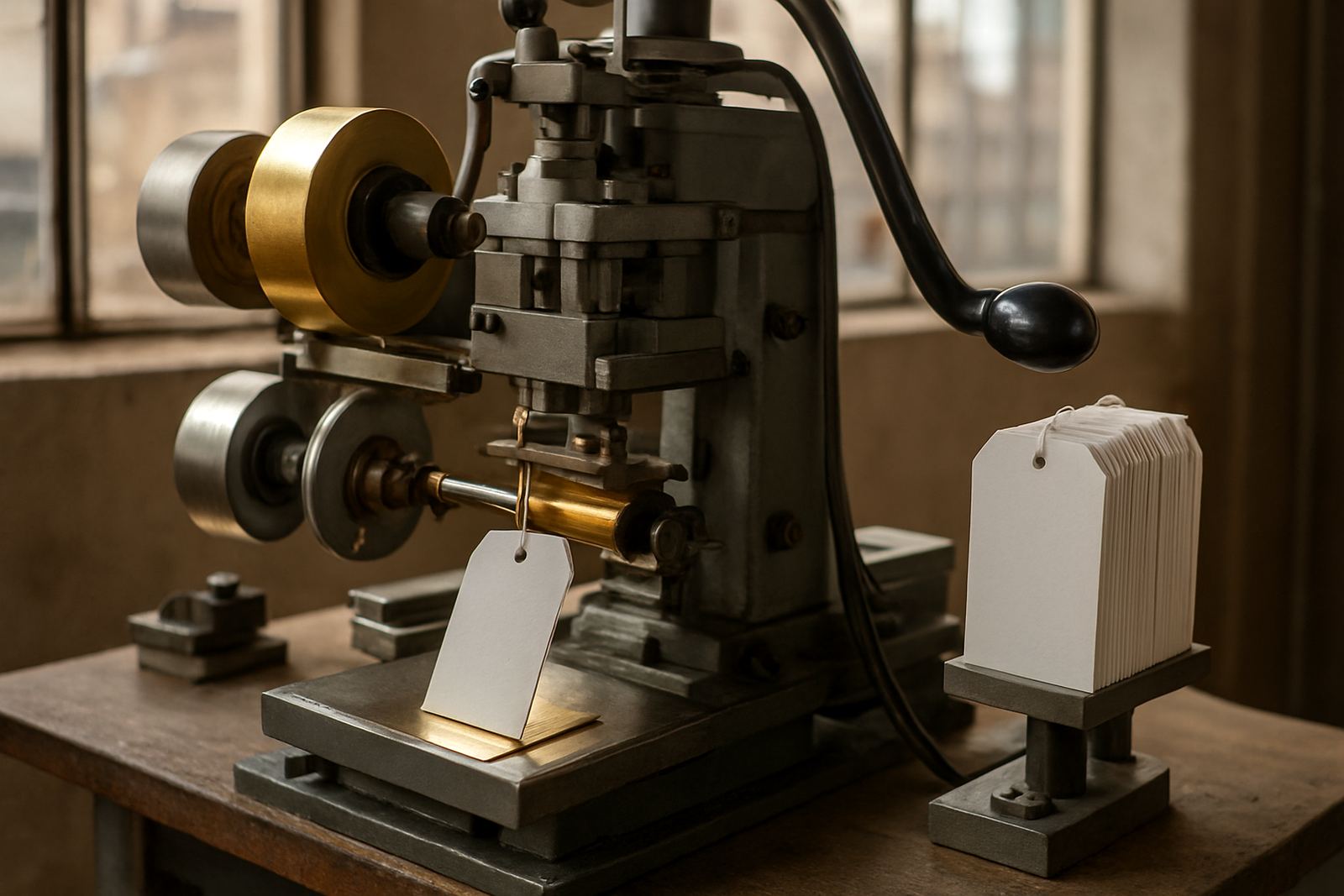
Built for tags that need sharp detail
This press is made for small format work where the finish must stay neat from the first tag to the last. It handles foil stamping on card and board used for price tags, gift tags, garment swing tags, care labels and product hangers. For shops, printers and pack houses, the main value is control: clean edges, good pressure and even heat across a small print area.
Tag work often uses narrow spaces, serial numbers, logos and fine borders. A proper tag foil press helps prevent patchy foil pickup, ghosting and uneven depth on each impression. If you run mixed batches for clothing, cosmetics, craft products or seasonal promotions, it gives you a dependable way to keep the finish consistent without wasting foil or tag stock.
- Suitable for short runs and repeat tag orders
- Works with paperboard, laminated card and selected coated stocks
- Good for foil detail, serial marks and decorative brand accents
- Useful where neat appearance is important at point of sale
Sizes and working options for small hanging labels
Tag foil presses are usually set up with a compact working area so the operator can place small items accurately and keep make-ready time low. Common platen sizes for this type of work include 100 x 150 mm, 150 x 200 mm and 200 x 300 mm, depending on the tag size and the amount of foil coverage required. Smaller formats suit jewellery tags, garment tickets and promotional hangers, while larger plates help when you are running multiple tags on one sheet.
You can order the machine with manual, semi-automatic or controlled cycle operation, depending on your output and operator skill. Some users prefer a simple hand-feed setup for craft batches and sample work. Others need a more steady cycle for production lines. Foil feed width, impression depth and timer settings should all be matched to the board thickness and the look you want. That is where a proper setup matters, because a tag that is too thin will buckle if the pressure is not right.
- Working area options from compact to mid-size tag formats
- Timer control for dwell time and repeatability
- Adjustable pressure for different card weights
- Foil feed suitable for narrow and standard strip widths
Where this press suits best in South African production
In Johannesburg, Pretoria, Durban and Cape Town, tag foil presses are often used by printers, branding shops, clothing manufacturers and packaging teams that need a clean premium look without sending work out. They also suit smaller craft businesses in places like Roodepoort, Randburg, Midrand, Sandton and Germiston that produce limited batches and need something they can run in-house.
This setup works well for retail tags, bottle neck hangers, product swing tags, event tags and sample labels. It is especially useful for businesses that need quick turnarounds before launches, market weekends or trade shows. If you are working near the coast, storage matters too. Humidity can soften some board stocks and affect foil release, so it helps to keep material sealed and store it away from heat and damp areas.
- Retail and clothing tags
- Cosmetic and fragrance hangers
- Gift tags and event labels
- Short-run packaging inserts
Installation, power and workshop needs
FoilPress handles press installation, pressure setup and operator training so the machine arrives ready for real work, not just display. A tag foil press normally needs a stable work surface, clear access for the operator and enough space around the machine for stock, foils and finished tags. For safe running, the setup area should also allow for cooling time and easy cleaning after each shift.
Most presses of this type use standard single phase electrical supply, but the exact load depends on platen size and heater output. In many Johannesburg workshops, a dedicated circuit is preferred so the press is not sharing power with cutters, compressors or other heat equipment. During load-shedding, an approved backup supply can help protect production, though it must be sized correctly for heater draw and start-up load. If your site uses gas assisted heating or other special options, the installation should be checked for ventilation and local safety rules. A small mistake here can affect both finish and safety, so get the setup calbrated before full production starts.
- Needs level placement and a steady work area
- Power requirements depend on platen size and heater rating
- Backup supply should be checked against actual load draw
- Operator training helps reduce waste and foil waste on start-up
Care, servicing and what to keep an eye on
Tag foil presses give the best results when the heat, pressure and timing stay consistent. Preventive servicing should include heater calibration, pressure checks, cleaning of the platen area and inspection of moving parts. If the temperature drifts or the pressure is uneven, the foil may look dull on one side of the tag or over-pressed on another. That can be costly when you are running several hundred labels in a day.
Foil rolls should be stored dry and flat, away from direct sun and damp concrete floors. Card stock should also be kept sealed where possible. In humid months, especially along the coast, a tag that has picked up moisture can curl during pressing. If you see foil pulling out, cracking or not releasing cleanly, check the die temperature, dwell time, pressure and stock condition before blaming the foil. Regular servicing also helps reduce unexpected breakdowns and keeps the machine ready for seasonal spikes.
- Check heater stability and pressure alignment regularly
- Clean foil residue from the platen and guides
- Store foil and tag stock in a dry room
- Book servicing before peak production periods
What to confirm before you order
Before ordering a tag foil press, confirm the exact tag sizes you want to run, the board thickness, the amount of foil coverage and whether the work is single item or sheet fed. A press for small hanging labels is not the same as a machine for larger packaging panels, so the working area must match your actual jobs. If you already use a die system, check mounting size and compatibility too.
It also helps to know your daily output, the finish you want, and whether you need help with foil matching for gold, silver, black, pigment or special effect colours. FoilPress supplies spares, training and production support from Industria West in Johannesburg, with service across Roodepoort, Randburg, Midrand, Sandton and Germiston. If you are unsure, send a sample tag and a short job description. That gives the team a clear starting point for spec selection and set-up advice.
- Tag size and layout
- Board type and thickness
- Expected daily or weekly output
- Foil colour, finish and coverage area
- Power supply and site conditions
Key facts
| Product type | Hot-foil press for retail tags, swing tags and hanging labels |
|---|---|
| Working area | Compact to mid-size formats, typically 100 x 150 mm to 200 x 300 mm |
| Material range | Paperboard, coated card and selected laminated tag stocks |
| Control features | Heat, pressure and dwell time adjustment for repeatability |
| Power | Single phase supply on most models, final rating depends on platen size |
| Support | Installation, operator training, servicing, repairs and spares supply |