Made for small-format foil work
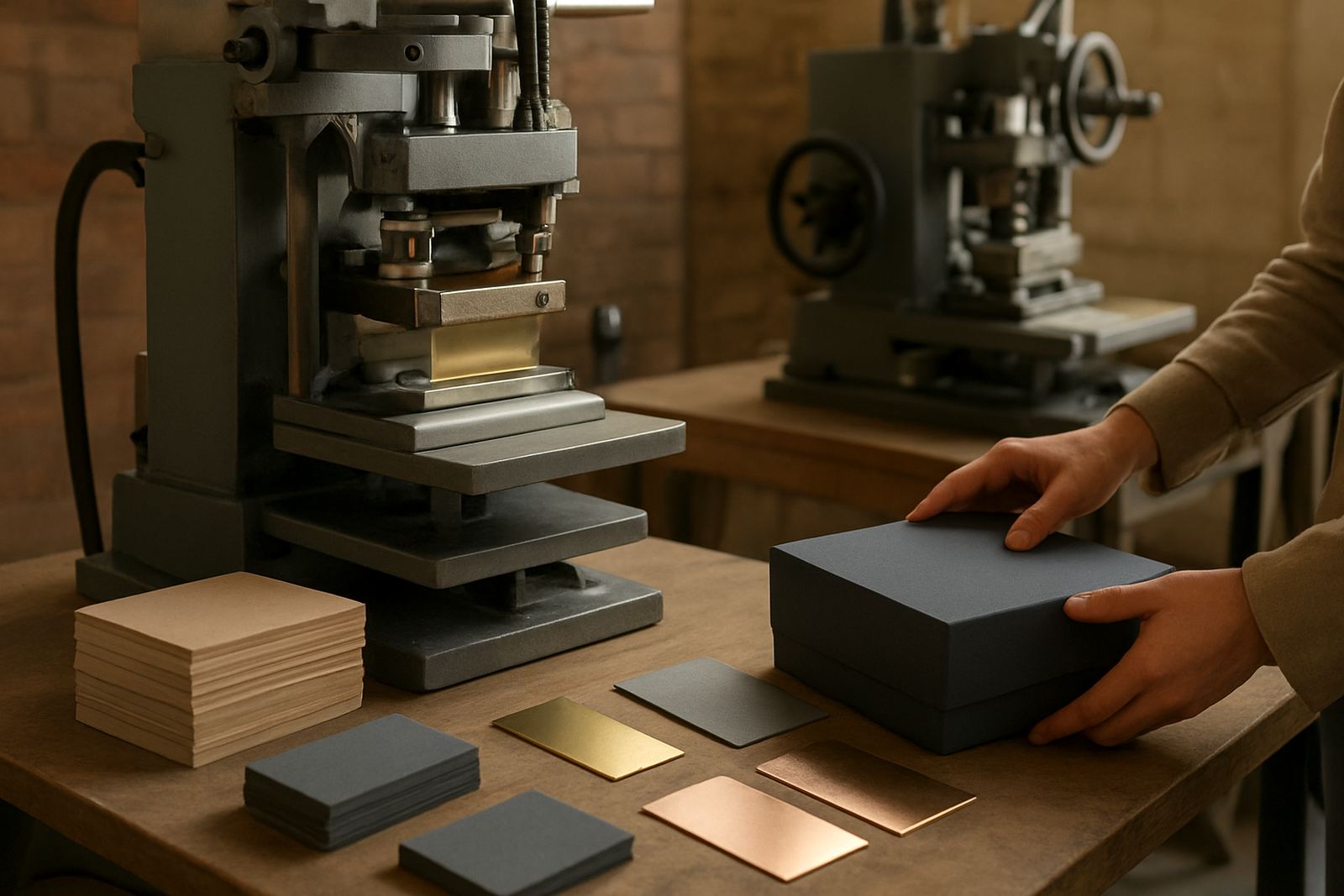
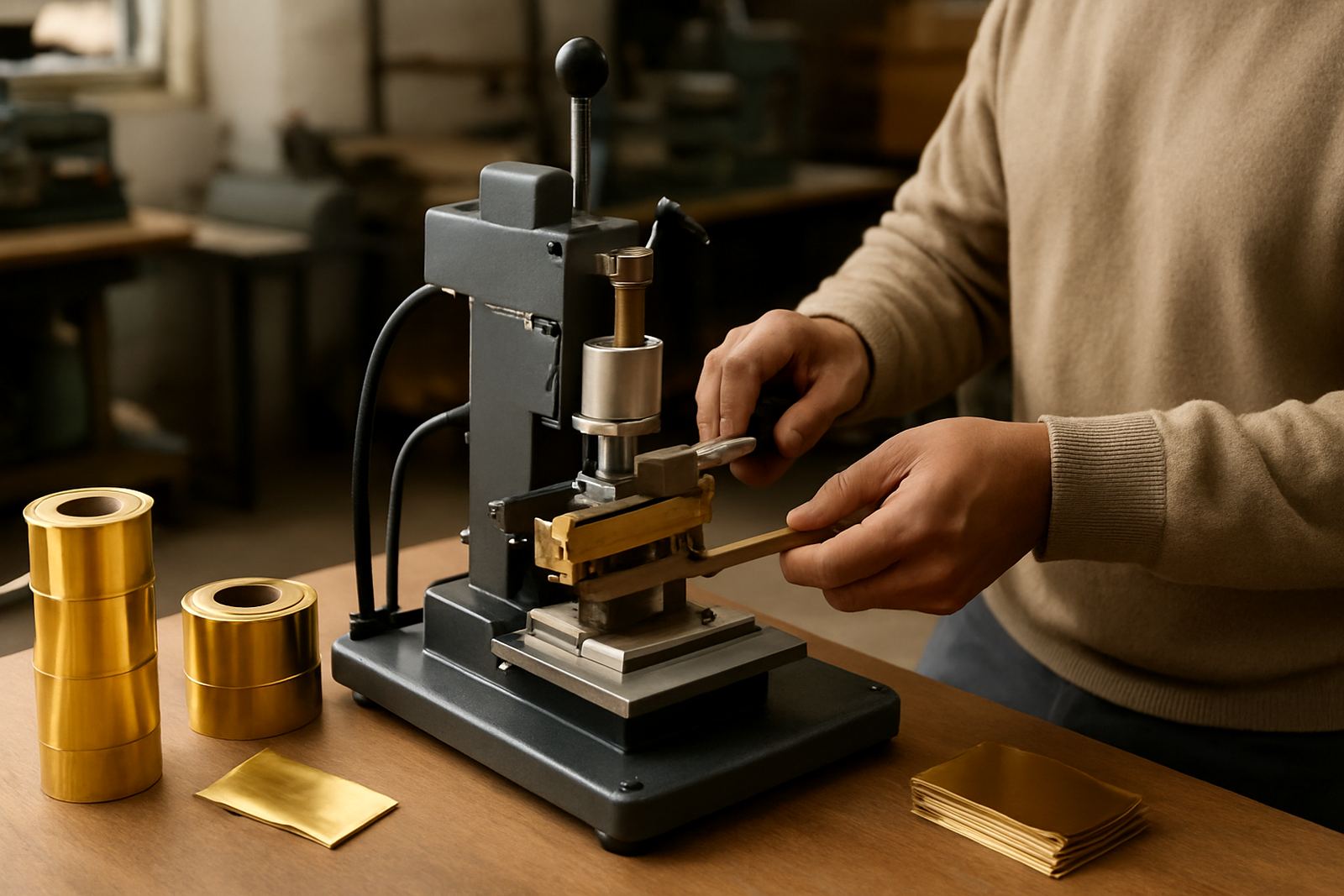
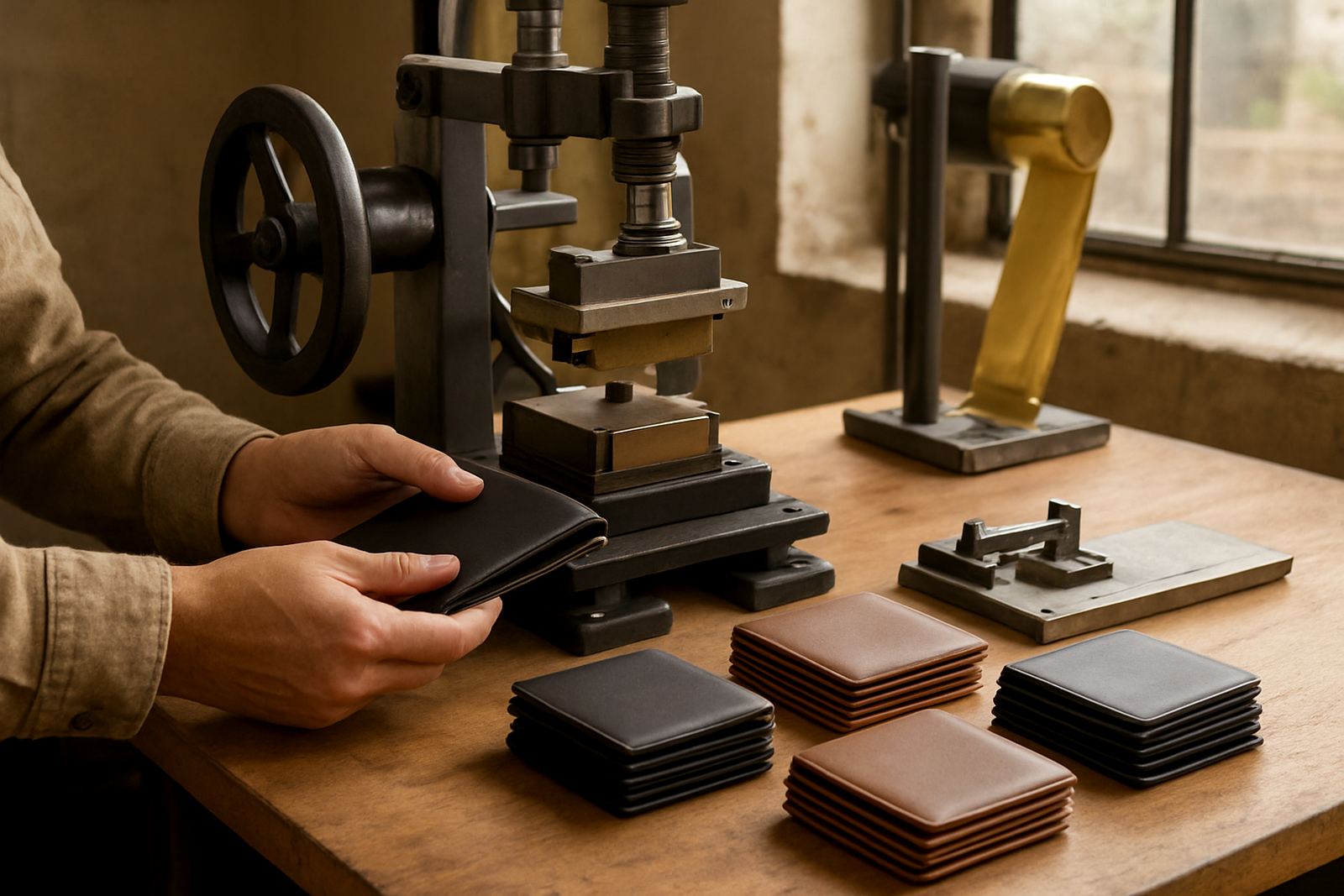
The Wallet Maker Press is set up for items that are too small or too awkward for a general purpose press. Think slim wallets, card sleeves, ID holders, presentation covers and compact packaging panels where the foil area must sit square and repeat in the same place all day. This type of press helps reduce waste, which is important when you are running imported foils, short deadlines and tight margins.
For shops in Johannesburg, Pretoria, Durban, Cape Town or inland production areas, the main advantage is control. The platen size, heat spread and pressure range are suited to smaller workpieces, so you do not need to fight against oversized tooling. That means better registration on repeat jobs and less spoilage when a run has to be finished before courier collection or a client pickup in town.
Sizes, options and layout choices
FoilPress supplies the Wallet Maker Press in a layout suited to compact production spaces and focused applications. The exact working area can be matched to your item size, die size and production method. If you are making narrow sleeves, front-panel branding or repeated corner marks, the machine can be specified so the useful area matches the job, not the other way round.
- Working area options for small wallet and sleeve formats
- Manual or semi-assisted feed layouts depending on throughput
- Adjustable temperature control for foil and substrate variation
- Pressure adjustment for leatherette, paperboard and coated stock
- Single-position or repeat-placement setup for batch work
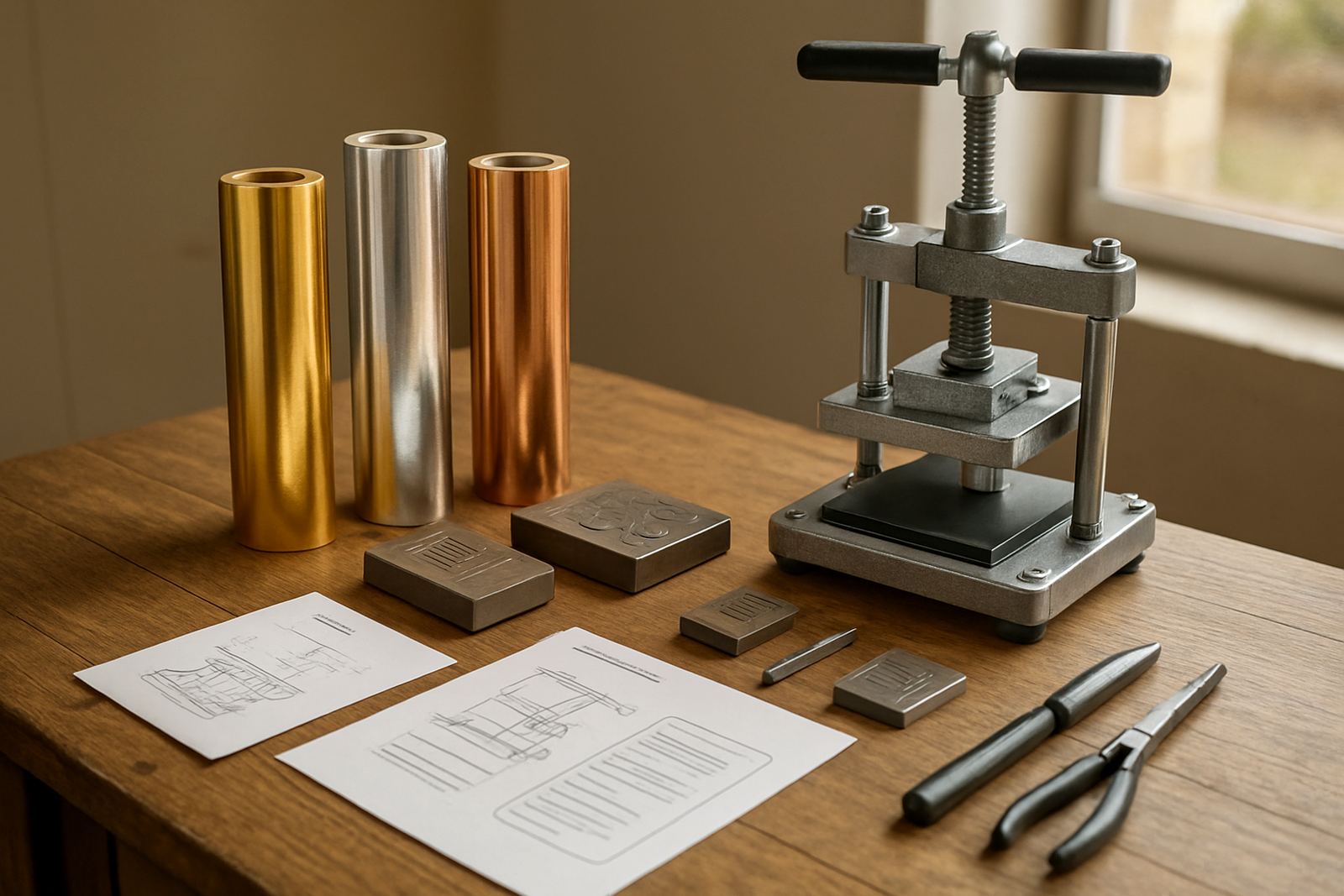
The press can also be matched with the right foil type for the finish you want, whether that is metallic gold, silver, copper or a colour foil for packaging detail. If your work changes often, it helps to choose a layout that allows quicker die changes and easier fine-tuning between jobs.
Where the Wallet Maker Press suits best
This press suits card and packaging operations that need precise hot-foil application on smaller items. It is commonly used for gift wallet covers, luxury sleeve branding, stationery sets, promotional card holders, sample packs and custom packaging inserts. Craft businesses also use it for limited runs where presentation matters but the item size stays compact.
It is a practical choice when you need a neat foil result on a product that gets handled often. Wallet-style products can be tricky because the material may flex, curl or shift during pressing. With the right die mounting and pressure setup, the Wallet Maker Press helps keep the work centred and the foil clean. For coastal areas, storage and handling also matter because humidity can affect stock, so keeping the material dry before pressing makes a real difference.
- Small wallet production
- Sleeves and covers
- Card holders and presentation folders
- Short-run packaging and sampling jobs
- Promotional and gift items
Installation, power and workshop requirements
Installation is straightforward when the workshop has a level floor, enough bench clearance and a stable electrical supply. The press is typically installed on a 220V single-phase supply, although the exact electrical requirement should be confirmed against the selected configuration. If your site has load-shedding, it is worth planning for proper switch-over procedure and allowing the machine to cool down safely after interruptions. Sudden stops during heating can affect foil quality and slow production.
For sites using a compressor or ancillary air assistance, clean dry air is important. Keep the unit away from damp walls, open water sources and direct dust flow from cutting or trimming areas. In Johannesburg’s industrial areas and in lighter production spaces around Roodepoort, Randburg or Midrand, we often see better results when the press is installed with enough room for operator movement and die handling. If the machine must be moved later, allow for clear access routes and forklift or trolley space.
Before installation, check the floor loading, available plugs, and whether your workshop has a dedicated area for foil rolls, dies and finished stock. A neat layout helps operators work faster and reduces mistakes during repeat runs.
Keeping output clean and consistent
Small-format foil work depends on routine care. The heater should be checked regularly, pressure settings should be recorded for repeat jobs and the platen surface should be kept clean from adhesive build-up or foil residue. A short daily wipe-down often prevents small faults from becoming bigger repairs later on. If the machine begins to mark unevenly or the foil starts lifting at one edge, the cause is often a simple setting issue, not a major breakdown.
FoilPress offers preventive servicing, heater calibration, die mounting, foil matching and breakdown repairs to support day-to-day production. In a busy workshop, it pays to schedule service before the peak season or before a large order lands. That is especially true for businesses that run both short runs and repeat customer work, because wear on guides, heating elements and pressure components can creep in slowly.
- Check heater temperature against your usual stock
- Keep dies clean and properly seated
- Store foils flat and dry
- Record pressure and dwell settings for repeat orders
- Book servicing before seasonal peaks
What to check before you place an order
When ordering a Wallet Maker Press, the first step is to match the machine to your product size and your daily output. Share the item dimensions, the foil area, the substrate type and the finish you want. If you are working on leatherette, coated board or laminated sleeves, say so early because each material responds differently to heat and pressure. That lets the team guide you toward the right working area and setup.
You should also confirm the following details before purchase: power supply, available workshop space, whether you need operator training, and how often you expect to run the press. If you are based in Germiston, Sandton, Industria West or further afield and need parts quickly, ask about spares supply and servicing cover. It is also useful to mention if you need the machine to handle a mix of short-run custom jobs and repeated production batches, because that changes the way the press should be configured.
Clear ordering information saves time, avoids wrong fittings and reduces stoppages after delivery. A few extra details at the start can make the first week of production much smoother, and the machine can be set up to suit your workflow from the begining.
Key facts
| Product type | Hot-foil stamping press for small wallets and sleeves |
|---|---|
| Primary use | Accurate repeated foil placement on compact card and packaging items |
| Working area | Configured to suit small-format production requirements |
| Power requirement | Typically 220V single-phase, subject to final configuration |
| Control features | Adjustable heat, pressure and dwell settings |
| Support available | Installation, training, servicing, repairs and spares supply |