Built for rigid board and premium packaging parts
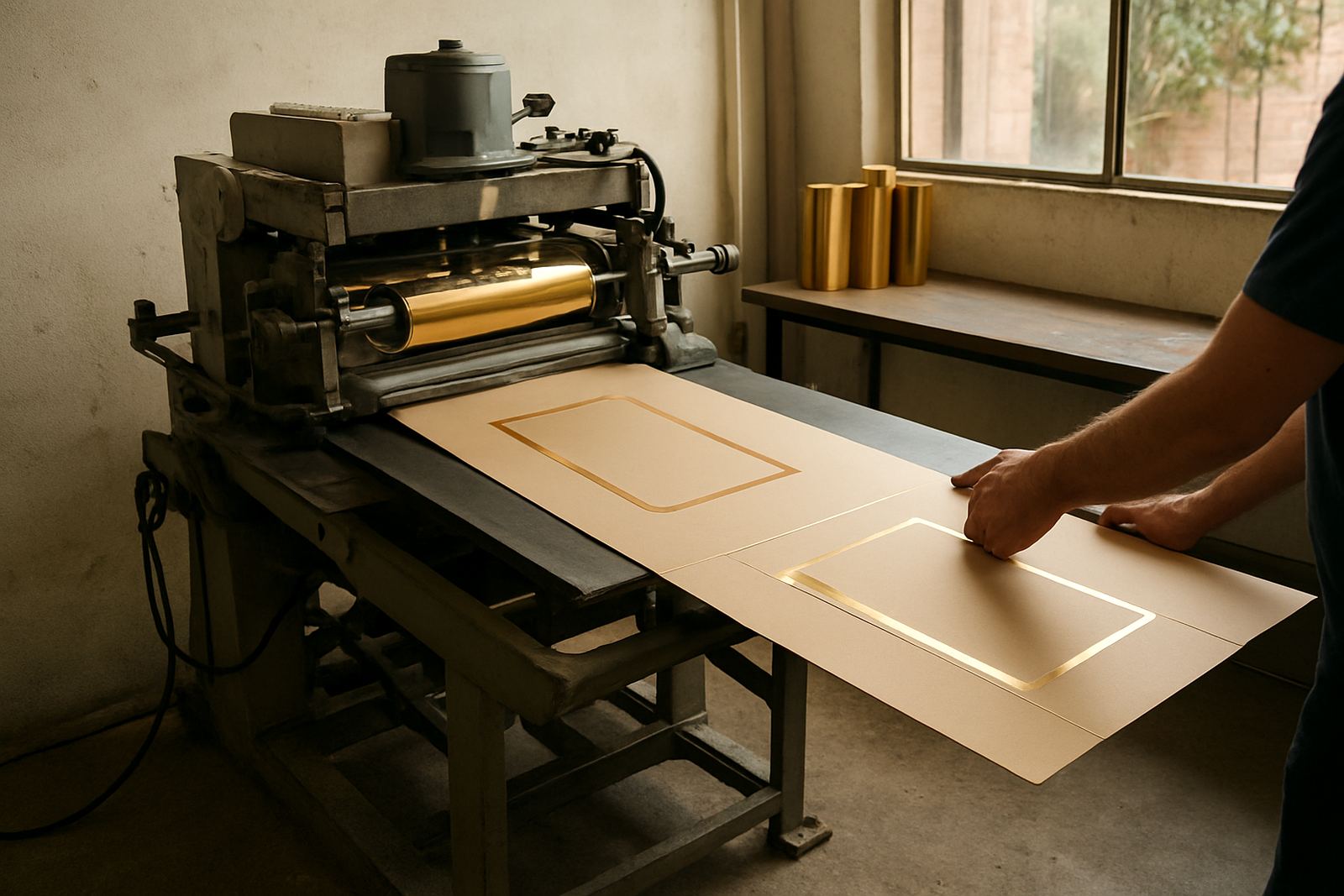
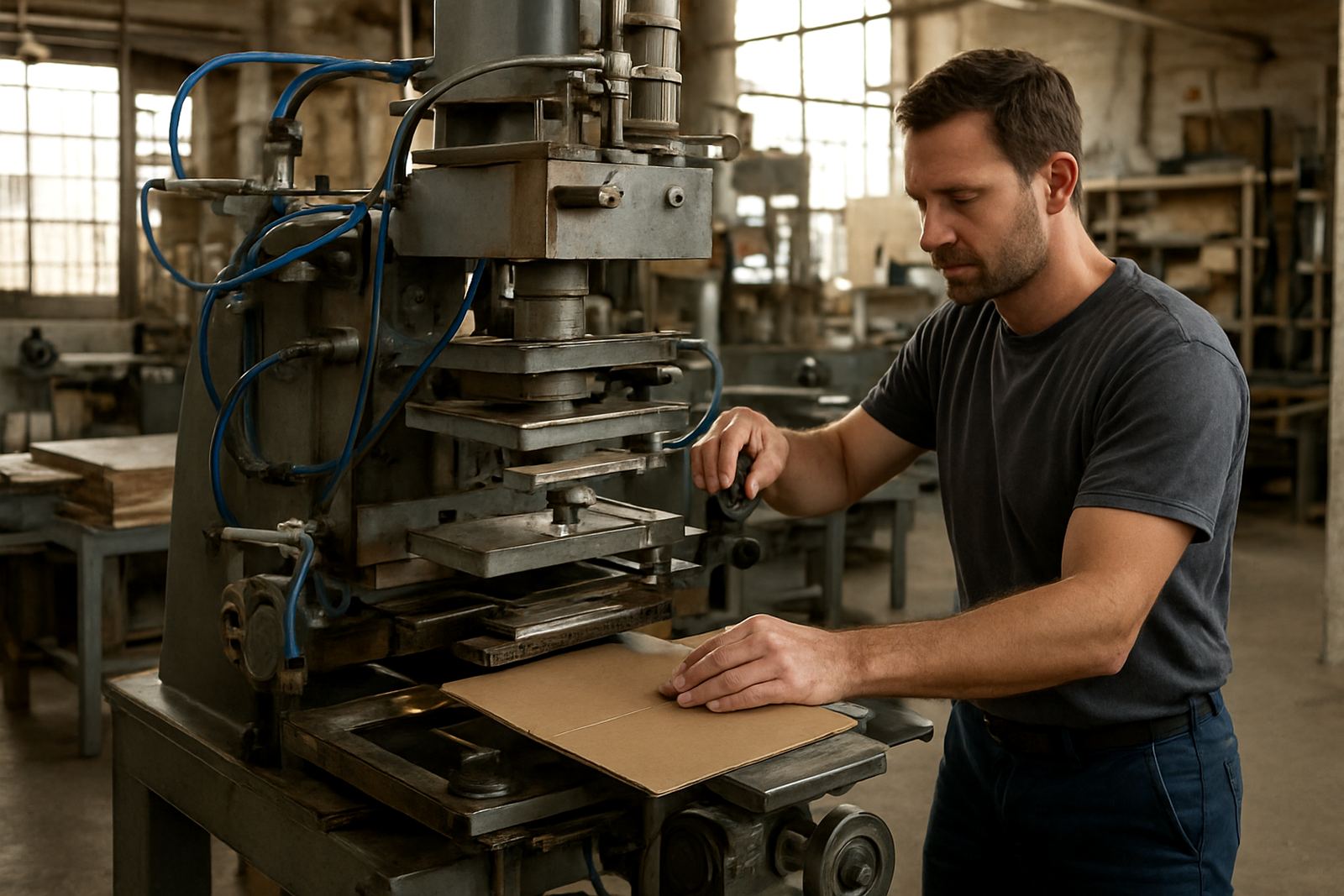
This press is configured for the thicker board used in rigid boxes, gift cartons, presentation packs and other high-value packaging. It is aimed at work where the foil must sit cleanly on a hard surface with consistent pressure across the full print area.
For box makers in Johannesburg, Germiston, Midrand and beyond, that means better control on short runs as well as repeat jobs. The press suits businesses that need a tidy foil finish on board that may be 1.5 mm to 3.5 mm thick, depending on the pack build and liner used.
- Neat foil on flat or lightly raised box panels
- Stable stamping on dense board and laminated substrates
- Suitable for small production rooms and busier finishing lines
Sizes and press options to match your output
Rigid box work often changes from one job to the next, so the press needs enough bed space and head clearance for different panel sizes. We supply configurations for compact boutique packaging work, through to larger set-ups for manufacturers handling higher volumes.
Typical working area options include 300 x 400 mm, 400 x 600 mm and 600 x 800 mm, with custom sizing available for special box formats. If your work includes lids, wrap panels or edge branding, we can advise on platen size, roller format and die mounting approach. The machine can be set up for single-station or higher-output use depending on the line flow.
- Working areas from compact to large format
- Adjustable pressure for board density and foil coverage
- Temperature control for fine detail and solid coverage
Where the Rigid Box Press suits best
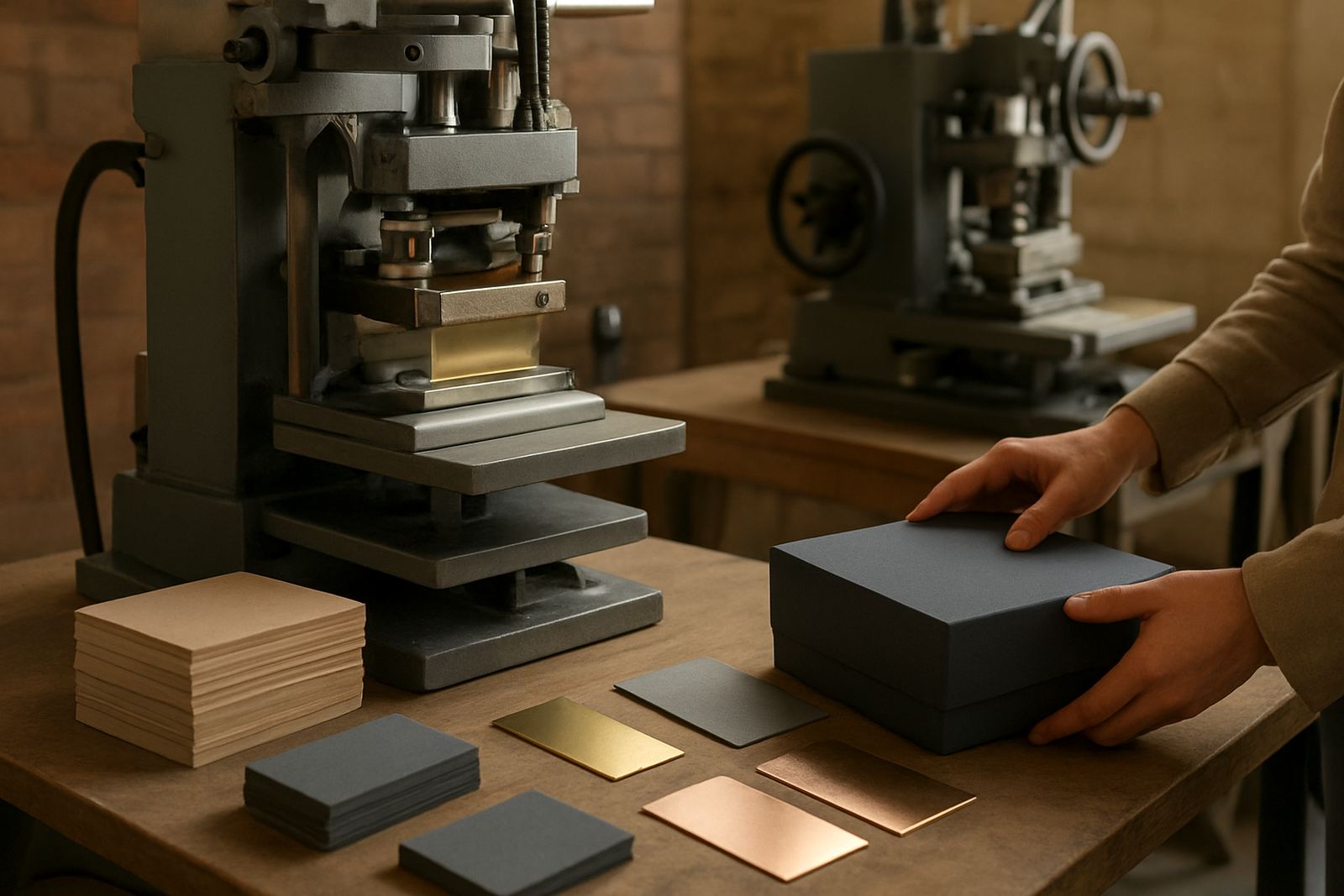
This press is commonly used in packaging shops, print finishing rooms and contract pack houses that do rigid box branding. It works well for cosmetic boxes, perfume cartons, corporate gifting, confectionery packs, boutique retail packaging and presentation sets that need a premium look without messy edges.
It also suits South African businesses that handle mixed seasonal work, because the same machine can be used for different board grades with the right set-up. In coastal areas, it helps to keep foil and board stored in a dry room, since humidity can affect adhesion and make board curl more likely.
- Luxury packaging and gift boxes
- Short-run branded packs for events and promotions
- Commercial finishing where repeat accuracy matters
Power, install and site requirements
Installation depends on the chosen configuration, but most rigid box presses need a stable single-phase or three-phase supply, plus a level floor and enough working space around the machine. For sites in Industria West, Roodepoort or Sandton, we check access, loading height and the space available for board handling before fitting the press.
Because foil work depends on steady temperature and pressure, the machine should be installed away from dust-heavy cutting areas and direct drafts. If your workshop has load-shedding interruptions, it is worth planning for power protection so heaters and controls are not affected by sudden cuts. Some jobs may also need compressed air for specific fixtures or handling parts, depending on the set-up.
- Level floor and clear operator access
- Electrical supply matched to heater load and controls
- Optional compressed air requirements for some configurations
Heat, pressure and foil settings that keep work tidy
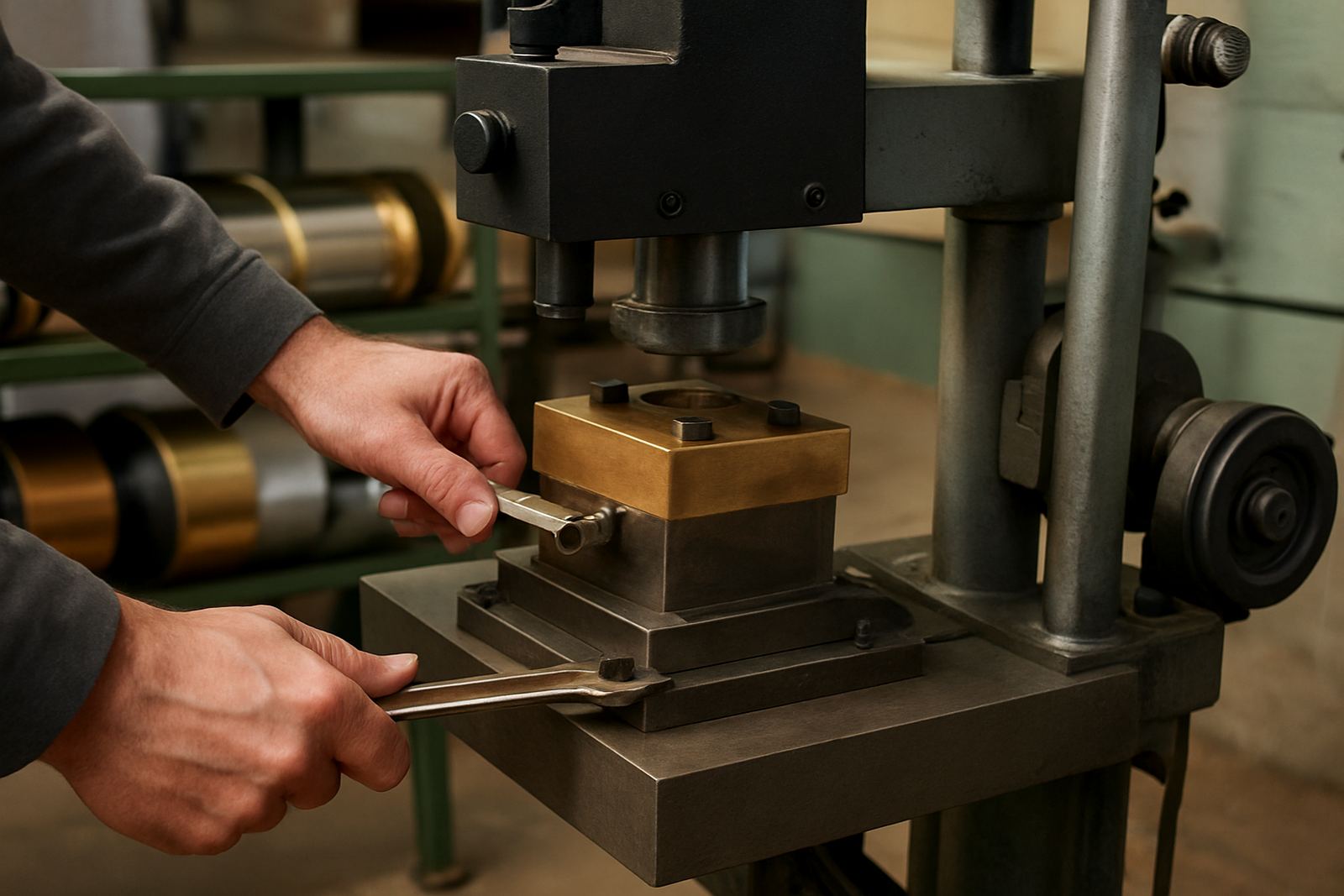
Rigid box board needs the right balance of heat and pressure. Too little, and the foil does not bond properly. Too much, and you can mark the board or lose fine edge detail. The press is designed for accurate heater control, even pressure setup and repeatable die mounting so the same job can run with fewer adjustments.
Good foil matching matters too, especially when you are working with dark board, coated surfaces or textured liners. A press operator should test the first few impressions, then check adhesion, release and registration before moving into full production. That is where proper training saves time and wastage, and it helps if the foil and board are stored at a steady room temperature.
- Fine temperature control for detail work
- Pressure adjustment for plain, coated and textured board
- Die alignment for repeat jobs and consistent placement
Servicing and daily care for long life
Like any finishing machine, this press works best when it is cleaned and checked regularly. Keep the platen clear of foil dust and board scrap, inspect heaters and wiring, and look at pressure points for wear. In busy Gauteng workshops, a short daily check can prevent downtime later in the week.
We recommend preventive servicing at planned intervals, especially where the press runs most days. That may include heater calibration, pressure setup checks, die mounting inspection and replacement of worn parts before they fail. Our technical team can assist with breakdown repairs, operator training, production optimisation and spares supply. If a machine starts giving uneven heat or inconsistent pull, it is better to address it early than run another batch with waste.
- Daily cleaning of platen and foil path areas
- Regular heater calibration and pressure checks
- Planned servicing to reduce stoppages and rework
What to check before you order
Before placing an order, measure the largest panel or box component you want to foil and allow for handling space around it. Check the board thickness, any lamination or coating, and whether the work needs flat stamping only or a deeper pocket for formed components. These details affect press size, die type and set-up time.
It also helps to confirm your power supply, workshop access and expected output per shift. If you are running in a humid area or a production room with limited air conditioning, say so upfront because storage conditions can change foil performance. Send through your artwork size, target finish and monthly volumes, and we can advise on the press configuration that fits your work best.
- Largest job size and board thickness
- Power supply, floor space and access route
- Monthly volumes, finish type and foil colour needs
Key facts
| Product type | Hot-foil stamping press for rigid box components |
|---|---|
| Working area options | 300 x 400 mm, 400 x 600 mm, 600 x 800 mm or custom |
| Material suitability | Rigid board, laminated board and premium packaging parts |
| Control features | Adjustable heat, pressure setup and die mounting |
| Power | Single-phase or three-phase, depending on configuration |
| Support | Installation, training, servicing, repairs and spares supply |