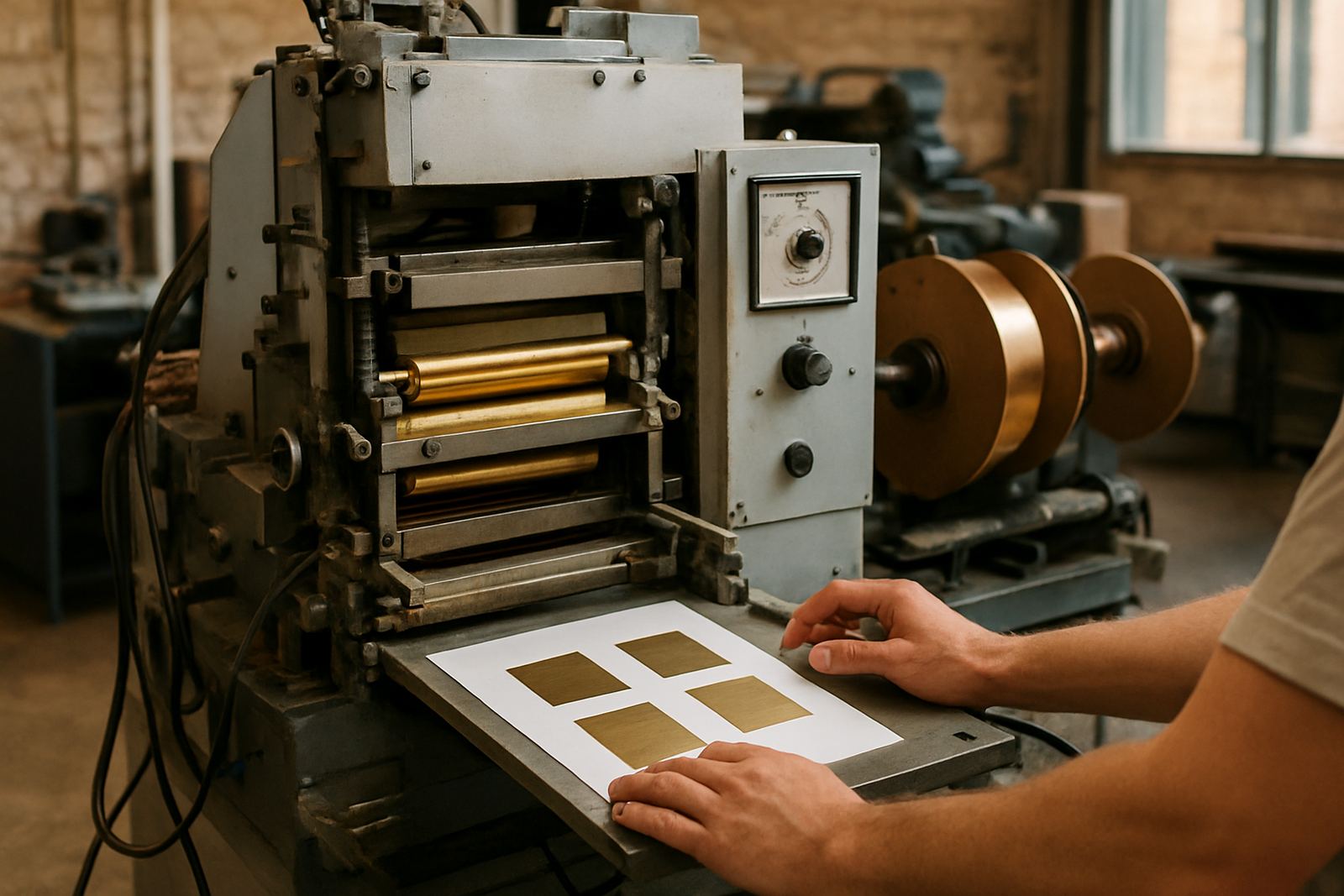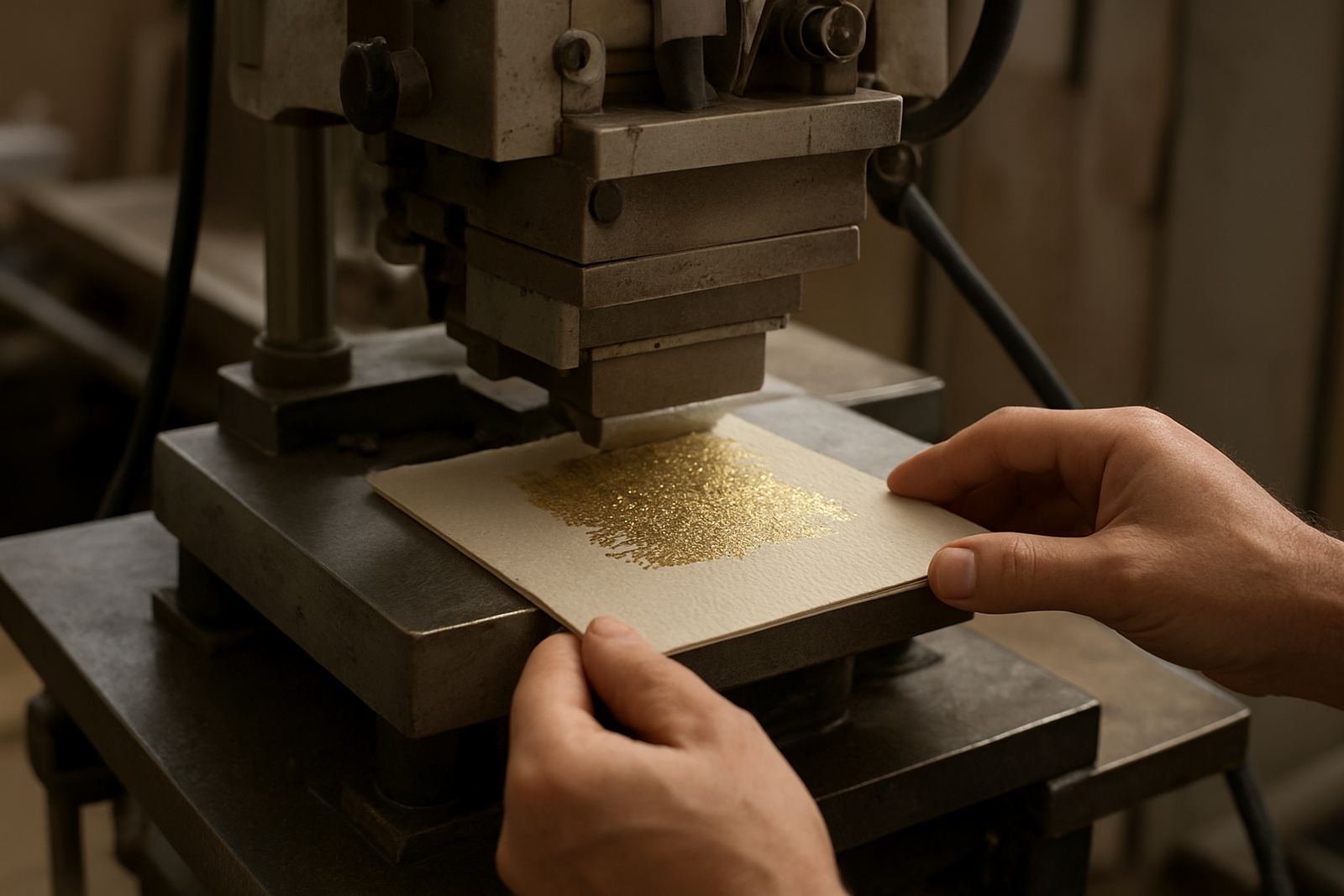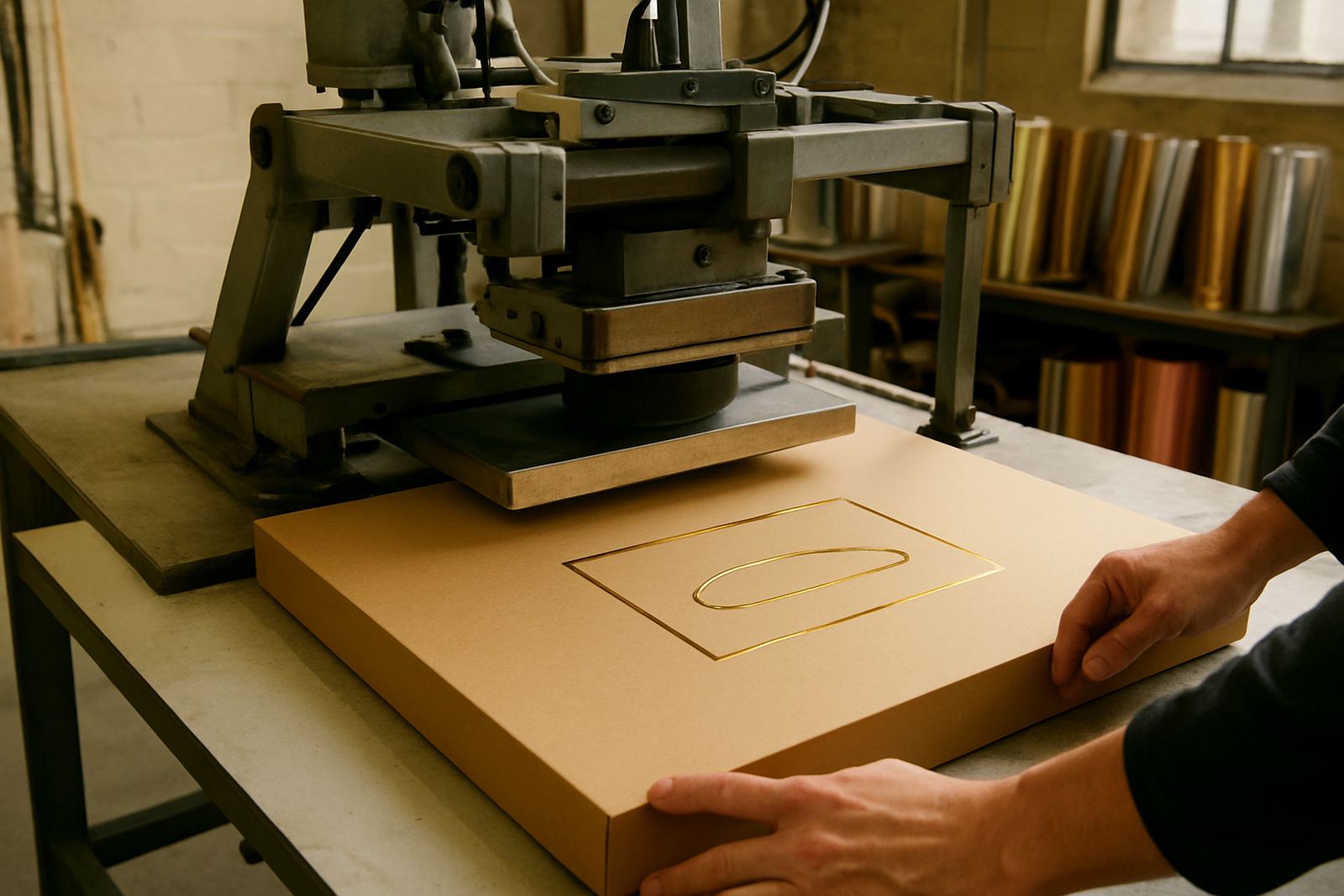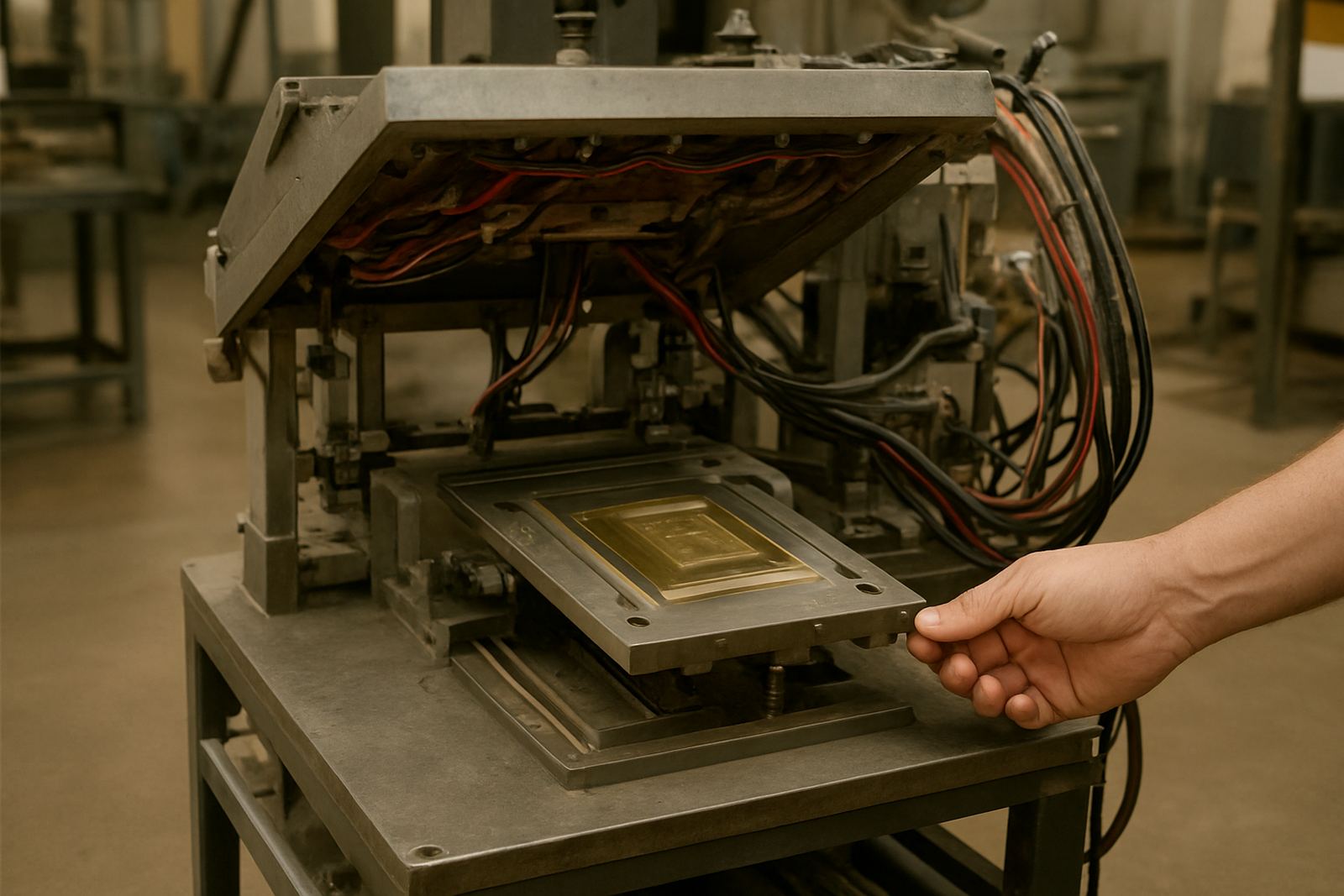
What a multi zone heater does on a foil press
A multi zone heater is a platen heating system with more than one controllable heat section. Instead of setting one temperature across the full bed, the operator can balance heat where the artwork needs it most. On foil work this matters when one part of the job is a solid block, another has fine lines, and a third sits near a heavier board area or deep emboss. The result is more even foil release and less trial and error on the make ready.
In Johannesburg and across South Africa, this is useful for short runs, mixed packaging jobs and recurring work where the same job must look the same every time. It also helps in winter when workshop temperatures drop, and in coastal areas where humidity can change how the foil behaves from one shift to the next.
When a multi zone heater is the right choice
This setup suits card printers, packaging converters, invitation producers and manufacturers handling detailed foil work. It is especially handy where the job has uneven coverage, large solids next to small lettering, or where a wide platen is used for multiple imposition sizes. If one section of the press has been running hotter than the rest, a multi zone heater can reduce that unevenness and make set-up faster.
- Wedding and event stationery with fine type and full borders
- Cartons, sleeves and presentation boxes
- Labels and premium wraparound packaging
- Short-run promotional work with repeated changeovers
- Plants that need tighter control during long production shifts
It is not only about appearance. Better temperature control can cut waste, limit burnt foil and reduce the stop start pattern that slows a line down.
Sizes, zone layouts and build options
FoilPress supplies multi zone heaters in practical layouts to suit different press beds and production needs. Common options include 2 zone, 3 zone and 4 zone control, with custom configurations available for larger platens or special tooling. The heater face is normally matched to the press size and die area, so heat is placed where the work is done rather than heating empty sections for no reason.
Typical working sizes are set to suit compact craft presses through to larger industrial machines. We can supply heaters for small format card work, medium packaging beds and wider production units. If a press is already in operation, the heater system can be matched to the existing platen dimensions and control panel layout. On some machines, a retrofit is possible with only limited down time, which helps during busy seasons. That saves a lot of faffing around.
- 2 zone control for smaller beds and split artwork
- 3 zone control for balanced heating across medium format work
- 4 zone control for wider platens and mixed coverage jobs
- Digital temperature display and independent zone adjustment
- Optional insulation and mounting plates where required
Installation, power and site checks
Installation should be planned around the press model, available supply and daily production volume. Most heater units need a stable electrical feed, proper earthing and enough control space for safe operation. Where a workshop runs on backup power during load shedding, the supply needs to be checked before fitting so the heater does not trip when the press starts drawing load. If the site uses a generator or inverter system, the starting load and running load must be confirmed first.
We recommend a clean, dry installation area with enough space for the operator to reach the control settings without leaning over hot surfaces. In humid areas such as parts of KwaZulu-Natal or the coast, it is worth keeping electrical fittings protected and the press clean to prevent corrosion. For site planning, also check airflow around the machine, cable routing and whether the current breaker size is suitable. A quick survey upfront avoids delays later.
- Confirm voltage, phase and breaker size before ordering
- Check generator or inverter compatibility if backup power is used
- Make sure the press frame and platen are level
- Allow safe access for the operator and technician
- Verify any local workshop compliance requirements
Care, servicing and heater calibration
Like any production heating system, a multi zone heater works best when it is cleaned and checked on schedule. Dust, foil residue and loose fittings can affect temperature stability. Regular servicing keeps each zone reading accurately and helps spot failed elements, damaged sensors or loose connections before they stop production. This is where preventive servicing pays for itself.
We also recommend heater calibration at set intervals, especially on presses used daily for packaging runs. A control panel can show the right number but still be a little off at the platen, so calibration checks actual heat against the reading. That gives the operator better repeatability and helps reduce overheating of foil, board or adhesive layers. Small adjustments now and then are cheaper than replacing spoiled stock later.
Where the heater is fitted close to tooling or die mounts, check for wear marks, pressure imbalance and any sign that one zone is working harder than the others. If a zone is drifting, the problem may sit in the sensor, wiring or contact surface, not only the heater itself.
What to check before you order a heater
Before placing an order, gather the press measurements and job details so the right heater can be matched the first time. The main thing is not only the overall bed size, but how the artwork is arranged and how the press is used day to day. A heater sized for a narrow craft job may not suit a wider packaging machine, and an oversized unit can be costly without adding value.
- Press make, model and platen size
- Number of heat zones needed
- Voltage and phase available on site
- Typical job size, board thickness and foil type
- Whether the press is new fitment or retrofit
- Backup power arrangement, if any
- Required temperature range and production speed
If you are unsure, send the measurements and job photos with a brief note on what you stamp most often. That gives a far better starting point than guessing from the machine name alone.
Key facts
| Heat zones | 2, 3 or 4 zone control, with custom layouts on request |
|---|---|
| Temperature range | Typically up to 200°C depending on press and application |
| Control type | Independent digital zone control with separate set points |
| Power | Single or three phase options subject to press configuration |
| Fitment | New installation or retrofit on selected presses |
| Use | Foil stamping on cards, cartons, sleeves and packaging |
| Application note | Best where artwork has mixed coverage or uneven heat demand |