Built for sleeves, wraps and long panel work
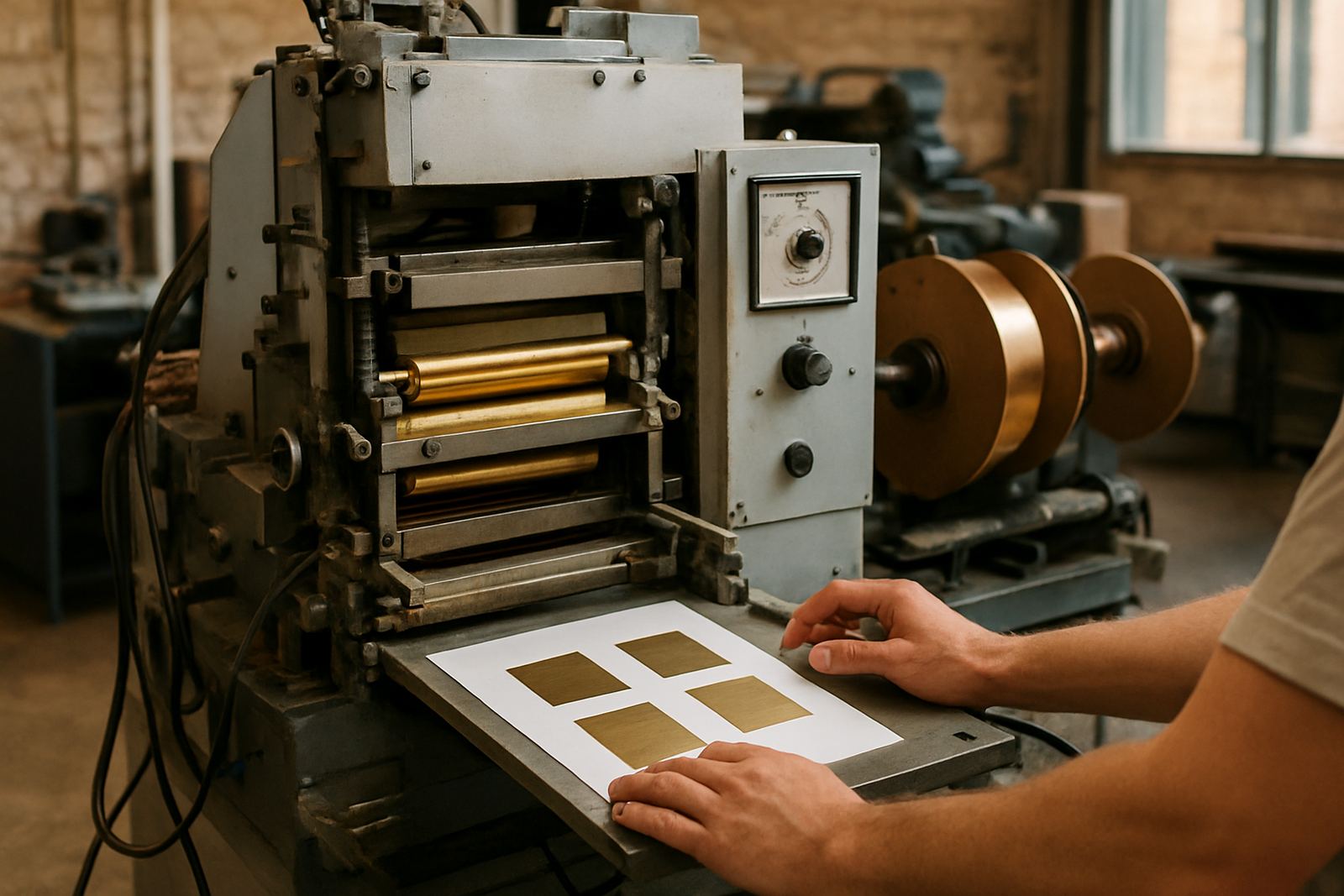
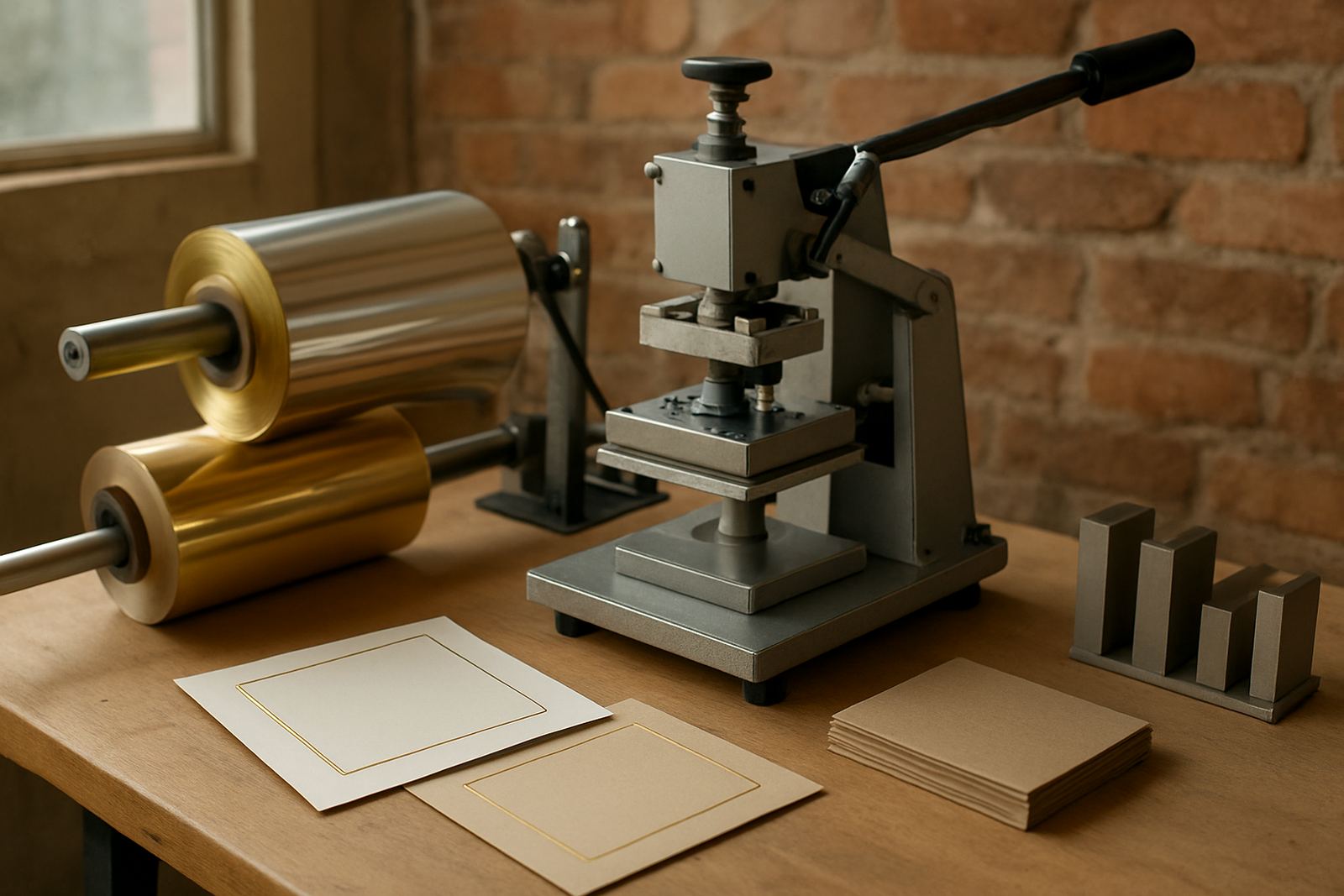
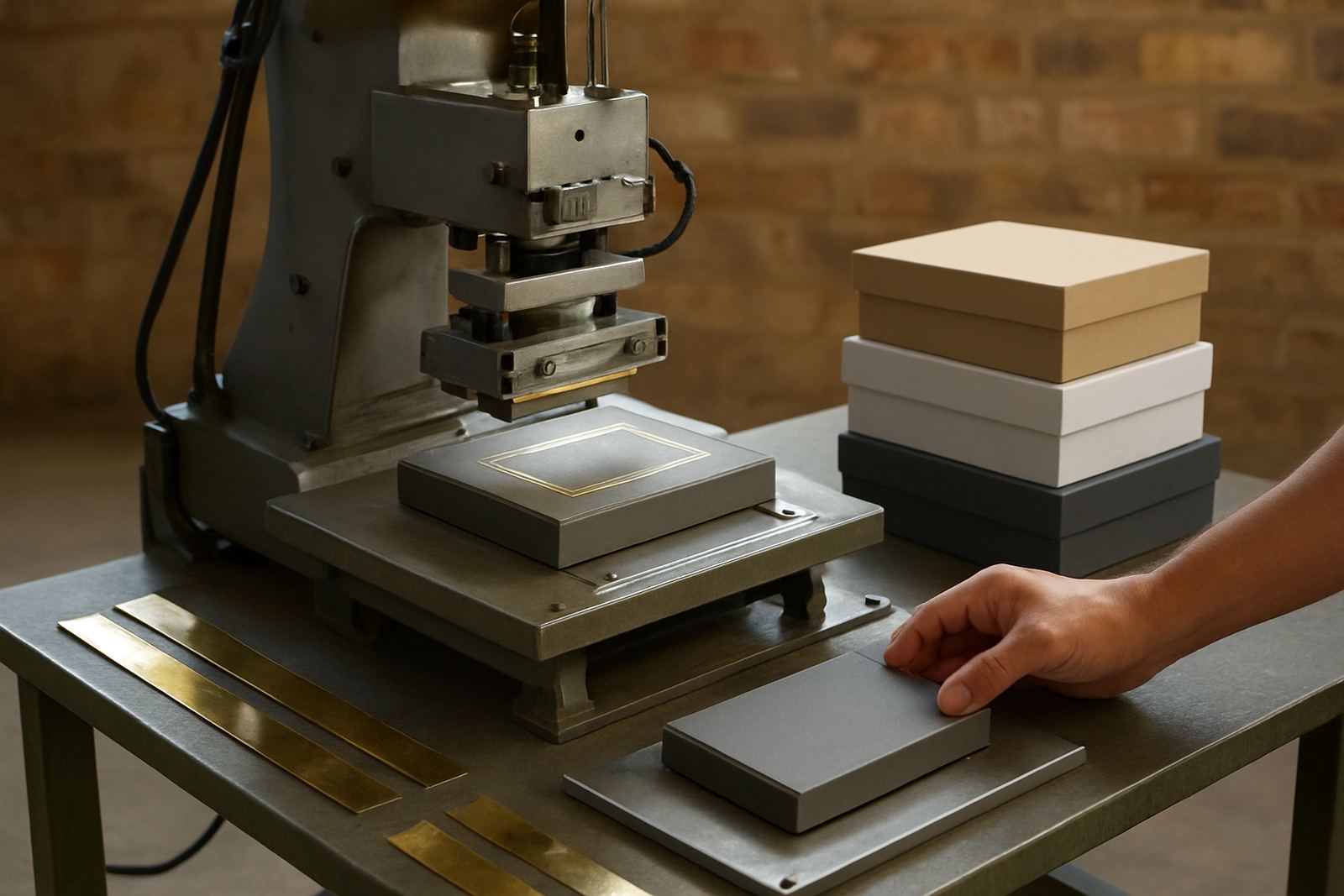
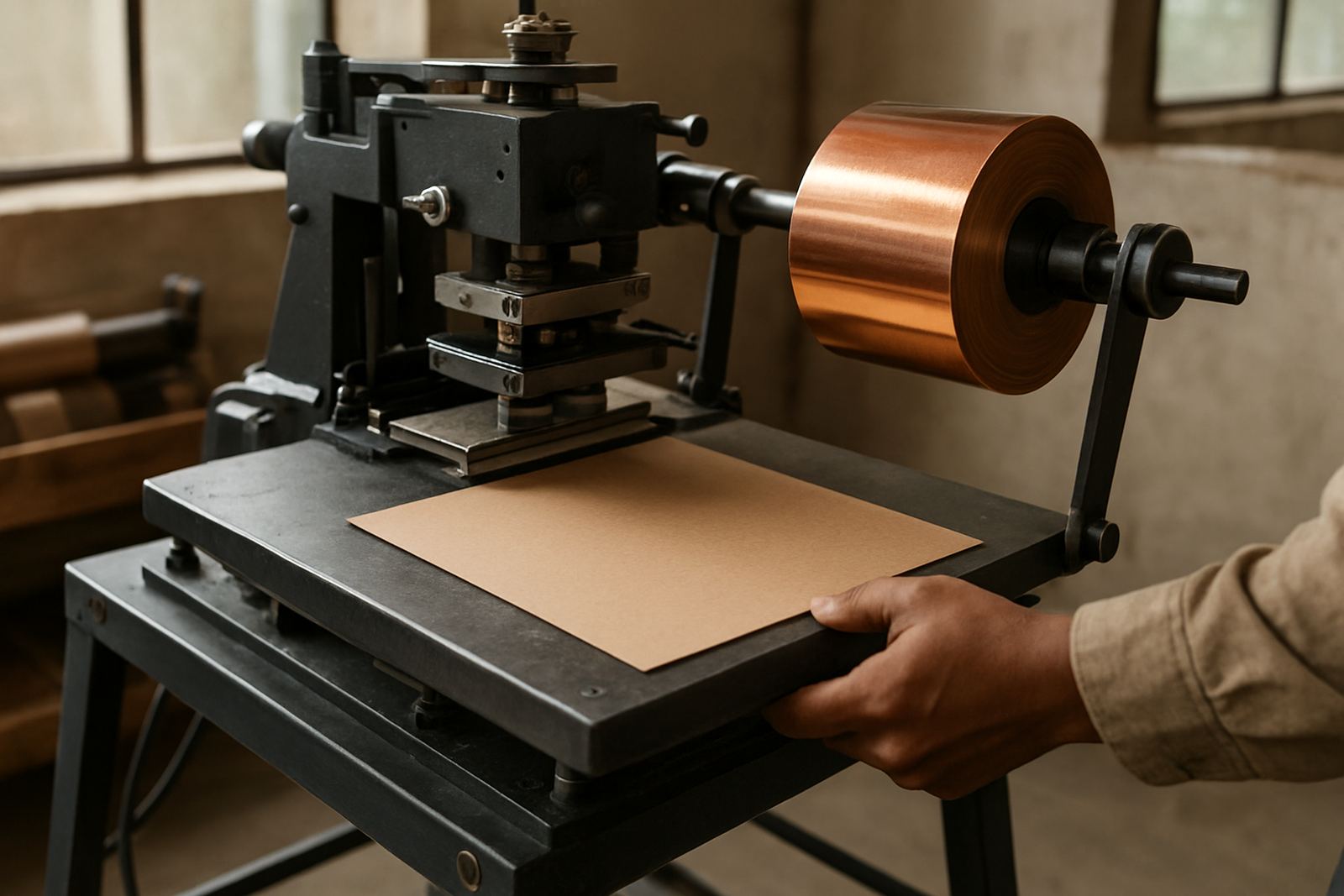
A sleeve print press is used where a carton sleeve or wrap needs foil applied across several panels in one pass. That means the machine has to hold pressure evenly from edge to edge, otherwise one side can stamp well while the other side drops off. These presses are chosen by packaging teams working on cosmetic cartons, food sleeves, gift packaging, promotional wraps and short-run branded cartons.
In practical terms, the press gives you more control over foil transfer on long formats, especially where folds and glue flaps mean the board is not perfectly flat. It is a better fit than a small general press when the job keeps changing size or when the customer wants repeatable results across a production run.
FoilPress supplies presses for small workshop output through to steady daily production. For a craft business in Randburg or a packaging line in Germiston, the aim is the same: clean registration, even heat and pressure, and less waste from rejected sleeves.
Typical sizes and configuration options
We can supply sleeve print presses in a range of working widths and bed sizes, depending on the carton format and the foil area you need to cover. The right size depends on the flat layout, not only the finished sleeve size, so it is worth checking the dieline before ordering.
Common options include manual feed, semi-automatic feed and pneumatic pressure control. Some presses are set up for faster changeovers, which helps when you are running mixed sleeve sizes in the same shift. Others are built for heavier duty work where a thicker board or a wider panel needs steady clamping pressure.
- Working widths from compact units for small sleeves to wider beds for large wraparound cartons
- Adjustable pressure zones to help keep contact even across panel lines
- Temperature controls for stable heat on coated boards and laminated stock
- Quick-change die mounting for repeat jobs and smaller batch production
- Optional registration aids for tighter positioning on printed wraps
For businesses in Midrand or Sandton handling short lead times, the best option is usually the one that matches your most common board size first. If you order for one format only, say a luxury sleeve at 210 mm wide, it is easier to keep setup time down and reduce trial runs.
Where this press suits best
This press suits packaging rooms where the product finish matters just as much as the carton itself. It is a good match for printed sleeves, premium retail cartons, cosmetic cartons, bakery packaging, alcohol presentation packs and special promotional wraps. If the foil must hold neat across folds, corners and long faces, the sleeve press is a practical choice.
It also works well for smaller Cape Town, Durban or Pretoria style production batches where orders come in unevenly and you need a machine that can switch from one job to the next without long downtime. In Johannesburg City West, many clients prefer equipment that can handle daily use, but still be adjusted for one-off runs and sample approvals.
- Packaging converters making carton sleeves and wraps
- Branding workshops adding foil to folded cartons
- Short-run jobbing printers with premium pack requests
- Contract packers needing dependable repeat output
- Manufacturers who want in-house foiling instead of sending work out
Power, air and installation needs
Most sleeve print presses run on electrical power and compressed air. They do not normally need gas. Depending on the size and duty cycle, installation may require a 220 V single-phase supply or a 380 V three-phase supply. For larger units, three-phase is the safer choice because it handles heat-up and repeated cycling better, especially during load-shedding recovery when machines are started and stopped more often than usual.
A stable compressor is important if the press uses pneumatic pressure. We recommend checking the compressor output, air drying and line filtration before commissioning. Moisture in the air can affect cylinder performance and in coastal areas like Durban humidity can also cause foil handling problems if stock is stored badly.
FoilPress provides installation, pressure setup and operator training in Johannesburg, Roodepoort, Randburg, Midrand, Sandton and Germiston, with supply nationwide. We check the bed alignment, heating zones and pressure settings so the machine is ready for production, not guesswork.
Care, servicing and common wear points
Like any hot-foil machine, a sleeve press lasts longer when the heat, pressure and timing are kept in range. Too much pressure can mark the board and too little pressure gives patchy foil. Regular servicing is important because heaters, sensors, bushes and pressure parts all carry wear. A good preventive schedule also cuts down on breakdowns during busy runs.
At FoilPress we handle preventive servicing, heater calibration, breakdown repairs, foil matching and spares supply. If your press starts giving light hits on one side, the first checks are often die mounting, platen level, air supply and temperature consistency. On some jobs the fault is in the stock itself, especially where board moisture or coating quality changes from batch to batch.
- Clean the bed and platen regularly to remove adhesive build-up and dust
- Check heater readings and sensor response before long production runs
- Inspect air lines, filters and fittings for leaks or water carryover
- Keep dies stored flat and protected from knocks
- Record foil type, temperature and pressure settings for repeat jobs
What to check before you place an order
When ordering a sleeve print press, the best starting point is your actual carton layout. We need the flat size, the foil area, the board type and the finish you want. A coated SBS board behaves differently from kraft or laminated board, so the press setup should suit the stock, not the other way round. If you are working on a sleeve with fold lines close to the foil area, that matters too.
Please check the following before you request a quotation:
- Finished sleeve size and flat dieline dimensions
- Board type, thickness and coating or laminate finish
- Required production speed and daily output target
- Power available on site, single-phase or three-phase
- Whether you have compressed air already installed
- Room for loading, die storage and safe operator movement
If you are unsure, send through a sample or the board spec and we can guide the setup. It is better to confirm these points early than to discover after delivery that the press is too small for the widest panel or that the site needs an electrical upgrade.
Key facts
| Press type | Hot-foil stamping press for carton sleeves and wraparound packs |
|---|---|
| Working width | Model dependent, from compact to wide-format sleeve production |
| Pressure system | Manual or pneumatic pressure control, depending on model |
| Heat control | Adjustable temperature with calibrated sensing for repeat runs |
| Power requirement | 220 V single-phase or 380 V three-phase, model dependent |
| Utilities | Compressed air required on pneumatic models, no gas normally needed |