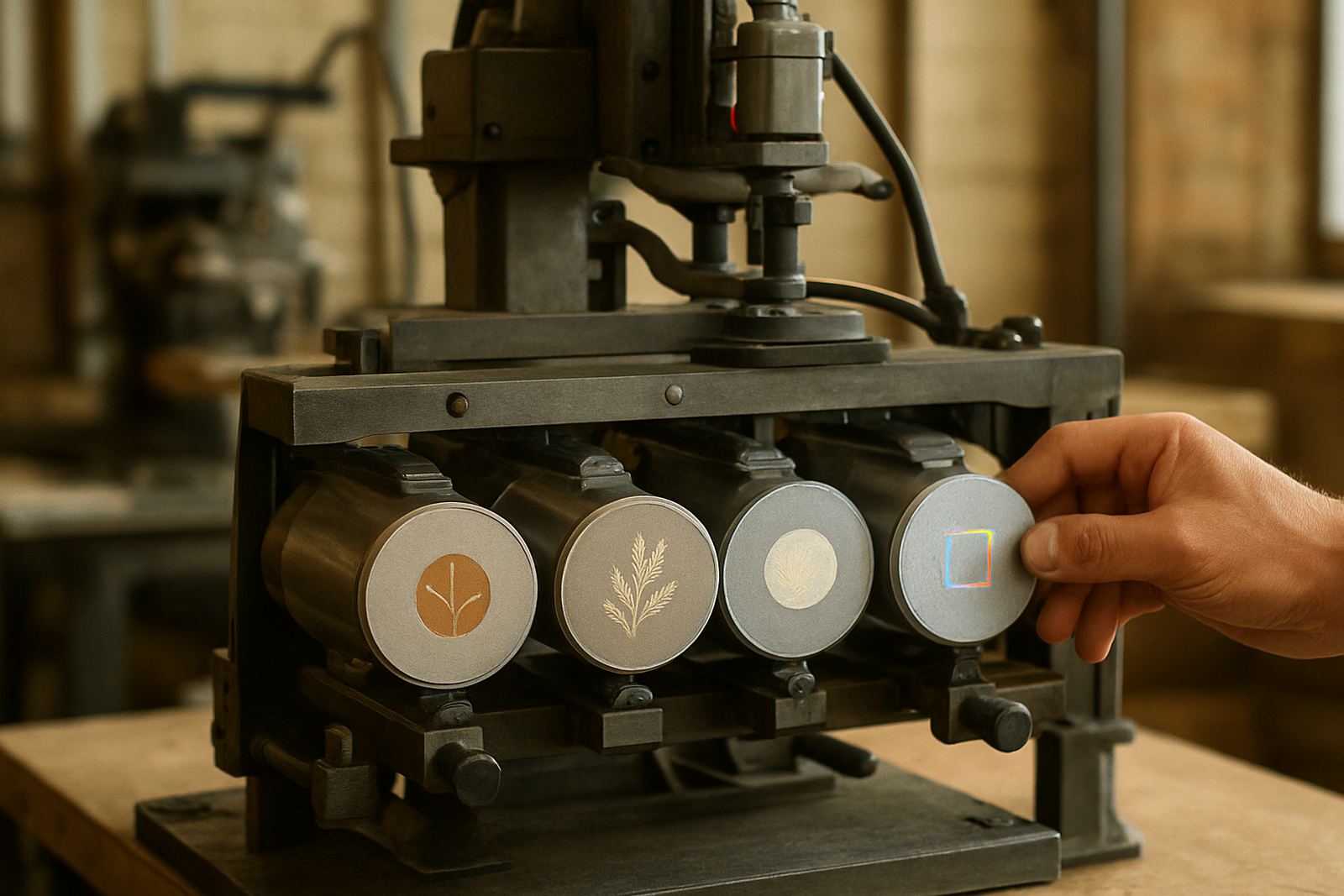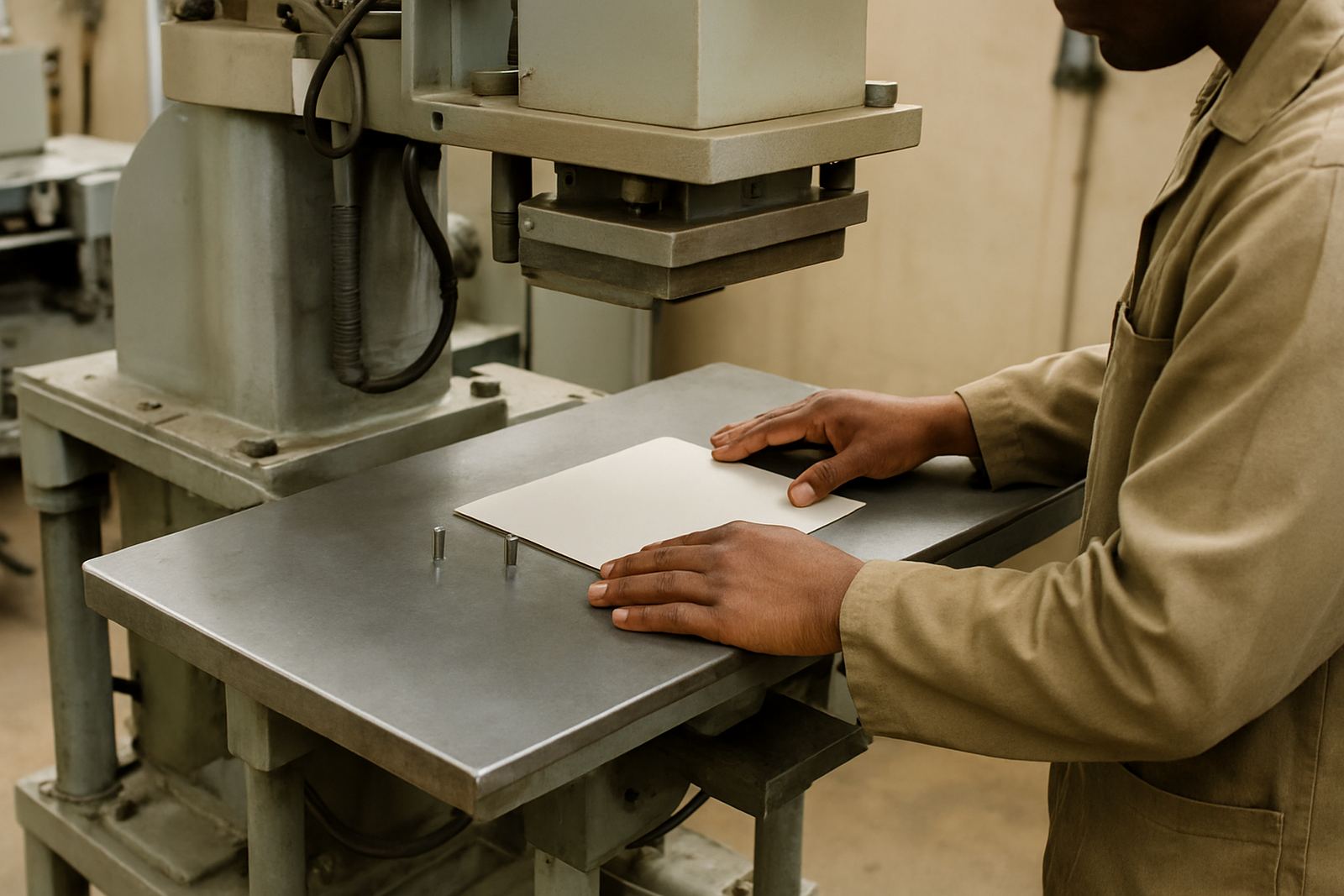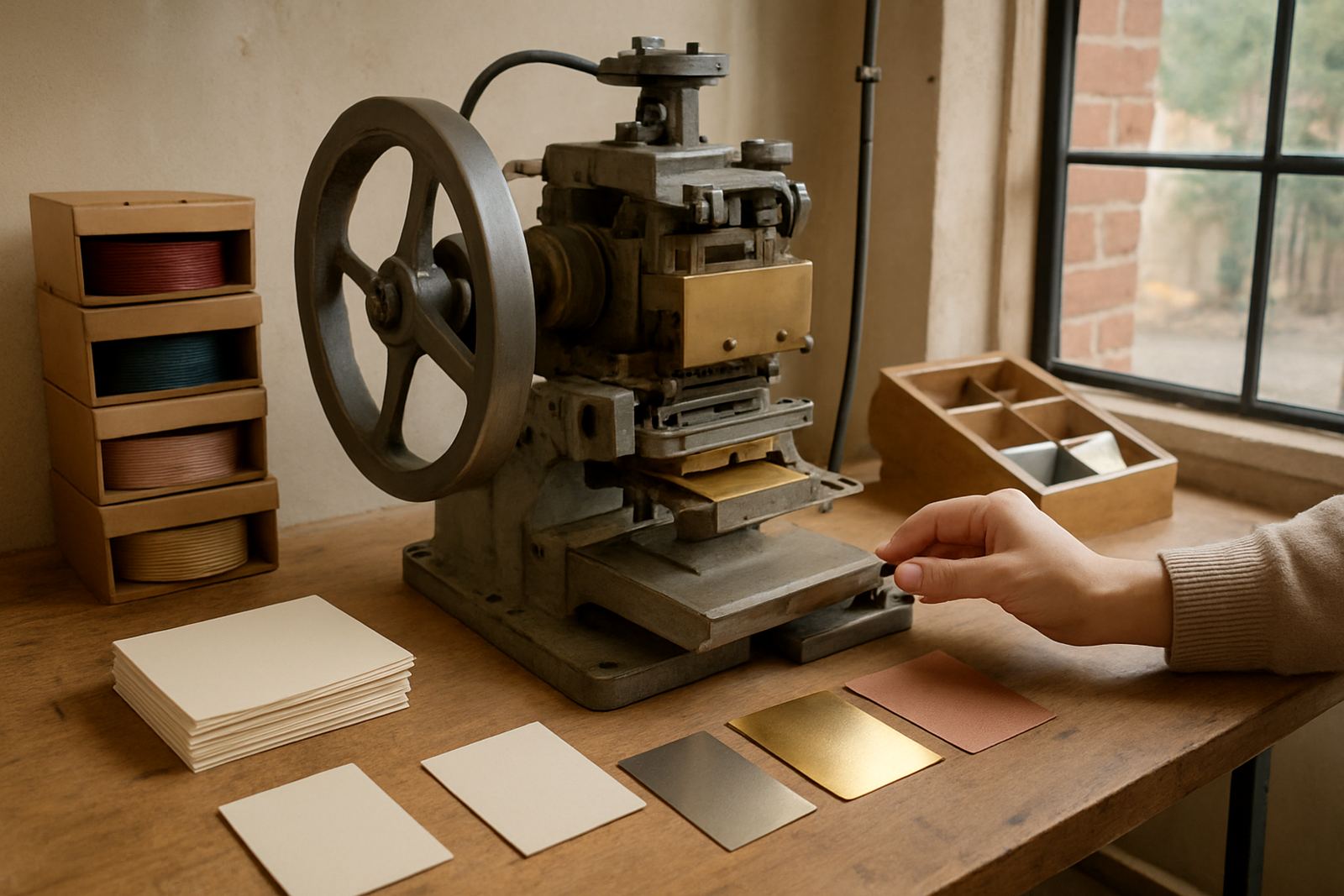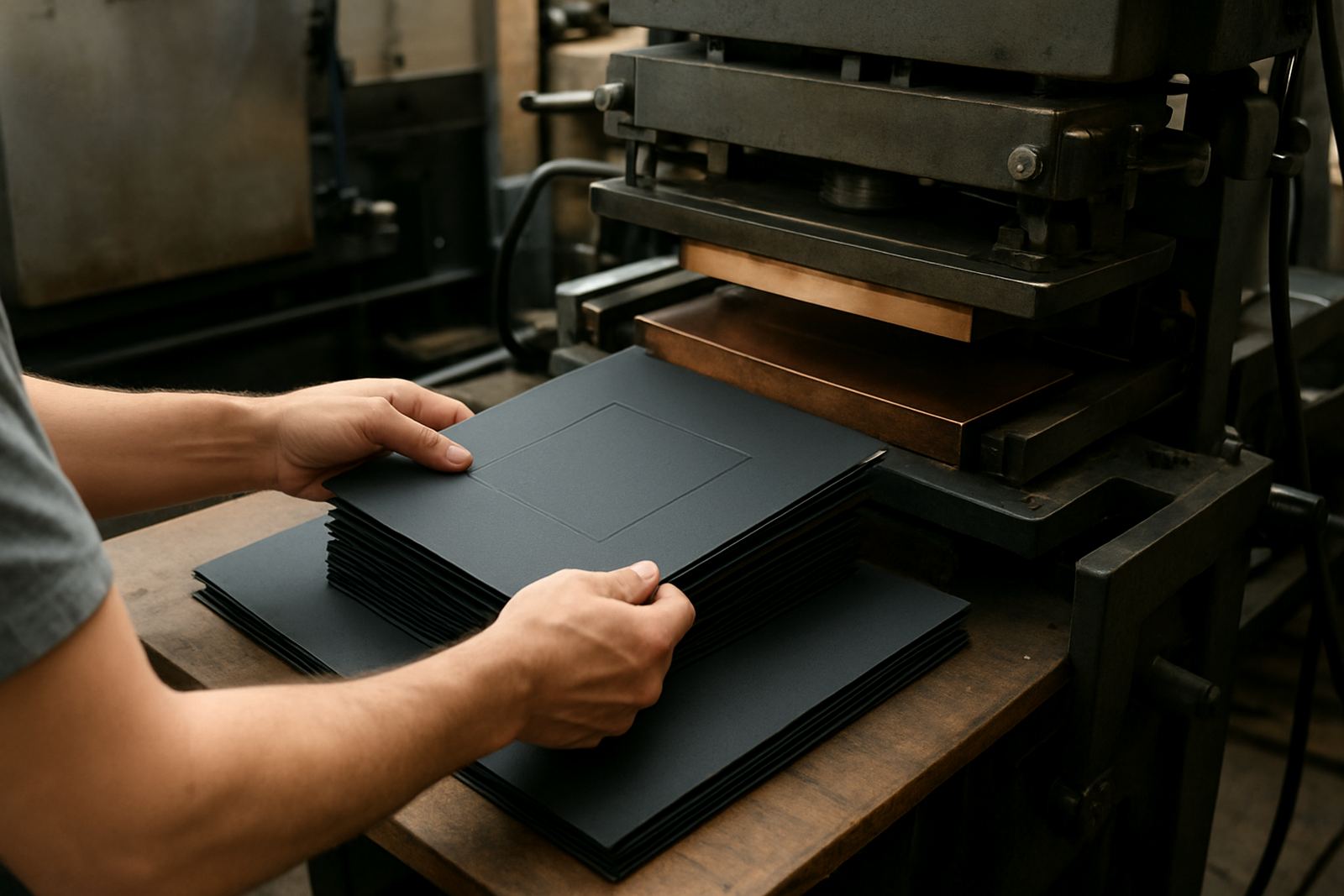
What the Soft Touch Press is built to do
This Soft Touch Press configuration is made for work on coated substrates and soft-touch laminated stock, where standard settings can mark the surface or give uneven foil transfer. The machine uses controlled platen heat, even pressure across the bed and steady dwell timing so the foil releases cleanly without crushing the finish underneath. For packaging printers, carton makers and card producers, that means better detail on fine text, logos and line work.
It is a practical choice for jobs that need a cleaner look on presentation boxes, premium cards, sleeve wraps and branded inserts. The press is not only about foil. It also helps with other contact work where a controlled press cycle is needed, especially when the stock has a delicate coating or a soft-touch feel that can show handling marks very quickly.
- Designed for coated board and soft-touch laminated sheets
- Stable heat zones for more consistent foil release
- Even pressure distribution to reduce scuffing and patchy transfer
- Suitable for short runs, repeat jobs and production work
Sizes, bed options and practical output
FoilPress supplies this press in a few working sizes so you can match the machine to your sheet size and daily volume. The usual bed widths suit smaller craft work as well as larger packaging runs. For many Johannesburg and Gauteng workshops, the decision is less about the biggest machine and more about matching the press area to the most common board size, makng sure waste stays down and turnaround stays sensible.
Common working areas include 250 x 350 mm, 350 x 500 mm and 500 x 700 mm classes, with custom layouts available for special production lines. Press opening height, lower platen clearance and slide access are planned around board thickness and die size. If you are running a mix of cards, carton panels and insert sheets, the wider format gives more flexibility. If your work is mainly short card runs, a smaller machine is often easier to place and run on a daily basis.
- Working areas from compact card size to large sheet formats
- Single station or extended bed layouts depending on output
- Suitable for flat sheets and prepared folded components
- Options for manual feed or controlled semi-automatic feeding
Where this press suits best
This configuration suits businesses that need a neat foil finish on premium packaging and presentation pieces. It is commonly used for cosmetic cartons, wine and gift boxes, event stationery, greeting cards, business packs and sample folders. The soft-touch surface is the key issue, because it tends to show finger marks, surface drag and pressure damage if the press is not set correctly.
In South African conditions, especially in humid coastal areas or in workshops with dust and heat variation, stable settings matter even more. If stock is not conditioned properly, the foil can shift or the laminated surface can pick up marks before the sheet even reaches the press. FoilPress helps businesses select the right setup for the substrate, and also advises on matching foil type to coating type so the finish looks sharp and stays consistent from the first sheet to the last.
- Gift packaging and retail cartons
- Luxury stationery and card work
- Brand sleeves, inserts and presentation boxes
- Short-run custom jobs and repeat production orders
Installation, power and site preparation
Installation starts with checking the floor space, access paths and power supply at the site. The base unit needs a level surface, enough working room for loading stock and a position that allows safe movement around the heated area. For most workshops in Industria West, Roodepoort, Randburg, Midrand, Sandton and Germiston, the main planning point is not only machine size but also whether the bay can handle loading trolleys, foil rolls and finished stacks without crowding.
Electrical requirements depend on the machine size and heating load. Many setups use 220V single phase or 380V three phase supply, with the exact draw confirmed before delivery. If your site runs on a generator or inverter during load-shedding, this must be checked carefully because heat recovery and pressure timing can suffer when the supply is unstable. A clean earth, correctly rated breaker and a sensible cable route are part of the handover. Some production lines may also need a compressed air connection for assisted feed or die-related functions, so the site check should cover that before installation day.
- Level floor and clear access for delivery
- 220V single phase or 380V three phase depending on model
- Generator or inverter compatibility must be checked in advance
- Air supply may be needed on selected setups
Care, servicing and day to day checks
Soft-touch stocks need a cleaner handling routine than plain board, so the press should be kept free of adhesive dust, foil residue and paper fibres. Daily checks usually include platen cleanliness, temperature accuracy, pressure balance and die alignment. If the heater runs too hot the laminate can gloss over or scuff. If pressure is too high, the soft-touch layer can flatten or show an outline around the image. That is why preventive servicing matters, not just breakdown repairs after a problem shows up.
FoilPress offers preventive servicing, heater calibration, pressure setup, die mounting and production optimisation for customers running these presses. Service visits can be scheduled around your shift pattern so production is not held up longer than needed. In coastal conditions, where humidity and salt air can affect electrical parts and surface handling, more regular inspection is sensible. Replace worn pads early, keep the foil path clean and check the thermostat reading against the actual platen temperature before you commit to a large run.
- Clean the press bed and dies after each shift
- Check temperature and pressure before repeat jobs
- Keep spare pads, tape and a back-up heater element where possible
- Book servicing before the machine starts giving uneven transfer
What to check before you order
Before placing an order, it helps to confirm the exact stock types, sheet sizes and foil colours you use most often. A press that suits one carton board may need a different die setup or pressure range for a laminated sleeve. You should also confirm whether the work is hand-fed or semi-automatic, how many sheets you want to run per hour, and whether the machine needs to fit through a narrow doorway or into an existing production line.
It is also worth checking the following points with the team at FoilPress. They can help you match the machine to the real job, not just the brochure spec. That avoids paying for capacity you will not use, or ending up short on bed size when a larger packaging order comes in. If you are comparing several options, send a sample of your stock and an idea of the foil area required. That makes it easier to set up the right pressure, heat and die size from the start.
- Stock type, coating and laminate finish
- Smallest and largest sheet size you run
- Single colour or multi-pass foil work
- Power supply, air supply and floor space at site
- Expected daily output and shift pattern
Support from FoilPress in Johannesburg and nationwide
FoilPress is based in Industria West, Johannesburg and supports customers across the country with presses, foils and workshop assistance. The team works with small craft businesses, trade finishers and larger manufacturers that need reliable results on coated and soft-touch laminated work. Contact support, installation planning and spares supply are all handled from the local office so you can get advice on the machine, the substrate and the day to day running of the press in one place.
For buyers who need practical back-up, that includes operator training, breakdown repairs, foil matching and production optimisation. If your jobs are sensitive to temperature changes or if you are switching between board types, the setup can be reviewed again after installation. That support is often what keeps a press earning instead of standing idle after a difficult batch.
Send a message through our contact form for specs, stock checks or a quote for your site.
Key facts
| Machine type | Hot-foil stamping press configured for coated and soft-touch laminated stocks |
|---|---|
| Working sizes | Approx. 250 x 350 mm, 350 x 500 mm and 500 x 700 mm options |
| Power supply | 220V single phase or 380V three phase, model dependent |
| Heat control | Adjustable platen temperature with calibration support |
| Pressure system | Manual or assisted pressure setup for even foil transfer |
| Typical use | Cards, cartons, presentation boxes, inserts and premium packaging |