What the slide table press does
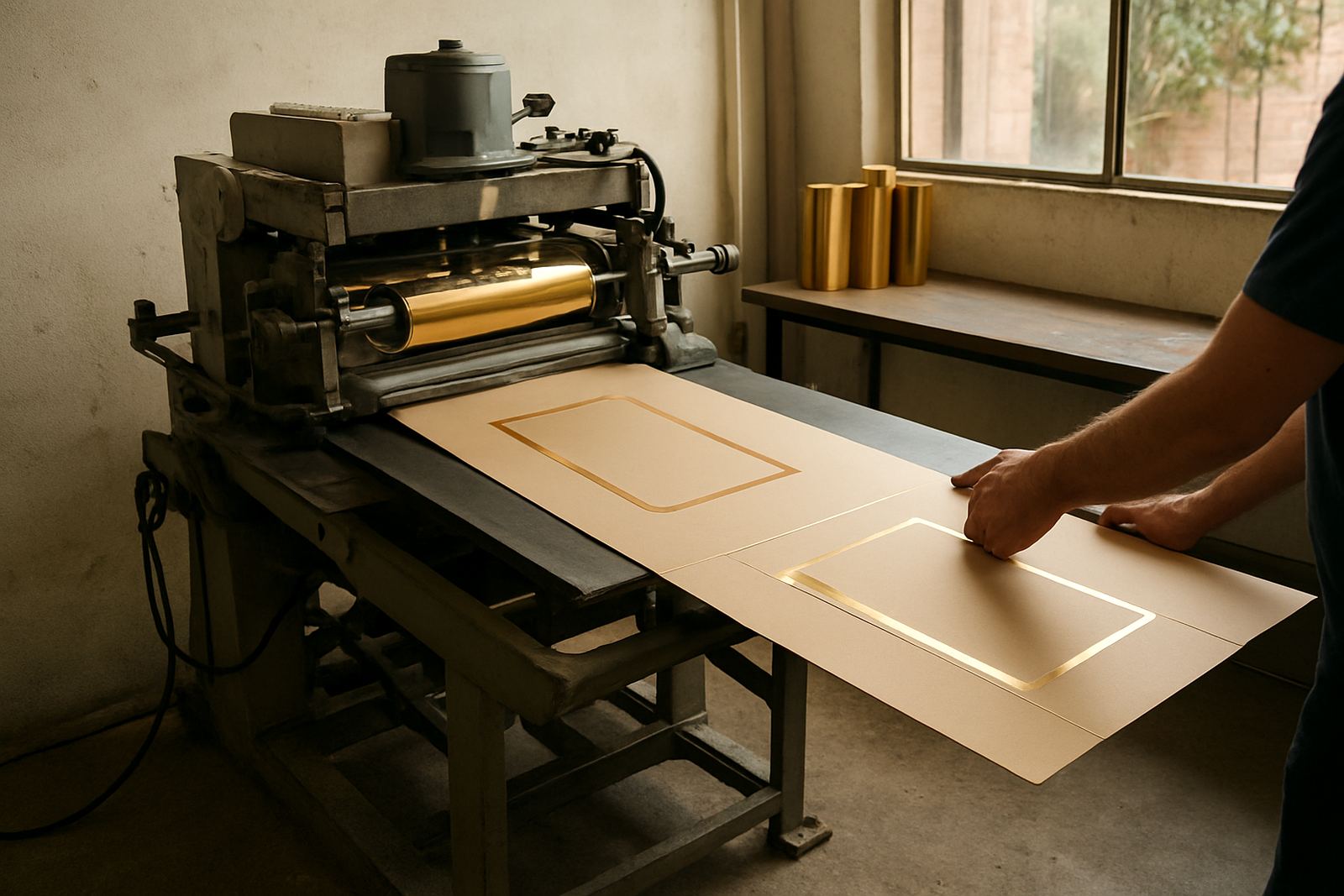
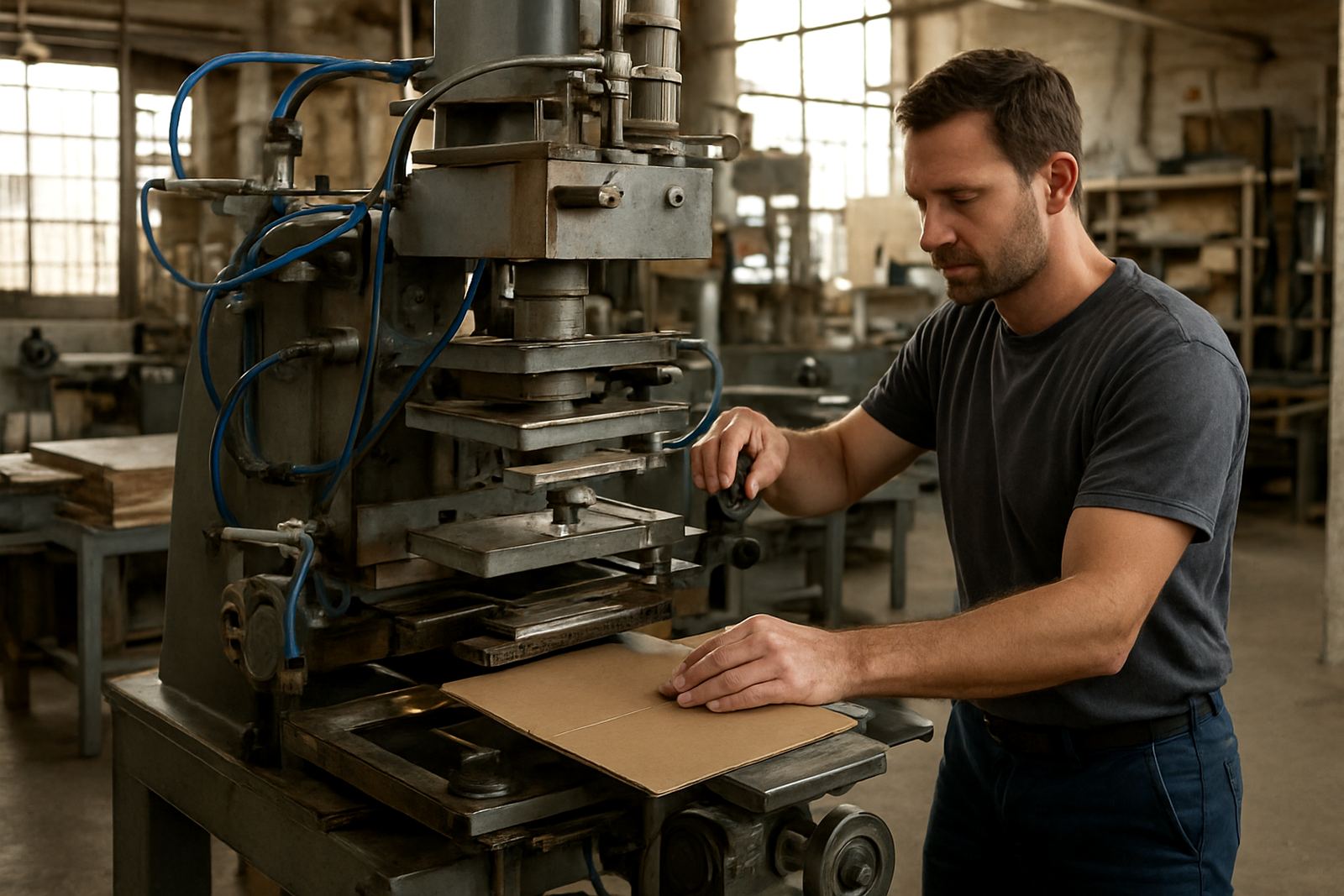
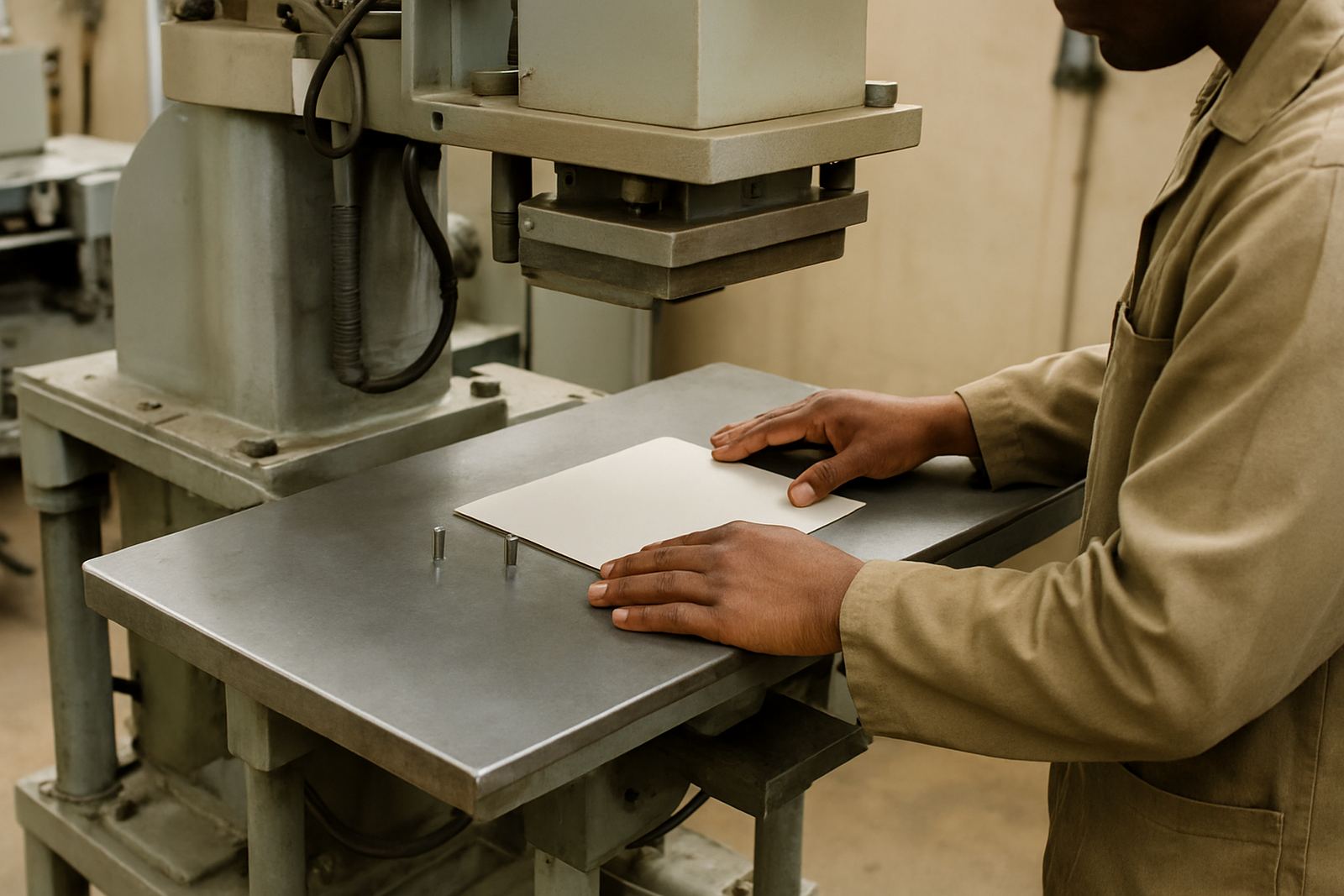
A slide table press is a hot-foil stamping machine fitted with a moving table that carries the work into and out of the stamping area. Instead of lifting every sheet directly under the platen, the operator loads on the table, slides it into position, and works with better control over registration. That makes it a practical choice for card makers, packaging printers and small manufacturers who need tidy foil on repeated jobs.
The press is suited to medium-format work where consistency is important. It handles logos, borders, product names, security marks and decorative panels on paper, board and some packaging substrates. With the right die, foil and heat settings, it can produce sharp impressions on short runs as well as regular daily production. For many shops in Johannesburg, Pretoria, Durban or Cape Town, this type of press is a good middle ground between a small craft machine and a full industrial line.
Sizes and format options available
FoilPress supplies slide table presses in format options that suit different production spaces and sheet sizes. The main choice is the platen size and the length of the sliding table. A larger table gives more comfort for loading and better support for heavier stock, while a smaller unit is easier to place in a compact workshop.
- Working area options for medium-format sheets and die sets
- Table lengths selected for comfortable loading and alignment
- Heated platen control for stable foil transfer
- Manual or assisted slide movement depending on the model
- Single-phase or three-phase power options where applicable
In practice, the right size depends on the biggest sheet you run, the size of your dies, and how much floor space you have available. If you print invitations, rigid cartons, presentation boxes or labels in batches, it is usually worth choosing a little more table space than you think you need. It helps with set-up and reduces handling time, which can matter a lot during peak season.
Where this press fits best
This press suits businesses that need accurate foil placement without making the operator fight the sheet every cycle. It is commonly used for wedding stationery, corporate print, premium packaging, carton sleeves, book covers and short-run promotional products. It also works well where a job needs repeated registration across a run of 50, 200 or 1 000 pieces.
Because the sliding table improves loading comfort, it is a solid choice for shops that run with one or two operators and need a machine that is straightforward to learn. In places such as Industria West, Roodepoort, Randburg, Midrand, Sandton and Germiston, customers often need reliable kit that can cope with load-shedding recovery, dust, and long working days. A slide table press gives you that practical balance between control and output.
- Card and invitation studios
- Packaging converters and carton producers
- Commercial print shops adding foil finishing
- Signage and label makers working on board stocks
- Small factories producing branded presentation items
Installation, power and workshop setup
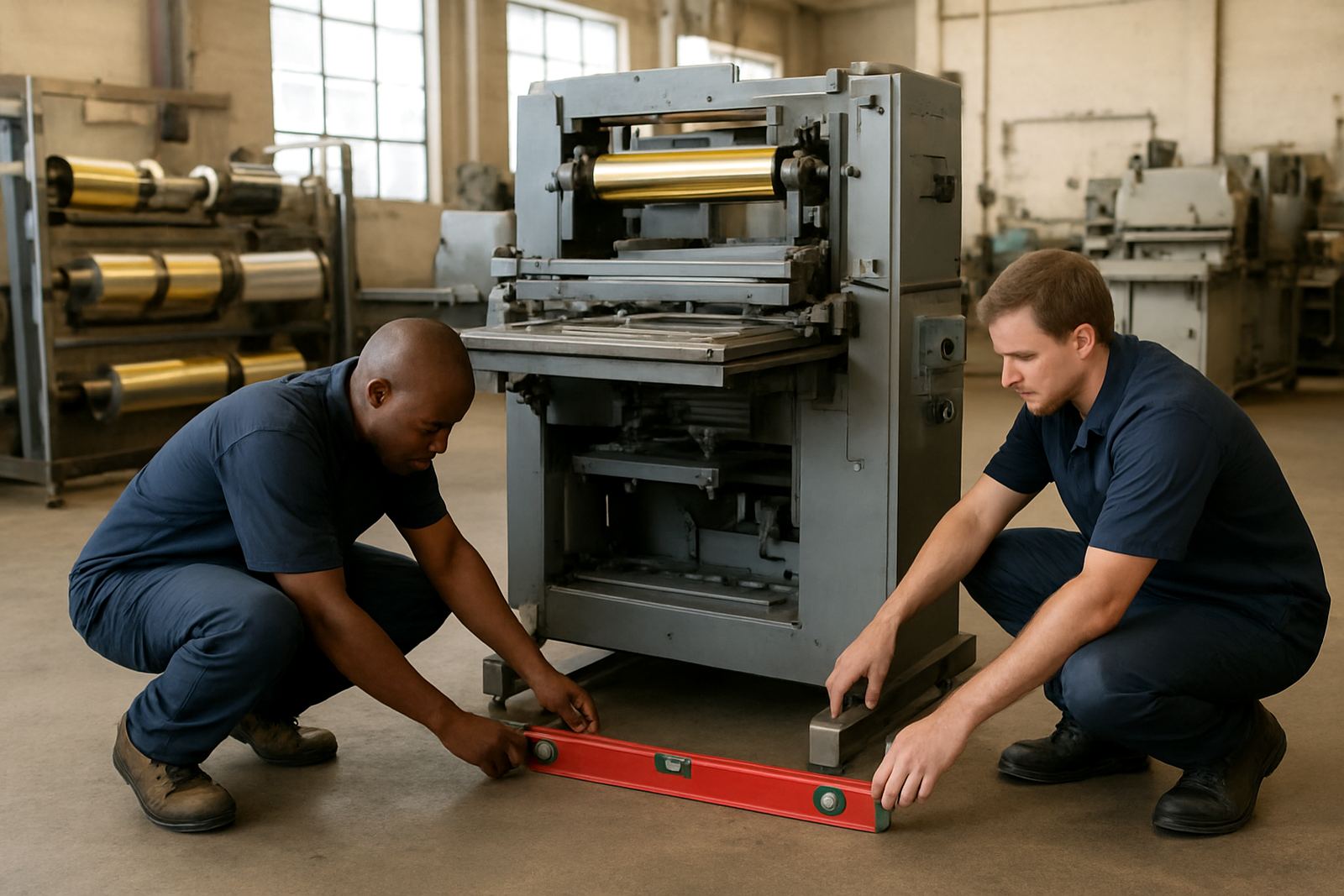
Installation starts with checking the floor space, access route, power supply and ventilation. The press needs a level surface and enough room at the front and sides for loading stock, moving dies, and servicing the heater area. If the machine is going into a busy print floor, leave space for foil rolls, cooling and safe operator movement.
Most installations need either a suitable single-phase supply or three-phase power, depending on the model and heating load. A proper earth connection is essential. Where power is unstable because of load-shedding or frequent interruptions, it is sensible to plan for safe shutdown procedures and controlled restart. Heat recovery time can affect production planning, so we help customers set the press up in a way that keeps downtime low.
Gas is not normally part of standard slide table press installation. What matters more is electrical capacity, breaker sizing and heat control. If you are ordering for a new workshop or relocating within the City West area, it is worth confirming doorway widths, pallet access and whether the unit must fit through tight passages or onto an upper floor.
Care, servicing and daily checks
A slide table press will give better output for longer when it is kept clean and checked often. Dust, foil residue and board fibres can build up around the platen, guides and table tracks. In coastal humidity this can become more of a problem, so a simple cleaning routine helps prevent sticking and uneven feed.
- Wipe the table and platen area at the start and end of a shift
- Check heater calibration if the foil starts dulling or over-pulling
- Inspect pressure settings when changing stock thickness
- Keep the slide mechanism free from scrap and adhesive build-up
- Replace worn consumables before they affect registration
FoilPress offers preventive servicing, breakdown repairs, heater calibration, pressure setup and production optimisation. That support is useful when you are running a deadline job and cannot afford a trial-and-error approach. A press that is maintained properly will hold settings better and reduce wasted foil, which saves money on every run.
What to confirm before you place an order
Before ordering, it helps to work through a proper checklist so the press matches your production needs. The most important point is the largest sheet size you plan to run, followed by the type of material, die size, and the finish you want. Foil stamping on coated board, uncoated card or laminated stock may each need slightly different heat and pressure settings.
- Maximum sheet size and die area needed
- Stock type, thickness and surface finish
- Daily volume and typical run length
- Available power supply and breaker capacity
- Workshop access, floor space and table clearance
- Whether you need installation, training and spare parts support
You should also confirm if you need foil matching for specific colours, or if the work includes detailed fine line areas that call for careful pressure adjustment. If your team is new to hot-foil stamping, operator training is worth including from the start. It shortens the learning curve and helps avoid mistakes on the first production runs.
Key facts
| Type | Hot-foil stamping press with sliding table |
|---|---|
| Best use | Medium-format card, packaging and premium print work |
| Format range | Sized to suit medium sheets and repeat foil jobs |
| Power | Single-phase or three-phase options depending on model |
| Setup | Requires level floor, safe electrical supply and clear loading space |
| Support | Installation, training, servicing, repairs and spares supply |